Legislative Activity
Track Raphael's sponsored bills, co-sponsored legislation, and voting record
This resolution honors the victims and commends the heroic actions of the soldiers and first responders following the August 6, 2025, shooting at Fort Stewart, Georgia.

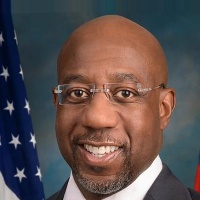
Jon Ossoff
Senator
GA
Jon Ossoff
Senator
GA
This resolution commemorates the first anniversary of the August 6, 2025, shooting at Fort Stewart, Georgia. It honors the courage of the soldiers who subdued the shooter and provided life-saving aid, while expressing ongoing support for the victims, their families, and the resilient Fort Stewart community.
The Momnibus Act is a comprehensive legislative package designed to end preventable maternal mortality, close racial and ethnic disparities in maternal health outcomes, and improve care for pregnant and postpartum individuals through targeted federal investments, community-based support, and expanded research.
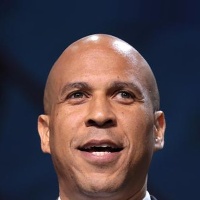
Cory Booker
Senator
NJ
Cory Booker
Senator
NJ
The Momnibus Act is a comprehensive legislative package designed to end preventable maternal mortality and close racial and ethnic disparities in maternal health outcomes. By investing in social determinants of health, expanding nutritional support, diversifying the perinatal workforce, and improving data collection, the bill seeks to provide holistic, equitable care for all pregnant and postpartum individuals. It also addresses critical gaps in maternal health for veterans, incarcerated individuals, and those impacted by climate change and public health emergencies.
The Bring Our Heroes Home Act establishes a process, overseen by a Review Board, to transfer and publicly disclose federal government records concerning U.S. military and civilian personnel missing in action since December 7, 1941, to the National Archives.

Michael Crapo
Senator
ID
Michael Crapo
Senator
ID
The Bring Our Heroes Home Act mandates the collection and prompt public disclosure of all U.S. government records concerning Armed Forces and civilian personnel missing since December 7, 1941. It establishes an independent Review Board to oversee the transfer of these records to the National Archives and to rule on any proposed postponements of disclosure. The Act aims to provide the fullest possible accounting to the American public and the families of the missing, with only narrow, clearly defined exceptions to release.
The National Plan for Epilepsy Act directs the Secretary of Health and Human Services to review and improve federal epilepsy research, prevention, and care programs to enhance health outcomes for those affected by the condition.
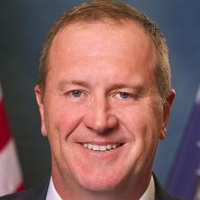
Eric Schmitt
Senator
MO
Eric Schmitt
Senator
MO
The National Plan for Epilepsy Act directs the Secretary of Health and Human Services to conduct a comprehensive review of federal epilepsy programs, research, and care strategies. By collaborating with stakeholders and identifying knowledge gaps, the Act aims to improve health outcomes, enhance treatment, and better support individuals living with epilepsy. The resulting report will provide Congress with actionable recommendations to strengthen federal efforts and coordination in epilepsy prevention and care.
The Foreign Robocall Elimination Act establishes an interagency taskforce to combat international robocalls, enhances traceback protections, and authorizes the FCC to require bonds from voice service providers to improve enforcement and database integrity.

Ted Budd
Senator
NC
Ted Budd
Senator
NC
The Foreign Robocall Elimination Act directs the FCC to establish an interagency taskforce to develop strategies for combating unlawful robocalls originating outside the United States. The bill also strengthens enforcement by providing legal protections for call traceback efforts and authorizing the FCC to require bonds from certain voice service providers to ensure accountability. These measures aim to reduce international robocall volume and improve coordination between federal agencies and the private sector.
This resolution designates August 1, 2026, as "Gold Star Children’s Day" to honor the sacrifices of children who lost a parent while serving in the U.S. Armed Forces.

Roger Wicker
Senator
MS
Roger Wicker
Senator
MS
This resolution designates August 1, 2026, as "Gold Star Children’s Day" to honor the sacrifices and unique hardships faced by children who have lost a parent in military service. It serves as a formal expression of national gratitude, encouraging Americans to recognize and support these children.
The College Transparency Act establishes a secure, privacy-protected federal data system to provide students and families with transparent information on college costs, enrollment, and post-graduation outcomes.

Bill Cassidy
Senator
LA
Bill Cassidy
Senator
LA
The College Transparency Act establishes a secure, privacy-protected federal data system to track postsecondary student outcomes, including enrollment, completion, and post-college earnings. By repealing the existing ban on a national student-level database, the bill aims to provide students and families with transparent, customizable information to help them make informed educational decisions. The system is designed to streamline institutional reporting requirements while strictly prohibiting the use of personal data for law enforcement, immigration, or federal ranking purposes.
This bill strengthens the CFTC whistleblower program by increasing the Customer Protection Fund cap, expanding whistleblower definitions and anti-retaliation protections, and establishing mandatory deadlines for the timely processing of award claims.

Charles Grassley
Senator
IA
Charles Grassley
Senator
IA
The CFTC Whistleblower Protection and Program Improvement Act of 2026 strengthens the agency’s whistleblower program by increasing the Customer Protection Fund cap and expanding the scope of eligible whistleblower awards. The bill enhances anti-retaliation protections for employees, mandates whistleblower rights training for registered entities, and establishes strict deadlines for the timely processing of award claims. These measures aim to provide more robust support for individuals who report misconduct in the commodities and futures markets.
The Right to IVF Act of 2026 establishes a federal right to fertility treatments, mandates comprehensive insurance coverage for ART and IUI, and expands access to these services for veterans and federal employees.

Tammy Duckworth
Senator
IL
Tammy Duckworth
Senator
IL
The Right to IVF Act of 2026 establishes a federal right to access assisted reproductive technology (ART) and intrauterine insemination (IUI) by overriding restrictive state laws. The bill further expands family-building support by mandating comprehensive fertility coverage for military service members, veterans, federal employees, and those enrolled in private insurance, Medicare, or Medicaid. These measures aim to ensure equitable, affordable access to fertility treatments nationwide.
The MERIT Act prohibits colleges and universities from granting preferential admissions treatment based on family or donor ties to ensure a more equitable and transparent admissions process.

Todd Young
Senator
IN
Todd Young
Senator
IN
The MERIT Act aims to increase equity in higher education by prohibiting colleges and universities from granting preferential admissions treatment based on an applicant's family or financial ties to alumni and donors. The bill establishes new accreditation standards to ensure fair admissions practices while mandating transparency and reporting on institutional compliance. Additionally, it directs the Secretary of Education to conduct a feasibility study on improving data collection regarding legacy and donor-based admissions.
This act establishes the United States Commission on Human Dignity, an independent advisory body tasked with providing ethical guidance to the federal government regarding the impact of emerging technologies on human rights and dignity.

Ted Cruz
Senator
TX
Ted Cruz
Senator
TX
The Human Dignity and Emerging Technologies Act establishes an independent, bipartisan commission to provide the federal government with ethical guidance on emerging technologies like artificial intelligence. This advisory body is tasked with monitoring scientific developments to ensure they align with the protection of human dignity, particularly in the context of global competition. The Commission will produce annual reports and policy recommendations to help shape responsible federal science and technology policy through 2032.
This bill improves support for expectant and parenting foster youth by increasing access to home visiting programs and providing states with greater flexibility to fund tailored case management services.

Tim Scott
Senator
SC
Tim Scott
Senator
SC
The Support for Expectant and Parenting Foster Youth Act aims to improve outcomes for young parents in the foster care system by increasing their access to essential support services. The bill mandates that states connect expectant and parenting foster youth with evidence-based home visiting programs and provides states with greater flexibility to use federal funding for tailored case management and resource coordination.
The Tire Safety Modernization Act of 2026 directs the Department of Transportation to update federal tire safety standards by modernizing testing protocols, refining performance definitions, and establishing new high-speed testing requirements.
Roger Wicker
Senator
MS
Roger Wicker
Senator
MS
The Tire Safety Modernization Act of 2026 directs the Secretary of Transportation to modernize federal tire safety regulations by removing outdated testing requirements and establishing new, uniform high-speed performance protocols. The bill also clarifies safety standards regarding tire "chunking" to better reflect modern industry practices. Additionally, it mandates a GAO study to evaluate the impact of these regulatory updates on tire safety and market availability.
The INSULIN Act of 2026 aims to lower healthcare costs by capping out-of-pocket insulin prices, increasing pharmacy benefit manager transparency, accelerating generic and biosimilar competition, and expanding access programs for the uninsured.

Jeanne Shaheen
Senator
NH
Jeanne Shaheen
Senator
NH
The Improving Needed Safeguards for Users of Lifesaving Insulin Now Act of 2026 aims to lower insulin costs by capping out-of-pocket expenses for insured patients and increasing transparency for pharmacy benefit managers. The bill also fosters competition by accelerating the approval of generic and biosimilar drugs and establishes new support programs to provide affordable insulin access for uninsured individuals.
This resolution recognizes July 21, 2026, as Black Women’s Equal Pay Day to highlight the persistent wage gap and reaffirm a commitment to achieving pay equity.

Lisa Blunt Rochester
Senator
DE
Lisa Blunt Rochester
Senator
DE
This resolution recognizes July 21, 2026, as Black Women’s Equal Pay Day to highlight the persistent and significant wage gap between Black women and white, non-Hispanic men. It details the economic impact of this disparity and reaffirms Congress's commitment to achieving pay equity through systemic change.
The Cannabis Administration and Opportunity Act decriminalizes cannabis at the federal level, establishes a comprehensive regulatory and taxation framework, and mandates restorative justice measures to address the impacts of past prohibition.
Cory Booker
Senator
NJ
Cory Booker
Senator
NJ
The Cannabis Administration and Opportunity Act proposes ending federal cannabis prohibition by removing it from the Controlled Substances Act and transferring regulatory oversight to health and revenue agencies. The bill establishes a comprehensive framework for taxation, product safety, and restorative justice, including the expungement of past federal cannabis convictions and increased investment in communities impacted by the War on Drugs. Additionally, it provides states with the authority to manage their own cannabis policies while creating new federal standards for research, workplace safety, and banking access.
The Clean Water Allotment Modernization Act of 2026 updates the EPA’s formula for distributing federal clean water funding to states, territories, and tribes based on infrastructure needs, population, and poverty levels.
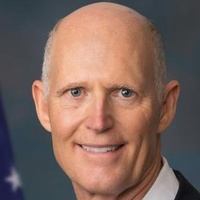
Rick Scott
Senator
FL
Rick Scott
Senator
FL
The Clean Water Allotment Modernization Act of 2026 updates the EPA’s formula for distributing federal clean water funding to states, territories, and Indian tribes. By prioritizing infrastructure needs, population data, and poverty levels, the bill ensures a more equitable and modern allocation of resources. Additionally, it streamlines administrative requirements and expands the eligible uses of state capitalization grants to better support water infrastructure projects.
The Older Americans Act Reauthorization Act of 2025 strengthens the national aging network by expanding mental health and nutrition services, enhancing caregiver support, improving long-term care advocacy, and increasing funding for programs that help older adults live independently.
Bill Cassidy
Senator
LA
Bill Cassidy
Senator
LA
The Older Americans Act Reauthorization Act of 2025 strengthens the national aging network by expanding access to mental health, nutrition, and caregiver support services while increasing transparency and accountability. The bill promotes independence for older adults through enhanced preventive health programs, improved housing accessibility, and modernized employment training. Additionally, it bolsters protections against elder abuse and ensures more culturally responsive care for Native American elders through 2030.
The Good Jobs for Good Airports Act establishes federal minimum wage and fringe benefit standards for service workers at small, medium, and large hub airports.
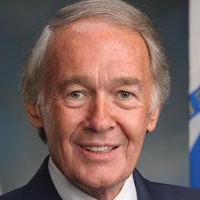
Edward Markey
Senator
MA
Edward Markey
Senator
MA
The Good Jobs for Good Airports Act establishes federal minimum wage and fringe benefit standards for a wide range of service workers at small, medium, and large hub airports. By mandating that employers provide competitive compensation based on prevailing-wage methodologies, the bill aims to ensure fair pay for essential airport personnel. It also includes robust enforcement mechanisms, including monthly certification requirements and provisions for private civil actions to ensure compliance.
This resolution designates June 22–26, 2026, as National Boys and Girls Club Week to honor the organization's vital role in empowering youth through academic, leadership, and life-skills programming.

Katie Britt
Senator
AL
Katie Britt
Senator
AL
This resolution designates June 22–26, 2026, as National Boys and Girls Club Week to honor the organization's vital role in supporting youth development. It recognizes the impact of over 5,500 clubs nationwide in providing safe, educational programming that fosters academic success, career readiness, and leadership skills. The Senate encourages all Americans to celebrate the clubs' ongoing commitment to building bright futures for young people.