Legislative Activity
Track Eugene's sponsored bills, co-sponsored legislation, and voting record
This act directs the Department of Energy to establish a network of open-access bioindustrial technology maturation facilities to accelerate the commercial scale-up of biotechnology and strengthen domestic supply chains.
James Baird
Representative
IN
James Baird
Representative
IN
The Bioindustrial Scale-Up for Supply Chains and Energy Resiliency Act of 2026 aims to strengthen U.S. biotechnology by establishing a network of open-access, federally supported manufacturing facilities. These centers will help companies bridge the gap between laboratory research and commercial-scale production, addressing critical infrastructure shortages. By fostering innovation in bioindustrial manufacturing, the bill seeks to secure domestic supply chains, promote energy resiliency, and accelerate the market readiness of new biobased products.
The AI-Ready Bio-Data Standards Act directs NIST to establish standardized frameworks and definitions to ensure federally funded biological research data is optimized for artificial intelligence applications.
Ro Khanna
Representative
CA
Ro Khanna
Representative
CA
The AI-Ready Bio-Data Standards Act directs the National Institute of Standards and Technology (NIST) to establish standardized frameworks and definitions for biological research data. These measures aim to ensure that federally funded biological datasets are structured and accessible for effective use in artificial intelligence training and biotechnology research. The bill also mandates the creation of public repositories and advisory groups to support federal agencies and researchers in implementing these standards.
This act establishes a federal gasoline tax holiday from enactment through September 30, 2026, while requiring that the savings be passed directly to consumers.
Chris Pappas
Representative
NH
Chris Pappas
Representative
NH
The Gas Prices Relief Act of 2026 establishes a temporary federal gas tax holiday, suspending the federal excise tax on gasoline until September 30, 2026. To maintain trust fund solvency, the Treasury will transfer general funds to the Highway Trust Fund and the LUST Trust Fund to cover lost revenue. The bill mandates that consumers immediately receive the benefit of this tax cut, with penalties for producers or dealers who fail to pass the savings along.
The Agricultural Conservation Mentorship Act amends the Environmental Quality Incentives Program to provide funding for paid work-based learning opportunities within agricultural higher education programs.
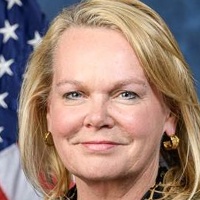
April McClain Delaney
Representative
MD
April McClain Delaney
Representative
MD
The Agricultural Conservation Mentorship Act amends the Environmental Quality Incentives Program (EQIP) to provide funding for paid work-based learning opportunities. This initiative supports cooperative programs at higher education institutions and land-grant universities to enhance agricultural teaching and career development.
This bill restricts federal financial assistance to investor-owned electric utilities that increase residential rates unless they adhere to specific executive compensation limits.

Haley Stevens
Representative
MI
Haley Stevens
Representative
MI
The Stop Unfair Electricity Prices Act aims to protect residential consumers by restricting federal financial assistance to investor-owned utilities that raise electricity rates above 2026 levels. To maintain eligibility for funding, utilities must either freeze executive compensation or implement significant pay cuts for top earners if they choose to increase consumer rates.
This bill authorizes $60 million annually through 2035 to support higher education grants and fellowships focused on teaching enhancement in food, agricultural, and rural development sciences.
April McClain Delaney
Representative
MD
April McClain Delaney
Representative
MD
The Higher Education Challenge Grant Modernization Act authorizes $60 million annually from 2026 through 2035 to support agricultural and rural development education. The bill establishes a new grant priority for teaching enhancement projects, specifically those that incorporate paid work-based learning opportunities to train professionals in food, agricultural sciences, and rural economic development.
This legislation strengthens Taiwan’s energy security and infrastructure resilience by promoting U.S. energy exports, facilitating technical cooperation, and establishing insurance protections for vessels transporting vital supplies to the region.
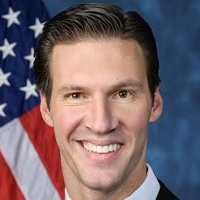
Pat Harrigan
Representative
NC
Pat Harrigan
Representative
NC
The Taiwan Energy Security and Anti-Embargo Act of 2026 aims to strengthen Taiwan’s energy resilience by increasing U.S. energy exports, including liquefied natural gas, and enhancing the security of Taiwan’s critical energy infrastructure. The bill authorizes collaborative efforts to protect against cyber and physical threats, promotes cooperation on nuclear energy technology, and establishes a maritime insurance program for vessels delivering vital goods to Taiwan. These measures are designed to reduce Taiwan's vulnerability to coercion while reinforcing regional stability and U.S.-Taiwan strategic ties.
The Infant Formula Safety Modernization Act of 2026 mandates stricter manufacturing testing, rapid pathogen reporting, and enhanced Congressional oversight to ensure the safety of infant formula.

Rosa DeLauro
Representative
CT
Rosa DeLauro
Representative
CT
The Infant Formula Safety Modernization Act of 2026 strengthens federal oversight by mandating rigorous pathogen testing, stricter manufacturing facility standards, and rapid reporting of contamination. The bill requires manufacturers to promptly notify the FDA of positive test results and ensures that Congress is kept informed of critical safety and inspection issues. These measures aim to enhance the safety and quality of infant formula products for all consumers.
The GAAME Act of 2026 mandates and expands access to standards-based arts and music education within Title I schools to support comprehensive student achievement.
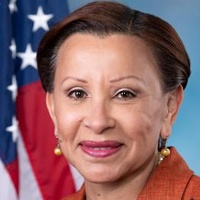
Nydia Velázquez
Representative
NY
Nydia Velázquez
Representative
NY
The GAAME Act of 2026 mandates that Title I schools provide students with sequential, standards-based arts and music education taught by certified professionals. By integrating these programs into school-wide and targeted assistance plans, the bill ensures equitable access to a well-rounded education that supports academic achievement.
This resolution urges the President to order U.S. flags flown at half-staff to honor the life and legacy of civil rights leader Reverend Jesse Jackson.
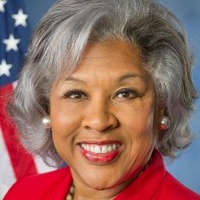
Joyce Beatty
Representative
OH
Joyce Beatty
Representative
OH
This resolution formally honors the life and enduring legacy of civil rights leader Reverend Jesse Louis Burns Jackson, Sr. It recognizes his significant contributions to the Civil Rights Movement, including his work with Dr. Martin Luther King, Jr. and his founding of Operation PUSH. The bill specifically urges the President to order that the U.S. flag be flown at half-staff in his memory.
This bill establishes the Americas Living Library Project to collect, sequence, and publicly database the genomic data of plants, animals, fungi, and microbes found in national parks.
Ro Khanna
Representative
CA
Ro Khanna
Representative
CA
The America’s Living Library Act establishes a pilot program within the Department of the Interior to collect, sequence, and create a public database of genomic data from plants, animals, fungi, and microbes in national parks. This initiative mandates coordination across federal agencies for sample collection, long-term physical storage, and data integration with existing scientific systems. The bill authorizes specific funding for the project and supporting agencies through fiscal year 2031, with the program terminating ten years after enactment.
The Direct File Act of 2026 establishes a permanent, free, government-owned online tax filing system within the IRS while prohibiting agreements that restrict the government from providing tax preparation services.
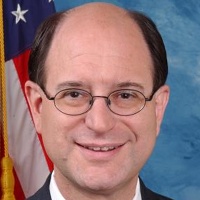
Brad Sherman
Representative
CA
Brad Sherman
Representative
CA
The Direct File Act of 2026 establishes a permanent, free, government-owned online tax filing system within the IRS, ensuring taxpayers have a simplified and accessible way to file their returns. The bill prohibits the Treasury from entering into agreements that restrict the government's ability to provide these services and mandates the integration of state tax filing options. Additionally, it streamlines the tax process by setting new filing deadlines for employer information returns to improve efficiency for all taxpayers.
This bill strengthens democracy by banning foreign spending in U.S. elections, increasing transparency for "dark money" in politics, and mandating clear disclosure of funders in political advertising.
Chris Pappas
Representative
NH
Chris Pappas
Representative
NH
The Democracy Is Strengthened by Casting Light On Spending in Elections Act of 2026 aims to increase transparency and security in U.S. elections. It closes loopholes to ban foreign national spending in elections, mandates disclosure for "dark money" political spending, and requires clear funding disclosures on political ads. The bill also centralizes legal challenges to campaign finance laws in Washington, D.C., for faster resolution.
This act mandates the Secretary of the Interior to issue a specific right-of-way for an emergency egress from the Blue Ridge Parkway near Wintergreen after certain environmental and alternative analyses are completed.
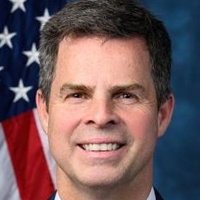
John McGuire
Representative
VA
John McGuire
Representative
VA
The Wintergreen Emergency Egress Act mandates the Secretary of the Interior to issue a specific right-of-way for an emergency exit along the Blue Ridge Parkway. This requirement becomes mandatory only after the Secretary confirms that necessary environmental reviews and an analysis of alternatives have been completed. The act ensures a designated emergency egress route is established near Milepost 9.6, subject to specific reporting conditions.
The RELIEF Act mandates the refunding of certain tariffs collected by U.S. Customs and Border Protection under the International Emergency Economic Powers Act starting January 1, 2025.
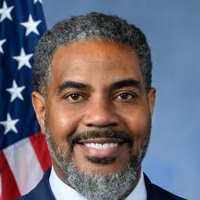
Steven Horsford
Representative
NV
Steven Horsford
Representative
NV
The RELIEF Act establishes a mandatory refund process for certain tariffs collected by U.S. Customs and Border Protection starting January 1, 2025, specifically those imposed under the International Emergency Economic Powers Act. This legislation requires the Commissioner of Customs and Border Protection to automatically issue refunds to importers within 90 days of enactment. Importers will receive these refunds without needing to file an application or protest.
This resolution designates Black History Month 2026, honors the contributions of Black Americans through the "Unsung Souls" and "Righteous Intercessors" recognitions, and affirms the importance of a complete national narrative.

Al Green
Representative
TX
Al Green
Representative
TX
This resolution officially recognizes Black History Month and adopts "A Century of Black History Commemorations" as the theme for 2026. It honors the contributions of Black Americans by establishing categories for "Unsung Souls" and "Righteous Intercessors." Ultimately, the bill affirms that Black history commemorations are essential for a complete national narrative and inspiring future progress toward liberty and justice for all.
The Enhanced Cybersecurity for SNAP Act of 2026 mandates a transition to secure chip-enabled EBT cards, strengthens digital fraud protections, and improves account management accessibility for SNAP beneficiaries.

Dan Goldman
Representative
NY
Dan Goldman
Representative
NY
The Enhanced Cybersecurity for SNAP Act of 2026 mandates a transition to secure, chip-enabled EBT cards to better protect Supplemental Nutrition Assistance Program (SNAP) benefits from fraud and skimming. The bill requires states to implement modernized digital account management tools, establishes new federal cybersecurity standards for online transactions, and prohibits fees for replacing compromised or malfunctioning cards. Additionally, it provides funding to help retailers upgrade to secure payment terminals and requires regular reporting to Congress on program security and benefit theft trends.
This bill directs the National Institute of Standards and Technology (NIST) to create and share voluntary resources to help small businesses understand, adopt, and integrate artificial intelligence.
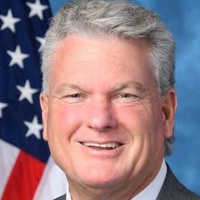
Mike Collins
Representative
GA
Mike Collins
Representative
GA
The Small Business Artificial Intelligence Advancement Act directs the National Institute of Standards and Technology (NIST) to develop and share resources to help small businesses understand, adopt, and integrate artificial intelligence. These technology-neutral resources will include standards, best practices, and case studies, distributed in coordination with the Small Business Administration. The use of these materials by small businesses will be voluntary.
The ACERO Act establishes a NASA project to develop advanced aircraft technologies and data sharing to improve the coordination and effectiveness of aerial wildfire response operations.
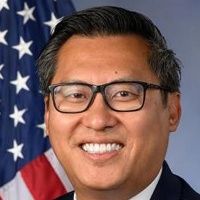
Vince Fong
Representative
CA
Vince Fong
Representative
CA
The ACERO Act establishes a NASA project to enhance the use of aircraft in fighting wildfires through advanced research and development. This initiative focuses on developing new aircraft technologies, improving real-time data sharing, and creating interoperable tracking systems for aerial assets. The bill also mandates coordination with various agencies and places restrictions on purchasing drones from certain foreign entities.
This bill expresses support for the National FFA Organization by designating February 21-28, 2026, as National FFA Week and celebrating the 50th anniversary of the Alaska State FFA Association.
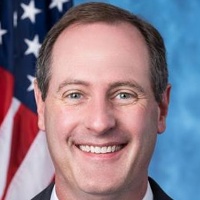
Tracey Mann
Representative
KS
Tracey Mann
Representative
KS
This resolution expresses support for the National FFA Organization and designates February 21–28, 2026, as National FFA Week. It recognizes the FFA's vital role in developing future leaders through agricultural education. The bill also celebrates the 50th anniversary of the chartering of the Alaska State FFA Association.