Legislative Activity
Track Eugene's sponsored bills, co-sponsored legislation, and voting record
This bill expresses support for the National FFA Organization by designating February 21-28, 2026, as National FFA Week and celebrating the 50th anniversary of the Alaska State FFA Association.
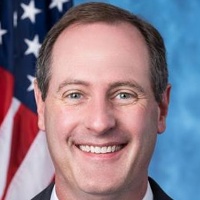
Tracey Mann
Representative
KS
Tracey Mann
Representative
KS
This resolution expresses support for the National FFA Organization and designates February 21–28, 2026, as National FFA Week. It recognizes the FFA's vital role in developing future leaders through agricultural education. The bill also celebrates the 50th anniversary of the chartering of the Alaska State FFA Association.
The Iran Human Rights, Internet Freedom, and Accountability Act of 2026 aims to support the Iranian people by expanding internet access, strengthening sanctions against regime officials, and establishing a Treasury initiative to combat Iranian government corruption and kleptocracy.
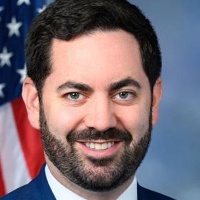
Michael Lawler
Representative
NY
Michael Lawler
Representative
NY
The Iran Human Rights, Internet Freedom, and Accountability Act of 2026 aims to support the Iranian people by expanding access to uncensored internet and communication technologies. The bill strengthens U.S. policy against regime repression by mandating investigations into human rights abuses and establishing a new Treasury initiative to combat corruption and money laundering by Iranian officials. Additionally, it enhances congressional oversight of sanctions and promotes independent media to counter state-sponsored censorship.
This act reforms the process for negotiating pay and benefits for Postal Service supervisors, managers, and postmasters, ensuring timely proposals and binding dispute resolution.
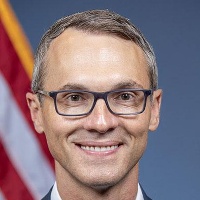
James Walkinshaw
Representative
VA
James Walkinshaw
Representative
VA
The Postal Supervisors, Managers, and Postmasters Fairness Act of 2026 updates the process for determining pay and benefits for Postal Service supervisory personnel. This bill requires the Postal Service to formally propose pay changes to supervisor organizations before existing decisions expire or after related union contracts are settled. Any unresolved disputes regarding these proposals will result in a final, binding determination issued quickly by a review panel.
This bill exempts specific less-than-lethal projectile devices from federal firearm restrictions, excise taxes, and National Firearms Act regulations to promote de-escalation innovation in law enforcement.
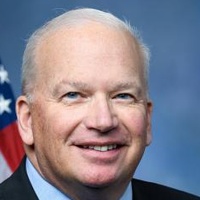
Scott Fitzgerald
Representative
WI
Scott Fitzgerald
Representative
WI
The Law-Enforcement Innovate to De-Escalate Act aims to promote de-escalation by exempting specific, clearly defined less-than-lethal projectile devices from federal firearm restrictions and excise taxes. This legislation provides a formal process for determining which devices qualify for these exemptions under both federal law and the National Firearms Act. The bill also modernizes tax regulations by exempting qualifying less-than-lethal devices and their ammunition from federal excise taxes.
This Act establishes the United States-Israel Defense Technology Cooperation Initiative to accelerate joint research, development, and integration of defense technologies between the two nations.
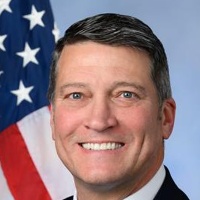
Ronny Jackson
Representative
TX
Ronny Jackson
Representative
TX
This bill establishes the United States-Israel Defense Technology Cooperation Initiative to accelerate joint research, development, and integration of critical defense technologies. The initiative focuses on key areas like AI, missile defense, and counter-drone systems to enhance the security and technological edge of both nations. It mandates regular reporting to Congress on progress and authorizes funding for fiscal years 2027 through 2029.
This bill seeks to amend Medicare to provide coverage for medically necessary wigs as durable medical equipment under the program.
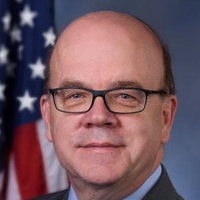
James McGovern
Representative
MA
James McGovern
Representative
MA
This bill seeks to amend Medicare coverage rules to include wigs as durable medical equipment when medically necessary. Coverage would require written certification from a physician confirming the wig is needed for hair loss due to a medical condition or as part of rehabilitative treatment.
The Representing our Seniors at VA Act of 2026 updates the membership requirements of the VA Geriatrics and Gerontology Advisory Committee to include representatives from veterans service organizations, State homes, and nursing home administration.
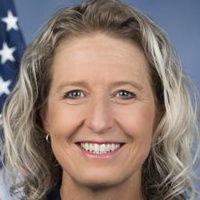
Jennifer Kiggans
Representative
VA
Jennifer Kiggans
Representative
VA
The Representing our Seniors at VA Act of 2026 updates the membership requirements for the Department of Veterans Affairs Geriatrics and Gerontology Advisory Committee. This legislation ensures the committee includes diverse representation from veterans service organizations, State homes, and licensed nursing home administrators to better support aging veterans.
The Healthy Families Act establishes a national standard requiring most employers to provide employees with earned paid sick leave for personal or family health needs and related safety issues.

Rosa DeLauro
Representative
CT
Rosa DeLauro
Representative
CT
The Healthy Families Act establishes a national standard requiring most employers to provide employees with earned paid sick leave. Employees will accrue a minimum of one hour of paid time for every 30 hours worked, usable for personal or family health needs, domestic violence, sexual assault, or stalking. The Act prohibits employer retaliation for using this leave and ensures existing, more generous leave policies are not diminished.
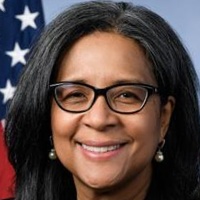
This bill establishes the Office of Small Farms within the Department of Agriculture to improve support, access to programs, and technical assistance for small farm, ranch, and forest operations.
Marilyn Strickland
Representative
WA
Marilyn Strickland
Representative
WA
This bill establishes the Office of Small Farms within the Department of Agriculture to better support small farm, ranch, and forest operations, defined by specific acreage and income thresholds. The Office will coordinate support, review programs for disadvantages to small farms, and develop new initiatives, including grants up to $25,000. It also mandates the creation of State small farms coordinators to ensure effective, localized technical assistance and program access for these operations.
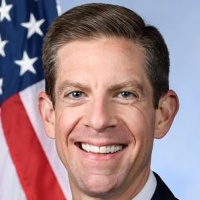
This Act prohibits the discharge of plastic pellets and pre-production plastic materials into U.S. waters from industrial facilities through EPA regulations and permitting requirements.
Mike Levin
Representative
CA
Mike Levin
Representative
CA
The Plastic Pellet Free Waters Act prohibits the discharge of plastic pellets and other pre-production plastic materials into U.S. waters from industrial facilities. This requires the EPA to swiftly issue a rule banning these discharges from facilities involved in the manufacturing, use, packaging, or transport of these plastics. The prohibition will be enforced through existing permitting and regulatory systems under the Federal Water Pollution Control Act.
This bill appropriates funding and establishes operational rules for the Department of Homeland Security for Fiscal Year 2026 across management, security, preparedness, and research functions, while imposing strict oversight and spending restrictions.
Rosa DeLauro
Representative
CT
Rosa DeLauro
Representative
CT
This bill provides the funding and establishes the operational rules for the Department of Homeland Security (DHS) for Fiscal Year 2026 across all major components, including intelligence, security operations, emergency management, and research. It allocates billions for agencies like TSA, Coast Guard, FEMA, and CISA while imposing strict new requirements for congressional oversight, spending transparency, and management of federal grants. The legislation also includes specific policy directives, such as mandating security screening for senior officials and restricting certain intelligence and contracting activities.
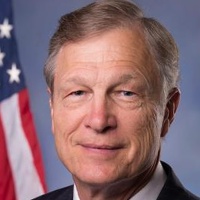
The SUSHI Act mandates the creation of a standardized, science-based testing method to accurately determine the country of origin for seafood, primarily to combat illegal fishing.
Brian Babin
Representative
TX
Brian Babin
Representative
TX
The Standards for Understanding Source and Habitat Identification Act, or SUSHI Act, mandates the creation of a standardized, science-based chemical testing method to definitively identify the country of origin for seafood. This new methodology, developed collaboratively by key federal agencies, aims to combat illegal, unreported, and unregulated fishing practices. The resulting standard must be practical for field use and applicable to both raw and prepared seafood products.
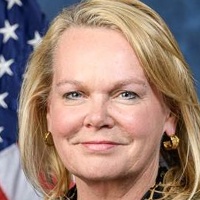
This bill mandates a comprehensive study by the Comptroller General on the fiscal impact of federal workforce reductions (RIFs) on state and local government budgets, revenues, and services.
April McClain Delaney
Representative
MD
April McClain Delaney
Representative
MD
The Fiscal Harms of Federal Firings Act mandates a comprehensive study by the Comptroller General on how federal workforce reductions (RIFs) impact state and local government budgets. This study will analyze changes in state spending, tax revenues, and regional economic effects resulting from federal job cuts. The resulting report will provide Congress with findings, identify the most affected areas, and suggest policy options for mitigating these fiscal harms.
The BRAVE Burma Act modifies sanctions reporting requirements and directs the U.S. to oppose increases to Burma's IMF shareholding while the State Administration Council is in power.
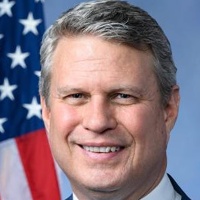
Bill Huizenga
Representative
MI
Bill Huizenga
Representative
MI
The BRAVE Burma Act aims to increase accountability for the military regime in Burma through enhanced sanctions reporting. It requires the President to assess Burmese state-owned enterprises and entities involved in the jet fuel sector for potential sanctions. Furthermore, the Act directs the U.S. to oppose increases to Burma's shareholding in the International Monetary Fund while the State Administration Council is in power.
The Affordable Housing Bond Enhancement Act modifies federal tax code provisions related to private activity bonds and mortgage credit certificates to enhance financing options for affordable housing.
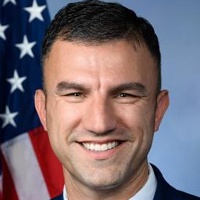
Rudy Yakym
Representative
IN
Rudy Yakym
Representative
IN
The Affordable Housing Bond Enhancement Act amends federal tax law to streamline and improve financing options for affordable housing initiatives. This legislation modifies rules surrounding private activity bonds, mortgage revenue bonds, and mortgage credit certificates. Key changes include increasing home improvement loan limits, easing refinancing restrictions, and adjusting reporting requirements for bond issuers.
This act makes the Department of Veterans Affairs' telescreening mammography program permanent and expands access to mammography services for veterans in every state and Puerto Rico.
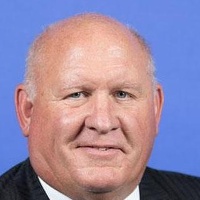
Glenn Thompson
Representative
PA
Glenn Thompson
Representative
PA
The Mammography Access for Veterans Act of 2025 permanently expands and enhances the Department of Veterans Affairs' telescreening mammography program. This legislation mandates that within two years, every state and Puerto Rico must have access to VA-provided breast imaging services, including telescreening, full-service, or mobile options. Furthermore, it ensures these vital services are fully accessible to veterans with disabilities.
This bill mandates that Federally-qualified health centers receive the full 340B discounted drug price upfront at the point of purchase, prohibiting post-purchase price adjustments.
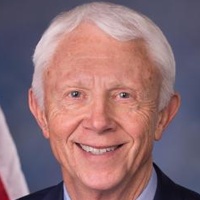
Jack Bergman
Representative
MI
Jack Bergman
Representative
MI
The Community Health Center Drug Pricing Protection Act ensures that Federally-qualified health centers (FQHCs) receive the full 340B discounted price for drugs at the point of purchase. This legislation prohibits manufacturers from requiring FQHCs to pay more than the established ceiling price upfront, regardless of any later rebates or reimbursements. The goal is to guarantee immediate, upfront savings for these vital health centers.
This Act mandates a study to determine the feasibility and best practices for building high-voltage electric transmission lines along existing highway and railroad rights-of-way to lower energy costs and improve reliability.
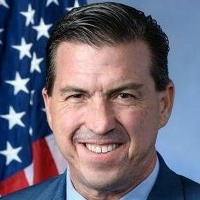
Kevin Mullin
Representative
CA
Kevin Mullin
Representative
CA
The Rail and Highway Transmission Planning Act directs a comprehensive study on the feasibility and best practices for building high-voltage electric transmission lines within existing highway and railroad rights-of-way. This initiative aims to accelerate the deployment of new transmission infrastructure to enhance grid reliability and lower consumer energy costs. The resulting report will provide Congress and stakeholders with an action plan for utilizing these corridors effectively.
This Act limits federal agencies' ability to set minimum education requirements for cybersecurity positions unless mandated by local law, focusing hiring instead on demonstrated skills.
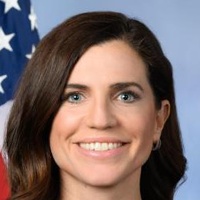
Nancy Mace
Representative
SC
Nancy Mace
Representative
SC
The Cybersecurity Hiring Modernization Act reforms federal hiring by limiting agencies' ability to mandate college degrees for competitive service cybersecurity positions. Agencies can only require specific education if mandated by local law or if the education directly proves necessary job skills. This legislation also requires the Office of Personnel Management to track and report on education standards and hiring outcomes for these critical roles.
The Rebuild America’s Schools Act of 2026 establishes federal grant and bond programs to provide billions of dollars for the long-term improvement, modernization, and repair of public school facilities, prioritizing health, safety, and environmental conditions in high-need districts.
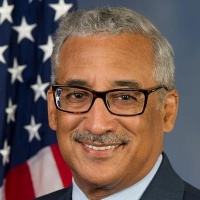
Robert Scott
Representative
VA
Robert Scott
Representative
VA
The **Rebuild America’s Schools Act of 2026** establishes major federal funding streams, including grants and tax-credit bonds, to modernize and repair public school facilities nationwide from 2027 through 2031. The legislation prioritizes districts with the greatest need, focusing on improving student health, safety, and environmental conditions in school buildings. It also mandates increased transparency through public databases tracking facility conditions and requires specific labor and "Buy America" standards for funded construction projects.