Legislative Activity
Track Eugene's sponsored bills, co-sponsored legislation, and voting record
This bill officially renames the United States Postal Service facility at 1200 William Street in Buffalo, New York, as the William J. Donovan Post Office Building.
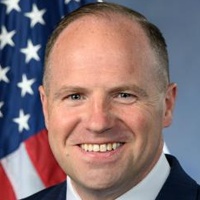
Timothy Kennedy
Representative
NY
Timothy Kennedy
Representative
NY
This bill officially renames the United States Postal Service facility located at 1200 William Street in Buffalo, New York. The facility will now be known as the William J. Donovan Post Office Building. This designation will apply to all federal references to the building.
The Tech Diplomacy Training Act mandates science, technology, engineering, and mathematics training for Foreign Service officers to better integrate emerging technologies into U.S. diplomatic efforts.
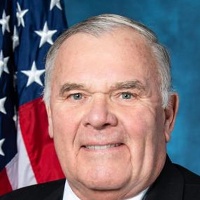
James Baird
Representative
IN
James Baird
Representative
IN
The Tech Diplomacy Training Act mandates that Foreign Service officers receive specialized training in science, technology, engineering, and mathematics (STEM). This initiative ensures diplomats are equipped to navigate the impact of emerging technologies—such as artificial intelligence—on global diplomacy and national security. By integrating these topics into both new and existing training curricula, the bill aims to strengthen the United States' ability to address technology-driven geopolitical challenges.
The SACRED Act establishes federal criminal penalties and civil remedies for the intimidation, harassment, or obstruction of individuals accessing places of religious worship.
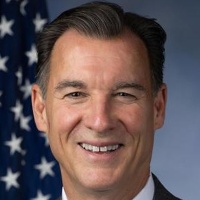
Thomas Suozzi
Representative
NY
Thomas Suozzi
Representative
NY
The SACRED Act establishes federal criminal penalties and civil remedies for individuals who intimidate, harass, or obstruct those attempting to enter or exit places of religious worship. By creating a 100-foot protected zone, the bill aims to safeguard the First Amendment right to religious freedom while ensuring the physical safety of congregants.
This bill mandates the transfer of the Department of Homeland Security’s Special Events Program and its associated resources to the Office of Situational Awareness within 180 days.
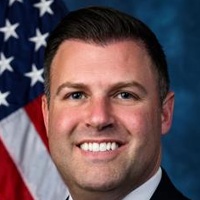
Ryan Mackenzie
Representative
PA
Ryan Mackenzie
Representative
PA
The Special Events Program Alignment Act of 2026 mandates the transfer of the Department of Homeland Security’s Special Events Program to the Office of Situational Awareness. This transition, required within 180 days of enactment, includes the relocation of all associated personnel, assets, records, and funding to streamline departmental oversight.
The SHADOW Act establishes diplomatic requirements and a new State Department Coordinator to counter hybrid warfare threats against U.S. interests and mandates a report on Chinese entities materially supporting Russia's defense industrial base.
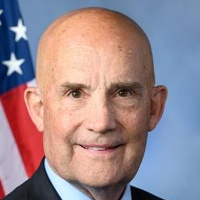
Keith Self
Representative
TX
Keith Self
Representative
TX
The SHADOW Act aims to strengthen U.S. defense against hybrid warfare by requiring the State Department to assess threats and enhance diplomatic engagement with allies, particularly NATO. It establishes a new Coordinator for Hybrid Warfare Accountability to oversee information sharing and coordinate response strategies against threats from actors like China and Russia. Furthermore, the bill mandates a report identifying Chinese entities materially supporting Russia's defense industrial base and recommending appropriate countermeasures.
The Words Matter Act of 2025 updates federal law by replacing the terms "mentally retarded" and "mental retardation" with "intellectual disability" or "individuals with intellectual disabilities" without altering existing rights or benefits.
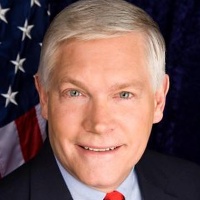
Pete Sessions
Representative
TX
Pete Sessions
Representative
TX
The Words Matter Act of 2025 mandates a comprehensive update across all federal laws, replacing the outdated terms "mentally retarded" and "mental retardation" with "intellectual disability" or "individuals with intellectual disabilities." This change is strictly a linguistic update intended to align federal statutes with current, respectful terminology. The Act explicitly states that this language revision does not alter eligibility for benefits, rights, or responsibilities under any existing federal program. Agencies are required to update their regulations to reflect this new terminology while maintaining a record of the previous language used.
This resolution condemns China's coercive actions against Japan following statements on Taiwan and reaffirms the U.S. commitment to its Indo-Pacific allies.
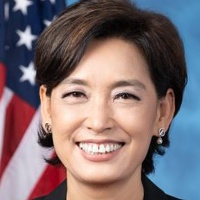
Young Kim
Representative
CA
Young Kim
Representative
CA
This resolution condemns the People's Republic of China's coercive military and economic actions against Japan following statements regarding Taiwan. It reaffirms the strong U.S.-Japan alliance and commitment to regional stability. Furthermore, the bill calls on the PRC to cease its pressure tactics and urges the U.S. to work with allies to counter such coercion in the Indo-Pacific.
The Stabilization to Prevent Suicide (STOP) Suicide Act establishes a federal grant program to fund evidence-based, community-level stabilization services for individuals experiencing serious thoughts of suicide.
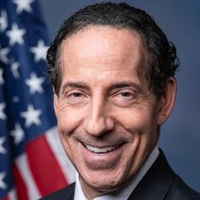
Jamie Raskin
Representative
MD
Jamie Raskin
Representative
MD
The Stabilization to Prevent Suicide Act (STOP Suicide Act) establishes a federal grant program to fund evidence-based, suicide-specific stabilization services for individuals in crisis. By supporting community-based providers, crisis centers, and public health agencies, the bill aims to expand access to critical mental health care through outpatient, virtual, and peer-support models. The legislation authorizes $30 million annually from 2027 through 2031 to improve intervention outcomes and ensure long-term sustainability for these essential services.
The Kira Johnson Act establishes grant programs and research initiatives to advance maternal health equity, reduce bias and discrimination in maternity care, and improve health outcomes for high-risk demographic groups.
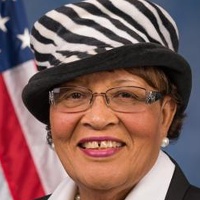
Alma Adams
Representative
NC
Alma Adams
Representative
NC
The Kira Johnson Act aims to eliminate maternal health disparities by funding community-based organizations that provide evidence-based support to high-risk populations. The legislation also establishes grant programs to implement anti-bias training for maternity care providers and creates compliance programs to address racism and discrimination in clinical settings. Through these initiatives, the bill seeks to ensure respectful, culturally congruent care and improve health outcomes for pregnant and postpartum individuals.
This bill extends WIC eligibility and enhanced food benefits for postpartum and breastfeeding mothers from one year to 24 months.
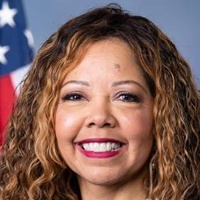
Lucy McBath
Representative
GA
Lucy McBath
Representative
GA
The Extending WIC for New Moms Act increases the duration of WIC eligibility for postpartum mothers from six months to 24 months. It also extends the period for receiving enhanced breastfeeding food packages to 24 months. Additionally, the bill mandates a comprehensive report to Congress evaluating the impact of these extensions on maternal and infant health outcomes.
The Supporting VA Families Act provides Department of Veterans Affairs employees with four additional weeks of unpaid parental leave following the birth, adoption, or foster placement of a child.
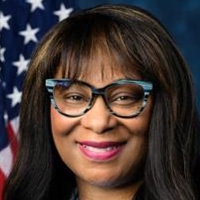
Janelle Bynum
Representative
OR
Janelle Bynum
Representative
OR
The Supporting VA Families Act establishes a supplemental parental leave program for Department of Veterans Affairs employees. This legislation provides eligible staff with four additional administrative weeks of unpaid leave following the birth, adoption, or foster care placement of a child. This benefit is designed to supplement, rather than replace, existing family and medical leave entitlements.
The DETECT Nitazenes Act of 2026 mandates that the Department of Homeland Security enhance its capacity to detect and identify nitazenes at the border.
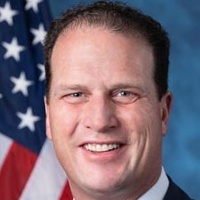
August Pfluger
Representative
TX
August Pfluger
Representative
TX
The DETECT Nitazenes Act of 2026 mandates that the Department of Homeland Security enhance its capabilities to detect and identify nitazenes. By adding these substances to the existing list of controlled threats, the bill aims to strengthen national security efforts against emerging synthetic drug trafficking.
This Act requires the Treasury Department to annually assess and report on the financial risks to the federal government from major fiscal shocks like recessions, disasters, or crises.

Ben Cline
Representative
VA
Ben Cline
Representative
VA
The Fiscal Contingency Preparedness Act mandates that the Treasury Department, in coordination with the OMB, include a new analysis of potential financial risks from major "fiscal shocks" in its annual report. This analysis must assess the short-term and long-term financial impacts of events like recessions, natural disasters, or cyber attacks on the federal government. The Government Accountability Office (GAO) will subsequently review the methodology and findings of this new fiscal assessment.
This Act mandates federal agencies to establish clear guidelines for recognizing special districts as eligible recipients for federal financial assistance.
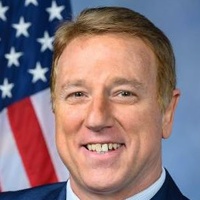
Patrick Fallon
Representative
TX
Patrick Fallon
Representative
TX
The Special District Fairness and Accessibility Act ensures that specialized local government entities, known as special districts, are explicitly recognized as eligible recipients for federal financial assistance. This legislation mandates the Office of Management and Budget (OMB) to issue clear guidance on recognizing these districts for grants and loans. The goal is to standardize how federal agencies distribute financial aid to these essential local service providers.
The Energy Bills Relief Act aims to lower energy costs for families by reversing clean energy rollbacks, expanding assistance programs, streamlining grid upgrades, and increasing transparency in utility regulation.
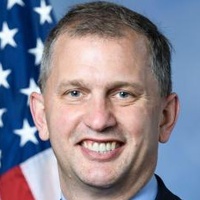
Sean Casten
Representative
IL
Sean Casten
Representative
IL
The Energy Bills Relief Act is a comprehensive bill designed to lower energy costs for American families, accelerate the deployment of low-cost, clean energy, and modernize the nation's electricity grid. It achieves this by reversing harmful policies against renewables, expanding energy assistance programs, streamlining grid connection processes, and increasing transparency in utility regulation. Ultimately, the legislation aims to create a more reliable, affordable, and cleaner energy system while ensuring communities have a stronger voice in energy development.
The Momnibus Act is a comprehensive legislative package designed to improve maternal health outcomes and reduce racial disparities by addressing social determinants, expanding nutritional and mental health support, diversifying the perinatal workforce, and investing in data-driven, community-based care.

Lauren Underwood
Representative
IL
Lauren Underwood
Representative
IL
The Momnibus Act is a comprehensive legislative package designed to end preventable maternal mortality and close racial and ethnic disparities in maternal health outcomes. By addressing social determinants of health, expanding nutritional and mental health support, and investing in a diverse, culturally competent workforce, the bill provides a holistic framework for improving care. Through targeted federal grants, enhanced data collection, and innovative technology, the Act aims to ensure that all pregnant and postpartum individuals receive the equitable, high-quality care they deserve.
This bill exempts H-1B healthcare workers from a $100,000 entry fee to help address workforce shortages.
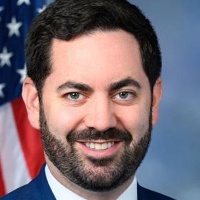
Michael Lawler
Representative
NY
Michael Lawler
Representative
NY
The H-1Bs for Physicians and the Healthcare Workforce Act exempts healthcare workers from a $100,000 entry fee requirement currently imposed on certain H-1B nonimmigrant visa petitions. This legislation aims to remove financial barriers for medical professionals, ensuring they are not subject to fees exceeding standard immigration costs.
This act requires the Director of National Intelligence to provide Congress with a comprehensive assessment of foreign malign influence activities conducted by the Chinese Communist Party outside the United States.
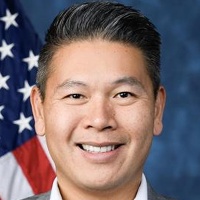
Derek Tran
Representative
CA
Derek Tran
Representative
CA
The Combating Chinese Communist Party Influence Act requires the Director of National Intelligence to produce a comprehensive assessment of the Chinese Communist Party’s foreign malign influence activities across key global regions. This legislation mandates that the intelligence community analyze the impact of these activities on U.S. national security, alliances, and financial systems. The resulting reports will be submitted to Congress to provide greater transparency and oversight regarding these strategic challenges.
This bill reauthorizes and updates the Integrated Coastal and Ocean Observation System Act of 2009 to expand oceanographic research capabilities and authorize $47.5 million in annual funding through 2030.
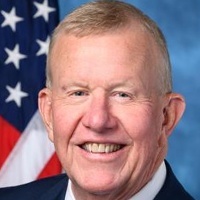
Mike Ezell
Representative
MS
Mike Ezell
Representative
MS
This bill reauthorizes the Integrated Coastal and Ocean Observation System Act of 2009, updating its governing structure and expanding the scope of its oceanographic research and data-sharing capabilities. It also mandates improved collaboration between regional and federal observing systems to enhance data integration. Additionally, the legislation authorizes $47.5 million in annual funding for these initiatives from fiscal years 2026 through 2030.
The Enhanced Iran Sanctions Act of 2025 mandates broad economic and immigration sanctions on foreign individuals, entities, and financial institutions that support Iran’s nuclear, missile, drone, or terrorist activities, while specifically targeting the country's petroleum and petrochemical sectors.
Michael Lawler
Representative
NY
Michael Lawler
Representative
NY
The Enhanced Iran Sanctions Act of 2025 strengthens U.S. policy by imposing mandatory sanctions on foreign persons and financial institutions that support Iran’s nuclear, ballistic missile, drone, and terrorist activities. The bill specifically targets Iran’s petroleum and petrochemical sectors to cut off funding for these malign programs. Additionally, it expands the State Department’s "Rewards for Justice" program to incentivize the reporting of individuals who evade these sanctions.