Legislative Activity
Track Eugene's sponsored bills, co-sponsored legislation, and voting record
This constitutional amendment prohibits immunity from criminal prosecution for federal officials based on their official duties and bars the President from self-pardoning.
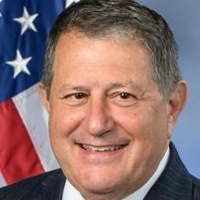
Joseph Morelle
Representative
NY
Joseph Morelle
Representative
NY
This proposed constitutional amendment would eliminate immunity from criminal prosecution for federal officials, including the President, based on their official duties. It also explicitly prohibits the President from issuing a self-pardon for any federal crimes. If ratified, these changes would take effect immediately.
This bill amends the Family and Medical Leave Act to explicitly qualify time taken for an employee's own organ donation surgery as a serious health condition.
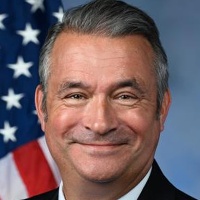
Don Bacon
Representative
NE
Don Bacon
Representative
NE
This bill amends the Family and Medical Leave Act (FMLA) to explicitly clarify that time taken off for an employee's own organ donation surgery qualifies as a serious health condition. This ensures both private and federal sector workers receive FMLA protection for recovery from organ donation. The legislation also specifies how federal employees must substitute existing paid leave when taking FMLA time for this purpose.
The 340B PATIENTS Act of 2025 clarifies that drug manufacturers must provide 340B discounts without imposing restrictions on covered entities' ability to purchase or use those drugs, regardless of dispensing location, and establishes penalties for non-compliance.

Doris Matsui
Representative
CA
Doris Matsui
Representative
CA
The 340B PATIENTS Act of 2025 clarifies and strengthens the existing 340B drug discount program for covered entities like hospitals and clinics. It explicitly prohibits drug manufacturers from placing restrictions on how or where these entities purchase or dispense discounted outpatient drugs, including through contract pharmacies. The bill also establishes significant civil monetary penalties for manufacturers who intentionally violate these non-restriction rules. Ultimately, this legislation aims to ensure that covered entities can fully utilize 340B savings to expand patient care.
The Burma GAP Act establishes U.S. policy to hold the Burmese military accountable for genocide against the Rohingya, appoints a Special Representative, and mandates comprehensive support for the protection, justice, and durable solutions for the Rohingya people.

Gregory Meeks
Representative
NY
Gregory Meeks
Representative
NY
The Burma Genocide Accountability and Protection Act (Burma GAP Act) establishes a comprehensive U.S. policy to address the ongoing atrocities against the Rohingya people in Myanmar. The bill mandates the appointment of a Special Representative for Burma, increases humanitarian and protection support for refugees, and prioritizes accountability for genocide and crimes against humanity. Furthermore, it commits the U.S. to isolating the military junta until civilian rule is restored.
The Frederick Douglass Trafficking Victims Prevention and Protection Reauthorization Act of 2025 enhances efforts to combat human trafficking both domestically and internationally through prevention, survivor support, and strategic use of foreign assistance.
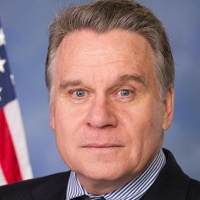
Christopher Smith
Representative
NJ
Christopher Smith
Representative
NJ
The Frederick Douglass Trafficking Victims Prevention and Protection Reauthorization Act of 2025 enhances efforts to combat human trafficking both within the United States and internationally. The act focuses on prevention education, survivor support, and international cooperation, while increasing funding authorizations for key anti-trafficking programs. It prioritizes resources for areas with high trafficking rates, improves data collection, and ensures that foreign assistance aligns with counter-trafficking goals. This legislation aims to protect vulnerable populations, empower survivors, and hold perpetrators accountable.
This Act mandates interim partial payments to small businesses for approved cost increases resulting from government-directed changes to existing construction contracts.
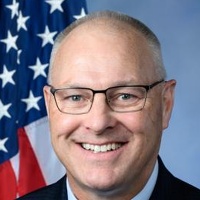
Pete Stauber
Representative
MN
Pete Stauber
Representative
MN
The Small Business Payment for Performance Act of 2025 ensures that small businesses receive prompt interim payments when the government mandates changes to their existing construction contracts. Upon requesting an equitable adjustment for contract modifications, the agency must issue an immediate partial payment covering at least 50% of the estimated additional costs. This legislation also mandates that prime contractors promptly pass these interim funds down to affected subcontractors.
The EACH Act of 2025 mandates that all federally funded health programs and facilities must cover and provide abortion services, while also prohibiting federal interference with private insurance coverage.
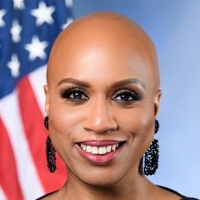
Ayanna Pressley
Representative
MA
Ayanna Pressley
Representative
MA
The EACH Act of 2025 aims to ensure equal access to abortion coverage by requiring all federally funded health programs and facilities to cover abortion services. This legislation prohibits federal interference with state or private insurance coverage of abortion and repeals Section 1303 of the Affordable Care Act. Ultimately, the bill seeks to eliminate financial and insurance barriers to abortion care, particularly for low-income individuals relying on programs like Medicaid.
This Act prohibits insurance companies from discriminating against living organ donors when issuing life, disability, or long-term care policies and mandates the updating of educational materials regarding donation risks and insurance implications.
Don Bacon
Representative
NE
Don Bacon
Representative
NE
The Living Donor Protection Act of 2025 prohibits life, disability, and long-term care insurance companies from denying coverage or increasing premiums solely because an individual is a living organ donor. This legislation ensures that living donors are not financially penalized for their altruistic act. Additionally, the bill requires the Secretary of HHS to update educational materials to accurately reflect the insurance protections afforded to living donors.
This bill mandates the SEC to study, report on, and update its definition of "small entity" to ensure it accurately reflects current market conditions and covers a meaningful number of businesses.
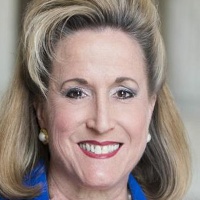
Ann Wagner
Representative
MO
Ann Wagner
Representative
MO
The Small Entity Update Act mandates that the Securities and Exchange Commission (SEC) periodically study and update its definition of "small entity" for regulatory purposes. This process requires the SEC to report findings and recommendations to Congress to ensure the definition aligns with market growth and covers a meaningful number of businesses. Following these studies, the SEC must revise its rules and periodically adjust any associated dollar thresholds for inflation.
The SUPPLY Act establishes a new HUD insurance program for second mortgages used to finance the construction of accessory dwelling units (ADUs) and directs Fannie Mae and Freddie Mac to purchase and securitize those insured loans.
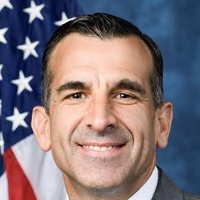
Sam Liccardo
Representative
CA
Sam Liccardo
Representative
CA
The Supporting Upgraded Property Projects and Lending for Yards (SUPPLY) Act establishes a new federal insurance program, managed by HUD, to specifically back second mortgages used for financing the construction of Accessory Dwelling Units (ADUs). This legislation also directs the FHFA to allow Fannie Mae and Freddie Mac to purchase and securitize these newly insured ADU construction loans, subject to risk oversight. The goal is to increase the availability of financing for property owners looking to add secondary housing units.
The BEACON Act establishes an independent Inspector General office within the Executive Office of the President while outlining specific conditions under which the President retains control over sensitive investigations.

Rosa DeLauro
Representative
CT
Rosa DeLauro
Representative
CT
The BEACON Act establishes a new Office of Inspector General (IG) within the Executive Office of the President (EOP) to provide oversight. This EOP IG will operate under the President's direction regarding highly sensitive matters like intelligence or confidential sources. The bill also mandates new, detailed reporting requirements for the EOP IG, including certification of full access to information and reporting on any presidential limitations on investigations.
This Act mandates that the Energy Information Administration (EIA) begin collecting and reporting detailed data on the feedstock, production, and imports of sustainable aviation fuel (SAF).
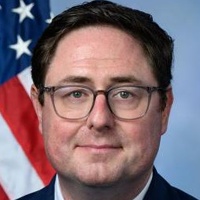
Mike Flood
Representative
NE
Mike Flood
Representative
NE
The Sustainable Aviation Fuel Information Act mandates that the Energy Information Administration (EIA) begin collecting and reporting detailed data on sustainable aviation fuel (SAF). This new reporting will cover the feedstock sources, production volumes by state, and import statistics for SAF. The goal is to provide transparent, accurate information on the growing sustainable aviation fuel supply chain.
Dillon's Law updates federal guidelines to grant preference points to states that allow any trained personnel, not just school employees, to administer epinephrine delivery systems in schools.
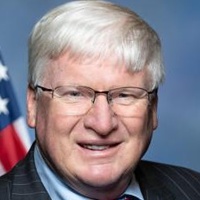
Glenn Grothman
Representative
WI
Glenn Grothman
Representative
WI
Dillon's Law amends federal guidelines to grant preference points to states that allow trained, non-school personnel to administer epinephrine in schools. This change broadens the definition of who can provide life-saving medication beyond just school employees. The law also updates terminology to cover a wider range of epinephrine delivery systems.
This bill directs the Government Accountability Office to report on the effectiveness of current systems for military and overseas voting and to study ways to improve voter registration assistance for service members and their families.
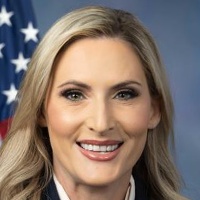
Laurel Lee
Representative
FL
Laurel Lee
Representative
FL
The Supporting Military Voters Act mandates that the Government Accountability Office (GAO) conduct a comprehensive review of how effectively the government supports voting access for absent uniformed services members and their families. This review will analyze current ballot delivery and counting processes under existing law. Furthermore, the GAO must study actionable steps the military departments can take to improve voter registration assistance for service members. The final report detailing these findings and recommendations is due by September 30, 2027.
This bill allows tax-exempt small nonprofit employers to claim retirement plan startup and auto-enrollment tax credits against their payroll taxes.

Vern Buchanan
Representative
FL
Vern Buchanan
Representative
FL
The Small Nonprofit Retirement Security Act of 2025 allows tax-exempt nonprofit organizations to claim valuable federal retirement plan startup and auto-enrollment tax credits. Instead of receiving a refund, eligible nonprofits can apply these credits directly against their required payroll tax obligations. This measure aims to encourage small tax-exempt employers to establish retirement plans for their employees.
This bill mandates the creation and sale of a special USPS postage stamp, the Veterans Health Care Stamp, with all proceeds dedicated to funding veterans' medical care.
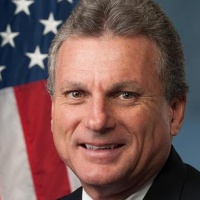
Earl Carter
Representative
GA
Earl Carter
Representative
GA
The Veterans Health Care Stamp Act mandates the U.S. Postal Service to create and sell a special postage stamp dedicated to funding veteran medical care. All proceeds from the sale of this stamp must be directly transferred to the Department of Veterans Affairs for veteran treatment. The stamp will be made available for purchase annually around Veterans Day.
This Act mandates that electronic communication and remote computing service providers must report actual knowledge of illegal online activity involving fentanyl, methamphetamine, or counterfeit prescription drugs to the Attorney General within 60 days.
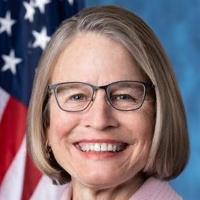
Mariannette Miller-Meeks
Representative
IA
Mariannette Miller-Meeks
Representative
IA
The Cooper Davis and Devin Norring Act mandates that electronic communication and remote computing service providers must report to the Attorney General within 60 days upon gaining actual knowledge of illegal activity involving fentanyl, methamphetamine, or counterfeit prescription drugs. This legislation outlines specific reporting requirements, penalties for non-compliance, and privacy protections that limit monitoring and data retention. The Act also requires the Attorney General to issue an annual public report detailing the statistics of these reports.
The NOPAIN for Veterans Act mandates the Department of Veterans Affairs to promptly add specific non-opioid pain medications to its National Formulary.
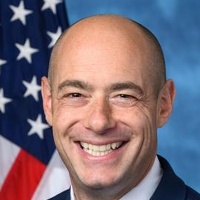
Greg Landsman
Representative
OH
Greg Landsman
Representative
OH
The NOPAIN for Veterans Act mandates that the Department of Veterans Affairs (VA) must promptly add specific, FDA-approved non-opioid pain medications to its National Formulary. This ensures veterans have access to alternative pain management options that do not rely on opioids. The VA is required to implement these changes within 90 days of the Act becoming law.
This act enhances protections for Medicare beneficiaries receiving orthotic and prosthetic care by ensuring required training accompanies direct shipments and expanding exemptions within competitive acquisition programs.
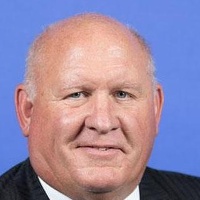
Glenn Thompson
Representative
PA
Glenn Thompson
Representative
PA
The Medicare Orthotics and Prosthetics Patient-Centered Care Act aims to enhance protections for Medicare beneficiaries receiving custom braces and artificial limbs. This bill ensures that payment will not be made for certain devices shipped directly to a patient without required training from a qualified practitioner. Additionally, it expands exemptions from competitive bidding for certain providers and clarifies access to replacement custom orthotic devices.
This act mandates the FDA to study the human health impacts of microplastic exposure through food and water and report recommendations to Congress.
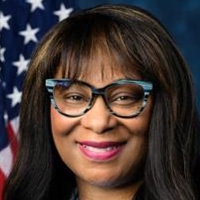
Janelle Bynum
Representative
OR
Janelle Bynum
Representative
OR
The Microplastics Safety Act mandates the FDA to conduct a comprehensive study on the human health impacts of microplastic exposure through food and water. This research must specifically investigate risks to children's health, endocrine function, cancer, and reproduction. Following the study, the FDA is required to report its findings and recommend necessary legislative or regulatory actions to Congress.