This bill establishes international exchange programs, funded by excess foreign currencies, to develop a skilled U.S. workforce and foster cooperation in the critical mineral mining sector.
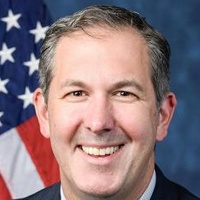
Johnny Olszewski
Representative
MD-2
The Critical Mineral Mining Education Act of 2026 establishes programs within the Department of State to address critical mineral workforce shortages through international exchange. It creates fellowship opportunities for U.S. students to study mining abroad and for foreign scholars to teach and collaborate at U.S. institutions. These initiatives aim to strengthen the domestic mining industry by developing a skilled workforce and fostering global cooperation. Funding will be provided through excess foreign currencies and specific appropriations authorized through fiscal year 2035.
New Mining Education Act Launches $10M Global Exchange to Solve US Critical Mineral Workforce Shortage
If you’ve heard the term “critical minerals” lately, you know they’re the building blocks for everything from electric car batteries to fighter jets. The problem? The U.S. doesn’t have nearly enough people trained to mine and process them. The Critical Mineral Mining Education Act of 2026 is the government’s answer, creating a new international exchange program run by the Department of State to quickly inject expertise into the domestic mining industry.
This bill establishes two new programs under the umbrella of the existing Fulbright exchange: the Critical Mineral Mining Fellowship and the Visiting Mining Scholars Program. The goal is straightforward: address the finding that half of the current U.S. mining workforce is expected to retire within five years, leaving a massive skills gap. To fund this, the bill authorizes the use of excess foreign currencies—money the U.S. government holds abroad—and authorizes a direct appropriation of $10 million annually from 2026 through 2035 (SEC. 7).
The Global Hunt for Mining Talent
The State Department is essentially setting up a two-way global talent pipeline. The Critical Mineral Mining Fellowship Program (SEC. 4) will send U.S. students and post-docs abroad to attend foreign universities with top mining programs, particularly those in countries that are members of the Minerals Security Partnership. Think of it as a specialized, funded study abroad program where the coursework focuses on filling U.S. industry needs. The catch for these fellows? They must demonstrate an intent to seek employment in the U.S. mining profession upon completion.
Simultaneously, the Visiting Mining Scholars Program (SEC. 5) will bring foreign mining academics and professionals to the U.S. to consult on curriculum, teach, and help build out mining education programs at U.S. colleges. This is crucial because, according to the bill’s findings (SEC. 2), only 14 U.S. universities had mining programs in 2023. For a U.S. university to host a scholar, they must show a commitment to develop or expand their mining programs and have a plan to sustain them after the scholar leaves.
Who Benefits, and What’s the Catch?
The primary beneficiaries here are the U.S. critical mineral mining industry and the students who get a fully funded, specialized advanced degree. For taxpayers, the bill authorizes up to $100 million over ten years, which is a dedicated investment aimed at reducing reliance on foreign supply chains. The idea is that this investment pays off in national security and economic independence.
However, there are a few provisions that deserve a second look. First, the bill gives the Secretary of State significant power to define what counts as a “critical mineral.” The definition already includes the standard list but also gold, copper, and “any other mineral the Secretary of State determines is essential to U.S. economic or national security and has a vulnerable supply chain” (SEC. 3). This broad authority means the program’s focus could shift depending on geopolitical needs, potentially benefiting sectors beyond the immediate critical mineral supply chain.
Second, the requirement for U.S. fellows to seek employment in the U.S. mining profession is key to the program’s success. If the State Department doesn't rigorously track and enforce this employment intent, the program risks becoming a subsidized international degree for smart people who might end up working elsewhere. This is the central bargain: the government pays for your expertise, and you commit that expertise to the domestic workforce.
In short, this bill is a strategic play to fill a massive skills gap using diplomatic and educational tools. It leverages international partnerships and federal funding to train a new generation of miners, processors, and engineers, aiming to make the U.S. less reliant on other countries for the materials that power modern life.