Legislative Activity
Track Gabriel's sponsored bills, co-sponsored legislation, and voting record
This act prohibits federal officials and employees from trading prediction market contracts while possessing material nonpublic government information.
Ritchie Torres
Representative
NY
Ritchie Torres
Representative
NY
The Public Integrity in Financial Prediction Markets Act of 2026 prohibits federal officials and employees from trading in prediction market contracts while possessing material, nonpublic government information. This ban specifically targets transactions related to government policy, actions, or political outcomes. The goal is to prevent insider trading within these emerging financial markets by those with privileged access to government knowledge.
This act reforms the requirements and procedures for determining and maintaining duty status.
Gilbert Cisneros
Representative
CA
Gilbert Cisneros
Representative
CA
The Duty Status Reform Act aims to modernize and streamline the process for determining and managing duty status for federal employees. This legislation seeks to clarify existing regulations and ensure fair and consistent application of duty status rules across government agencies.
This act establishes a 180-day "first look" period granting qualified homebuyers and organizations exclusive early access to purchase certain government-owned single-family properties before they can be sold to institutional investors.
Pat Harrigan
Representative
NC
Pat Harrigan
Representative
NC
The Families First Housing Act of 2026 establishes an 180-day "first look" period for certain homebuyers and organizations to purchase government-owned single-family properties before they can be sold to institutional investors. This mandates that federal housing entities offer eligible properties at fair market value exclusively to qualified primary residents, nonprofits, or local governments during this initial period. The Act also requires public listing, reporting on sales, and imposes penalties for non-compliance.
This bill establishes an expedited parole program for certain immediate family members of current and former U.S. Armed Forces members.
Gilbert Cisneros
Representative
CA
Gilbert Cisneros
Representative
CA
The PROTECT Military Families Act establishes a new parole program to allow certain immediate family members of U.S. service members and veterans to enter the United States. This program specifically targets spouses, widows/widowers, parents, and children of active duty or honorably discharged military personnel. Parole decisions require joint approval from the Secretaries of Homeland Security, Defense, and Veterans Affairs for any denial.
This bill establishes a grant program through HUD to help state, territory, and tribal governments create and maintain offices dedicated to developing resilience frameworks and implementing strategies against extreme weather and other community challenges.
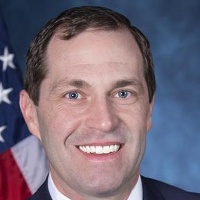
Jason Crow
Representative
CO
Jason Crow
Representative
CO
The Championing Local Efforts to Advance Resilience Act of 2025 (CLEAR Act of 2025) establishes a grant program to help state, territory, and tribal governments create and maintain offices focused on community resilience. These offices will develop frameworks to identify risks from extreme weather and other challenges, and implement programs to address them. The bill authorizes $100 million annually through 2030, prioritizing assistance for communities with the greatest need.
The Essential Caregivers Act of 2025 guarantees nursing home and long-term care residents the right to designate an essential caregiver who maintains access to them even during public health emergencies.
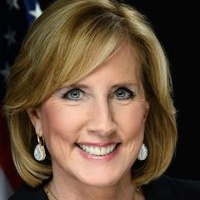
Claudia Tenney
Representative
NY
Claudia Tenney
Representative
NY
The Essential Caregivers Act of 2025 protects the rights of residents in long-term care facilities to designate an essential caregiver who can provide support and companionship. This legislation ensures that these caregivers maintain in-person access to residents even during public health emergencies when general visitation is restricted. By establishing clear protocols and an appeals process, the bill aims to prevent the harmful effects of isolation and ensure residents continue to receive vital care and advocacy.
This bill authorizes Congress to award Congressional Gold Medals to the 1980 U.S. Men's Olympic Ice Hockey team for their historic "Miracle on Ice" victory.
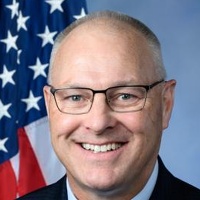
Pete Stauber
Representative
MN
Pete Stauber
Representative
MN
This bill, the Miracle on Ice Congressional Gold Medal Act, officially authorizes Congress to award Congressional Gold Medals to the 1980 U.S. Men's Olympic Ice Hockey Team for their historic "Miracle on Ice" victory. The medals will be struck by the Treasury and permanently displayed at specific national sports museums. The Act also permits the sale of duplicate bronze medals to cover production costs.
This Act mandates that vehicle manufacturers provide owners and independent repair shops with the necessary tools, documentation, and standardized testing protocols to service and verify the functionality of Advanced Driver Assistance Systems (ADAS).
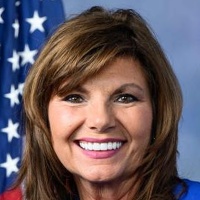
Diana Harshbarger
Representative
TN
Diana Harshbarger
Representative
TN
The ADAS Functionality and Integrity Act mandates that vehicle manufacturers provide owners and independent repair shops with necessary tools, documentation, and software to service advanced driver assistance systems (ADAS). It directs the Secretary of Transportation to establish standardized testing protocols to validate ADAS performance after any repair or modification. Furthermore, the bill requires the development of guidelines to ensure ADAS functionality is maintained following vehicle customizations, such as changes to ride height or tires.
This act nullifies a recent Executive Order regarding federal labor relations and ensures existing collective bargaining agreements remain in effect.
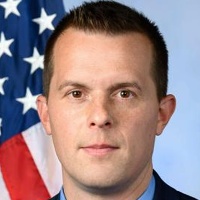
Jared Golden
Representative
ME
Jared Golden
Representative
ME
The Protect America's Workforce Act nullifies a specific Executive Order issued in March 2025 concerning exclusions from federal labor-management relations programs. This legislation ensures that any existing collective bargaining agreements between federal agencies and employee unions remain fully in effect until their stated expiration dates. The Act also prohibits the use of federal funds to implement the overturned Executive Order.
The CARE for First Responders Act expands crisis counseling and establishes specialized mental health services and mobile crisis grants for emergency responders and public safety telecommunicators following major disasters.
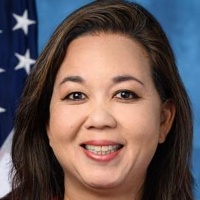
Jill Tokuda
Representative
HI
Jill Tokuda
Representative
HI
The CARE for First Responders Act expands crisis counseling assistance to include emergency responders and public safety telecommunicators following major disasters. The bill establishes a comprehensive mental health program providing 24/7 confidential support, including a dedicated hotline and peer counseling. Additionally, it creates a grant program to fund mobile crisis units offering on-site mental health services to first responders during disaster response.
This bill establishes a National Strategy for Combating Scams, led by the FBI, to coordinate federal efforts, define scams, and improve prevention and victim recovery.
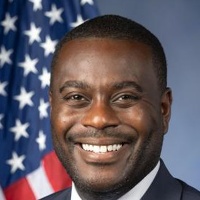
Gabe Amo
Representative
RI
Gabe Amo
Representative
RI
This bill establishes the **National Strategy for Combating Scams Act of 2025** to address the massive financial and personal toll of scams, which are increasingly utilizing advanced technology like AI. It mandates the FBI to form a working group with numerous federal agencies to develop a comprehensive, coordinated national strategy. This strategy will define "scam," evaluate risks, improve federal coordination, and outline plans for prevention, victim recovery, and international cooperation.
The HELP Copays Act mandates that financial assistance from non-profits and drug manufacturers must count toward a patient's deductible, copay, and out-of-pocket maximum for prescription drugs.
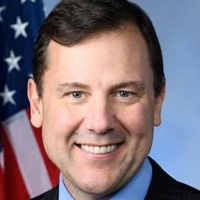
Thomas Kean
Representative
NJ
Thomas Kean
Representative
NJ
The HELP Copays Act requires that financial assistance provided by non-profit organizations and drug manufacturers must count toward a patient's deductible, copayments, and out-of-pocket maximums for prescription drugs. This change ensures that patient assistance dollars directly reduce the amount a patient must pay before their coverage fully kicks in. The legislation specifically applies to specialty drugs and those subject to utilization management. These provisions will take effect for plan years beginning on or after January 1, 2026.
This resolution condemns the Iranian government's systematic persecution of the Baha'i minority and calls for the immediate release of imprisoned Baha'is and the imposition of sanctions on responsible officials.

Janice Schakowsky
Representative
IL
Janice Schakowsky
Representative
IL
This resolution strongly condemns the Iranian government for its ongoing, state-sponsored persecution of the Baha'i religious minority, which violates international human rights laws. It documents systematic abuses, including economic restrictions, denial of education, and arbitrary arrests, noting that these actions may constitute a crime against humanity. The resolution calls on Iran to immediately release all imprisoned Bahais and urges the U.S. President and Secretary of State to condemn these violations and impose sanctions on responsible officials.
The Mikaela Naylon Give Kids a Chance Act primarily focuses on enhancing pediatric drug research, ensuring completion of pediatric study requirements, extending incentives for rare pediatric disease treatments, and making targeted updates to FDA and organ transplant network operations.
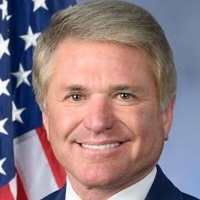
Michael McCaul
Representative
TX
Michael McCaul
Representative
TX
The Mikaela Naylon Give Kids a Chance Act focuses primarily on improving pediatric drug development and ensuring patient access to necessary treatments. This legislation mandates new research requirements for molecularly targeted pediatric cancer drugs, strengthens FDA enforcement of pediatric study completion, and extends incentives for developing drugs for rare pediatric diseases. Additionally, the bill updates organ transplant network functions and establishes an Abraham Accords Office within the FDA to enhance international regulatory cooperation.
This Act establishes the Floodplain Enhancement and Recovery Act to promote ecosystem restoration projects by exempting them from certain map change fees and streamlining approval processes within regulatory floodways.
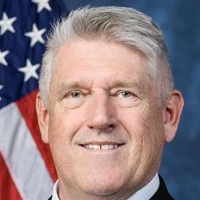
Troy Downing
Representative
MT
Troy Downing
Representative
MT
The Floodplain Enhancement and Recovery Act aims to promote ecosystem restoration projects in floodplains by streamlining regulatory processes. This bill exempts such projects from certain map change fees and allows for conditional approval within regulatory floodways under specific engineering and safety criteria. Ultimately, it directs FEMA to issue guidance to facilitate these beneficial restoration efforts.
The PLAY Act establishes an interagency task force to improve coordination and develop recommendations for enhancing child wellness infrastructure, focusing on safe and accessible play and outdoor spaces.
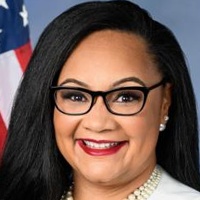
Nikema Williams
Representative
GA
Nikema Williams
Representative
GA
The PLAY Act establishes the Prioritizing Lifestyle and Activity for Youth Act to recognize playgrounds and green spaces as vital public health infrastructure for children's development and well-being. The bill creates an Interagency Task Force on Child Wellness and Physical Activity Infrastructure to improve coordination across federal agencies. This Task Force will identify barriers to access and develop recommendations for building evidence-based play environments that promote health and community resilience.
This act establishes a national mental health awareness campaign, funds studies on the mental health crisis and workforce shortages, and seeks to improve mental health outcomes for Latino youth.
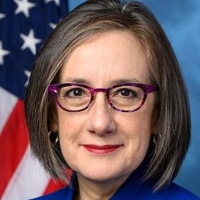
Andrea Salinas
Representative
OR
Andrea Salinas
Representative
OR
The Latino Youth Mental Health Empowerment Act aims to address the significant mental health challenges faced by Hispanic and Latino youth. It establishes a national, culturally competent awareness and outreach campaign to reduce stigma and increase access to care. Furthermore, the bill mandates comprehensive studies to better understand the scope of the youth mental health crisis and the shortage of Latino mental health professionals.
This act mandates Medicare coverage for FDA-approved early detection screening tests for Alzheimer's disease and related dementias beginning in 2028.
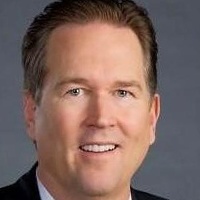
Vern Buchanan
Representative
FL
Vern Buchanan
Representative
FL
The Alzheimer’s Screening and Prevention Act of 2025 (ASAP Act) amends Medicare to cover early detection screening tests for Alzheimer's disease and related dementias starting in 2028. This coverage applies to FDA-cleared tests, including genomic sequencing and other equivalent diagnostic methods, designed to detect pre-symptomatic or early-stage conditions. The bill ensures these screenings are added to the list of covered medical services under Medicare.
This resolution supports the goals of National Rural Health Day by recognizing the vital role of rural communities and committing to policies that improve rural healthcare access and affordability.
Diana Harshbarger
Representative
TN
Diana Harshbarger
Representative
TN
This resolution officially recognizes and supports the goals of National Rural Health Day to honor the vital role of rural communities and their healthcare providers. It acknowledges the unique challenges faced by rural residents, such as limited access to care and hospital closures. The bill expresses a commitment to advancing policies that improve the accessibility and affordability of healthcare in rural America.
This act repeals specific sections of a prior reconciliation act to restore previous laws affecting American families and farmers.
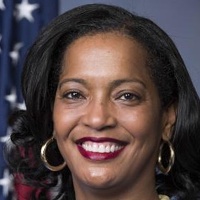
Jahana Hayes
Representative
CT
Jahana Hayes
Representative
CT
The Restoring Food Security for American Families and Farmers Act of 2025 aims to strengthen domestic food security by repealing specific sections of a prior reconciliation act. This action effectively revives the original laws that were previously amended by the repealed provisions. The bill seeks to revert existing agricultural and food-related statutes to their pre-amendment status.