Legislative Activity
Track Derrick's sponsored bills, co-sponsored legislation, and voting record
This act permanently establishes a 7-year recovery period for the depreciation of motorsports entertainment complexes for tax purposes.

Claudia Tenney
Representative
NY
Claudia Tenney
Representative
NY
The Motorsports Fairness and Permanency Act of 2025 makes permanent a significant tax benefit for motorsports entertainment complexes. This legislation ensures these large venues can continue to use an accelerated 7-year recovery period for depreciating their building costs. By removing the previous expiration date, the Act provides long-term financial certainty for the industry.
This bill eliminates the authority for states to set their own emission standards for nonroad engines and vehicles and repeals the provision allowing states to adopt California's new motor vehicle emission standards.
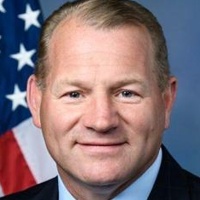
Troy Nehls
Representative
TX
Troy Nehls
Representative
TX
The Stop CARB Act of 2025 centralizes federal control over emission standards for nonroad engines and vehicles, immediately revoking any state authority or existing waivers to set stricter rules. This bill specifically prohibits states from creating or enforcing their own emission standards for equipment like construction and farm machinery. Furthermore, it repeals the provision of the Clean Air Act that allowed other states to adopt California's stricter new motor vehicle emission standards.
This bill aligns the Veterans Health Administration's standards for Certified Registered Nurse Anesthetists with the Defense Health Agency's, establishes new certification and direct patient care requirements for all anesthesia providers, and mandates an annual GAO report comparing the cost-effectiveness of different anesthesia delivery models.

Lauren Underwood
Representative
IL
Lauren Underwood
Representative
IL
The Ensuring Veterans Timely Access to Anesthesia Care Act of 2025 aims to align the practice standards for Certified Registered Nurse Anesthetists (CRNAs) within the Veterans Health Administration (VHA) with those of the Defense Health Agency, recognizing them as licensed independent practitioners. The bill also establishes new certification and minimum direct patient care requirements for all anesthesia providers in the VA system. Finally, it mandates an annual public report from the GAO comparing the cost-effectiveness of different anesthesia delivery models within the VHA.
This bill adjusts the effective date for reducing or stopping certain VA benefits following a divorce or the death of a dependent, ensuring recipients receive benefits for the entire month the event occurs.
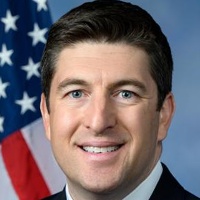
Bryan Steil
Representative
WI
Bryan Steil
Representative
WI
The Survivor Benefits Fairness Act adjusts the effective date for reducing or stopping certain VA benefits, like compensation or pension, when a veteran's marriage ends or a dependent dies. Under this bill, benefit reductions will now take effect at the end of the month the event occurs, rather than the end of the preceding month. This change ensures veterans and survivors receive benefits for the entire month in which the qualifying event takes place.
This bill extends the Medicare ground ambulance payment pilot program through 2028 to ensure continued patient access to these essential medical services.
Claudia Tenney
Representative
NY
Claudia Tenney
Representative
NY
The Protecting Access to Ground Ambulance Medical Services Act of 2025 extends the current Medicare payment structure for ground ambulance services. This change ensures continuity in how these vital services are reimbursed under existing rules. Specifically, the temporary payment pilot program is extended through 2028, preventing an immediate change in payment policy.
The Air America Act of 2025 authorizes one-time monetary awards to former Air America employees or their survivors for service supporting the CIA between 1950 and 1976.
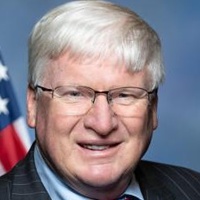
Glenn Grothman
Representative
WI
Glenn Grothman
Representative
WI
The Air America Act of 2025 recognizes the sacrifices of former Air America employees who served the U.S. Government between 1950 and 1976. This Act authorizes a one-time monetary award, up to $40,000 plus potential additional amounts, for qualifying service members or their survivors. The CIA Director is responsible for administering these payments, which are capped at a total of $60 million, and establishing the application procedures. Decisions made by the Director regarding these awards are final and not subject to judicial review.
This bill establishes a new process for taxpayers to receive refunds for previously paid federal excise tax on certain indelibly dyed fuels that were actually exempt from the tax.
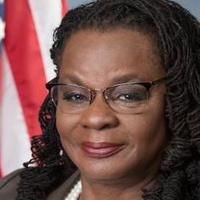
Gwen Moore
Representative
WI
Gwen Moore
Representative
WI
This bill amends the Internal Revenue Code to establish a new process for taxpayers to receive refunds for taxes previously paid on certain indelibly dyed fuels that are actually exempt from that tax. Specifically, it adds a new section allowing the Secretary to repay the tax paid on eligible dyed diesel fuel or kerosene that qualified for an exemption under existing law. These provisions apply to fuel removed from a terminal 180 days after the Act is enacted.
The Safe Routes Act of 2025 exempts certain logging trucks hauling raw forest products from federal vehicle weight limits within a 150-air-mile radius, provided they adhere to existing state weight tolerances.
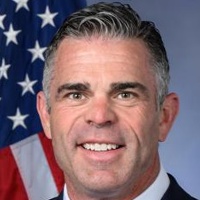
Tony Wied
Representative
WI
Tony Wied
Representative
WI
The Safe Routes Act of 2025 grants the Secretary the authority to waive federal vehicle weight limits for covered logging vehicles transporting raw forest products. This exemption applies only when these trucks operate within 150 air miles on the Interstate system and adhere to existing state-level weight tolerances for such materials. Essentially, the bill allows logging trucks to operate under established state rules rather than stricter federal limits for short hauls.
The Deliver for Democracy Act ties the Postal Service's ability to raise periodical rates to meeting specific on-time delivery performance targets and mandates annual reporting and a GAO study on USPS pricing strategies.
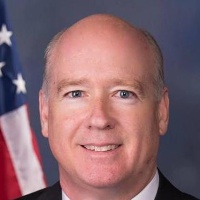
Robert Aderholt
Representative
AL
Robert Aderholt
Representative
AL
The Deliver for Democracy Act ties the Postal Service's ability to raise rates for periodicals to meeting specific on-time delivery performance targets. It mandates annual public reporting on newspaper delivery performance, requiring the Postmaster General to detail service metrics. Furthermore, the bill directs the GAO to study and report on strategies the USPS could use to improve the financial standing of underperforming mail products.
This act officially designates Postal Service police officers as federal agents with authority over Postal Service property and establishes penalties for violating property rules set by the Postmaster General.
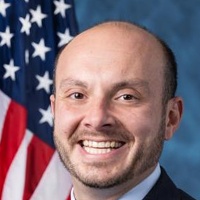
Andrew Garbarino
Representative
NY
Andrew Garbarino
Representative
NY
The Postal Police Reform Act of 2025 officially designates Postal Service police officers as federal law enforcement agents under Title 18 of the U.S. Code. This legislation grants the Postmaster General the authority to establish and enforce rules for protecting Postal Service property. Violations of these new rules may result in federal fines or imprisonment up to 30 days.
The Major Richard Star Act ensures that military retirees with combat-related disabilities can concurrently receive their full military retirement pay and VA disability compensation without reduction.

Gus Bilirakis
Representative
FL
Gus Bilirakis
Representative
FL
The Major Richard Star Act ensures that military retirees with combat-related disabilities can receive both their military retirement pay and VA disability compensation concurrently without reduction. This law removes previous restrictions that caused military retirement pay to be offset by VA disability payments for these specific cases. The changes take effect on the first day of the month following the Act's enactment.
This bill grants U.S. Armed Forces members serving in Kenya, Mali, Burkina Faso, and Chad the same tax benefits as those serving in designated combat zones.
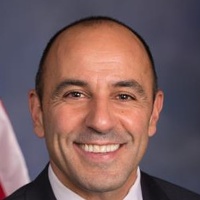
Jimmy Panetta
Representative
CA
Jimmy Panetta
Representative
CA
This bill extends combat zone tax benefits to members of the Armed Forces serving in Kenya, Mali, Burkina Faso, and Chad. It treats these locations as "qualified hazardous duty areas" for tax purposes, applying the same favorable rules used for official combat zones. This change impacts filing deadlines, income exclusions, and tax liability for service members in these specific regions.
This Act eliminates the waiting periods for Social Security disability benefits and Medicare coverage for individuals diagnosed with metastatic breast cancer.
Andrew Garbarino
Representative
NY
Andrew Garbarino
Representative
NY
The Metastatic Breast Cancer Access to Care Act aims to improve support for individuals diagnosed with metastatic breast cancer. This bill eliminates the standard waiting period for receiving Social Security disability insurance benefits and waives the 24-month waiting period for Medicare coverage. These changes ensure immediate access to crucial financial and healthcare support upon diagnosis.
This bill allows investors to defer taxes on capital gain dividends from mutual funds when those dividends are automatically reinvested until the shares are sold or the investor passes away.
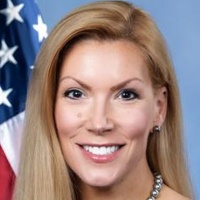
Beth Van Duyne
Representative
TX
Beth Van Duyne
Representative
TX
This bill, the Generating Retirement Ownership through Long-Term Holding Act, allows individual investors to defer paying taxes on capital gain dividends from mutual funds if those dividends are automatically reinvested into more fund shares. Taxes on these deferred gains are only due when the investor sells the shares or upon death. This provision aims to encourage long-term investment in mutual funds by providing immediate tax relief on reinvested earnings.
This bill directs Congress to award a Congressional Gold Medal to honor the service of the Red Cross "Donut Dollies" who provided recreation and morale support to U.S. troops during the Vietnam War.
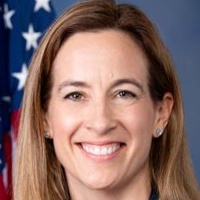
Mikie Sherrill
Representative
NJ
Mikie Sherrill
Representative
NJ
This bill, the Donut Dollies Congressional Gold Medal Act, directs the striking of a Congressional Gold Medal to honor the American Red Cross volunteers who served in the Supplemental Recreation Activities Overseas (SRAO) program during the Vietnam War. These volunteers, known as "Donut Dollies," provided crucial morale support to troops on the front lines. The original medal will be presented on behalf of Congress and ultimately housed at the Smithsonian Institution, with provisions made for selling bronze duplicates.
This Act converts Transportation Security Administration (TSA) personnel to standard federal employment rules under Title 5, establishes transition protections, mandates workforce reviews, and addresses labor relations and employee safety.
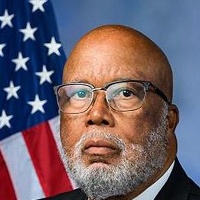
Bennie Thompson
Representative
MS
Bennie Thompson
Representative
MS
The Rights for the Transportation Security Administration Workforce Act transitions TSA personnel to standard federal employment rules under Title 5 of the U.S. Code by a set date no later than December 31, 2025. This mandates the freezing of current personnel policies during the transition while protecting current employee pay and benefits. The bill also requires extensive reviews by the Comptroller General on hiring, diversity, and workplace safety, and mandates consultation with employee representatives regarding labor relations. Finally, it ensures that screening agents retain collective bargaining rights and addresses specific concerns for Federal Air Marshals.
This act allows State homes caring for veterans to choose between direct reimbursement or direct furnishing of high-cost medications.
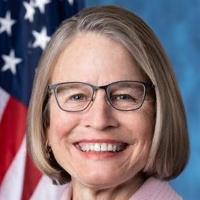
Mariannette Miller-Meeks
Representative
IA
Mariannette Miller-Meeks
Representative
IA
The Providing Veterans Essential Medications Act allows State homes caring for veterans to choose how they receive reimbursement for very high-cost medications. State homes can opt to be reimbursed directly for the medication's cost or have the Secretary of the VA furnish the drug directly. This provision applies only when the cost of a specific medication exceeds a defined threshold relative to the standard monthly payment for that veteran's care.
This bill supports the stepped-up basis, which helps family farms and small businesses pass on their operations to the next generation without facing higher taxes.
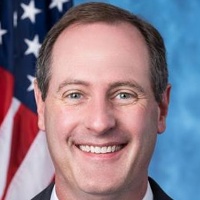
Tracey Mann
Representative
KS
Tracey Mann
Representative
KS
This bill expresses the House of Representatives' support for maintaining the stepped-up basis under section 1014 of the Internal Revenue Code, which allows inherited assets to be adjusted to their current market value, protecting family-owned farms and small businesses from increased taxes. It opposes any changes to the tax code that would negatively impact the ability of these businesses to pass their operations on to the next generation. The bill recognizes the importance of generational transfers for the continuation of family farms, ranches, agribusinesses, and small businesses.
This Act expands federal funding flexibility and increases the federal share for highway safety projects specifically designed to protect pedestrians and bicyclists.
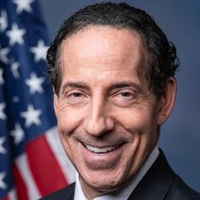
Jamie Raskin
Representative
MD
Jamie Raskin
Representative
MD
The Sarah Debbink Langenkamp Active Transportation Safety Act updates the Highway Safety Improvement Program to prioritize safety for pedestrians and cyclists. This bill allows federal funding to cover up to 100% of the cost for projects that connect existing bike/pedestrian infrastructure or reduce risks for vulnerable road users. It also provides flexibility for states to use existing safety funds as matching money for these specific upgrades.
This bill censures Representative Al Green for disrupting the President's address to Congress and requires him to receive a formal reprimand before the House.
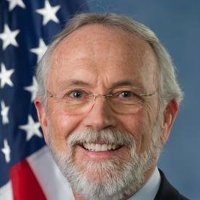
Dan Newhouse
Representative
WA
Dan Newhouse
Representative
WA
This bill censures Representative Al Green of Texas for disrupting the President's address to Congress on March 4, 2025. It condemns his actions and orders him to appear before the House of Representatives to receive a formal reprimand. During this time the Speaker of the House will publicly read the resolution of censure.