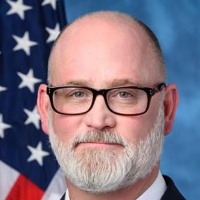
Legislative Activity
Track Derrick's sponsored bills, co-sponsored legislation, and voting record
This bill increases the annual stipend for educational costs for veterans under the Post-9/11 Educational Assistance Program and adjusts it annually for inflation.
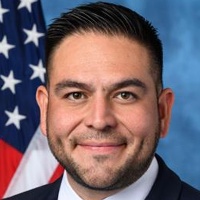
Gabriel (Gabe) Vasquez
Representative
NM
Gabriel (Gabe) Vasquez
Representative
NM
The Veteran Education Assistance Adjustment Act increases the annual stipend for books, supplies, and equipment for veterans under the Post-9/11 Educational Assistance Program from $1,000 to $1,400. Beginning in 2026, this stipend will be subject to annual increases based on the Consumer Price Index.
This bill ensures that U.S. Border Patrol agents and Customs and Border Protection officers are paid during any government shutdown in fiscal year 2025.
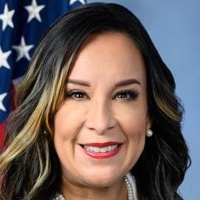
Mónica De La Cruz
Representative
TX
Mónica De La Cruz
Representative
TX
The "Pay Our Border Patrol and Customs Agents Act of 2025" ensures that U.S. Border Patrol agents and Customs and Border Protection officers are paid during any government shutdown in fiscal year 2025. The bill appropriates the necessary funds to cover the salaries and expenses of these essential employees, guaranteeing they continue to receive paychecks even when the government is shut down.
This Act requires the Department of Defense to seek stricter stormwater discharge permits mandating quarterly PFAS testing and cleanup actions at its facilities, dedicating at least 1% of annual PFAS cleanup funds to this testing.
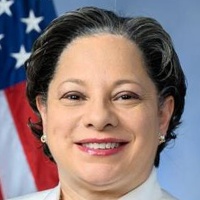
Jennifer McClellan
Representative
VA
Jennifer McClellan
Representative
VA
This Act mandates that the Department of Defense (DoD) immediately seek to update its stormwater discharge permits to require quarterly testing for PFAS chemicals at all facilities. Furthermore, the DoD must implement necessary cleanup measures to reduce these discharges. At least one percent of annual PFAS cleanup funding must be dedicated specifically to this required stormwater testing.
This act eliminates the requirement for certain service members to repay their contributions toward Post-9/11 Educational Assistance benefits if they do not complete their full service commitment, effective August 1, 2025.
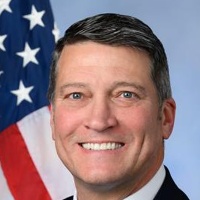
Ronny Jackson
Representative
TX
Ronny Jackson
Representative
TX
The Fairness in Veterans’ Education Act eliminates the requirement for certain service members to repay contributions made toward their Post-9/11 Educational Assistance benefits if they do not complete their full service commitment. This change aims to provide greater fairness in how veterans access their earned education benefits. The new rule will take effect on August 1, 2025.
Censures Representative Al Green for disrupting President Trump's address to Congress, violating decorum, and bringing disrepute to the House.
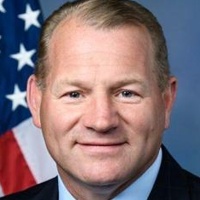
Troy Nehls
Representative
TX
Troy Nehls
Representative
TX
This resolution censures Representative Al Green for disrupting President Trump's address to Congress, violating decorum, and bringing disrepute to the House. It mandates that Representative Green present himself to the House for a public reading of the censure resolution by the Speaker.
The ACRE Act of 2025 creates a federal tax exemption for qualified lenders on interest earned from loans secured by rural or agricultural real property, excluding loans to foreign adversary entities.
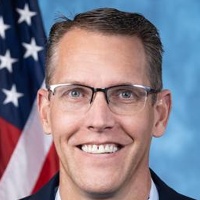
Randy Feenstra
Representative
IA
Randy Feenstra
Representative
IA
The Access to Credit for our Rural Economy Act of 2025 (ACRE Act) creates a new federal tax incentive for qualified lenders. This incentive excludes income earned from interest on loans secured by rural or agricultural real property from taxation. The goal is to encourage lending for agricultural, forestry, and certain rural home improvement purposes while prohibiting loans to foreign adversary entities.
The "Federal Firearms Licensee Protection Act of 2025" increases penalties for stealing firearms from licensed dealers, manufacturers, or importers, especially during burglaries or robberies, and clarifies related definitions.
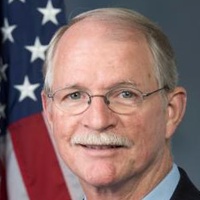
John Rutherford
Representative
FL
John Rutherford
Representative
FL
The "Federal Firearms Licensee Protection Act of 2025" increases penalties for stealing firearms from licensed dealers. It sets stricter punishments, including up to 20 years in prison, for violating laws related to firearm theft. The act also mandates minimum prison sentences of 3 years for burglaries and 5 years for robberies targeting licensed firearm businesses.
The "PLUS for Veterans Act of 2025" aims to protect veterans by clarifying who can assist with VA claims, regulating fees charged by agents and attorneys, and reinstating penalties for unauthorized charges.
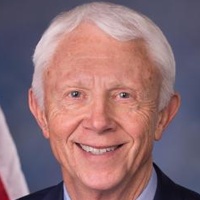
Jack Bergman
Representative
MI
Jack Bergman
Representative
MI
The PLUS for Veterans Act of 2025 aims to protect veterans by clarifying who can assist with VA claims, reinstating penalties for charging unauthorized fees, and ensuring fair representation. It requires agents and attorneys to apply for recognition, limits fees for initial claims, and mandates transparency regarding free services available to veterans. The Act also overrides conflicting state laws to ensure consistent enforcement of these protections.
The "Farm to Fly Act of 2025" aims to boost sustainable aviation fuel production and usage by including it in USDA bioenergy programs, supporting farmers, and promoting rural economic development.
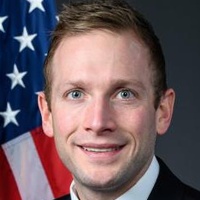
Max Miller
Representative
OH
Max Miller
Representative
OH
The "Farm to Fly Act of 2025" aims to boost the production and use of sustainable aviation fuels by including them in Department of Agriculture bio-energy programs. It amends existing definitions to recognize sustainable aviation fuel and directs the Secretary of Agriculture to promote its development through collaborative initiatives and manufacturing assistance. This act supports U.S. agriculture, enhances energy security, and promotes clean energy in the aviation sector by utilizing sustainable biomass resources.
The Truck Parking Safety Improvement Act establishes a grant program to expand commercial truck parking and improve safety on Federal-aid highways.
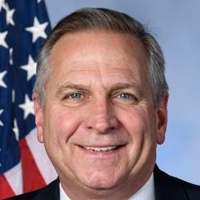
Mike Bost
Representative
IL
Mike Bost
Representative
IL
The Truck Parking Safety Improvement Act establishes a grant program to expand commercial truck parking and improve safety. The program provides funds to states, local governments, and tribal entities for projects that increase parking availability, improve existing facilities, and use technology to manage parking. The Act also requires a biennial report to Congress on the availability of truck parking and the effectiveness of funded projects. It authorizes $151 million per fiscal year from 2025 through 2029 for these initiatives.
The "FARM Act of 2025" restricts tax credits for renewable energy production, specifically solar and wind, on agricultural land used by public utilities.
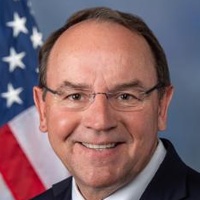
Thomas Tiffany
Representative
WI
Thomas Tiffany
Representative
WI
The FARM Act of 2025 restricts federal tax credits for renewable energy production, specifically solar and wind facilities, when placed on agricultural land by public utilities. This act amends the Internal Revenue Code to deny these credits, aiming to preserve agricultural land.
To award a Congressional Gold Medal to the 761st Tank Battalion, the first Black soldiers to serve in an American armored unit, for their valor and crucial contributions to the Allied victory in Europe.
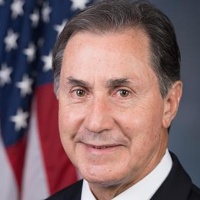
Gary Palmer
Representative
AL
Gary Palmer
Representative
AL
This bill authorizes the Speaker of the House and the President pro tempore of the Senate to award a Congressional Gold Medal to the 761st Tank Battalion, also known as the "Black Panthers," in recognition of their courageous service and crucial contributions during World War II. The medal will be given to the National Museum of African American History and Culture for display, honoring the 761st as the first Black soldiers to serve in an American armored unit and their significant role in the Allied victory in Europe. The bill also allows for the creation and sale of bronze duplicates of the medal to support the United States Mint Public Enterprise Fund.
This resolution condemns the Iranian regime’s terrorism and human rights abuses while affirming support for the Iranian people’s right to establish a democratic, secular, and non-nuclear republic.
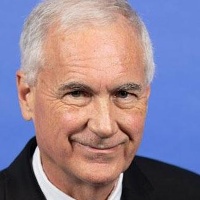
Tom McClintock
Representative
CA
Tom McClintock
Representative
CA
This resolution condemns the Iranian regime for its ongoing human rights abuses, state-sponsored terrorism, and regional instability. It expresses strong support for the Iranian people's struggle for a democratic, secular, and non-nuclear republic. Furthermore, the bill advocates for international accountability for the regime's crimes and calls for the protection of Iranian political refugees.
The REPAIR Act ensures vehicle owners and independent repair shops have access to vehicle data and repair information, promoting competition and protecting data privacy in the auto repair industry.
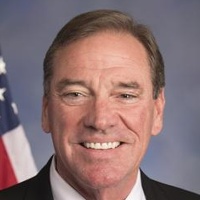
Neal Dunn
Representative
FL
Neal Dunn
Representative
FL
The "Right to Equitable and Professional Auto Industry Repair Act" or the "REPAIR Act" ensures vehicle owners and independent repair shops have access to necessary vehicle data, repair information, and tools, preventing manufacturers from creating barriers to repairs. It establishes an advisory committee to address competition issues in the auto repair industry and mandates that car buyers are informed of their rights to choose repair options. The Federal Trade Commission (FTC) is empowered to enforce the Act, protecting consumers from unfair restrictions on vehicle repair and ensuring control over their vehicle data.
This bill adds the Secretary of Agriculture to the Committee on Foreign Investment in the United States (CFIUS) and requires CFIUS to review agricultural land transactions, especially those involving entities from China, North Korea, Russia, or Iran.
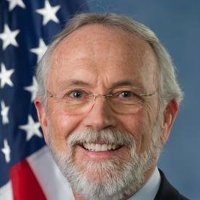
Dan Newhouse
Representative
WA
Dan Newhouse
Representative
WA
The "Protecting American Agriculture from Foreign Adversaries Act of 2025" adds the Secretary of Agriculture to the Committee on Foreign Investment in the United States (CFIUS) for agricultural matters. It mandates CFIUS review of agricultural land transactions, particularly those involving entities from China, North Korea, Russia, or Iran, to safeguard American agriculture. This ensures scrutiny of foreign investments in agricultural land and related industries, addressing potential threats to national security. The requirements for a specific country will end if that country is removed from the list of foreign adversaries in section 791.4 of title 15, Code of Federal Regulations.
The "Protect and Serve Act of 2025" establishes federal penalties for intentionally causing serious harm or death to law enforcement officers because of their position, under certain circumstances, and requires Attorney General certification for federal prosecution in many cases.
John Rutherford
Representative
FL
John Rutherford
Representative
FL
The "Protect and Serve Act of 2025" creates federal offenses for intentionally causing serious injury or death to law enforcement officers because of their status as officers. It sets penalties including imprisonment and fines, with increased penalties if death results or if kidnapping or attempted killing is involved. Federal prosecution requires certification from the Attorney General, based on a request from the state or if it is in the public interest to ensure substantial justice. The act defines "law enforcement officer" and "State" for the purposes of the new offenses.
This bill increases the standard mileage rate for charitable contributions to match the rate used for business expenses.
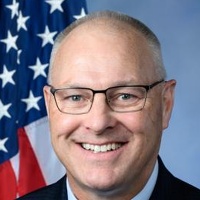
Pete Stauber
Representative
MN
Pete Stauber
Representative
MN
The "Volunteer Driver Tax Appreciation Act of 2025" aims to increase tax benefits for individuals who use their personal vehicles for charitable purposes. Starting after 2024, the bill allows the Secretary to set a higher mileage rate for charitable contributions, matching the standard rate used for business expenses. This adjustment seeks to provide greater financial relief to volunteer drivers by increasing their eligible deductions.
Prohibits the purchase of real estate near U.S. federal lands by agents or businesses associated with the government of the People's Republic of China with 25% or more equity interest.
Dan Newhouse
Representative
WA
Dan Newhouse
Representative
WA
The "No American Land for Communist China Act" prohibits the President from allowing individuals or entities associated with the Chinese government from purchasing real estate near covered federal lands. Covered lands include those managed by the Departments of Interior, Defense, Agriculture (Forest Service), and Energy, as well as Indian country. This restriction applies to entities with at least 25% equity interest held by Chinese government-affiliated individuals or businesses. The Act defines "United States" broadly to include states, territories, and other U.S. possessions.
The "DOC Access Act of 2025" aims to improve dental and vision care coverage by ensuring fair payment practices, protecting providers' choices, and upholding state regulatory authority.
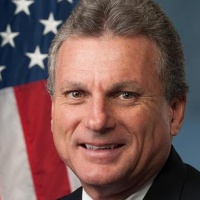
Earl Carter
Representative
GA
Earl Carter
Representative
GA
The "DOC Access Act of 2025" aims to enhance health care coverage under vision and dental plans by ensuring fair payment practices, protecting doctors' choices in labs and suppliers, and respecting state laws. It allows optometrists and dentists to charge their standard rate for non-covered services if the plan's payment is unreasonable, while ensuring they can only charge the contracted rate for dental cleanings. The bill also gives doctors more control over agreement extensions with limited benefit plans and allows them to opt out of certain provisions. Ultimately, this act seeks to balance federal guidelines with state oversight in regulating health insurance issuers and dental or vision benefit plans.
The Mississippi River Basin Fishery Commission Act of 2025 establishes a commission to improve the management and sustainability of fishery resources in the Mississippi River Basin through collaboration, research, and grant programs.
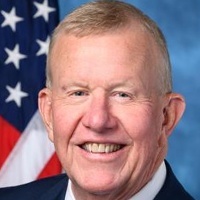
Mike Ezell
Representative
MS
Mike Ezell
Representative
MS
The Mississippi River Basin Fishery Commission Act of 2025 establishes a commission to improve the management and sustainability of fishery resources in the Mississippi River Basin by fostering collaboration among states, federal agencies, and tribes. The commission will develop and implement fishery management plans, address aquatic invasive species, and administer a grant program to support interjurisdictional fishery projects. This act authorizes appropriations for the commission's establishment, management duties, grant program, and housing within the Department of the Interior. The commission will submit annual reports to Congress detailing its activities and progress.