Legislative Activity
Track Derrick's sponsored bills, co-sponsored legislation, and voting record
This act restricts long-term retail concession agreements on U.S. military bases with businesses controlled by specified foreign nations, subject to national security review and potential termination.
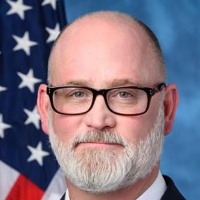
Pat Harrigan
Representative
NC
Pat Harrigan
Representative
NC
The Military Installation Retail Security Act of 2025 restricts the Department of Defense from entering into long-term retail concessions agreements with businesses controlled by designated foreign nations. This legislation mandates that existing agreements with such retailers undergo immediate review by CFIUS for national security risks, with termination required if control by a covered nation is confirmed. Exceptions are permitted only if the service provided is vital and security risks are mitigated, requiring notification to Congress.
This Act mandates the Department of Labor to establish and enforce comprehensive workplace violence prevention standards for healthcare and social service workers, while also tying compliance to Medicare funding for certain facilities.
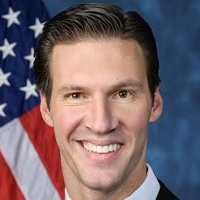
Joe Courtney
Representative
CT
Joe Courtney
Representative
CT
This Act mandates the Secretary of Labor to establish an interim and then a final standard requiring comprehensive workplace violence prevention plans for employers in the healthcare and social service sectors. These plans must be developed with employee input and detail risk assessments, hazard controls, reporting procedures, and annual training. Furthermore, the bill amends the Social Security Act to require Medicare-funded hospitals and skilled nursing facilities not covered by OSHA to comply with these new federal workplace violence prevention standards. The legislation also establishes clear definitions for workplace violence and includes strong anti-retaliation protections for employees who exercise their rights under the Act.
This Act establishes a competitive grant program to test incentives aimed at increasing the purchase of naturally nutrient-rich dairy products by households using SNAP benefits.
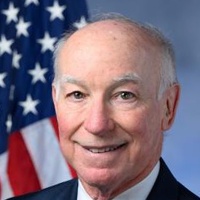
Jim Costa
Representative
CA
Jim Costa
Representative
CA
The Dairy Nutrition Incentive Program Act of 2025 establishes a new federal program to test methods for increasing the purchase of nutrient-rich dairy products by households using SNAP benefits. The Secretary of Agriculture will award competitive grants to eligible entities to implement incentive projects at the point of sale. These projects must prioritize direct incentives that can only be spent on buying more eligible dairy items, and all projects will undergo rigorous independent evaluation. The Act also mandates the transition of existing dairy incentive projects into this new framework without interruption.
The Hot Foods Act of 2025 lifts the general ban on purchasing ready-to-eat hot foods with SNAP benefits while imposing a sales cap on retailers that primarily sell such items.
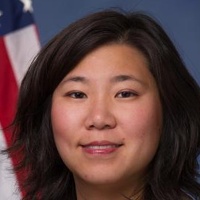
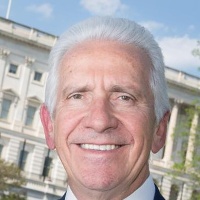
Grace Meng
Representative
NY
Grace Meng
Representative
NY
The Hot Foods Act of 2025 removes the general federal ban on using Supplemental Nutrition Assistance Program (SNAP) benefits to purchase hot, ready-to-eat foods. This legislation clarifies that hot foods are now eligible for purchase with SNAP benefits, while also setting a new rule that limits SNAP-participating retailers to deriving no more than 50% of their gross sales from these ready-to-eat hot items. The act updates existing statutes to reflect this expanded purchasing power for recipients.
This bill mandates that businesses receiving or sending goods must allow commercial truck drivers access to restrooms while on their property, and requires port terminal operators to provide adequate restroom facilities for drayage truck operators.
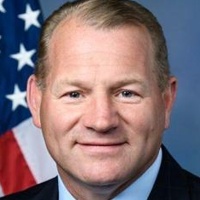
Troy Nehls
Representative
TX
Troy Nehls
Representative
TX
The Trucker Bathroom Access Act ensures that commercial truck drivers are allowed to use restrooms at businesses where they are delivering or picking up goods. This legislation also mandates that operators of marine terminals provide adequate and safe restroom facilities for drayage truck drivers working on port property. The goal is to guarantee basic sanitation access for professional drivers during their work hours.
This Act establishes a 20% federal tax credit for converting eligible commercial buildings into affordable housing units, subject to state allocation and specific income restrictions.
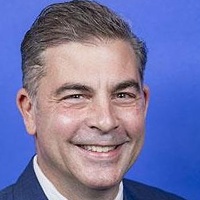
Mike Carey
Representative
OH
Mike Carey
Representative
OH
The Revitalizing Downtowns and Main Streets Act establishes a new 20% federal tax credit for converting eligible, older commercial buildings into affordable housing. This incentive aims to increase housing supply by requiring that at least 20% of the converted units remain rent-restricted for low-income residents for 30 years. State agencies will allocate these credits, which are subject to a national cap of $12 billion, based on approved plans prioritizing financially necessary projects.
This bill excludes certain veterinary student loan repayments and forgiveness amounts from taxable income to encourage veterinarians to practice in rural areas.
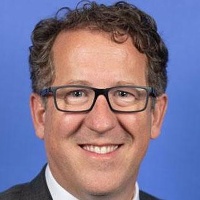
Adrian Smith
Representative
NE
Adrian Smith
Representative
NE
The Rural Veterinary Workforce Act aims to encourage more veterinarians to serve in underserved rural areas by making participation in certain loan repayment or forgiveness programs more financially appealing. This bill amends the tax code to exclude amounts received through qualifying state or federal veterinary student loan repayment programs from being counted as taxable income. This tax benefit applies to amounts received for taxable years beginning after December 31, 2025.
This bill amends the Internal Revenue Code to allow distributions from Health Savings Accounts (HSAs) for the account beneficiary's funeral expenses, up to a $\$5,000$ limit, to be treated as qualified distributions.
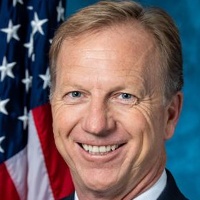
Kevin Hern
Representative
OK
Kevin Hern
Representative
OK
This bill amends the Internal Revenue Code to allow distributions from a Health Savings Account (HSA) for the funeral expenses of the account beneficiary to be treated as qualified, tax-free distributions. These expenses, which include burial, cremation, and related services, are capped at a total of \$5,000 per beneficiary. The legislation also clarifies that funeral expenses incurred within 90 days after the account holder's death can be treated as if they occurred before death for tax purposes.
This bill mandates a study comparing the quality of mental health and addiction therapy care provided to veterans by the VA versus non-VA providers.
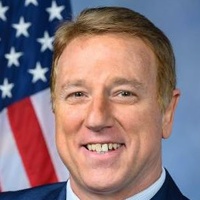
Patrick Fallon
Representative
TX
Patrick Fallon
Representative
TX
This bill mandates a comprehensive, independent study comparing the quality of mental health and addiction therapy provided to veterans by the Department of Veterans Affairs (VA) versus non-VA providers. The study will assess outcomes, treatment methods, coordination, and patient experience across various care settings. The final report will be submitted to Congress and made public to inform future quality improvements.
This Act repeals the outdated 12-percent federal excise tax on heavy trucks and trailers to encourage the adoption of modern, cleaner, and safer commercial vehicles.
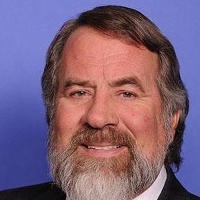
Doug LaMalfa
Representative
CA
Doug LaMalfa
Representative
CA
The Modern, Clean, and Safe Trucks Act of 2025 repeals the outdated 12-percent Federal excise tax on new heavy trucks and trailers. This repeal aims to lower costs, encouraging fleet owners to replace aging vehicles with modern, safer, and more fuel-efficient models. By removing this significant tax burden, the bill seeks to accelerate the adoption of cleaner engine technology and improve overall road safety. The Act also includes technical updates to the tax code related to the removal of this long-standing tax.
This resolution formally recognizes the 250th anniversary of the United States Marine Corps, honoring its legacy, service, and core values.
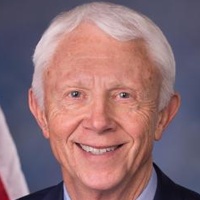
Jack Bergman
Representative
MI
Jack Bergman
Representative
MI
This resolution formally recognizes the upcoming 250th anniversary of the United States Marine Corps in 2025. Congress is honoring the Corps' long history, core values of honor, courage, and commitment, and its consistent readiness to defend the nation. The bill encourages the public to join in celebrating this significant milestone and acknowledging the service and sacrifice of all Marines.
The Safer Skies Act of 2025 mandates that certain smaller charter and commuter air carriers currently exempt from TSA checkpoints must adopt the same security screening standards as larger airlines.
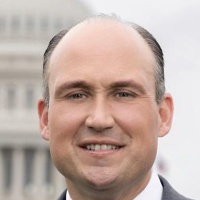
Nicholas Langworthy
Representative
NY
Nicholas Langworthy
Representative
NY
The Safer Skies Act of 2025 mandates enhanced security screening for certain smaller charter and commuter air carriers that sell individual passenger seats publicly. This legislation requires these specific operations, currently exempt from TSA checkpoints, to adopt the security standards applied to larger commercial airlines. The goal is to raise the baseline security level across a broader segment of air travel operations.
This bill permanently extends the exemption allowing school bus drivers to skip the engine compartment portion of the pre-trip vehicle inspection skills test for their CDL.
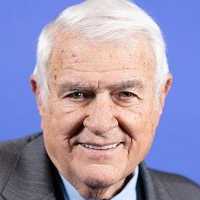
John Carter
Representative
TX
John Carter
Representative
TX
This bill permanently extends the existing exemption allowing qualified school bus drivers to skip the engine compartment portion of the commercial driver's license (CDL) skills test. It mandates the Secretary of Transportation to maintain this specific "under-the-hood" inspection waiver indefinitely. States utilizing this permanent exemption must still submit annual reports on the number of drivers licensed under it for the next six years.
This bill establishes national reciprocity for concealed carry permits, allowing individuals legally permitted to carry in their home state to carry a handgun in any other state that allows concealed carry.
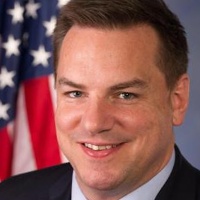
Richard Hudson
Representative
NC
Richard Hudson
Representative
NC
The Constitutional Concealed Carry Reciprocity Act of 2025 establishes a national standard for carrying concealed handguns across state lines. This act allows individuals legally permitted to carry in their home state to carry concealed in any other state that allows its residents to carry concealed firearms. The law does not override private property restrictions or prohibitions on government property, but it provides protections and legal recourse for those traveling in compliance with the new federal standard.
This act establishes a federally funded national public safety campaign utilizing television, radio, and digital media to warn against illegally passing stopped school buses.
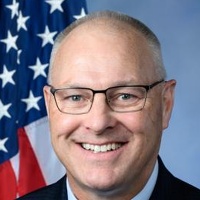
Pete Stauber
Representative
MN
Pete Stauber
Representative
MN
The Brake for Kids Act of 2025 establishes a national public safety messaging campaign to raise awareness about the dangers of illegally passing a stopped school bus. This initiative will be funded using existing allocations from the Infrastructure Investment and Jobs Act. The required campaign must utilize broad outreach methods, including national television, radio, social media, and edge service advertising.
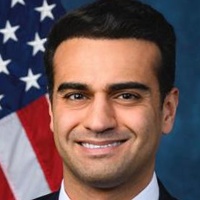
This bill establishes the voluntary Congressional Fitness Challenge, outlining required physical tests, administration guidelines, performance benchmarks, data collection, and recognition levels for eligible participants aged 6 to 17.
Abraham Hamadeh
Representative
AZ
Abraham Hamadeh
Representative
AZ
This bill establishes the voluntary Congressional Fitness Challenge, a national program designed to promote physical fitness among eligible participants aged 6 to 17. The Challenge requires participants to complete five specific fitness tests, with performance benchmarks set based on age and gender. Successful participants who meet performance goals will receive official recognition certificates signed by Congressional leadership. The legislation also outlines administrative rules for testing, data collection, and allows lawmakers to use office funds for related activities.
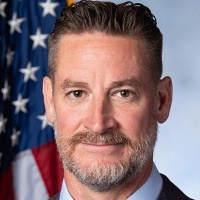
This joint resolution authorizes the President to use military force against designated Mexican cartels operating as terrorist organizations against the United States.
W. Steube
Representative
FL
W. Steube
Representative
FL
This joint resolution authorizes the President to use the U.S. Armed Forces against specific, named international criminal organizations designated as "covered cartels." It declares these groups are acting as terrorist organizations due to their actions against the U.S., including drug trafficking and human exploitation. The measure explicitly complies with the requirements of the War Powers Resolution.
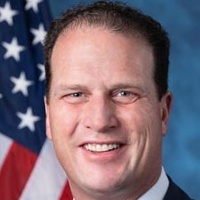
This bill mandates the revocation of student and exchange visitor visas and initiates deportation proceedings for individuals convicted of assaulting a police officer or engaging in riot-related activities.
August Pfluger
Representative
TX
August Pfluger
Representative
TX
The UPRISERS Act mandates the revocation of student and exchange visitor visas for individuals convicted of assaulting a police officer or engaging in riot-related offenses. Furthermore, this bill makes conviction for these specific crimes grounds for deportation for those holding F, J, or M visas. This legislation targets non-immigrant visa holders involved in violent civil unrest or attacks on law enforcement.
This bill revokes federal student aid eligibility and converts existing grants into non-dischargeable loans for individuals convicted of assaulting a police officer or participating in violent riots.
August Pfluger
Representative
TX
August Pfluger
Representative
TX
The FAFSA Act of 2025 revokes federal student aid eligibility, including grants and loans, for individuals convicted of assaulting a police officer or certain riot-related crimes. Any federal grants received prior to the conviction will be immediately converted into Federal Direct Unsubsidized Stafford Loans that must be repaid with interest. These converted loans will not be eligible for any existing federal forgiveness or discharge programs.
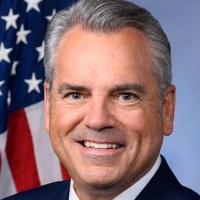
Supports the designation of March 18, 2025, as "National Agriculture Day" and recognizes the importance of agriculture in the United States.
Mark Alford
Representative
MO
Mark Alford
Representative
MO
This resolution expresses support for designating March 18, 2025, as "National Agriculture Day." It recognizes and celebrates the significant impact of agriculture as a leading industry in the United States.