Legislative Activity
Track David's sponsored bills, co-sponsored legislation, and voting record
This Act ensures the automatic continuation of pay for active duty military personnel and essential civilian support staff if Congress fails to pass a budget for fiscal year 2026.
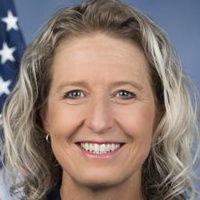
Jennifer Kiggans
Representative
VA
Jennifer Kiggans
Representative
VA
The Pay Our Troops Act of 2026 ensures that active duty military personnel and essential civilian support staff continue to receive their pay if Congress has not yet passed the full budget for fiscal year 2026. This act provides automatic continuing appropriations from the Treasury to prevent a lapse in military salaries due to budget delays. The funding automatically terminates once a new budget or continuing resolution is passed, or on January 1, 2027, whichever comes first.
This bill mandates that State Medicaid fraud control units must investigate and prosecute fraud committed by individuals applying for or receiving Medicaid benefits, in addition to their existing focus on provider fraud.
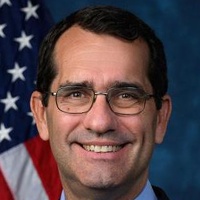
Derek Schmidt
Representative
KS
Derek Schmidt
Representative
KS
The STOP FRAUD in Medicaid Act expands the responsibilities of State Medicaid Fraud Control Units to include investigating and prosecuting fraud committed by individuals applying for or receiving Medicaid benefits. This broadens their current focus, which primarily targets provider fraud. These new duties will take effect 180 days after the bill is enacted.
This resolution condemns the assassination of Charlie Kirk and honors his life, legacy, and commitment to civil discourse.
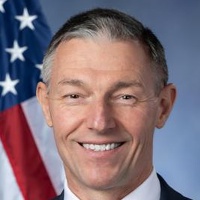
Mike Kennedy
Representative
UT
Mike Kennedy
Representative
UT
This resolution condemns the assassination of conservative activist Charlie Kirk and extends condolences to his family. It honors his life and legacy, recognizing his founding of Turning Point USA and his commitment to encouraging civil discourse on college campuses.
This bill establishes a mandatory supply fee paid by Medicare drug plans to long-term care pharmacies for specific prescriptions in 2026 and 2027, while also mandating a GAO study on the financial sustainability of the current payment system.
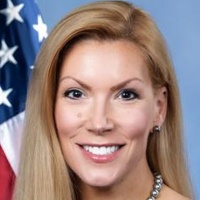
Beth Van Duyne
Representative
TX
Beth Van Duyne
Representative
TX
This Act establishes a mandatory supply fee for Medicare drug plans to pay long-term care pharmacies for specific prescriptions dispensed in 2026 and 2027. The bill mandates a $30 fee per prescription in 2026, increasing in 2027, with penalties for non-payment. Additionally, the GAO is required to study the financial sustainability of the current payment structure for these essential pharmacies. This legislation aims to ensure continued access to medications for patients in long-term care settings.
The Veterans’ ACCESS Act of 2025 improves veteran health care by establishing clear eligibility standards for community care, mandating timely mental health treatment, and streamlining administrative processes to ensure faster, more transparent access to services.
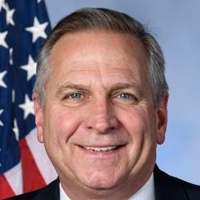
Mike Bost
Representative
IL
Mike Bost
Representative
IL
The Veterans’ ACCESS Act of 2025 strengthens the Veterans Community Care Program by establishing clear, enforceable standards for care eligibility and wait times while streamlining the referral process. The legislation also overhauls access to residential mental health and substance abuse treatment, ensuring veterans receive timely, localized care with robust oversight. Additionally, it mandates the development of digital tools and pilot programs to reduce bureaucratic hurdles and improve transparency across the VA healthcare system.
This bill establishes the Agricultural and Rural Road Improvement Program to repair and upgrade local and rural roads crucial for farm access, safety, and economic efficiency.
Mike Bost
Representative
IL
Mike Bost
Representative
IL
The Agricultural and Rural Road Improvement Program Act establishes a new federal program dedicated to repairing and improving critical local and rural roads essential for agriculture. This program aims to enhance access to farms and agricultural facilities, reduce weight-restricted bridges, and increase the safety and resilience of rural transportation networks. Federal funding for these projects will cover up to 90 percent of the total cost.
This bill amends federal law to include violations related to rioting within the definition of racketeering activity.
Beth Van Duyne
Representative
TX
Beth Van Duyne
Representative
TX
This bill amends federal law to explicitly include violations related to rioting within the definition of "racketeering activity." By adding this specific crime to the list under Title 18, Section 1961(1), the legislation makes participation in such activities subject to serious federal racketeering charges. This change treats rioting violations similarly to other established offenses like bribery or extortion for the purposes of federal prosecution.
This bill prohibits the Department of Transportation from providing federal funds to any city designated as a "sanctuary city" based on its immigration enforcement policies.
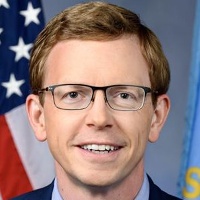
Dusty Johnson
Representative
SD
Dusty Johnson
Representative
SD
The No DOT Funds for Sanctuary Cities Act prohibits the Secretary of Transportation from awarding federal transportation funds to any city designated as a "sanctuary city." This designation applies to localities with policies that restrict sharing immigration status information or complying with certain federal immigration detainers. Waivers for funding may only be granted if the Secretary certifies the activity is in the national interest and notifies relevant Congressional committees.
This Act prohibits the Federal Reserve from directly or indirectly issuing a Central Bank Digital Currency (CBDC) and bars the Fed from developing or using one for monetary policy without explicit Congressional authorization.
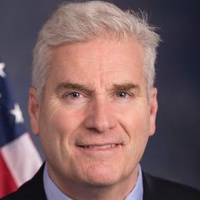
Tom Emmer
Representative
MN
Tom Emmer
Representative
MN
The Anti-CBDC Surveillance State Act strictly prohibits the Federal Reserve from directly or indirectly issuing a Central Bank Digital Currency (CBDC) to individuals. This legislation prevents the Fed from developing, testing, or implementing any digital currency that functions as a direct liability of the Federal Reserve. Furthermore, Congress asserts that any authority to create such a digital asset must explicitly come from Congress itself.
The FIRE Act prohibits federal, state, and local governments from enacting or enforcing any law that restricts firearm magazines based on their ammunition capacity.
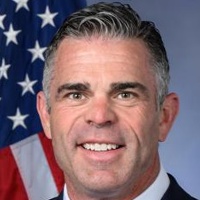
Tony Wied
Representative
WI
Tony Wied
Representative
WI
The Freedom from Improper Regulation and Enforcement (FIRE) Act prohibits the federal government from creating or enforcing any rule that restricts firearm magazines based on their ammunition capacity. Furthermore, this Act voids any existing or future state or local laws that attempt to impose such capacity limits or penalties. In essence, the bill prevents regulation of firearm magazines based solely on how many rounds they can hold.
This bill repeals the federal charter granted to the National Education Association.
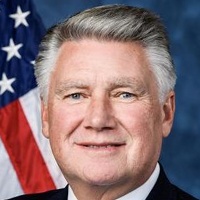
Mark Harris
Representative
NC
Mark Harris
Representative
NC
The National Education Association Charter Repeal Act aims to revoke the federal charter granted to the National Education Association (NEA). This legislation specifically repeals the section of U.S. Code that provides the NEA with its official federal recognition status. In essence, the bill removes the legal standing previously conferred upon the NEA by Congress.
This Act prohibits lawsuits claiming discrimination based solely on the unintended, disproportionate statistical effect (disparate impact) of employment or housing practices.
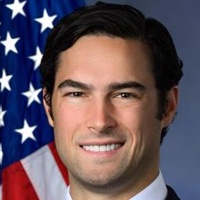
Brandon Gill
Representative
TX
Brandon Gill
Representative
TX
The Restoring Equal Opportunity Act aims to eliminate "disparate-impact liability" across major federal laws. This bill prohibits lawsuits claiming discrimination based solely on the unintended, disproportionate negative effect of a rule or practice. Consequently, it removes the ability to challenge employment and housing practices unless discriminatory intent can be proven. The Act also nullifies specific prior regulatory approvals related to civil rights enforcement.
This Act prohibits the use of autopens and invalidates documents signed by unauthorized individuals for engrossed bills, Executive orders, and pardons.
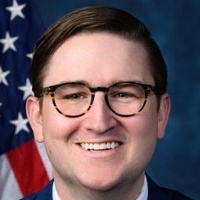
Addison McDowell
Representative
NC
Addison McDowell
Representative
NC
The Ban on Inkless Directives and Executive Notarizations Act of 2025 mandates that the President must personally sign engrossed bills, Executive Orders, and pardons, explicitly banning the use of automatic signing devices for these actions. Furthermore, this Act invalidates any prior official document signed by an unauthorized individual, even if the signing occurred before the law's enactment. This legislation ensures that the highest level of presidential authority is conveyed through the President's own physical signature.
This Act mandates that VA medical staff promptly certify the deaths of veterans who died from natural causes within 48 hours to expedite burial and survivor benefits.
Tom Emmer
Representative
MN
Tom Emmer
Representative
MN
The Veteran Burial Timeliness and Death Certificate Accountability Act addresses significant delays in obtaining death certificates for veterans who die from natural causes, often due to VA medical staff delays. This bill mandates that VA medical providers must certify a veteran's death within 48 hours or allow the local medical examiner to step in. Furthermore, the VA must annually report on its compliance with this new timely certification requirement.
This bill authorizes the creation and sale of commemorative coins for the 2028 Los Angeles and 2034 Salt Lake City Olympic and Paralympic Games to help fund the events, with all surcharges going to the respective organizing committees after covering production costs.
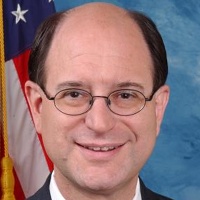
Brad Sherman
Representative
CA
Brad Sherman
Representative
CA
This Act authorizes the Secretary of the Treasury to mint and sell special commemorative coins for the 2028 Los Angeles Olympic and Paralympic Games and the 2034 Salt Lake City Winter Olympic and Paralympic Games. The coins will feature designs celebrating American athletes and the Games themselves. All surcharges collected from the sale of these coins will be directed to the respective organizing committees to help fund the events and related youth sports programs. The entire program must be conducted at no cost to the U.S. Government.
This Act eliminates the dollar limits on the tax-free profit exclusion when selling a principal residence.
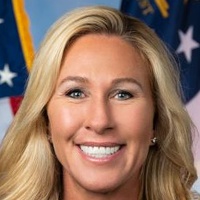
Marjorie Greene
Representative
GA
Marjorie Greene
Representative
GA
The No Tax on Home Sales Act eliminates the existing dollar limitations on the amount of profit an individual can exclude from taxes when selling their principal residence. This change removes the caps on the tax-free gain from the sale of a primary home. The provisions of this Act take effect immediately upon enactment.
This resolution solemnly marks the one-year anniversary of the attempted assassination of President Trump, condemns ongoing political violence, and honors the victims and first responders.
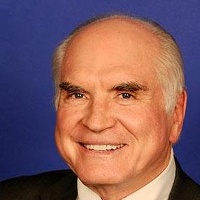
Mike Kelly
Representative
PA
Mike Kelly
Representative
PA
This resolution solemnly marks the one-year anniversary of the attempted assassination of President Donald J. Trump, condemning the multiple violent attempts against the President's life. It honors the victims of the shooting, including the late Corey D. Comperatore, and recognizes the bravery of first responders. Furthermore, the resolution condemns all incitement of violence against elected officials and calls for national unity against political violence.
The LEDGER Act mandates the establishment of a comprehensive, government-wide system to track and record the exact destination and availability period of every federal expenditure.
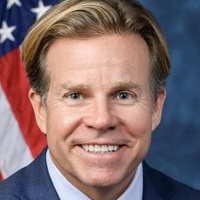
Mike Haridopolos
Representative
FL
Mike Haridopolos
Representative
FL
The LEDGER Act mandates the creation of a comprehensive, centralized system managed by the Secretary of the Treasury to track every expenditure made by all branches of the U.S. Government. This new system must detail exactly where federal funds are spent and how long those funds were available for obligation. The goal is to significantly enhance the traceability and transparency of government spending.
This Act penalizes jurisdictions that restrict cooperation between local law enforcement and federal immigration officials by making them ineligible for certain federal development funds.
Nicholas Langworthy
Representative
NY
Nicholas Langworthy
Representative
NY
The Stop Dangerous Sanctuary Cities Act aims to penalize jurisdictions that limit cooperation with federal immigration enforcement. It defines "sanctuary jurisdictions" as those that refuse to honor detainer requests or share immigration information, with an exception for protecting crime victims and witnesses. Furthermore, the bill makes these designated sanctuary jurisdictions ineligible for specific federal development and community improvement funds, such as EDA grants and CDBG funds. Cooperating local officers are granted liability protection when honoring valid federal detainer requests.
This bill repeals the Freedom of Access to Clinic Entrances (FACE) Act, effectively removing federal criminal penalties for obstructing access to reproductive health clinics.
Chip Roy
Representative
TX
Chip Roy
Representative
TX
The FACE Act Repeal Act of 2025 seeks to eliminate federal protections that currently prohibit the obstruction of reproductive health clinic entrances, the use of force or threats against patients and providers, and the intentional damage of clinic property. If enacted, this legislation would immediately repeal these federal criminal prohibitions and apply to all pending or future prosecutions.