Legislative Activity
Track David's sponsored bills, co-sponsored legislation, and voting record
This act establishes the Medal of Sacrifice to honor law enforcement officers and first responders killed in the line of duty, creating a Commission to oversee its design and eligibility determinations.
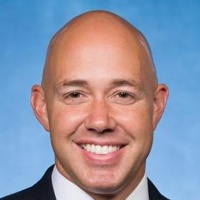
Brian Mast
Representative
FL
Brian Mast
Representative
FL
The Medal of Sacrifice Act establishes a new national medal to honor law enforcement officers and first responders killed in the line of duty. This legislation creates a Commission to advise on the medal's design, presentation, and final eligibility decisions, particularly when there are findings of wrongdoing. The medal itself will feature specific symbolic elements and will be awarded to eligible fallen heroes.
This bill prohibits the VA from reporting veterans to the NICS background check system solely because a fiduciary has been appointed to manage their benefits, unless a judicial authority deems them a danger to themselves or others.
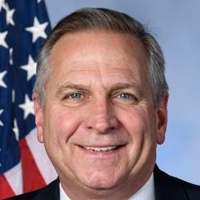
Mike Bost
Representative
IL
Mike Bost
Representative
IL
The Veterans 2nd Amendment Protection Act prohibits the VA from reporting veterans to the NICS background check system solely because a fiduciary was appointed to manage their benefits. This legislation ensures that a VA finding of mental incompetence or the appointment of a fiduciary alone is not used to treat a veteran as a "mental defective" for gun control purposes. Furthermore, the VA must notify the Attorney General about past transmissions of this information that lacked a proper legal basis.
This Act establishes a Strategic Bitcoin Reserve within the Treasury Department, mandates a 20-year holding period for qualifying forfeited Bitcoin, and requires transparent reporting on all federal digital asset holdings.

Nicholas Begich
Representative
AK
Nicholas Begich
Representative
AK
The American Reserve Modernization Act of 2026 establishes a **Strategic Bitcoin Reserve** and a **Digital Asset Stockpile** within the Department of the Treasury to modernize U.S. national assets. This legislation mandates the secure custody of qualifying forfeited Bitcoin for a minimum of 20 years while requiring transparent, quarterly proof-of-reserve reporting. Furthermore, it directs studies on budget-neutral acquisition methods and protects the private property rights of individuals regarding their digital assets.
This resolution expresses the Senate and House's support for strengthening measures to combat fraud, waste, and abuse in federal health care programs like Medicare and Medicaid to protect taxpayer dollars and ensure program sustainability.
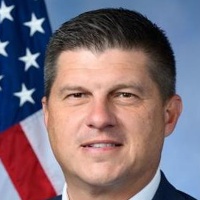
Brad Finstad
Representative
MN
Brad Finstad
Representative
MN
This resolution expresses strong support for continuing efforts to combat fraud, waste, and abuse within Medicare, Medicaid, and other federal health care programs. It highlights the significant financial impact of improper payments and recognizes past enforcement actions aimed at protecting taxpayer dollars. The bill advocates for strengthened oversight, enhanced data-driven prevention methods, and coordinated enforcement to ensure the long-term sustainability of these vital safety net programs.
This Act eliminates federal transfer, making, and occupational taxes on National Firearms Act firearms and expands related excise tax exemptions.

Lauren Boebert
Representative
CO
Lauren Boebert
Representative
CO
The Freedom from Taxes Act of 2026 aims to eliminate several federal taxes associated with National Firearms Act (NFA) firearms. This bill reduces the transfer and making taxes on NFA items to zero and phases out the annual special occupational tax for dealers, importers, and manufacturers. It also simplifies an existing excise tax exemption for these firearms.
This Act mandates that jurisdictions receiving federal grants report data on their use of cashless bail systems and identifies those that allow pre-trial release without cash bail for certain offenses.
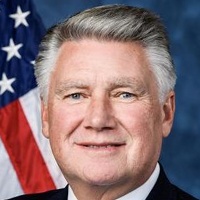
Mark Harris
Representative
NC
Mark Harris
Representative
NC
The Cashless Bail Reporting Act mandates that states and local governments receiving specific federal grants must report annual data on their use of cashless bail systems. This data includes the number of individuals released, subsequent failures to appear, and new arrests while on pretrial release. Furthermore, the Act requires the Attorney General to annually publish a list of jurisdictions that permit pretrial release without cash bail for certain offenses threatening public safety.
This resolution expresses strong support for law enforcement officers and recognizes their vital role in protecting communities while opposing efforts to defund police departments.
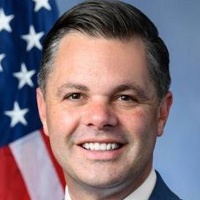
Zachary (Zach) Nunn
Representative
IA
Zachary (Zach) Nunn
Representative
IA
This resolution expresses strong support for law enforcement officers, recognizing their vital role in protecting communities and upholding the rule of law. It acknowledges the daily sacrifices officers make and affirms their essential contributions to public safety. The resolution also opposes policies that undermine law enforcement, such as defunding efforts and sanctuary policies.
This bill allows for year-round sales of E15 gasoline and restructures the Renewable Fuel Standard program by phasing out small refinery exemptions in favor of a 75% compliance obligation reduction starting in 2028.

Adrian Smith
Representative
NE
Adrian Smith
Representative
NE
This bill, the Nationwide Consumer and Fuel Retailer Choice Act of 2025, makes two major changes: it allows for the year-round sale of E15 gasoline and reforms the Renewable Fuel Standard (RFS) for small refineries. The RFS reform phases out existing small refinery exemptions starting in 2028, replacing them with a 75% compliance obligation reduction. The Act also directs the EPA to update fuel infrastructure rules for E15 distribution.
This bill prohibits deceptive communications regarding USDOT number registration by private entities and grants truckers the right to sue for damages if they receive misleading notices.

Marie Gluesenkamp Perez
Representative
WA
Marie Gluesenkamp Perez
Representative
WA
The Stop Scamming Truckers Act aims to protect truckers from deceptive communications regarding USDOT number registration. This bill requires private entities sending such notices to include a clear disclaimer stating they are not a government agency. It also prohibits misleading practices and grants recipients the right to sue for damages if these rules are violated.
This bill establishes the Combating Organized Retail Crime Act of 2025 to enhance federal prosecution tools against organized retail and supply chain crime and create a DHS-led coordination center to align law enforcement efforts.
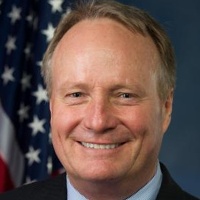
David Joyce
Representative
OH
David Joyce
Representative
OH
The Combating Organized Retail Crime Act of 2025 aims to combat sophisticated, cross-jurisdictional organized retail and supply chain theft. It achieves this by strengthening federal laws regarding money laundering and stolen property offenses, including lowering monetary thresholds for prosecution. Furthermore, the bill establishes a dedicated Center within the Department of Homeland Security to coordinate federal, state, and local enforcement efforts against these criminal organizations.
This bill mandates the modernization of the SAVE program to enhance the accuracy, speed, and reliability of immigration status verification for benefit eligibility, while prohibiting user fees.
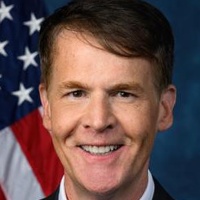
Jefferson Shreve
Representative
IN
Jefferson Shreve
Representative
IN
The VERIFY Act of 2026 mandates a comprehensive modernization of the SAVE program to improve the speed, accuracy, and reliability of immigration status verification. This legislation requires timely status updates, enhanced data interoperability across federal systems, and alerts to agencies when an individual's status materially changes. Furthermore, the bill prohibits fees for government agencies using the SAVE program and establishes rigorous oversight through mandatory modernization plans and annual Inspector General audits.
This bill designates the United States Postal Service facility located at 189 East Main Street in Xenia, Ohio, as the "Gilman 'Gil' Whitney Post Office Building."
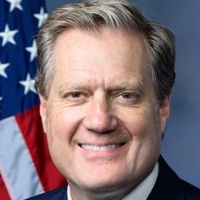
Michael Turner
Representative
OH
Michael Turner
Representative
OH
This bill designates the United States Postal Service facility located at 189 East Main Street in Xenia, Ohio, as the "Gilman 'Gil' Whitney Post Office Building." All future federal documents, maps, and official records will be required to reflect this new name.
This bill condemns the multiple assassination attempts against President Donald J. Trump and recognizes the critical mission of the Department of Homeland Security.
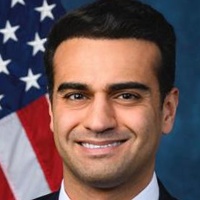
Abraham Hamadeh
Representative
AZ
Abraham Hamadeh
Representative
AZ
This bill strongly condemns the multiple attempted assassinations against President Donald J. Trump, including the attack on April 25, 2026. It commends the heroism of law enforcement and recognizes the critical mission of the Department of Homeland Security. Furthermore, the resolution calls for unity against political violence and the full funding of essential security agencies.
This bill seeks to formally expunge the two impeachments of President Donald J. Trump from the congressional record, treating the Articles of Impeachment as if they never passed the House.
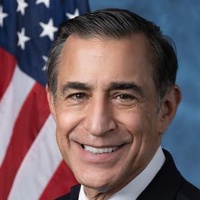
Darrell Issa
Representative
CA
Darrell Issa
Representative
CA
This bill seeks to formally expunge the two impeachments of former President Donald J. Trump from December 2019 and January 2021. It asserts that the impeachments were flawed due to a lack of firsthand evidence and biased proceedings in the House of Representatives. By expunging them, the resolution treats the Articles of Impeachment as if they never passed the House.
This Act repeals the federal beneficial ownership information reporting requirements for domestic persons and entities, limiting them only to foreign individuals and foreign-connected companies, and mandates the deletion of existing domestic data.
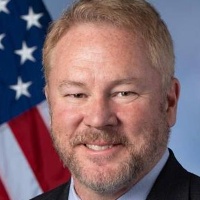
Warren Davidson
Representative
OH
Warren Davidson
Representative
OH
The Repealing Big Brother Overreach Act significantly narrows the federal beneficial ownership information reporting requirements. This legislation limits reporting obligations exclusively to foreign individuals and foreign-connected companies. Furthermore, it mandates the deletion of all previously collected data pertaining to domestic persons and entities.
This bill officially renames the USPS facility at 890 East 152nd Street in Cleveland, Ohio, as the Technical Sergeant Alma Gladys Minter Post Office Building.

Shontel Brown
Representative
OH
Shontel Brown
Representative
OH
This bill officially renames the United States Postal Service facility located at 890 East 152nd Street in Cleveland, Ohio. The building will now be known as the Technical Sergeant Alma Gladys Minter Post Office Building.
The Bankruptcy Threshold Adjustment Act increases the debt limits for small business debtors and Chapter 13 consumer bankruptcy filers to improve eligibility for relief.

Ben Cline
Representative
VA
Ben Cline
Representative
VA
The Bankruptcy Threshold Adjustment Act updates federal bankruptcy law by increasing the debt eligibility limits for both small business debtors and Chapter 13 consumer filers. These modifications allow more individuals and small businesses to qualify for streamlined bankruptcy processes by raising the maximum allowable debt thresholds to $7,500,000 and $2,750,000, respectively. The changes apply to all bankruptcy cases filed on or after the date of the Act's enactment.
The Diesel Truck Liberation Act of 2026 prohibits federal enforcement of emissions control and diagnostic system requirements for motor vehicles and repeals all related penalties and regulations.
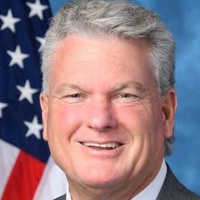
Mike Collins
Representative
GA
Mike Collins
Representative
GA
The Diesel Truck Liberation Act of 2026 prohibits federal agencies from mandating or enforcing the use of emissions control devices and onboard diagnostic systems on motor vehicles. This legislation repeals existing federal emissions regulations, eliminates civil and criminal liability for the modification or removal of such systems, and mandates the expungement of past related penalties.
The Airport Regulatory Relief Act of 2025 allows states to utilize highway construction standards for runway projects at qualifying nonprimary airports, provided safety requirements are met.
Nicholas Begich
Representative
AK
Nicholas Begich
Representative
AK
The Airport Regulatory Relief Act of 2025 allows states to utilize their own highway construction standards for runway projects at nonprimary airports serving aircraft under 60,000 pounds. This legislation aims to streamline infrastructure improvements by permitting the use of state specifications, provided the Secretary of Transportation determines that safety standards are maintained.
This resolution honors the six service members of the 121st Air Refueling Wing who made the ultimate sacrifice during Operation Epic Fury in Iraq.
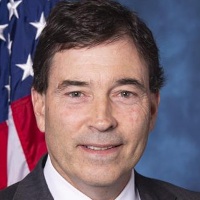
Troy Balderson
Representative
OH
Troy Balderson
Representative
OH
This resolution honors the six members of the 121st Air Refueling Wing who made the ultimate sacrifice while serving in Operation Epic Fury on March 12, 2026. It recognizes their dedicated service and extends the nation’s deepest condolences to the families of these fallen heroes.