Legislative Activity
Track Shri's sponsored bills, co-sponsored legislation, and voting record
This Act directs the Department of Homeland Security to develop and implement a comprehensive strategy to bolster security against threats posed by ghost guns, including cross-border smuggling and terrorism.
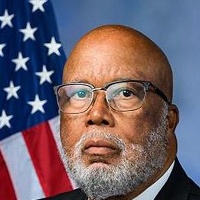
Bennie Thompson
Representative
MS
Bennie Thompson
Representative
MS
The Bolstering Security Against Ghost Guns Act directs the Department of Homeland Security (DHS) to develop a comprehensive strategy to counter threats posed by unserialized, privately made firearms, commonly known as "ghost guns." This legislation mandates specific actions across DHS components, including threat assessments on cross-border smuggling and research on preventing targeted violence involving these weapons. Furthermore, the bill requires regular reporting from the TSA on airport firearm violations and mandates intelligence sharing regarding terrorist threats linked to ghost guns.
This bill streamlines security vetting for international STEM graduate students and creates a new pathway to lawful permanent residency for those holding advanced U.S. STEM degrees with qualifying job offers.
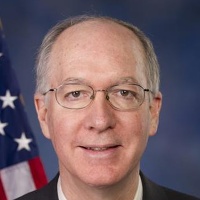
Bill Foster
Representative
IL
Bill Foster
Representative
IL
The Keep STEM Talent Act of 2025 aims to strengthen security vetting for international graduate students in STEM fields while creating a new pathway to permanent residency for those who earn advanced STEM degrees in the U.S. The bill mandates pre-admission applications and enhanced background checks for incoming STEM graduate students. Furthermore, it establishes a streamlined green card category for advanced STEM degree holders with qualifying job offers, allowing them to pursue permanent residency without jeopardizing their current student status.
This Act overhauls federal firearm dealer regulations by mandating enhanced physical security, stricter inventory tracking, increased licensing fees, and new oversight for online firearm facilitators.
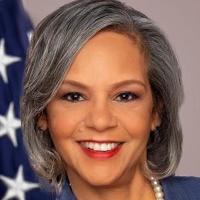
Robin Kelly
Representative
IL
Robin Kelly
Representative
IL
The Federal Firearm Licensee Act significantly overhauls federal regulation of gun dealers by mandating enhanced physical security, stricter inventory tracking, and increased record-keeping requirements. The bill repeals outdated restrictions on the ATF, increases licensing fees, and establishes new regulations for online firearm transfer facilitators. Furthermore, it strengthens enforcement by increasing penalties for compliance failures and mandating more frequent inspections for high-risk dealers.
This resolution supports Financial Literacy Month by recognizing widespread financial struggles and calling for increased education and awareness across the nation.
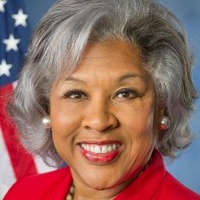
Joyce Beatty
Representative
OH
Joyce Beatty
Representative
OH
This resolution officially supports the goals of Financial Literacy Month by recognizing the widespread financial challenges facing American households. It highlights the urgent need for improved personal finance education due to low budgeting rates and high levels of household debt. The bill calls upon federal, state, and local entities to promote programs that enhance financial understanding and responsible money management.
The Delete DOGE Act prohibits the use of federal funds to implement, manage, or enforce specific executive orders related to the DOGE operation and defunds associated government entities.
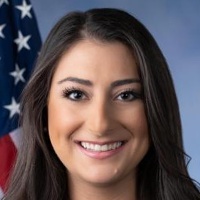
Sara Jacobs
Representative
CA
Sara Jacobs
Representative
CA
The Delete DOGE Act aims to completely defund and halt operations related to the government entity known as DOGE. This bill specifically prohibits the use of federal funds to implement, manage, or enforce the executive orders that established or involve DOGE entities. Furthermore, it places strict limitations on the U.S. Digital Service to prevent them from funding any new DOGE-related projects initiated after January 19, 2025.
The STABLE Act of 2025 establishes a comprehensive federal framework to regulate payment stablecoin issuers through strict reserve, transparency, and operational requirements while clarifying that these stablecoins are not securities.
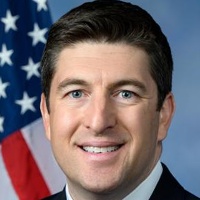
Bryan Steil
Representative
WI
Bryan Steil
Representative
WI
The STABLE Act of 2025 establishes a comprehensive federal framework for regulating payment stablecoins, requiring issuers to maintain 1:1 reserves in safe assets and adhere to strict transparency and anti-money laundering standards. The bill strictly limits issuance to approved entities, whether federally or state-qualified, and clarifies that these dollar-backed digital assets are not considered securities. Furthermore, it mandates robust consumer protection rules, ensuring customer assets are segregated and prioritized in bankruptcy proceedings.
The IDEA Full Funding Act establishes mandatory, increasing funding levels for the Individuals with Disabilities Education Act (IDEA) from 2026 through 2035, contingent upon offsetting budget cuts.
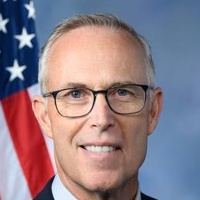
Jared Huffman
Representative
CA
Jared Huffman
Representative
CA
The IDEA Full Funding Act establishes mandatory, increasing funding levels for the Individuals with Disabilities Education Act (IDEA) programs through fiscal year 2035. This legislation sets specific appropriation targets based on student counts and national average spending to ensure greater financial support for special education services. Furthermore, the bill requires that these new IDEA appropriations adhere to "cut-as-you-go" budget offset rules.
This Act prohibits the State Department from implementing any reorganization without specific statutory authorization from Congress and the submission of a detailed plan outlining the impact of the changes.
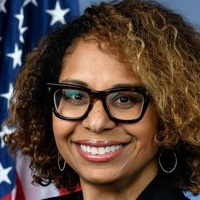
Sydney Kamlager-Dove
Representative
CA
Sydney Kamlager-Dove
Representative
CA
The Defending American Diplomacy Act prohibits the Secretary of State from implementing any reorganization of the State Department without specific statutory authorization from Congress and the submission of a detailed plan. This plan must thoroughly analyze the impact on foreign policy goals, operations, and personnel. If the Secretary proceeds without authorization, specific funding restrictions against the Department of Government Efficiency and official travel for high-level appointees will take effect.
The Building Child Care for a Better Future Act dramatically increases federal funding for state child care entitlements and establishes a new annual $\$5$ billion grant program to specifically address workforce, supply, quality, and access in high-need areas.
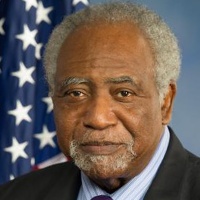
Danny Davis
Representative
IL
Danny Davis
Representative
IL
The Building Child Care for a Better Future Act dramatically increases federal funding for state child care entitlements and establishes a new \$5 billion annual grant program to address critical shortages in the child care workforce, supply, and quality in identified high-need areas. These funds are intended to supplement existing spending and support providers through facility improvements, workforce training, and ensuring living wages for staff. The legislation also sets specific requirements for planning, reporting, and evaluation to track the impact of these investments.
The Reentry Act of 2025 allows inmates to receive Medicaid assistance during the 30 days preceding their release and mandates a comprehensive report on healthcare standards within correctional facilities.
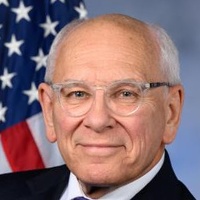
Paul Tonko
Representative
NY
Paul Tonko
Representative
NY
The Reentry Act of 2025 allows incarcerated individuals to receive medical assistance through Medicaid during the 30 days immediately preceding their release. This legislation also mandates a comprehensive report from MACPAC analyzing current healthcare standards within correctional facilities. The report will examine the impact of this coverage change and offer recommendations for improving healthcare access for those transitioning back into the community.
The FISCAL Act updates the National School Lunch Program requirements to mandate that schools offer both traditional fluid milk and plant-based milk options.
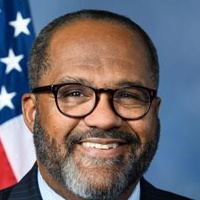
Troy Carter
Representative
LA
Troy Carter
Representative
LA
The FISCAL Act updates the National School Lunch Program requirements regarding milk offerings. This legislation mandates that schools must offer both traditional fluid milk and plant-based milk options to students. Furthermore, the bill establishes a framework for the Secretary to set nutritional standards for any qualifying plant-based milk offered under the program.
This Act establishes the Youth Mental Health Research Initiative, coordinating national research efforts to improve understanding, prevention, and treatment of mental health challenges in young people.
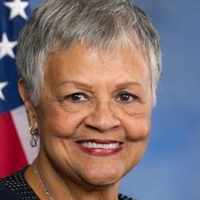
Bonnie Watson Coleman
Representative
NJ
Bonnie Watson Coleman
Representative
NJ
The Youth Mental Health Research Act establishes a new, coordinated research initiative led by the NIMH Director to improve understanding and treatment of youth mental health. This effort will focus on building resilience, improving early identification, and enhancing the accessibility of mental health care in community settings. The Act authorizes $100 million in funding annually through fiscal year 2030 to support this vital research.
This Act mandates the Department of Labor to establish and enforce comprehensive workplace violence prevention standards for healthcare and social service workers, while also tying compliance to Medicare funding for certain facilities.
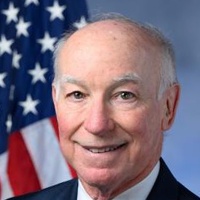
Joe Courtney
Representative
CT
Joe Courtney
Representative
CT
This Act mandates the Secretary of Labor to establish an interim and then a final standard requiring comprehensive workplace violence prevention plans for employers in the healthcare and social service sectors. These plans must be developed with employee input and detail risk assessments, hazard controls, reporting procedures, and annual training. Furthermore, the bill amends the Social Security Act to require Medicare-funded hospitals and skilled nursing facilities not covered by OSHA to comply with these new federal workplace violence prevention standards. The legislation also establishes clear definitions for workplace violence and includes strong anti-retaliation protections for employees who exercise their rights under the Act.
The Abortion Care Awareness Act of 2025 mandates a national public health campaign by HHS to educate the public on accessing abortion care, understanding related rights, and identifying misinformation.

Jasmine Crockett
Representative
TX
Jasmine Crockett
Representative
TX
The Abortion Care Awareness Act of 2025 mandates the creation of a national public health campaign by the Secretary of HHS to educate the public on accessing abortion and related health services legally and safely. This campaign must provide medically accurate information on care options, including telehealth and medication abortion, while also teaching people how to recognize disinformation and protect their health data. The effort must be culturally competent and accessible to underserved communities, explicitly prohibiting the promotion of misinformation or abstinence-only programs.
This Act establishes a comprehensive security partnership between the U.S., Israel, Greece, and Cyprus to enhance counterterrorism efforts and maritime security through new training programs, interparliamentary groups, and the removal of certain restrictions on defense cooperation with Cyprus.
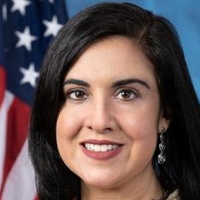
Nicole Malliotakis
Representative
NY
Nicole Malliotakis
Representative
NY
This Act establishes a comprehensive security partnership between the United States, Israel, Greece, and the Republic of Cyprus focused on counterterrorism and maritime security in the Eastern Mediterranean. It mandates the creation of new joint training programs, formalizes interparliamentary and executive cooperation groups, and removes previous limitations on defense articles for Cyprus. The legislation also authorizes significant funding for security centers and training initiatives in Cyprus and Greece through fiscal year 2029.
The Hot Foods Act of 2025 lifts the general ban on purchasing ready-to-eat hot foods with SNAP benefits while imposing a sales cap on retailers that primarily sell such items.

Grace Meng
Representative
NY
Grace Meng
Representative
NY
The Hot Foods Act of 2025 removes the general federal ban on using Supplemental Nutrition Assistance Program (SNAP) benefits to purchase hot, ready-to-eat foods. This legislation clarifies that hot foods are now eligible for purchase with SNAP benefits, while also setting a new rule that limits SNAP-participating retailers to deriving no more than 50% of their gross sales from these ready-to-eat hot items. The act updates existing statutes to reflect this expanded purchasing power for recipients.
This resolution formally reaffirms the Federal Government's commitment to recognizing the enduring legacy, vital contributions, and future success of Historically Black Colleges and Universities (HBCUs).
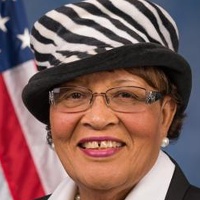
Alma Adams
Representative
NC
Alma Adams
Representative
NC
This resolution formally recognizes and honors the enduring legacy and vital contributions of Historically Black Colleges and Universities (HBCUs) to the nation. It reaffirms the Federal Government's commitment to supporting these essential institutions that drive economic growth and produce a disproportionate number of professionals in critical fields. The measure serves as a strong statement celebrating HBCUs as centers of excellence and opportunity.
The Nutrition CARE Act of 2025 expands Medicare coverage to include medical nutrition therapy services provided by registered dietitians for beneficiaries diagnosed with an eating disorder, effective January 1, 2026.
Judy Chu
Representative
CA
Judy Chu
Representative
CA
The Nutrition CARE Act of 2025 addresses the critical need for comprehensive eating disorder treatment under Medicare. This bill expands Medicare coverage to include essential medical nutrition therapy services for beneficiaries diagnosed with an eating disorder, starting January 1, 2026. It establishes initial and ongoing annual coverage limits for these crucial dietitian-led services, requiring a referral from a physician or psychologist. By covering this vital component of care, the Act aims to improve health outcomes and reduce the significant economic burden associated with these serious mental illnesses.
This Act establishes federal grant programs to improve medical education, expand community health center capacity, and increase rural provider training in gender-affirming care for transgender individuals.
Becca Balint
Representative
VT
Becca Balint
Representative
VT
The Transgender Health Care Access Act aims to improve access to gender-affirming care by addressing critical gaps in medical education and provider capacity. The bill establishes grant programs to develop and implement comprehensive training curricula for medical professionals across various settings, including rural areas. Furthermore, it provides funding to expand the ability of community health centers to deliver culturally competent and necessary care to transgender individuals. Ultimately, this legislation seeks to ensure that healthcare providers are adequately trained and equipped to meet the medical needs of the transgender population.
This Act expands and reforms the Low-Income Home Energy Assistance Program (LIHEAP) to increase funding, simplify eligibility, mandate energy efficiency upgrades, and protect low-income families from high utility costs and shutoffs.
Yassamin Ansari
Representative
AZ
Yassamin Ansari
Representative
AZ
The Heating and Cooling Relief Act aims to significantly expand and modernize energy assistance for low-income families facing high utility costs and extreme weather. It increases funding for the Low-Income Home Energy Assistance Program (LIHEAP), streamlines eligibility requirements, and mandates that energy suppliers take steps to prevent shutoffs and eliminate late fees for recipients. Furthermore, the bill prioritizes using funds for weatherization and home retrofitting to reduce fossil fuel dependence and improve climate resilience for vulnerable households.