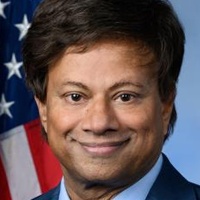
Legislative Activity
Track Shri's sponsored bills, co-sponsored legislation, and voting record
The Hands Off Our Great Lakes Act prohibits the federal government from renaming any of the five Great Lakes and nullifies Executive Order 14422.
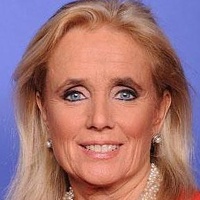
Debbie Dingell
Representative
MI
Debbie Dingell
Representative
MI
The "Hands Off Our Great Lakes Act" prohibits the federal government from altering or renaming any of the five Great Lakes. Additionally, the bill formally nullifies Executive Order 14422, which sought to rename Lake Ontario, and prevents the use of federal funds to implement any similar renaming initiatives in the future.
This bill designates August 17, 2026, as "National Nonprofit Day" to honor the vital contributions and community impact of the nonprofit sector and its employees.
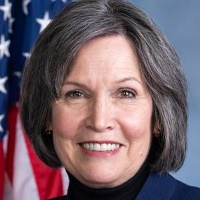
Betty McCollum
Representative
MN
Betty McCollum
Representative
MN
This resolution supports designating August 17, 2026, as "National Nonprofit Day" to honor the vital contributions of the nonprofit sector. It recognizes the essential role nonprofits play in supporting communities, driving the economy, and partnering with the government to deliver public services.
This legislation imposes sweeping economic sanctions on Russia to isolate its economy and defense sector while extending existing sanctions on Iran for an additional five years.
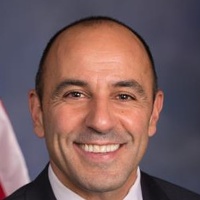
Jimmy Panetta
Representative
CA
Jimmy Panetta
Representative
CA
The Lindsey O. Graham Sanctioning Russia and Iran Act of 2026 imposes sweeping economic and financial sanctions on Russia to isolate its economy and disrupt its defense and energy sectors. The bill further mandates the extension of existing sanctions against Iran through 2031 to maintain ongoing diplomatic and economic pressure. Together, these measures aim to penalize foreign aggression and restrict access to U.S. capital and markets.
The Green New Deal for Public Housing Act provides federal grants to modernize, decarbonize, and expand public housing while creating workforce development opportunities and strengthening resident participation.
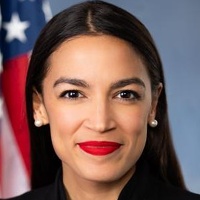
Alexandria Ocasio-Cortez
Representative
NY
Alexandria Ocasio-Cortez
Representative
NY
The Green New Deal for Public Housing Act aims to modernize the nation’s public housing stock by investing in deep energy retrofits, sustainability upgrades, and climate resilience. The bill establishes grant programs to transition public housing to zero-carbon, energy-efficient homes while simultaneously fostering economic empowerment through workforce development and resident-led management. By repealing restrictive caps on housing units and prioritizing tenant participation, the legislation seeks to improve living standards, ensure long-term habitability, and expand the availability of safe, affordable housing.
The "No TSA Data for ICE Act" prohibits the Department of Homeland Security from sharing TSA passenger data with immigration enforcement agencies and protects Trusted Traveler program participants from retaliation for exercising their First Amendment rights.
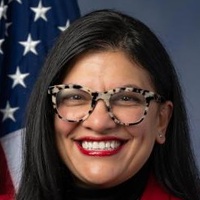
Rashida Tlaib
Representative
MI
Rashida Tlaib
Representative
MI
The "No TSA Data for ICE Act" prohibits the Department of Homeland Security from sharing sensitive passenger data from the TSA or private brokers with immigration enforcement agencies. Additionally, the bill protects participants in Trusted Traveler programs by preventing the government from suspending or denying enrollment based on an individual's participation in First Amendment-protected activities.
This bill strengthens federal protections for domestic violence survivors by closing loopholes to prohibit individuals subject to protective orders from purchasing or possessing firearms and establishing a grant program to assist in the removal of firearms from adjudicated abusers.
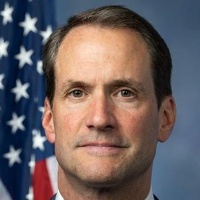
James Himes
Representative
CT
James Himes
Representative
CT
The Lori Jackson-Nicolette Elias Domestic Violence Survivor Protection Act strengthens federal law to better protect victims of domestic violence by closing loopholes that allow abusive dating partners and those under temporary restraining orders to access firearms. The bill expands the definition of "intimate partner" and "misdemeanor crime of domestic violence," while prohibiting individuals subject to qualifying protective orders from purchasing or possessing firearms. Additionally, it establishes a federal grant program to assist states and local governments in implementing effective procedures for the removal and safe storage of firearms from individuals under domestic violence protection orders.
The Read for Reentry Act of 2026 directs the GAO to conduct a comprehensive study on the availability, funding, and impact of library services within state and federal prison systems.
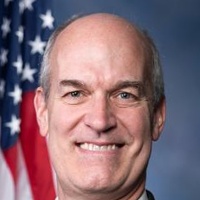
Rick Larsen
Representative
WA
Rick Larsen
Representative
WA
The Read for Reentry Act of 2026 directs the Government Accountability Office (GAO) to conduct a comprehensive study on the state of prison libraries across the United States. This report will analyze how library services and funding correlate with recidivism rates, parole compliance, and workforce placement for incarcerated individuals. The findings will provide Congress with essential data to better understand the role of library access in successful prisoner reentry.
The Green New Deal for Health Act establishes a comprehensive federal framework to modernize healthcare infrastructure, decarbonize the medical sector, and strengthen community resilience against climate-related health threats.
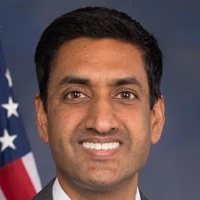
Ro Khanna
Representative
CA
Ro Khanna
Representative
CA
The Green New Deal for Health Act establishes a comprehensive federal framework to address the health impacts of climate change by creating dedicated oversight, investing in resilient infrastructure, and decarbonizing the healthcare sector. The bill prioritizes environmental justice by directing significant funding and resources toward vulnerable communities, expanding the public health workforce, and protecting essential care access. Ultimately, this legislation aims to transform the U.S. healthcare system into a sustainable, climate-ready network capable of safeguarding patient health during extreme weather and public health emergencies.
The Green New Deal for Public Schools Act provides comprehensive federal funding to modernize school infrastructure for climate resilience, expand staffing and educational equity, and increase support for special education and high-poverty districts.
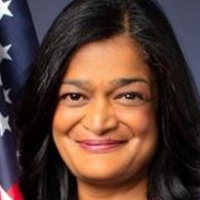
Pramila Jayapal
Representative
WA
Pramila Jayapal
Representative
WA
The Green New Deal for Public Schools Act provides comprehensive federal funding to modernize school infrastructure, transition to zero-carbon facilities, and expand educational staffing. The bill establishes grant programs to improve school climate resiliency, increase support for special education, and provide targeted aid to high-poverty districts. By prioritizing environmental justice communities and community-based planning, the legislation aims to create safer, more equitable learning environments while preparing schools to serve as hubs during climate-related disasters.
This bill directs the Small Business Administration to develop and distribute multilingual educational resources to help small business owners and their employees understand their rights and responsibilities regarding immigration enforcement and compliance.
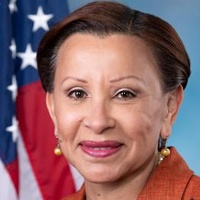
Nydia Velázquez
Representative
NY
Nydia Velázquez
Representative
NY
The Businessowner Immigration Rights and Responsibilities Information Act of 2026 directs the Small Business Administration to develop and distribute comprehensive educational resources regarding immigration enforcement. These materials will provide small business owners and their employees with clear guidance on their legal rights, compliance responsibilities, and best practices for handling enforcement actions. Available in multiple languages, these resources aim to ensure businesses are well-informed and prepared while navigating complex immigration regulations.
The Right to IVF Act of 2026 establishes a nationwide right to fertility care, mandates comprehensive insurance coverage for reproductive services, and expands access to fertility treatments for veterans and federal employees.
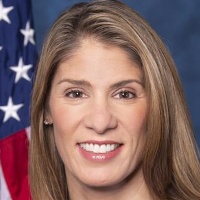
Lori Trahan
Representative
MA
Lori Trahan
Representative
MA
The Right to IVF Act of 2026 establishes a nationwide statutory right to access assisted reproductive technology (ART) and intrauterine insemination (IUI) while prohibiting states from imposing restrictive barriers. The bill further expands family-building support by mandating comprehensive fertility coverage across private insurance, Medicare, Medicaid, and federal employee health plans. Additionally, it guarantees expanded access to fertility services and preservation for military service members and veterans.
This bill authorizes a seven-year grant program for the National Law Enforcement Officers Memorial Fund to support the National Law Enforcement Museum’s educational, community outreach, and officer wellness initiatives.
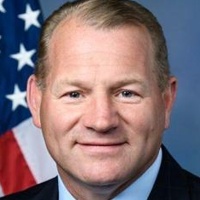
Troy Nehls
Representative
TX
Troy Nehls
Representative
TX
The National Law Enforcement Officers Remembrance, Support, and Community Outreach Act authorizes $6 million in annual grants over seven years to the National Law Enforcement Officers Memorial Fund. These funds will support the National Law Enforcement Museum’s public education, community outreach, and officer safety and wellness programs. As a condition of the grant, the museum must provide free admission to law enforcement officers and their families, as well as dedicated free hours for the general public.
This resolution condemns all forms of hate-based violence and discrimination while calling for comprehensive federal policies, resources, and support to protect vulnerable communities and uphold an inclusive democracy.
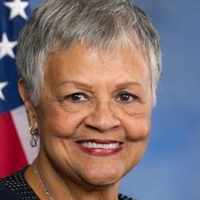
Bonnie Watson Coleman
Representative
NJ
Bonnie Watson Coleman
Representative
NJ
This resolution expresses the sense of Congress that all forms of hate, discrimination, and violence must be condemned to protect the integrity of our democracy. It calls for comprehensive federal and state policies to prevent hate crimes, provide robust support for victims, and ensure equitable resources for vulnerable communities. By prioritizing education, intervention, and community-based advocacy, the bill reaffirms a national commitment to fostering an inclusive society free from bigotry.
This bill officially renames the United States Postal Service facility at 324 Washington Avenue, Suite 1 in Grand Haven, Michigan, as the "Ell Thomas Simantz Post Office Building."
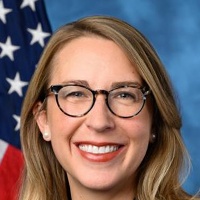
Hillary Scholten
Representative
MI
Hillary Scholten
Representative
MI
This bill officially renames the United States Postal Service facility located at 324 Washington Avenue, Suite 1 in Grand Haven, Michigan. The facility will now be known as the "Ell Thomas Simantz Post Office Building." This designation updates all official records and references to reflect the new name.
This bill designates the United States Postal Service facility at 117 West Lovett Street in Charlotte, Michigan, as the "Francis C. Flaherty Post Office Building."
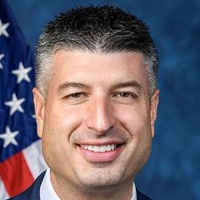
Tom Barrett
Representative
MI
Tom Barrett
Representative
MI
This bill officially designates the United States Postal Service facility located at 117 West Lovett Street in Charlotte, Michigan, as the "Francis C. Flaherty Post Office Building." All official references to this facility will be updated to reflect this new name.
The Private Detention Corporate Accountability Act of 2026 establishes legal pathways for families to hold private detention facilities and their employees liable for wrongful deaths occurring in custody.
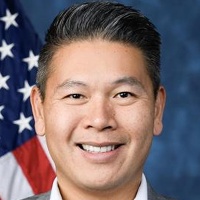
Derek Tran
Representative
CA
Derek Tran
Representative
CA
The Private Detention Corporate Accountability Act of 2026 establishes a legal framework to hold private detention facilities and their employees directly accountable for wrongful deaths occurring in custody. The bill empowers families to seek significant damages in federal court and explicitly strips employees of qualified or absolute immunity defenses. This legislation ensures that private entities contracting with the federal government remain liable for the actions of their staff.
The Medicaid Dental Benefit Act of 2026 mandates comprehensive dental coverage for adults under state Medicaid programs while establishing new federal quality standards, reporting requirements, and outreach initiatives to improve oral health equity.
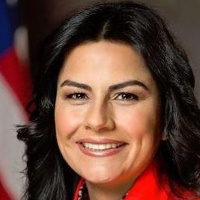
Nanette Barragán
Representative
CA
Nanette Barragán
Representative
CA
The Medicaid Dental Benefit Act of 2026 mandates that all state Medicaid programs provide comprehensive dental and oral health coverage for adults beginning January 1, 2027. To support this transition, the bill provides three years of 100% federal funding for these core services and establishes new national quality and equity reporting standards. Additionally, the legislation requires federal outreach programs to improve access to care and mandates a comprehensive report on the state of adult oral health in the United States.
This bill prohibits lifetime and annual dollar limits on dental benefits under CHIP and mandates that states provide supplemental dental-only coverage for eligible children.
Nanette Barragán
Representative
CA
Nanette Barragán
Representative
CA
The Ensuring Kids Have Access to Medically Necessary Dental Care Act strengthens dental coverage for children enrolled in the Children's Health Insurance Program (CHIP). This legislation prohibits states from imposing annual or lifetime dollar limits on dental benefits and mandates that states provide dental-only supplemental coverage. These changes ensure that low-income children have consistent, comprehensive access to necessary dental care.
The Inclusive Democracy Act of 2026 protects the right of all citizens to vote in federal elections regardless of criminal conviction and mandates that carceral facilities provide incarcerated individuals with the necessary resources to register and vote.
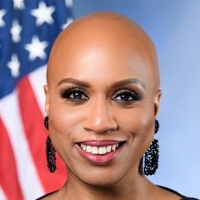
Ayanna Pressley
Representative
MA
Ayanna Pressley
Representative
MA
The Inclusive Democracy Act of 2026 prohibits the federal government and states from denying any citizen the right to vote in federal elections due to a criminal conviction. The bill mandates that carceral facilities provide incarcerated individuals with access to voter registration, absentee ballots, and election information. Additionally, it establishes enforcement mechanisms to ensure these voting rights are protected and upheld in all federal elections.
This bill mandates the Federal Energy Regulatory Commission to hold a technical conference and report on strategies to shield residential and small commercial utility customers from rising energy costs driven by large AI data centers.
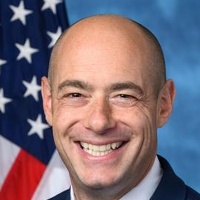
Greg Landsman
Representative
OH
Greg Landsman
Representative
OH
This bill, the Protecting Families from AI Data Center Energy Costs Act, directs the Federal Energy Regulatory Commission (FERC) to convene a technical conference on strategies to shield residential and small commercial utility customers from rising energy costs driven by large loads like AI data centers. Following the conference, FERC must submit a report to Congress detailing recommendations and best practices. The goal is to ensure utility costs remain manageable for everyday families and small businesses.