Legislative Activity
Track Shri's sponsored bills, co-sponsored legislation, and voting record
This Act mandates the TSA to establish and regularly update strict hygienic guidelines for screening breast milk, formula, and other essential baby liquids during aviation security checks.
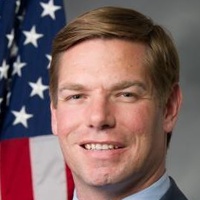
Eric Swalwell
Representative
CA
Eric Swalwell
Representative
CA
The Bottles and Breastfeeding Equipment Screening Enhancement Act mandates the TSA to develop and regularly update strict hygienic guidelines for screening breast milk, formula, and baby drinks at airport security checkpoints. These rules must be created in consultation with maternal health experts to minimize contamination risks during any necessary testing. Furthermore, the Inspector General will audit compliance with these new safety standards within one year of enactment.
This bill establishes the American Family Act, which revamps the Child Tax Credit into a system of refundable monthly advance payments for qualifying children and a separate credit for other dependents.
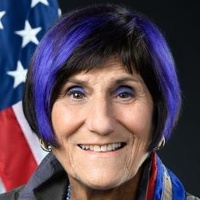
Rosa DeLauro
Representative
CT
Rosa DeLauro
Representative
CT
The American Family Act fundamentally overhauls the Child Tax Credit by replacing the annual lump sum with a system of advance, refundable monthly payments delivered directly to families. These monthly allowances vary based on the child's age, with higher amounts provided for younger children. The bill also establishes a separate, smaller credit for other dependents and outlines procedures for annual renewal and reconciliation of advance payments when filing taxes.
This act permanently extends and significantly expands the Earned Income Tax Credit for workers without qualifying children, lowers the minimum claiming age, removes the maximum age limit, increases credit amounts, and allows taxpayers to elect to use higher prior-year earned income for calculation.
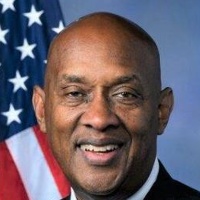
Dwight Evans
Representative
PA
Dwight Evans
Representative
PA
The Tax Cut for Workers Act of 2025 significantly expands the Earned Income Tax Credit (EITC) for workers without qualifying children by permanently lowering the minimum age, eliminating the maximum age, and substantially increasing the credit amount. It also allows taxpayers to elect to use higher prior-year earned income when calculating the current year's credit. Furthermore, the bill removes expiration dates for applying EITC rules in certain U.S. territories.
This bill overhauls federal workforce and adult education programs to integrate digital literacy, establish career navigators, and enhance accountability across training services.
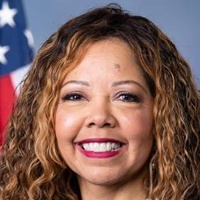
Lucy McBath
Representative
GA
Lucy McBath
Representative
GA
The Adult Education Workforce Opportunity and Reskilling for Knowledge and Success Act overhauls existing workforce and adult education laws to better connect Americans with modern job opportunities. It achieves this by integrating digital literacy training, establishing new "College and Career Navigators" for personalized guidance, and authorizing increased federal funding for these services. The bill also modernizes adult education goals to emphasize full civic participation and requires greater transparency in state workforce planning.
This resolution urges the United States to lead global efforts to halt the nuclear arms race, reduce existing stockpiles, and implement verifiable measures to prevent nuclear war.
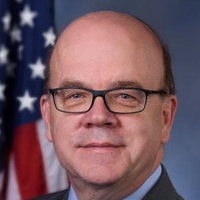
James McGovern
Representative
MA
James McGovern
Representative
MA
This resolution urges the United States to immediately prioritize global nuclear disarmament and lead the world back from the brink of nuclear war. It calls on the President to negotiate verifiable arms reduction treaties with all nuclear states to halt the arms race and prevent catastrophic conflict. Key actions include renouncing "first use," ending hair-trigger alert postures, and ceasing the development of new nuclear weapons. Furthermore, the bill demands comprehensive support, cleanup, and economic transition planning for communities and workers affected by past and present nuclear activities.
The Affordable Housing Credit Improvement Act of 2025 updates state allocation formulas, reforms tenant eligibility and credit determination rules, and enhances assistance for Native American and rural housing projects.
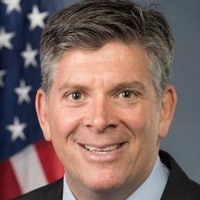
Darin LaHood
Representative
IL
Darin LaHood
Representative
IL
The Affordable Housing Credit Improvement Act of 2025 updates federal housing tax credit allocations to reflect current economic realities and boosts minimum state allotments. It reforms tenant eligibility rules to stabilize tenancy and enhance protections for vulnerable residents, including victims of abuse. The bill also provides disaster relief for property owners, increases incentives for housing the extremely low-income, and directs greater resources toward Native American and rural housing needs. Finally, it streamlines administrative processes and signals a future focus on data transparency and discouraging restrictive local zoning.
This Act prohibits federal funding for police in schools and establishes grants to help districts replace law enforcement with mental health and support staff.
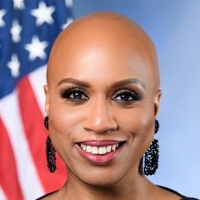
Ayanna Pressley
Representative
MA
Ayanna Pressley
Representative
MA
The Counseling Not Criminalization in Schools Act aims to shift federal funding away from placing police officers in schools toward hiring mental health professionals and implementing evidence-based support services. This legislation prohibits the use of federal funds for school law enforcement personnel and establishes a major grant program to support local districts transitioning away from police contracts. The goal is to replace policing with systems of care to create safer, more equitable school environments, especially for marginalized students.
The Raise the Wage Act of 2025 gradually increases the federal minimum wage to \$17.00, phases out subminimum wages for tipped employees and workers with disabilities, and eliminates the subminimum wage for young workers.
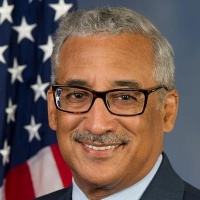
Robert Scott
Representative
VA
Robert Scott
Representative
VA
The Raise the Wage Act of 2025 establishes a phased increase of the federal minimum wage, culminating in a \$17.00 per hour rate five years after enactment, followed by automatic annual adjustments tied to median wage growth. This bill also phases out the lower minimum wage for tipped employees and workers under 20, ensuring they eventually earn the standard federal minimum wage. Furthermore, it sets a schedule to eliminate subminimum wages for individuals with disabilities and prohibits the issuance of new special certificates allowing for lower pay.
The Ending PUSHOUT Act of 2025 aims to reform school discipline by strengthening data collection, ending discriminatory practices, reducing lost learning time, and funding alternatives to exclusionary discipline.
Ayanna Pressley
Representative
MA
Ayanna Pressley
Representative
MA
The Ending PUSHOUT Act of 2025 aims to reform school discipline by strengthening data collection to expose discriminatory practices, particularly against students of color and girls of color. It establishes grants to help districts reduce exclusionary discipline, such as suspensions and expulsions, while prohibiting harsh measures like corporal punishment and seclusion in recipient schools. Furthermore, the Act creates a Joint Task Force to specifically study and recommend solutions for ending the school pushout of girls of color.
This Act prevents the executive branch from deferring or transferring congressionally appropriated VA funds and establishes specific protections for VA personnel against hiring freezes and certain removals.
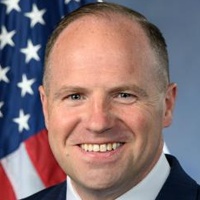
Timothy Kennedy
Representative
NY
Timothy Kennedy
Representative
NY
The VA Funding and Workforce Protection Act ensures that congressionally appropriated funds for the Department of Veterans Affairs cannot be unilaterally withheld or transferred without explicit new authorization from Congress. This legislation also provides significant protections for VA personnel by exempting the agency from presidential hiring freezes for a four-year period and establishing strict notification requirements before layoffs or removals of probationary employees can occur. Finally, the Secretary of the VA must regularly certify compliance with these new funding and personnel mandates to relevant Congressional committees.
This Act establishes federal minimum standards for public employee collective bargaining rights, allowing states to maintain their own laws if they meet or exceed these standards, otherwise the Federal Labor Relations Authority will enforce federal rules.
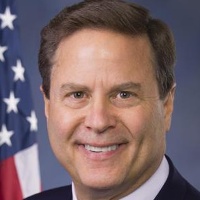
Donald Norcross
Representative
NJ
Donald Norcross
Representative
NJ
The Public Service Freedom to Negotiate Act of 2025 establishes federal minimum standards for collective bargaining rights for public employees across the nation. It requires the Federal Labor Relations Authority (FLRA) to review state laws to ensure they substantially provide these minimum rights, including the right to organize and bargain collectively. If a state fails to meet these standards, the FLRA will administer federal labor relations rules for the uncovered employees. The Act also prohibits strikes or lockouts that would measurably disrupt emergency or public safety services.
This Act establishes a specific P visa category for temporary workers employed by traveling carnivals, circuses, and associated concession providers, while subjecting them to existing H-2B temporary worker regulations.
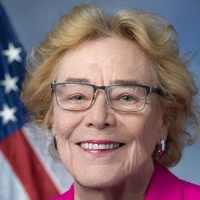
Zoe Lofgren
Representative
CA
Zoe Lofgren
Representative
CA
The Carnivals are Real Entertainment Act establishes a specific P visa pathway for temporary workers employed by traveling carnivals, circuses, and associated concession providers. This new classification ensures essential mobile entertainment staff can enter the U.S. while adhering to existing H-2B temporary worker program regulations. The law mandates that the Secretaries of Homeland Security and Labor develop and finalize the necessary rules within one year of enactment.
The DART Act of 2025 expands federal justice grant funding for evidence-based diversion and rehabilitation programs while establishing a national clearinghouse to support these efforts.
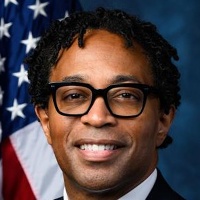
Wesley Bell
Representative
MO
Wesley Bell
Representative
MO
The DART Act of 2025 aims to reduce crime and recidivism by shifting focus toward rehabilitation and diversion programs over incarceration. This legislation expands the use of federal Justice Assistance Grant (JAG) funds to support pre-arrest diversion, specialty courts, and post-release services. Furthermore, it establishes a National Clearinghouse to promote evidence-based, trauma-informed practices in these justice reform efforts.
The No Tax Breaks for Union Busting Act denies businesses tax deductions for expenses incurred while influencing employees regarding union organization and activities.
Donald Norcross
Representative
NJ
Donald Norcross
Representative
NJ
The No Tax Breaks for Union Busting (NTBUB) Act aims to disallow businesses from deducting federal income taxes for expenses incurred while attempting to influence employees regarding union organization or activities. This change is intended to stop companies from subsidizing anti-union campaigns through tax write-offs. The bill also establishes new, significant reporting requirements and penalties for businesses and third-party consultants who engage in these influence expenditures.
This resolution expresses the House's sense that paraprofessionals and education support staff deserve fair compensation, benefits, job security, and safe working conditions.
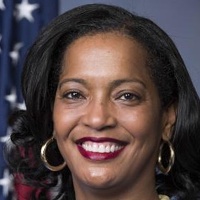
Jahana Hayes
Representative
CT
Jahana Hayes
Representative
CT
This resolution expresses the sense of the House of Representatives that paraprofessionals and education support staff deserve fair compensation, comprehensive benefits, and improved working conditions. It highlights the critical role these essential workers play in supporting millions of students nationwide. Ultimately, the bill calls for livable wages, job security, safe workplaces, and meaningful input into school policies for these staff members.
This Act allows employees to fully deduct union dues above the line and restores the itemized deduction for certain other job-related business expenses.
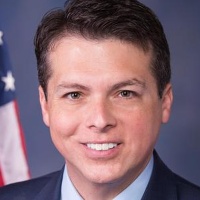
Brendan Boyle
Representative
PA
Brendan Boyle
Representative
PA
The Tax Fairness for Workers Act restores key federal tax deductions for employees, effective after 2024. This legislation makes union dues fully deductible "above the line," meaning they reduce Adjusted Gross Income without itemizing. Additionally, it allows itemizers to deduct certain other job-related business expenses that were previously limited.
The STOP Bullying Act establishes grants for states to create Anti-Bullying Task Forces to study, address, and reduce bullying in K-12 schools.
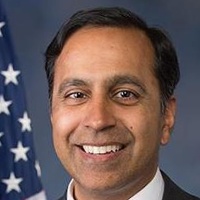
Raja Krishnamoorthi
Representative
IL
Raja Krishnamoorthi
Representative
IL
The STOP Bullying Act aims to combat widespread bullying in K-12 schools by providing federal grants to states to establish dedicated Anti-Bullying Task Forces. These task forces, composed of diverse stakeholders including students, parents, and educators, must study current anti-bullying policies and report actionable recommendations to reduce harassment. The bill emphasizes the need for safe learning environments for all students, regardless of background or identity.
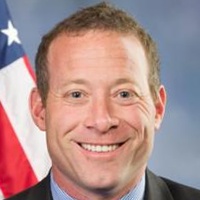
This bill eliminates reduced-price school meals while expanding eligibility for free meals by raising the income threshold and allowing direct certification for children receiving Medicaid.
Josh Gottheimer
Representative
NJ
Josh Gottheimer
Representative
NJ
The Expanding Access to School Meals Act of 2025 aims to simplify school meal programs by eliminating the "reduced-price" meal category for both breakfast and lunch. It significantly expands eligibility for free school meals by raising the federal poverty level threshold to 224% and allowing automatic certification for children receiving Medicaid benefits. Additionally, the bill enhances financial support for schools by allowing retroactive reimbursement claims and increasing the multiplier for the Community Eligibility Program.
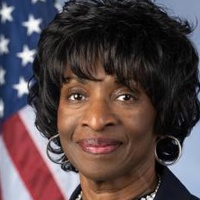
This Act establishes a federal rebate program, running through 2030, to incentivize eligible low-to-moderate-income homeowners in high-heat areas to install energy-saving, certified cool roof products.
Valerie Foushee
Representative
NC
Valerie Foushee
Representative
NC
The Cool Roof Rebate Act of 2025 establishes a federal program to provide rebates to eligible, low-to-moderate income homeowners for installing high-performance, energy-saving "cool roof" products. Rebate amounts are tiered based on the roof slope and the product's measured performance metrics, such as solar reflectance. This program is authorized through fiscal year 2030 and includes funding to update related calculation tools.
The Community First Act establishes federal grants to help local partnerships analyze data and implement strategies to significantly reduce local jail populations and associated equity disparities.
Wesley Bell
Representative
MO
Wesley Bell
Representative
MO
The Community First Act establishes a new federal grant program managed by the Attorney General to help local governments significantly reduce their jail populations and the length of pretrial detention. These grants fund both data analysis for planning and the implementation of evidence-based strategies like reducing cash bail and expanding pretrial services. Grantees must meet strict annual goals for incarceration rate reduction, or risk losing their funding. The Act prioritizes ambitious plans from high-incarceration areas while ensuring rural and mid-sized communities receive funding opportunities.