Legislative Activity
Track Shri's sponsored bills, co-sponsored legislation, and voting record
The Historic Tax Credit Growth and Opportunity Act of 2025 modifies rehabilitation tax credits by increasing rates for small projects, eliminating basis adjustments, and changing eligibility rules for various building improvements.
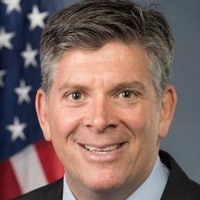
Darin LaHood
Representative
IL
Darin LaHood
Representative
IL
The Historic Tax Credit Growth and Opportunity Act of 2025 significantly enhances historic rehabilitation tax incentives. It establishes a permanent 20% credit rate for qualified expenditures and introduces an optional 30% credit for smaller projects, which includes the ability to transfer the credit. Furthermore, the bill simplifies calculations by eliminating the requirement to reduce the property's basis when claiming the credit.
This Act provides disaster survivors with federally backed mortgage payment forbearance, fee waivers, and protection from default during recovery.
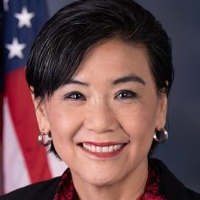
Judy Chu
Representative
CA
Judy Chu
Representative
CA
The Mortgage Relief for Disaster Survivors Act allows homeowners with Federally backed loans in a declared disaster area to request a mandatory 180-day forbearance on their mortgage payments. Borrowers must provide proof of property damage to their loan servicer to access this relief, which prohibits extra fees or penalties during the pause. This protection is available for both single-family and multifamily properties secured by loans purchased or securitized by Fannie Mae or Freddie Mac.
This Act establishes a federal grant program for states, local governments, and eligible dealers to conduct gun buybacks using restricted smart prepaid cards, and criminalizes the use of those cards for firearm or ammunition purchases.
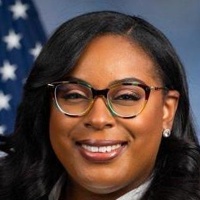
LaMonica McIver
Representative
NJ
LaMonica McIver
Representative
NJ
The Safer Neighborhoods Gun Buyback Act of 2025 establishes a federal grant program administered by the Bureau of Justice Assistance to fund state, local, and tribal governments, as well as eligible gun dealers, to conduct local gun buyback events. These buybacks must utilize specially designed "smart prepaid cards" that are technologically barred from purchasing firearms or ammunition. The bill also creates a new federal crime with significant penalties for anyone using or accepting these specific prepaid cards to illegally acquire or transfer a firearm or ammunition.
The STRONG Support for Children Act of 2025 establishes federal grant programs to fund data-driven strategies for preventing childhood trauma and to support trauma-informed care coordination for at-risk young children and their families.
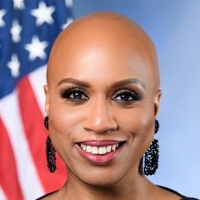
Ayanna Pressley
Representative
MA
Ayanna Pressley
Representative
MA
The STRONG Support for Children Act of 2025 establishes two new federal grant programs aimed at preventing and mitigating childhood trauma. The first program funds data-driven strategies to identify high-risk neighborhoods and implement community-based interventions for children aged 0-17. The second program provides Care Coordination Grants specifically for young children (0-5) and their caregivers to connect them with trauma-informed support services. Both initiatives emphasize using culturally responsive, strength-based approaches while strictly prohibiting the use of funds for individual case decisions or increased law enforcement surveillance.
The Housing for All Act of 2025 is a comprehensive bill that dramatically increases federal funding and establishes new programs to expand affordable housing, guarantee rental assistance, combat homelessness, and promote community-driven solutions.
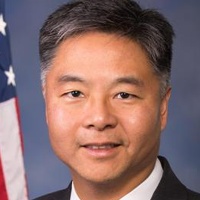
Ted Lieu
Representative
CA
Ted Lieu
Representative
CA
The Housing for All Act of 2025 is a comprehensive bill designed to aggressively combat the national housing shortage and homelessness crisis through massive federal investment. It establishes long-term funding for housing development, dramatically expands rental assistance programs like Section 8 vouchers, and creates new grants for supportive services and community-driven solutions. Ultimately, the Act aims to increase the supply of affordable and supportive housing while providing legal and crisis intervention resources for vulnerable populations.
The Youth Workforce Readiness Act of 2025 establishes grants for out-of-school programs run by community organizations to prepare eligible youth (ages 6-18) for employment through work experience, training, and mentorship, while also strengthening local Youth Councils.
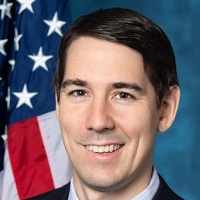
Josh Harder
Representative
CA
Josh Harder
Representative
CA
The Youth Workforce Readiness Act of 2025 establishes a competitive grant program to fund national organizations in developing comprehensive, out-of-school workforce readiness programs for youth aged 6 to 18. This Act aims to boost employment opportunities by connecting youth education and training with employer needs through community partnerships. Furthermore, it strengthens youth voices by mandating the reestablishment and integration of Youth Councils within local workforce boards to advise on training and readiness initiatives.
This resolution supports designating Black Maternal Health Week to highlight the urgent need to address the severe and preventable maternal health crisis disproportionately affecting Black women and birthing people in the United States.
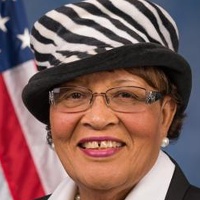
Alma Adams
Representative
NC
Alma Adams
Representative
NC
This resolution officially designates the week of April 11–17, 2025, as the eighth annual Black Maternal Health Week to raise national awareness of the severe maternal and reproductive health crisis facing Black women and birthing people. It highlights the unacceptable disparity where Black women are significantly more likely to die from pregnancy-related causes, emphasizing that most of these deaths are preventable. The bill calls for targeted investments, policy changes addressing systemic barriers, and the centering of Black women's voices in developing solutions to achieve equitable maternal health outcomes.
This bill extends the National Flood Insurance Program (NFIP) until December 31, 2026.
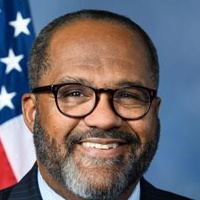
Troy Carter
Representative
LA
Troy Carter
Representative
LA
This bill extends the National Flood Insurance Program (NFIP) by moving its expiration date from September 30, 2023, to December 31, 2026. This action ensures the continuation of federal flood insurance coverage for an additional three years.
The Pursuing Equity in Mental Health Act increases funding for mental health programs, mandates research into racial and ethnic minority mental health disparities, and establishes new outreach and training initiatives to address these inequities.
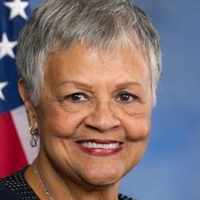
Bonnie Watson Coleman
Representative
NJ
Bonnie Watson Coleman
Representative
NJ
The Pursuing Equity in Mental Health Act aims to reduce mental health disparities among racial and ethnic minority groups through several key actions. It increases funding for existing grant programs and authorizes significant new funding for the NIH and NIMHD to support relevant research and community engagement. Furthermore, the bill mandates a comprehensive study on mental health research gaps and establishes a national strategy for culturally competent mental health outreach and education.
This bill clarifies the appointment process, mandates the assignment of permanent staff and resources, and reorganizes the structure of the Department of Homeland Security's Officer for Civil Rights and Civil Liberties.
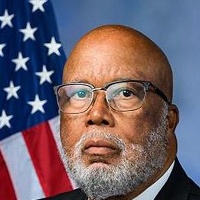
Bennie Thompson
Representative
MS
Bennie Thompson
Representative
MS
This Act officially establishes the **Department of Homeland Security Officer for Civil Rights and Civil Liberties Act**. It clarifies the appointment process for the DHS Officer for Civil Rights and Civil Liberties and mandates that the Secretary of Homeland Security provide the Officer with necessary permanent staff and resources. The changes ensure the Officer has the support required to fulfill their duties within the department.
This bill formally rejects the Internal Revenue Service's proposed rule requiring brokers to report gross proceeds from digital asset sales.
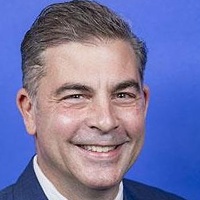
Mike Carey
Representative
OH
Mike Carey
Representative
OH
This bill seeks to formally reject a recent rule issued by the Internal Revenue Service (IRS) concerning gross proceeds reporting by brokers for digital asset sales. Through this joint resolution, Congress is exercising its authority to disapprove the specific IRS regulation. Consequently, the proposed reporting requirement will not take effect.
The SOAR Act of 2025 reforms Medicare oxygen benefits by removing competitive bidding, establishing specific supplier responsibilities, enhancing fraud protection through electronic documentation, and enshrining patient rights for supplemental oxygen recipients.
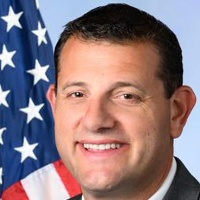
David Valadao
Representative
CA
David Valadao
Representative
CA
The SOAR Act of 2025 aims to significantly reform Medicare access to supplemental oxygen by removing it from the competitive bidding program and establishing new payment rates. The bill also mandates clearer documentation requirements for medical necessity using electronic templates and restores clinical judgment in claim audits. Finally, it establishes specific rights for oxygen beneficiaries and improves reimbursement for respiratory therapists.
The WISE Act aims to remove barriers for immigrant survivors of crime and abuse seeking legal status, while significantly reforming and expanding protections within the U-visa program and other victim-based immigration relief.
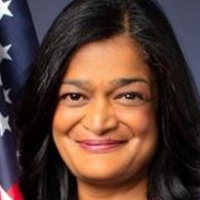
Pramila Jayapal
Representative
WA
Pramila Jayapal
Representative
WA
The Working for Immigrant Safety and Empowerment (WISE) Act aims to strengthen protections and streamline legal pathways for non-citizen survivors of crime and abuse, including domestic violence and trafficking. The bill reforms the U-visa program by eliminating its annual cap and speeding up work authorization for victims. It also establishes new protections against detention and deportation for victims with pending humanitarian applications and expands access to public benefits for certain lawfully present noncitizens.
The SERVICE Act significantly overhauls Public Service Loan Forgiveness (PSLF) by lowering the required payment count to 96 months, broadening what counts as a qualifying payment, allowing buybacks for missed payments, and establishing an online portal for tracking progress.
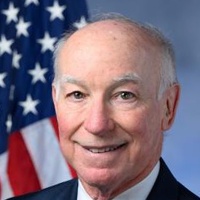
Joe Courtney
Representative
CT
Joe Courtney
Representative
CT
The SERVICE Act significantly overhauls Public Service Loan Forgiveness (PSLF) by lowering the required payment count from 120 to 96 months and broadening what counts as a qualifying payment, including certain forbearance periods. It also introduces a "buyback" option allowing borrowers to purchase credit for past non-payment months worked in public service. Furthermore, the bill mandates the creation of an online borrower portal for tracking progress and stops the capitalization of interest following deferment or forbearance.
This bill terminates specific prior presidential tariff orders and requires Congressional approval for the President to impose new trade barriers or withdraw existing trade agreement concessions.
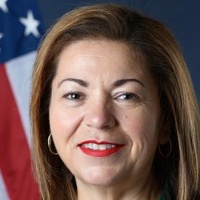
Linda Sánchez
Representative
CA
Linda Sánchez
Representative
CA
This Act immediately terminates specific existing presidential executive orders imposing tariffs. It requires Congressional approval via a fast-tracked joint resolution before the President can impose new trade barriers or withdraw existing trade agreement concessions. This ensures major new trade restrictions require legislative authorization, except in cases involving existing anti-dumping enforcement or specific trade dispute rulings.
This Act prohibits the transfer or deferral of federal funds specifically appropriated for the National Weather Service and the Great Lakes region within NOAA.
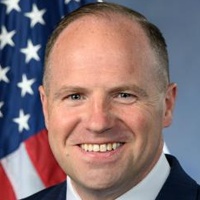
Timothy Kennedy
Representative
NY
Timothy Kennedy
Representative
NY
This Act, the Great Lakes and National Weather Service Funding Protection Act, prohibits the deferral, transfer, or reprogramming of federal funds specifically allocated to the National Weather Service (NWS) and the Great Lakes region. These dedicated funds cannot be moved for other uses unless a subsequent law explicitly overrides this protection. The NOAA Administrator must annually certify compliance with this funding restriction to key Congressional committees.
This Act establishes an Advisory Council to survey needs, identify best practices, and disseminate comprehensive resources for victims of all forms of gun violence.
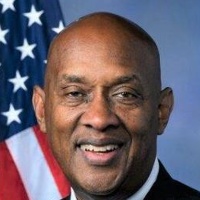
Dwight Evans
Representative
PA
Dwight Evans
Representative
PA
The Resources for Victims of Gun Violence Act of 2025 establishes an Advisory Council, led by HHS, to assess the needs of gun violence victims and service providers. This Council will survey stakeholders, review existing support programs, and identify best practices for medical, financial, and mental health assistance. Its primary function is to compile and widely distribute a comprehensive list of available federal, state, and nonprofit resources to ensure victims can easily access necessary aid.
The Gas-Operated Semi-Automatic Firearms Exclusion (GOSAFE) Act prohibits the manufacture, sale, and possession of certain gas-operated semi-automatic firearms and large-capacity ammunition feeding devices, while establishing a formal process for firearm determinations and funding buy-back programs.
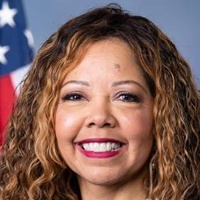
Lucy McBath
Representative
GA
Lucy McBath
Representative
GA
The Gas-Operated Semi-Automatic Firearms Exclusion Act (GOSAFE Act) prohibits the manufacture, sale, and possession of certain gas-operated semi-automatic firearms and large-capacity ammunition feeding devices (over 10 rounds). The bill establishes a formal process managed by the Attorney General and ATF to list prohibited firearms, while grandfathering existing possessions under strict transfer rules. Furthermore, it permits states to use federal Byrne grants for voluntary buy-back programs targeting these newly restricted items. Violations carry significant fines and potential prison sentences.
This resolution recognizes the 159th anniversary of the landmark Civil Rights Act of 1866, the first federal law defining citizenship and guaranteeing equal protection under the law for all citizens.
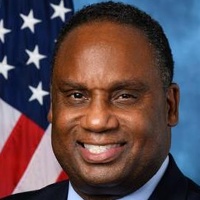
Jonathan Jackson
Representative
IL
Jonathan Jackson
Representative
IL
This resolution commemorates the 159th anniversary of the landmark Civil Rights Act of 1866. It recognizes this Act as the first federal law defining citizenship and guaranteeing equal protection under the law for all citizens. Furthermore, the resolution highlights the Act's foundational role in shaping the Thirteenth and Fourteenth Amendments. Congress affirms its commitment to supporting and defending the rights belonging to all Americans.
This act bans bump stocks and similar devices that increase the firing rate of semi-automatic firearms, requiring registration for any previously modified weapons.
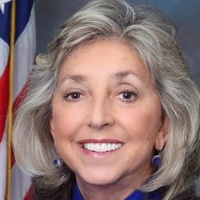
Dina Titus
Representative
NV
Dina Titus
Representative
NV
The Closing the Bump Stock Loophole Act of 2025 seeks to amend federal gun laws by banning devices and modifications that significantly increase the rate of fire of semiautomatic firearms, effectively treating them like machineguns. The bill specifically prohibits the manufacture, sale, or possession of such accessories and modified firearms after 120 days of enactment. Existing owners of previously modified firearms must register them under the National Firearms Act within that same timeframe to legally keep them.