Legislative Activity
Track Shri's sponsored bills, co-sponsored legislation, and voting record
This bill mandates the phase-out of mink farming, requires humane termination of existing mink populations, and establishes a federal payment program to compensate affected farm owners.
Adriano Espaillat
Representative
NY
Adriano Espaillat
Representative
NY
The Mink VIRUS Act mandates the complete cessation of mink farming one year after enactment and establishes strict federal standards for the humane termination of any remaining mink. It creates a payment program administered by the USDA to compensate farm owners for compliance costs and asset value, contingent upon a permanent easement preventing future fur farming on the land. The Act also specifies penalties for non-compliance with termination rules and exempts its budgetary effects from standard PAYGO scorecards.
The Delinking Revenue from Unfair Gouging Act (DRUG Act) fundamentally restructures Pharmacy Benefit Manager (PBM) compensation by prohibiting most third-party payments and requiring service fees to be flat-rate and unconnected to drug prices, effective January 1, 2027.
Mariannette Miller-Meeks
Representative
IA
Mariannette Miller-Meeks
Representative
IA
The Delinking Revenue from Unfair Gouging Act (DRUG Act) fundamentally reforms how Pharmacy Benefit Managers (PBMs) are paid for administering prescription drug benefits, effective January 1, 2027. This legislation prohibits PBMs from receiving most revenue tied to drug prices, rebates, or discounts from third parties. Instead, PBMs may only charge a strictly defined, flat-rate "bona fide service fee" for itemized services rendered. The bill mandates that all negotiated rebates and discounts must be fully passed through to the health plan or issuer to lower prescription costs for members.
This bill restores protections to prevent private health insurance plans from discriminating against dialysis patients with End-Stage Renal Disease (ESRD) or shifting their treatment costs unfairly onto Medicare.
Mike Kelly
Representative
PA
Mike Kelly
Representative
PA
The Restore Protections for Dialysis Patients Act aims to prevent private health insurance plans from discriminating against patients with End-Stage Renal Disease (ESRD). This legislation clarifies that plans cannot offer worse benefits or unfairly limit coverage for dialysis treatments compared to other medical services. Furthermore, it stops these plans from shifting the primary financial responsibility for ESRD care onto Medicare. The bill maintains existing rules ensuring fair treatment while preserving a health plan's ability to select its network of dialysis providers.
Supports the designation of March 18, 2025, as "National Agriculture Day" and recognizes the importance of agriculture in the United States.
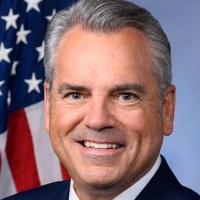
Mark Alford
Representative
MO
Mark Alford
Representative
MO
This resolution expresses support for designating March 18, 2025, as "National Agriculture Day." It recognizes and celebrates the significant impact of agriculture as a leading industry in the United States.
Urges Congress and the administration to collaborate on food and agricultural trade policies that expand market access, eliminate trade barriers, and ensure global competitiveness for U.S. farmers and ranchers.
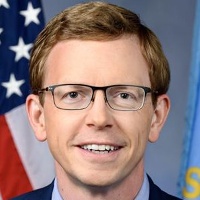
Dusty Johnson
Representative
SD
Dusty Johnson
Representative
SD
This resolution urges Congress and the administration to work together to address the decline in U.S. food and agricultural exports by expanding market access, reducing trade barriers, and supporting domestic trade promotion programs. It emphasizes the importance of trade agreements and the enforcement of existing commitments to ensure global competitiveness for U.S. farmers and ranchers. The resolution seeks a global trading system grounded in scientific principles to bolster the U.S. agricultural sector.
This Act establishes a tax credit for distributors who carry programming from qualifying independent programmers and mandates a biennial FCC report on the landscape of independent programming distribution.
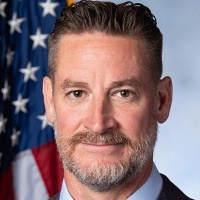
W. Steube
Representative
FL
W. Steube
Representative
FL
The Independent Programmers Tax Incentive Act establishes a new tax credit for distributors who carry programming from qualifying independent content creators. This legislation aims to encourage broader carriage of smaller programmers by offering financial incentives to distributors like cable and streaming services. Additionally, the bill mandates the FCC to submit biennial reports to Congress regarding the distribution landscape for these independent programmers.
This Act expands eligibility for certain SNAP benefits for veterans based on specific disability ratings or pension status, effective October 1, 2030.
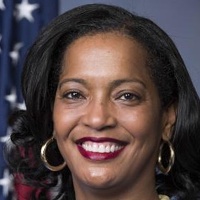
Jahana Hayes
Representative
CT
Jahana Hayes
Representative
CT
The Feed Hungry Veterans Act of 2025 expands eligibility for certain food assistance benefits for veterans. It updates the criteria for veterans based on service-connected disability ratings and adds specific categories of disabled or pensioned veterans who will now qualify. These changes are scheduled to take effect on October 1, 2030.
This Act ensures that Inspectors General can continue to fund and operate their offices during a lapse in government appropriations to maintain oversight.
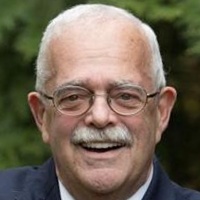
Gerald Connolly
Representative
VA
Gerald Connolly
Representative
VA
The Keep the Watchdogs Running Act ensures that Inspectors General (IGs) can continue essential oversight functions even during a lapse in government appropriations. This legislation allows IGs to use existing funding levels to maintain operations and monitor any government activities that remain active despite a budget shortfall. Essentially, it prevents critical watchdog functions from being halted when Congress fails to pass a new budget.
This bill extends the Medicare ground ambulance payment pilot program through 2028 to ensure continued patient access to these essential medical services.
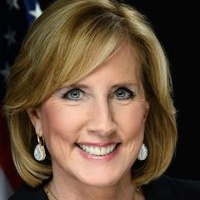
Claudia Tenney
Representative
NY
Claudia Tenney
Representative
NY
The Protecting Access to Ground Ambulance Medical Services Act of 2025 extends the current Medicare payment structure for ground ambulance services. This change ensures continuity in how these vital services are reimbursed under existing rules. Specifically, the temporary payment pilot program is extended through 2028, preventing an immediate change in payment policy.
This act exempts surplus broiler hatching eggs sold to egg breakers from a specific current shell egg rule while mandating a new regulation for their handling and temperature control.
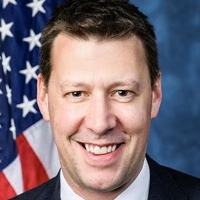
Josh Riley
Representative
NY
Josh Riley
Representative
NY
The Lowering Egg Prices Act of 2025 aims to reduce costs by streamlining the handling of surplus broiler hatching eggs sold to commercial egg breakers for processing into liquid egg products. This bill exempts these specific surplus eggs from certain current shell egg regulations. It also mandates the creation of a new rule within 180 days to establish appropriate temperature and time limits for holding these eggs before processing.
Commemorates the 108th anniversary of Selfridge Air National Guard Base, recognizing its historical importance, economic impact, and vital role in national security.
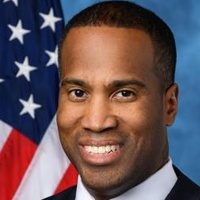
John James
Representative
MI
John James
Representative
MI
This bill honors Selfridge Air National Guard Base on its 108th anniversary, recognizing its historical significance, economic impact, and strategic importance to national security. It acknowledges the base's contributions to military operations, its role in homeland defense, and its selection for the KC-46A Pegasus tanker aircraft beddown. The bill also commends the personnel of Selfridge Air National Guard Base and encourages continued support and investment in the base.
This Act extends the eligibility period for beginning and veteran farmers and ranchers to receive enhanced crop insurance premium assistance.
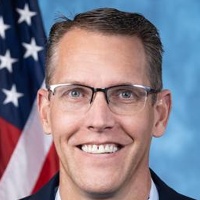
Randy Feenstra
Representative
IA
Randy Feenstra
Representative
IA
The Crop Insurance for Future Farmers Act expands eligibility for enhanced crop insurance support by increasing the definition of a "beginning farmer or rancher" from five to ten crop years. This legislation also extends the qualifying period for "veteran farmers and ranchers" under the same terms. Furthermore, it restructures the premium assistance structure for these groups, providing tiered, decreasing levels of extra financial help over their first ten years of participation.
The Major Richard Star Act ensures that military retirees with combat-related disabilities can concurrently receive their full military retirement pay and VA disability compensation without reduction.

Gus Bilirakis
Representative
FL
Gus Bilirakis
Representative
FL
The Major Richard Star Act ensures that military retirees with combat-related disabilities can receive both their military retirement pay and VA disability compensation concurrently without reduction. This law removes previous restrictions that caused military retirement pay to be offset by VA disability payments for these specific cases. The changes take effect on the first day of the month following the Act's enactment.
The Safe Vehicle Access for Survivors Act mandates that connected vehicle service providers quickly terminate an abuser's remote access to a survivor's vehicle upon request, while protecting the survivor's privacy and ensuring no fees are charged for the action.

Debbie Dingell
Representative
MI
Debbie Dingell
Representative
MI
The Safe Vehicle Access for Survivors Act mandates that providers of connected vehicle services must quickly terminate an abuser's remote access to a survivor's vehicle upon request, without imposing fees or requiring co-owner consent. This legislation requires providers to secure the survivor's information, offer clear instructions for regaining sole control, and establish specific notification procedures for all actions taken. The FCC is tasked with creating detailed regulations to ensure survivor safety and data confidentiality within two years of the bill's enactment.
This Act establishes stricter public review periods, community protections, and regulatory oversight before the Postal Service can close post offices or consolidate mail processing facilities.
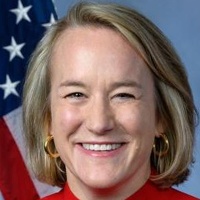
Nicole (Nikki) Budzinski
Representative
IL
Nicole (Nikki) Budzinski
Representative
IL
The Protect Postal Performance Act establishes stricter public review periods and new protections before the Postal Service can close or consolidate local post offices. It also imposes significant limitations on the USPS's ability to change mail processing centers and transportation schedules. These changes require advisory opinions from the Postal Regulatory Commission (PRC) and prohibit facility closures in areas with poor recent on-time delivery performance.
Recognizes and celebrates Delta Air Lines' 100th anniversary, acknowledging its global impact and commitment to community.
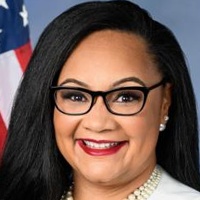
Nikema Williams
Representative
GA
Nikema Williams
Representative
GA
This bill recognizes and celebrates the 100th anniversary of Delta Air Lines, acknowledging its historical significance as the first U.S. airline to reach this milestone. It highlights Delta's growth, global connectivity, commitment to community, and industry leadership.
The HELPER Act of 2025 establishes a new FHA mortgage insurance program offering 100% financing with an upfront premium and no monthly premiums for eligible first responders, educators, and law enforcement officers.
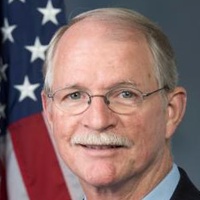
John Rutherford
Representative
FL
John Rutherford
Representative
FL
The HELPER Act of 2025 establishes a new FHA mortgage insurance program to assist first responders, educators, and law enforcement officers in purchasing homes. This program offers eligible first-time homebuyers 100% financing with no down payment required. Instead of monthly premiums, borrowers pay an upfront FHA insurance premium at closing.
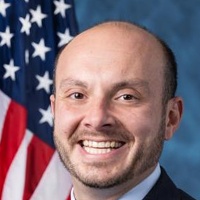
This act officially designates Postal Service police officers as federal agents with authority over Postal Service property and establishes penalties for violating property rules set by the Postmaster General.
Andrew Garbarino
Representative
NY
Andrew Garbarino
Representative
NY
The Postal Police Reform Act of 2025 officially designates Postal Service police officers as federal law enforcement agents under Title 18 of the U.S. Code. This legislation grants the Postmaster General the authority to establish and enforce rules for protecting Postal Service property. Violations of these new rules may result in federal fines or imprisonment up to 30 days.
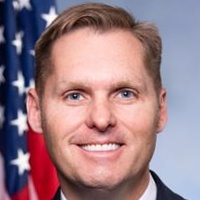
Extends a pilot program for developing advanced technologies for homeland security, requiring congressional notification for AI-related transactions and lowering the contract award threshold.
Michael Guest
Representative
MS
Michael Guest
Representative
MS
The PATHS Act extends a pilot program to support research and development for homeland security technologies until 2028. It requires congressional notification for AI-related transactions and lowers the contract award threshold for program applicability. Formally, the bill is called the "Producing Advanced Technologies for Homeland Security Act" or the "PATHS Act."
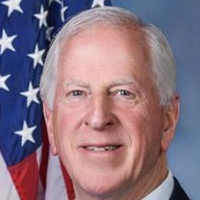
This bill establishes a temporary, capped tax credit for businesses investing in translational research for neurodegenerative diseases and psychiatric conditions, prioritizing scientifically meritorious projects and public-private partnerships.
Mike Thompson
Representative
CA
Mike Thompson
Representative
CA
The Mental Health Research Accelerator Act of 2025 establishes a new 25% tax credit for businesses investing in translational research for neurodegenerative diseases and psychiatric conditions. This credit is subject to annual spending caps and allocation rules prioritizing scientific merit and public-private partnerships. The goal is to accelerate the development of new treatments and devices for central nervous system disorders.