Legislative Activity
Track Shri's sponsored bills, co-sponsored legislation, and voting record
This bill establishes a study and grant program to promote the use of stop-arm safety cameras on school buses to enhance student safety.
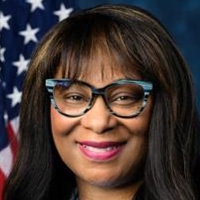
Janelle Bynum
Representative
OR
Janelle Bynum
Representative
OR
This act establishes the School Bus Stop-Arm Safety Camera Act to enhance student safety around school buses. It mandates a federal study on the benefits and best practices for using stop-arm safety cameras, including data privacy. Furthermore, the bill creates a grant program to help state educational agencies purchase and install this camera technology on school buses.
This act establishes a loan repayment program for general surgeons who commit to working in underserved areas and mandates a study to better define and designate general surgery shortage areas.
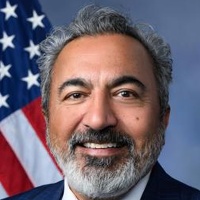
Ami Bera
Representative
CA
Ami Bera
Representative
CA
The Ensuring Access to General Surgery Act of 2026 establishes a federal program to address the shortage of general surgeons in underserved communities. This program offers loan repayment assistance of up to $200,000 over four years for eligible surgeons who commit to working in designated shortage areas. Additionally, the bill mandates a comprehensive study to develop a standardized methodology for accurately identifying and designating general surgery shortage areas across the nation.
This resolution expresses the House's sense that protecting women's rights and leadership is critical for Haiti's stability while condemning current failures in centering their needs and calling for urgent human rights measures.
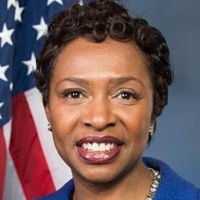
Yvette Clarke
Representative
NY
Yvette Clarke
Representative
NY
This resolution asserts that advancing the rights of women and girls in Haiti is crucial for the nation's stability and successful transition from crisis. It condemns the widespread gender-based violence and the exclusion of women from leadership roles in the transitional government. The bill calls for urgent measures to center women's needs, ensure their representation in government, and prioritize funding for survivor services and accountability for violence.
The TRACK ICE Act mandates increased public transparency for certain aircraft flights conducted by federal agencies for immigration enforcement purposes, including the disclosure of flight data and passenger details.

Jasmine Crockett
Representative
TX
Jasmine Crockett
Representative
TX
The TRACK ICE Act aims to increase transparency regarding certain immigration enforcement flights. It removes privacy protections for private aircraft used by agencies like ICE or CBP for detaining or deporting individuals. The bill mandates the Department of Homeland Security to publicly report specific flight data, including passenger demographics and restraint usage, within 72 hours of these operations.
This Act supports Eastern Mediterranean nations as a strategic gateway for the India-Middle East-Europe Economic Corridor (IMEC) by prioritizing diplomacy, energy security, and defense cooperation.
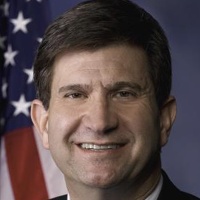
Bradley Schneider
Representative
IL
Bradley Schneider
Representative
IL
The Eastern Mediterranean Gateway Act supports key Eastern Mediterranean nations—Egypt, Greece, Cyprus, and Israel—as strategic partners for the India-Middle East-Europe Economic Corridor (IMEC). The bill directs the U.S. to prioritize diplomatic engagement, energy security, and defense cooperation in the region. It also mandates several reports to Congress detailing implementation, multilateral initiatives, and potential expansions of successful U.S.-Israel partnership models to other regional allies.
This bill prohibits political appointees from managing NIH programs or participating in NIH funding decisions, and prevents the NIH from unilaterally canceling existing research agreements without documented findings of mismanagement or fraud.

Diana DeGette
Representative
CO
Diana DeGette
Representative
CO
The Follow the Science Act aims to insulate the National Institutes of Health (NIH) from political influence by prohibiting most political appointees from working on or managing NIH programs. This legislation specifically bars political employees from participating in the review, selection, or awarding of NIH grants and contracts. Furthermore, it restricts the NIH Director from canceling or delaying existing funding agreements unless specific findings of mismanagement or fraud are documented and reported to Congress.
This bill prohibits the Department of Homeland Security from using private contractors for activities like skip tracing, surveillance, or location verification in civil immigration enforcement.
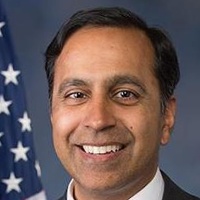
Raja Krishnamoorthi
Representative
IL
Raja Krishnamoorthi
Representative
IL
This bill, the "No Private Bounty Hunters for Immigration Enforcement Act," prohibits the Department of Homeland Security (DHS) from using private contractors for activities like skip tracing, surveillance, or location verification in civil immigration enforcement. It mandates the termination or amendment of all existing contracts that involve these practices. Furthermore, the legislation generally bans paying private entities on a per-person or bonus basis for locating individuals subject to civil immigration detainers.
This bill establishes a competitive grant program through the NSF to expand U.S. capacity in AI research, education, and workforce development, prioritizing institutions with historically lower federal research expenditures and minority-serving institutions.
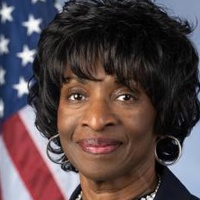
Valerie Foushee
Representative
NC
Valerie Foushee
Representative
NC
The Expanding AI Voices Act establishes a new competitive grant program administered by the National Science Foundation (NSF). This program aims to significantly broaden participation and capacity in U.S. artificial intelligence research, education, and workforce development. Awards will prioritize institutions that have historically received less federal AI research funding, including HBCUs, MSIs, and Tribal Colleges. Funds must support activities like program expansion, faculty development, access to research resources, and integrating ethical practices into AI training.
This Act amends the Integrated Vegetation Management grant program to expand eligibility, increase funding limits, and enhance pollinator-friendly practices along roadsides and highway rights-of-way.
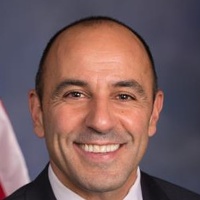
Jimmy Panetta
Representative
CA
Jimmy Panetta
Representative
CA
The Roadside Pollinator Program Amendments Act updates the existing grant program that supports pollinator-friendly practices along roadsides and highway rights-of-way. This bill expands eligibility for grants to include certain nonprofits and Indian Tribes, while also increasing the maximum grant award amount. Furthermore, it boosts the program's authorized funding levels through fiscal year 2031.
This bill automatically appropriates funds to ensure federal employees and essential contractors receive their regular pay during a government shutdown.
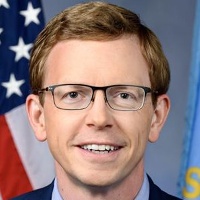
Dusty Johnson
Representative
SD
Dusty Johnson
Representative
SD
The Shutdown Fairness Act automatically appropriates necessary funds to ensure federal employees and essential contractors receive their regular pay during a government shutdown. This legislation mandates timely payment for covered personnel, regardless of whether they were deemed "excepted" or furloughed. The funds are charged against the agency's subsequent regular appropriations once they are enacted.
This bill disallows certain tax deductions and imposes an excise tax on single-family home sales by large investors, while prohibiting federal mortgage assistance to these entities, with collected funds supporting low-income housing.
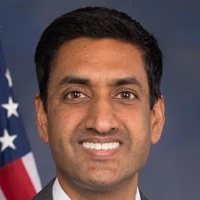
Ro Khanna
Representative
CA
Ro Khanna
Representative
CA
The Stop Wall Street Landlords Act of 2026 aims to curb large corporate ownership of single-family homes. It disallows key tax deductions, such as mortgage interest and depreciation, for investors holding over $100 million in assets who own these properties. The bill also imposes a full excise tax on the sale of these homes by such investors. Finally, it prohibits Fannie Mae, Freddie Mac, and Ginnie Mae from financing mortgages held by these specified large investors.
This Act mandates federal agencies to establish civil rights offices and report biennially on efforts to mitigate bias and discrimination in covered algorithmic systems that affect protected characteristics.
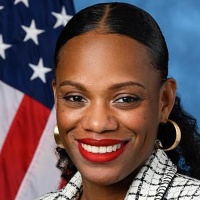
Summer Lee
Representative
PA
Summer Lee
Representative
PA
The Eliminating Bias in Algorithmic Systems Act of 2026 mandates that federal agencies address bias and discrimination in automated systems that materially affect individuals based on protected characteristics. This requires covered agencies to establish specialized civil rights offices focused on algorithmic harms. These offices must submit biennial reports to Congress detailing risks, mitigation efforts, stakeholder engagement, and legislative recommendations regarding biased algorithms.
The PATH to Education Act establishes grants to improve public transit access for students attending community colleges, minority-serving institutions, Head Start programs, and other eligible schools.
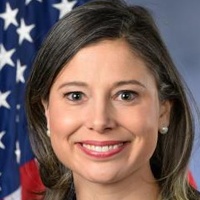
Maggie Goodlander
Representative
NH
Maggie Goodlander
Representative
NH
The PATH to Education Act establishes a new federal grant program to improve public transit access for students attending community colleges, technical schools, and Head Start programs. These grants will fund projects like adding new routes or increasing service frequency to better connect students with their educational institutions. Priority will be given to partnerships serving institutions with a high percentage of Pell Grant recipients.
This Act mandates that newly elected House members from special elections must be sworn in within five legislative days of their election certification.
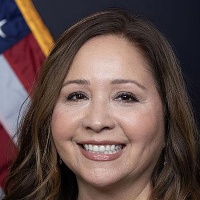
Adelita Grijalva
Representative
AZ
Adelita Grijalva
Representative
AZ
The No Delay in Representation Act ensures that individuals elected to the House of Representatives through special elections are seated promptly. It mandates that these new members must be given the opportunity to take the oath of office within five legislative days of their election certification. This act aims to prevent delays in representation for newly elected members.
This bill establishes a comprehensive, department-wide use of force policy for DHS law enforcement, mandates regular public reporting of use of force data, and requires enhanced training and oversight.
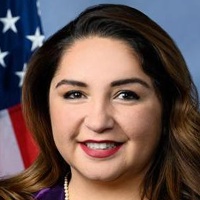
Delia Ramirez
Representative
IL
Delia Ramirez
Representative
IL
The DHS Use of Force Oversight Act establishes a comprehensive, department-wide policy for the use of force by all DHS law enforcement personnel. This policy mandates de-escalation as the preferred approach, prohibits chokeholds, and requires extensive training. Furthermore, the bill mandates regular public reporting of use-of-force data and requires timely briefings to Congress following serious incidents.
This bill restricts the Department of Homeland Security's use and sharing of specific facial recognition mobile applications to only identifying individuals at ports of entry and mandates the destruction of captured U.S. citizen biometric data.
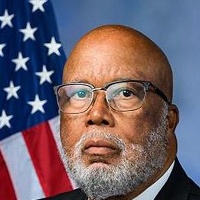
Bennie Thompson
Representative
MS
Bennie Thompson
Representative
MS
This bill, the Realigning Mobile Phone Biometrics for American Privacy Protection Act, restricts the Department of Homeland Security's use of specific facial recognition mobile applications to identifying individuals only at ports of entry. It prohibits sharing these applications with other agencies and mandates the destruction of U.S. citizen biometric data captured by them. The law requires immediate removal and deactivation of these applications from non-essential systems and remote disabling of downloaded copies.
This bill establishes a Department of Justice Task Force to combat anti-Sikh hate and discrimination through definition, education, and reporting.
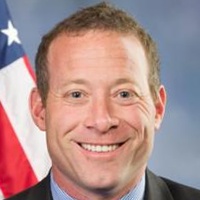
Josh Gottheimer
Representative
NJ
Josh Gottheimer
Representative
NJ
The Sikh American Anti-Discrimination Act of 2026 establishes a Department of Justice Task Force dedicated to combating anti-Sikh hate and discrimination. This Task Force is charged with formally defining anti-Sikh hate, developing educational programs for law enforcement and schools, and collaborating with the Sikh community. The bill mandates annual reporting to Congress on hate crimes, legal actions, and ongoing threats against Sikhs.
This bill impeaches Secretary of Homeland Security Kristi Lynn Arnold Noem for high crimes and misdemeanors, citing willful refusal to comply with oversight law, violating the Impoundment Control Act, directing unlawful ICE misconduct, and misusing federal funds for personal gain.
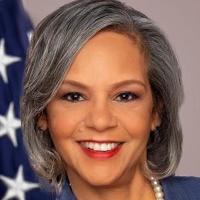
Robin Kelly
Representative
IL
Robin Kelly
Representative
IL
This resolution initiates impeachment proceedings against Secretary of Homeland Security Kristi Lynn Arnold Noem for high crimes and misdemeanors. The articles of impeachment charge her with willfully refusing to comply with Congressional oversight laws and violating the Impoundment Control Act by improperly withholding funds. Further articles allege she directed widespread misconduct by ICE agents that violated federal law and constitutional rights, and misused taxpayer funds for personal gain through improper contracting.
This act rescinds specific prior appropriations and redirects those funds to extend the application of certain healthcare tax credits while establishing new transparency and accountability measures.
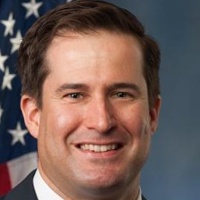
Seth Moulton
Representative
MA
Seth Moulton
Representative
MA
The Healthcare Reinvestment Act rescinds specific prior appropriations and redirects those funds to extend the availability of certain tax credits under the Internal Revenue Code. This legislation ensures continued financial support for healthcare affordability measures. Furthermore, it mandates annual public reporting and independent audits to ensure transparency and accountability in the use of these reinvested funds.
This Act prohibits the federal government from taking investigative, regulatory, or enforcement actions against persons or entities if those actions are substantially motivated by the target's constitutionally protected speech or political participation.
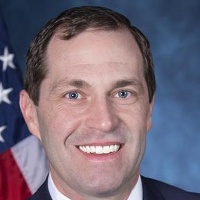
Jason Crow
Representative
CO
Jason Crow
Representative
CO
The No Political Enemies Act prohibits the federal government from initiating investigative, regulatory, or enforcement actions against individuals or entities if those actions are substantially motivated by the person's constitutionally protected speech or political participation. The bill establishes an affirmative defense for defendants facing such politically motivated actions and allows covered persons to sue federal officials for damages or seek injunctions against targeting based on protected speech. Furthermore, it mandates regular reporting from the Department of Justice to Congress regarding sensitive investigations and prosecutions.