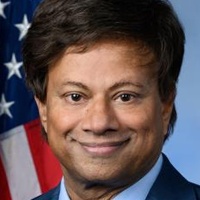
Legislative Activity
Track Shri's sponsored bills, co-sponsored legislation, and voting record
The Part-Time Worker Bill of Rights Act expands FMLA eligibility to part-time employees and establishes protections against scheduling discrimination, ensuring fair access to benefits and work hours.

Janice Schakowsky
Representative
IL
Janice Schakowsky
Representative
IL
The Part-Time Worker Bill of Rights Act aims to strengthen protections and expand benefits for part-time and temporary employees. The legislation eliminates restrictive hours-of-service requirements for FMLA leave and prohibits discrimination based on hours worked regarding pay, benefits, and promotion opportunities. Additionally, it mandates that employers offer available work hours to existing staff before hiring new employees or contractors.
This Act establishes a grant program to fund state, local, and Tribal governments for the complete destruction of firearms.
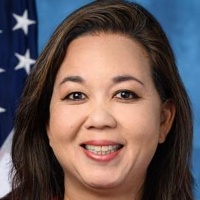
Jill Tokuda
Representative
HI
Jill Tokuda
Representative
HI
The Restoring Trust in Public Safety Act establishes a grant program to fund the complete destruction of firearms by state, local, and Tribal governments. Eligible entities can apply for competitive grants to cover costs associated with destruction equipment, services, and training. Grantees must certify that all firearms and components are fully destroyed and maintain detailed records of the process.
This act removes the White House and its grounds from a specific list of protected properties under existing historic preservation law.
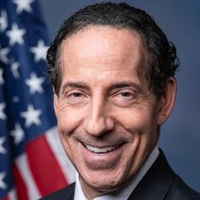
Jamie Raskin
Representative
MD
Jamie Raskin
Representative
MD
The People's White House Historic Preservation Act removes the White House and its grounds from a specific list of properties under current preservation law. This action reclassifies the status of the White House regarding federal historic preservation regulations.
The Essential Caregivers Act of 2025 guarantees nursing home and long-term care residents the right to designate an essential caregiver who maintains access to them even during public health emergencies.
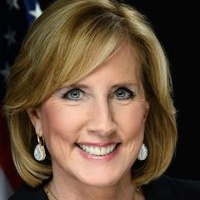
Claudia Tenney
Representative
NY
Claudia Tenney
Representative
NY
The Essential Caregivers Act of 2025 protects the rights of residents in long-term care facilities to designate an essential caregiver who can provide support and companionship. This legislation ensures that these caregivers maintain in-person access to residents even during public health emergencies when general visitation is restricted. By establishing clear protocols and an appeals process, the bill aims to prevent the harmful effects of isolation and ensure residents continue to receive vital care and advocacy.
This act restricts senior government officials and their families from owning or trading specific investments, requiring divestment of existing holdings to restore public trust.
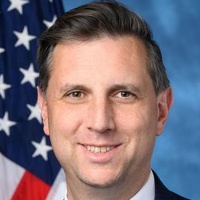
Seth Magaziner
Representative
RI
Seth Magaziner
Representative
RI
The Restore Trust in Government Act establishes strict new federal restrictions on senior government officials and their immediate families regarding the ownership and trading of specific financial investments. Covered individuals must divest existing investments that fall under the law's definition within a set timeframe, with limited exceptions. Violators face significant financial penalties, including a 10% fee on the investment value and disgorgement of any profits earned from prohibited transactions.
This bill establishes a Diversity and Inclusion Administrator, requires apprenticeship programs to submit plans to increase African American participation, and authorizes grants to expand diversity in registered apprenticeship programs.
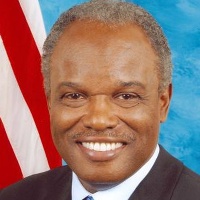
David Scott
Representative
GA
David Scott
Representative
GA
This Act addresses the significant unemployment disparities faced by young African Americans by strengthening pathways into registered apprenticeship programs. It establishes a Diversity and Inclusion Administrator within the Department of Labor to promote greater participation from underrepresented groups. Furthermore, the bill authorizes a competitive grant program to help entities create or expand apprenticeships, requiring applicants to submit plans specifically aimed at increasing African American enrollment.
This bill authorizes Congress to award Congressional Gold Medals to the 1980 U.S. Men's Olympic Ice Hockey team for their historic "Miracle on Ice" victory.
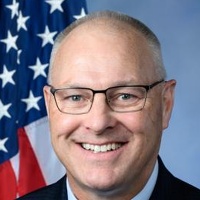
Pete Stauber
Representative
MN
Pete Stauber
Representative
MN
This bill, the Miracle on Ice Congressional Gold Medal Act, officially authorizes Congress to award Congressional Gold Medals to the 1980 U.S. Men's Olympic Ice Hockey Team for their historic "Miracle on Ice" victory. The medals will be struck by the Treasury and permanently displayed at specific national sports museums. The Act also permits the sale of duplicate bronze medals to cover production costs.
This act nullifies a recent Executive Order regarding federal labor relations and ensures existing collective bargaining agreements remain in effect.
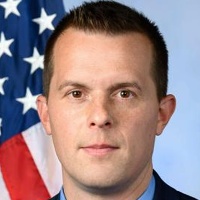
Jared Golden
Representative
ME
Jared Golden
Representative
ME
The Protect America's Workforce Act nullifies a specific Executive Order issued in March 2025 concerning exclusions from federal labor-management relations programs. This legislation ensures that any existing collective bargaining agreements between federal agencies and employee unions remain fully in effect until their stated expiration dates. The Act also prohibits the use of federal funds to implement the overturned Executive Order.
This act mandates federal studies on AI's job impact and establishes new grant programs to expand technology education and workforce training.
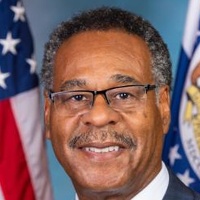
Emanuel Cleaver
Representative
MO
Emanuel Cleaver
Representative
MO
The Workforce of the Future Act of 2025 mandates federal studies on AI's impact on jobs and establishes new grant programs to expand technology education and workforce training. Title I requires comprehensive reports from key departments detailing necessary future skills and policy recommendations. Title II creates federal grants to boost K-12 technology education and fund retraining for workers in AI-affected industries.
This act restores access to professional degrees by amending the Higher Education Act to remove specific annual and aggregate loan limits for graduate and professional students.
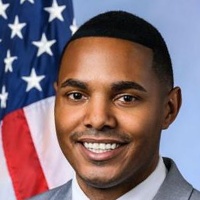
Ritchie Torres
Representative
NY
Ritchie Torres
Representative
NY
The Professional Degree Access Restoration Act amends the Higher Education Act to eliminate specific annual and aggregate loan limits for Federal Direct PLUS Loans made to graduate and professional students. This action removes previous restrictions on the maximum amount graduate students can borrow through these federal loan programs.
This act generally prohibits submitting animal testing data to federal agencies when non-animal test methods are available, while establishing requirements to limit animal harm.
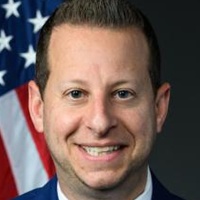
Jared Moskowitz
Representative
FL
Jared Moskowitz
Representative
FL
The Replace Animal Tests Act of 2025 generally prohibits submitting data from animal testing to covered federal agencies if a non-animal testing method is available. This legislation mandates that agencies prioritize non-animal methods, minimize harm when animal testing is unavoidable, and issue annual reports detailing animal use. Covered agencies, including the FDA and EPA, must also update regulations to reflect the acceptability of these modern, non-animal testing alternatives.
This act increases the annual and aggregate loan limits for Federal Direct Unsubsidized Stafford Loans for graduate and professional students, effective July 1, 2026.
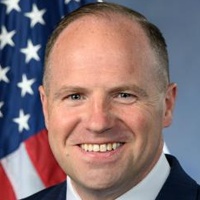
Timothy Kennedy
Representative
NY
Timothy Kennedy
Representative
NY
The Loan Equity for Advanced Professionals Act raises the federal student loan limits for graduate and professional students. Effective July 1, 2026, the annual borrowing limit for Federal Direct Unsubsidized Stafford Loans will increase to \$50,000, and the aggregate limit will rise to \$200,000. This aims to provide greater financial support for advanced degree candidates.
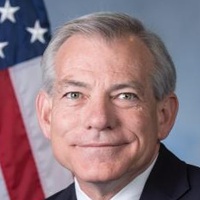
This bill exempts qualifying less-than-lethal projectile devices and their ammunition from federal excise taxes and the regulations of the National Firearms Act.
David Schweikert
Representative
AZ
David Schweikert
Representative
AZ
This bill exempts specific, carefully defined less-than-lethal projectile devices and their ammunition from the federal excise tax on firearms and ammunition. It also removes these qualifying devices from regulation under the National Firearms Act. The legislation establishes clear criteria, including velocity limits and design restrictions, to ensure the exemption applies only to tools intended for de-escalation rather than lethal force. Manufacturers can request official classification for their products to confirm eligibility for these tax and regulatory benefits.
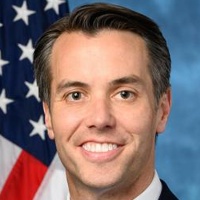
This act prohibits federal law enforcement from executing no-knock warrants and bars state and local agencies receiving DOJ funds from using them.
Morgan McGarvey
Representative
KY
Morgan McGarvey
Representative
KY
The Justice for Breonna Taylor Act aims to prohibit the use of no-knock warrants by federal law enforcement officers, requiring them to announce their presence before entry. Furthermore, it conditions federal funding for state and local law enforcement agencies on their compliance with the same no-knock warrant prohibition. This legislation seeks to increase accountability and safety during warrant executions.
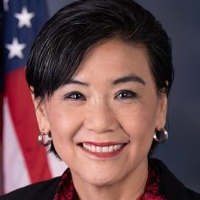
The Reuniting Families Act overhauls the immigration system to drastically reduce visa backlogs, recognize permanent partnerships, expand diversity visas, and expedite the reunification of refugee families.
Judy Chu
Representative
CA
Judy Chu
Representative
CA
The Reuniting Families Act is comprehensive legislation designed to significantly reform U.S. immigration by reducing massive visa backlogs and prioritizing family reunification across various categories. It achieves this by recapturing unused visas, reclassifying certain family members as "immediate relatives," and creating new pathways for permanent partners and refugees to join their loved ones. Ultimately, the bill aims to keep families together, speed up legal immigration processes, and address past discrimination in the visa system.
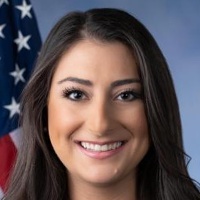
This act establishes specialized hiring teams and technical assessment rules to recruit top technology and AI talent into federal government competitive service jobs.
Sara Jacobs
Representative
CA
Sara Jacobs
Representative
CA
The AI Talent Act establishes specialized hiring teams within federal agencies and the Office of Personnel Management (OPM) to recruit top technology and AI talent. This legislation allows for the development and use of position-specific technical assessments to better evaluate candidates for competitive service positions. Ultimately, the goal is to streamline and improve the federal government's ability to hire essential technical expertise.
The CARE for First Responders Act expands crisis counseling and establishes specialized mental health services and mobile crisis grants for emergency responders and public safety telecommunicators following major disasters.
Jill Tokuda
Representative
HI
Jill Tokuda
Representative
HI
The CARE for First Responders Act expands crisis counseling assistance to include emergency responders and public safety telecommunicators following major disasters. The bill establishes a comprehensive mental health program providing 24/7 confidential support, including a dedicated hotline and peer counseling. Additionally, it creates a grant program to fund mobile crisis units offering on-site mental health services to first responders during disaster response.
This bill establishes a mandatory national ranked choice voting system for all federal elections for U.S. Senators and Representatives, while providing federal funding for implementation and prohibiting subsequent runoff elections.
Jamie Raskin
Representative
MD
Jamie Raskin
Representative
MD
This bill establishes a national requirement for all U.S. Senate and House elections to use a ranked choice voting system, replacing traditional runoff elections. It mandates specific ballot designs, sets out a multi-round vote tabulation process, and prohibits separate runoff elections for federal offices. The legislation also provides federal funding to states to help implement these changes, which take effect for elections held on or after January 1, 2030.
This Act establishes a grant program and coordination efforts to support the nationwide implementation and security of Next Generation 911 systems.
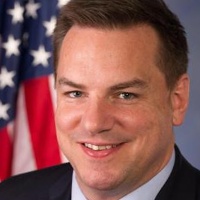
Richard Hudson
Representative
NC
Richard Hudson
Representative
NC
The Next Generation 911 Act establishes a new federal grant program to support states and Tribes in deploying modern, multimedia-capable Next Generation 911 (NG911) systems nationwide. This legislation tasks the National Telecommunications and Information Administration (NTIA) with coordinating implementation, providing technical assistance, and overseeing the distribution of funds. Grantees must submit detailed implementation plans focusing on interoperability, reliability, and cybersecurity to receive funding. The Act also mandates the creation of a dedicated Cybersecurity Center and an advisory board composed of public safety professionals.
This bill establishes a tax-advantaged savings account allowing individuals to make tax-deductible contributions to save for a down payment on their first home, with tax-free withdrawals for qualified expenses.
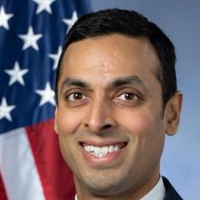
Suhas Subramanyam
Representative
VA
Suhas Subramanyam
Representative
VA
The First Home Savings Opportunity Act of 2025 establishes a new tax-advantaged savings account to help individuals save for a first home down payment. Contributions to this "down payment savings account" are tax-deductible up to $10,000 annually, subject to income limitations. Withdrawals for qualified first-time homebuyer expenses, such as down payments or closing costs, are tax-free. Non-qualified withdrawals are subject to ordinary income tax plus an additional 20% penalty.