This Act amends the Integrated Vegetation Management grant program to expand eligibility, increase funding limits, and enhance pollinator-friendly practices along roadsides and highway rights-of-way.
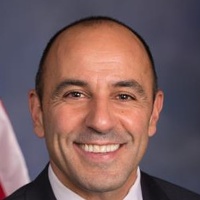
Jimmy Panetta
Representative
CA-19
The Roadside Pollinator Program Amendments Act updates the existing grant program that supports pollinator-friendly practices along roadsides and highway rights-of-way. This bill expands eligibility for grants to include certain nonprofits and Indian Tribes, while also increasing the maximum grant award amount. Furthermore, it boosts the program's authorized funding levels through fiscal year 2031.
Roadside Pollinator Program Expands: Individual Grants Jump to $500,000 to Boost Bee and Butterfly Habitats
The Roadside Pollinator Program Amendments Act is a targeted upgrade to how the federal government manages the millions of acres of grass and brush lining our highways. By amending Section 332 of title 23, the bill shifts the 'Integrated Vegetation Management' grant program into a higher gear. It moves beyond just state agencies to include 501(c)(3) nonprofits and federally recognized Indian Tribes as eligible recipients for funding. This means local conservation groups or tribal leaders can now get directly involved in turning the 'dead space' next to the interstate into thriving ecosystems for the bees and butterflies that pollinate our food supply.
Bigger Budgets for Better Borders
The bill significantly raises the stakes for local projects. It bumps the maximum single grant amount from a modest $150,000 to a substantial $500,000 (Sec. 2). For a construction crew or a landscaping team, this is the difference between a small pilot project and a full-scale restoration of a highway corridor. To back this up, the total annual program funding is set to more than double, jumping from $2 million to $5 million starting in fiscal year 2026 and running through 2031. For taxpayers, it’s a shift toward more durable, long-term environmental infrastructure rather than just mowing the grass.
Streamlined Planning and Local Expertise
Implementation gets a bit more specific under this proposal. When the Secretary of Transportation builds the game plan for these grants, they are now required to consult with the Director of the U.S. Fish and Wildlife Service and the groups actually doing the work—the state DOTs, nonprofits, and land managers. There is also a smart geographic limit on tribal consultation: the Secretary only needs to coordinate with Indian Tribes whose land is within 50 miles of a proposed project. This keeps the focus on local impact and ensures that the people who know the land best have a seat at the table without drowning the process in unnecessary red tape.
Why the Median Matters
While highway medians might seem like boring patches of dirt, they are critical 'pollinator highways.' By funding more sophisticated vegetation management, this bill aims to reduce long-term maintenance costs—like constant mowing—and replace them with self-sustaining native plants. For someone working in agriculture or even just tending a backyard garden, more robust roadside habitats mean healthier populations of pollinators that travel to nearby farms and neighborhoods. It’s a practical use of existing public land to solve a biological problem, funded by a program that is finally getting the budget to match its ambitions.