This Act prohibits the federal government from taking investigative, regulatory, or enforcement actions against persons or entities if those actions are substantially motivated by the target's constitutionally protected speech or political participation.
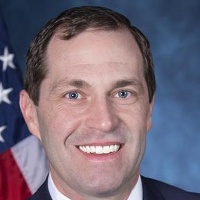
Jason Crow
Representative
CO-6
The No Political Enemies Act prohibits the federal government from initiating investigative, regulatory, or enforcement actions against individuals or entities if those actions are substantially motivated by the person's constitutionally protected speech or political participation. The bill establishes an affirmative defense for defendants facing such politically motivated actions and allows covered persons to sue federal officials for damages or seek injunctions against targeting based on protected speech. Furthermore, it mandates regular reporting from the Department of Justice to Congress regarding sensitive investigations and prosecutions.
New 'No Political Enemies Act' Curbs Federal Targeting, Bolsters Free Speech Defenses
Ever felt like the government was watching you a little too closely, especially after you spoke your mind about something? The new 'No Political Enemies Act' aims to put some serious brakes on that. This isn't just bureaucratic jargon; it's about protecting your right to criticize, dissent, or even just associate with groups without fearing federal retaliation.
What's the Big Idea?
At its core, this bill says the federal government, from the President down to agency employees, can't launch investigations, regulatory actions, or lawsuits against you or your business if their main motivation is your constitutionally protected speech. Think of it as a legal shield: if you're a small business owner who publicly criticizes a new federal policy, or an individual who participates in a protest, this bill makes it tougher for the feds to come after you just because they don't like what you're saying.
Your New Legal Superpowers
This Act isn't just talk; it gives you actual tools. If the feds do come after you, and you can show that your protected speech was a "motivating factor" (not even the only reason, just a reason), you get some serious leverage. The court can order them to hand over internal documents to prove their motivation. If they can't show legitimate, non-speech-related reasons for their actions, the case against you could get tossed out. That's a huge shift, making it much harder for politically motivated cases to stick.
Suing for Your Rights (and Getting Paid For It)
Let's say a federal official does target you because of your speech. This bill opens the door for you to sue that official directly for damages. And here's the kicker: under certain conditions, the official might not be able to hide behind "official immunity," meaning they could be personally on the hook. Plus, if you win your case because the government's action was politically motivated, the feds could be on the hook for your legal fees and costs, with no limits on the amount. That's a powerful incentive for the government to play by the rules.
No More Secret Designations
One interesting finding in the bill explicitly states that the President doesn't have the authority to label any entity a "domestic terrorist organization" without Congressional approval. This is a direct pushback against any executive overreach in defining who is and isn't a threat, ensuring that such serious designations come from a legislative process, not just a presidential decree.
The Catch: What's Still Allowed?
Now, it's not a free pass for everything. The bill carves out exceptions for laws that directly regulate political speech, like campaign finance laws or voting rights acts. So, if you're breaking those specific rules, this Act won't protect you. Also, if you're a federal employee, this doesn't protect you from actions related to your federal employment. Essentially, it's designed to protect you as a citizen or business owner, not as a government worker.
The Bottom Line for You
For most people, this bill is a win for free speech and a check on potential government overreach. It means you should feel more confident speaking out, organizing, or criticizing without the specter of federal investigation hanging over your head. However, the phrase "substantially motivated" could lead to some legal wrangling as courts figure out exactly what it means in practice. Still, the intent is clear: make it harder for the government to treat you like a political enemy just because you have an opinion.