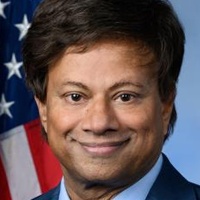
Legislative Activity
Track Shri's sponsored bills, co-sponsored legislation, and voting record
This Act prohibits online platforms from displaying fraudulent paid advertisements if they accepted payment and failed to take reasonable steps to prevent them, while also establishing new enforcement mechanisms.
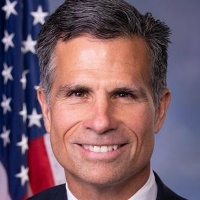
Daniel Meuser
Representative
PA
Daniel Meuser
Representative
PA
The Safeguarding Consumers from Advertising Misconduct Act (SCAM Act) holds online platforms accountable for displaying fraudulent or deceptive paid advertisements. It mandates that platforms implement strict advertiser verification procedures and actively detect and remove scam ads. This legislation establishes a private right of action for injured consumers and clarifies that existing Section 230 immunity does not apply to violations of this Act.
This Act mandates automatic spending reductions for Department of Defense components that fail to achieve a clean financial audit opinion after fiscal year 2025.
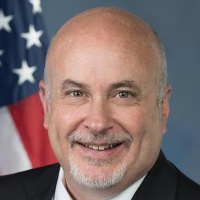
Mark Pocan
Representative
WI
Mark Pocan
Representative
WI
The Audit the Pentagon Act of 2026 addresses the Department of Defense's repeated failure to pass a financial audit. This bill establishes automatic spending reductions for any DoD component that fails to receive a clean audit opinion after fiscal year 2025. It also outlines Congressional priorities regarding protecting wounded warrior accounts and maintaining financial controls for classified programs.
This bill eliminates a specific work requirement exemption and related state funding provisions within the Supplemental Nutrition Assistance Program (SNAP).
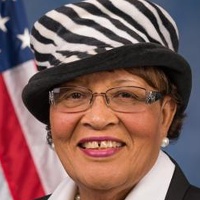
Alma Adams
Representative
NC
Alma Adams
Representative
NC
The Improving Access to Nutrition Act of 2026 addresses the Supplemental Nutrition Assistance Program (SNAP) by eliminating a specific work requirement exemption and related state funding provisions. Congress finds that existing SNAP work requirements are ineffective at reducing poverty and create significant barriers to food assistance, disproportionately affecting vulnerable populations. This legislation aims to streamline access to benefits by removing these administrative hurdles.
This bill establishes an annual cap of 400,000 H-2A temporary agricultural worker visas, with an exception for positions filled by union-represented workers.

Pramila Jayapal
Representative
WA
Pramila Jayapal
Representative
WA
The U.S. Farmworker Protection Act aims to address the rapid growth of the H-2A agricultural guestworker program, which Congress finds threatens U.S. farmworker wages and employment. This bill establishes an annual cap of 400,000 H-2A worker certifications per fiscal year. However, any positions filled by workers represented by a certified bargaining representative (union) will not count toward this annual limit.
The Healthy Families Act establishes a national standard requiring most employers to provide employees with earned paid sick leave for personal or family health needs and related safety issues.

Rosa DeLauro
Representative
CT
Rosa DeLauro
Representative
CT
The Healthy Families Act establishes a national standard requiring most employers to provide employees with earned paid sick leave. Employees will accrue a minimum of one hour of paid time for every 30 hours worked, usable for personal or family health needs, domestic violence, sexual assault, or stalking. The Act prohibits employer retaliation for using this leave and ensures existing, more generous leave policies are not diminished.
This bill delays a planned Medicare payment adjustment to physician work values until 2030 and modifies annual Medicare payment update rates based on APM participation.
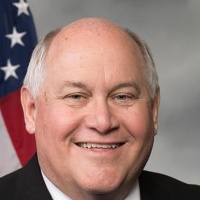
Ron Estes
Representative
KS
Ron Estes
Representative
KS
The Efficiency Adjustment Delay Act postpones a planned Medicare payment adjustment affecting physician work values until at least January 1, 2030. The bill also mandates a report to Congress assessing the need for a one-time adjustment to certain physician service values. Furthermore, it modifies the annual Medicare physician payment updates for 2026 and subsequent years based on participation in Alternative Payment Models.
This resolution supports designating a Career and Technical Education Month to celebrate and promote this vital educational pathway for preparing a skilled American workforce.
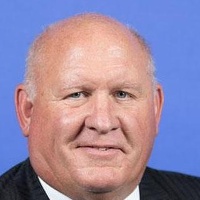
Glenn Thompson
Representative
PA
Glenn Thompson
Representative
PA
This resolution supports the goals of Career and Technical Education (CTE) Month by recognizing CTE's vital role in preparing students for high-demand, high-skill careers. It affirms that CTE is crucial for American economic competitiveness and encourages promotion of these educational pathways. The resolution celebrates the contributions of CTE programs across the nation.
This Act establishes the United States-Israel Defense Technology Cooperation Initiative to accelerate joint research, development, and integration of defense technologies between the two nations.
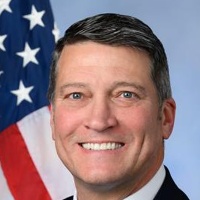
Ronny Jackson
Representative
TX
Ronny Jackson
Representative
TX
This bill establishes the United States-Israel Defense Technology Cooperation Initiative to accelerate joint research, development, and integration of critical defense technologies. The initiative focuses on key areas like AI, missile defense, and counter-drone systems to enhance the security and technological edge of both nations. It mandates regular reporting to Congress on progress and authorizes funding for fiscal years 2027 through 2029.
The Pensions for All Act establishes federal grants to help states create retirement programs for uncovered private-sector workers and mandates that employers either offer a comparable plan or enroll employees in FERS, while also providing tax credits for contributions.
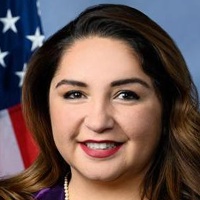
Delia Ramirez
Representative
IL
Delia Ramirez
Representative
IL
The Pensions for All Act aims to expand retirement security by providing federal grants to help states establish retirement programs for private-sector workers without workplace plans. It also mandates that employers either offer a comparable retirement plan or enroll employees in the Federal Employees Retirement System (FERS). Furthermore, the bill establishes tax credits for small employers and self-employed individuals contributing to these plans, alongside penalties for non-compliance.
This bill establishes a politically balanced National Council on African American History and Culture within the National Endowment for the Humanities to advise on policy, monitor preservation efforts, and report on the celebration of African American history and culture.
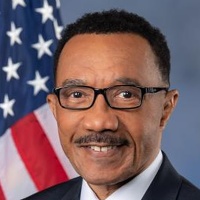
Kweisi Mfume
Representative
MD
Kweisi Mfume
Representative
MD
This bill establishes the National Council on African American History and Culture within the National Endowment for the Humanities. The Council will consist of 12 presidentially appointed members tasked with advising on national policy related to preserving and celebrating African American history and culture. Its duties include monitoring relevant efforts, evaluating NEH programs, and submitting annual reports. The Council is set to terminate ten years after the law's enactment.
This act legally prohibits federal interference with the opening and operation of the Gordie Howe International Bridge connecting Michigan and Canada.

Debbie Dingell
Representative
MI
Debbie Dingell
Representative
MI
This Act establishes the **Michigan-Canada Partnership Act** to protect the critical Gordie Howe International Bridge. It legally prohibits any federal official from interfering with the bridge's opening or operation, ensuring the timely flow of trade between the U.S. and Canada. The law mandates federal agencies to facilitate the bridge's continuous operation and allows Michigan to sue to enforce compliance.
This bill establishes a comprehensive Transgender Bill of Rights to codify and protect the rights of transgender and nonbinary people across healthcare, employment, legal recognition, and safety.
Pramila Jayapal
Representative
WA
Pramila Jayapal
Representative
WA
This resolution establishes a comprehensive Transgender Bill of Rights to codify and protect the rights of transgender and nonbinary people across the United States. It mandates federal action to ensure equal access to healthcare, employment, housing, legal recognition, and safety. The bill aims to eliminate discrimination and affirm bodily autonomy by amending existing federal civil rights laws.
This bill establishes a grant program to fund evidence-based initiatives connecting schools with community systems to improve trauma support and mental health services for students and staff.
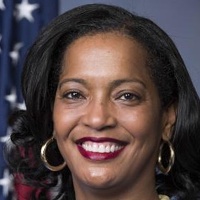
Jahana Hayes
Representative
CT
Jahana Hayes
Representative
CT
The Supporting Trauma-Informed Education Practices Act of 2026 establishes a grant program to enhance access to evidence-based trauma support and mental health services for students and school staff. This funding aims to foster stronger connections between schools and community mental health systems through collaboration, professional development, and direct student services. The bill authorizes $50 million annually from FY 2027 through 2031 to support these critical initiatives.
This Act establishes new financial assistance and debt collection standards for Medicare hospitals while creating a federal grant program for nonprofits to purchase and eliminate eligible medical debt.
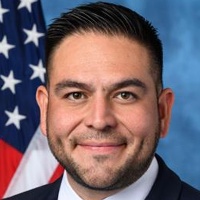
Gabriel (Gabe) Vasquez
Representative
NM
Gabriel (Gabe) Vasquez
Representative
NM
The Patient Debt Relief Act establishes new standards for hospitals participating in Medicare regarding financial assistance and medical debt collection practices, including limits on liens and wage garnishment. It also creates a grant program for eligible nonprofits to purchase and eliminate the medical debt of low-income individuals. These provisions aim to protect patients from aggressive debt collection and provide avenues for debt relief.
This act establishes non-mandatory guidance for private employers and mandatory regulations for federal agencies regarding the acquisition, maintenance, and training for opioid overdose reversal medication in the workplace.
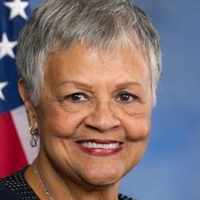
Bonnie Watson Coleman
Representative
NJ
Bonnie Watson Coleman
Representative
NJ
The WORK to Save Lives Act aims to combat opioid overdoses by requiring federal agencies to stock overdose reversal medication and provide voluntary training. For private employers, the bill establishes non-mandatory guidance on acquiring medication and offering similar voluntary employee training. This legislation focuses on increasing the availability and knowledge surrounding life-saving overdose reversal tools in workplaces.
This bill authorizes the minting of special $2.50 commemorative coins for the 250th anniversary of the Declaration of Independence and mandates a study on the feasibility of issuing a $2.50 coin for general circulation.
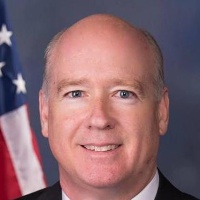
Robert Aderholt
Representative
AL
Robert Aderholt
Representative
AL
This act establishes the "$2.50 for America's 250th Act" to commemorate the 250th anniversary of the Declaration of Independence. It authorizes the Treasury to mint and issue special commemorative gold, silver, and clad $2.50 coins featuring designs from the 1926 Sesquicentennial coin. Additionally, the bill mandates a study on the feasibility of minting and issuing a $2.50 coin for wide circulation.
This Act establishes a grant program to strengthen North American travel and tourism and mandates the creation of a USMCA Working Group to boost industry competitiveness.
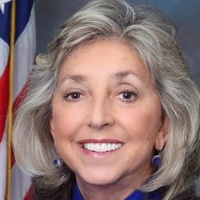
Dina Titus
Representative
NV
Dina Titus
Representative
NV
This bill establishes the USMCA Travel and Tourism Resiliency Act to strengthen North American travel and tourism through a new grant program. It also directs the U.S. Trade Representative to advocate for a dedicated Travel and Tourism Trade Working Group under the USMCA framework. The goal is to boost competitiveness, support economic recovery, and foster long-term resilience across the U.S., Canada, and Mexico.
The PLATE Act mandates that ICE and CBP vehicles used for civil immigration enforcement must display visible license plates on the exterior at all times.
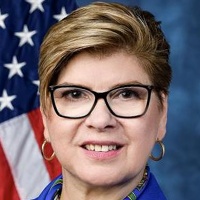
Nellie Pou
Representative
NJ
Nellie Pou
Representative
NJ
The PLATE Act mandates that vehicles used by ICE and CBP for civil immigration enforcement must clearly display visible license plates on the exterior at all times. This requirement applies regardless of any other existing law.
This bill imposes an immediate freeze on all hiring and transfers within U.S. Immigration and Customs Enforcement (ICE) until Congress passes a new law explicitly superseding this measure.
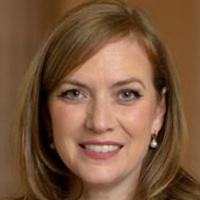
Lizzie Fletcher
Representative
TX
Lizzie Fletcher
Representative
TX
This bill immediately halts all hiring and transfers of personnel to U.S. Immigration and Customs Enforcement (ICE) using federal funds. The hiring freeze will remain in effect until Congress passes and enacts a new law specifically designed to supersede this provision.
This bill mandates that Federally-qualified health centers receive the full 340B discounted drug price upfront at the point of purchase, prohibiting post-purchase price adjustments.
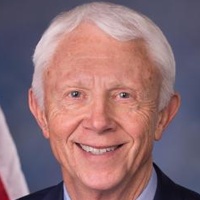
Jack Bergman
Representative
MI
Jack Bergman
Representative
MI
The Community Health Center Drug Pricing Protection Act ensures that Federally-qualified health centers (FQHCs) receive the full 340B discounted price for drugs at the point of purchase. This legislation prohibits manufacturers from requiring FQHCs to pay more than the established ceiling price upfront, regardless of any later rebates or reimbursements. The goal is to guarantee immediate, upfront savings for these vital health centers.