This act establishes a loan repayment program for general surgeons who commit to working in underserved areas and mandates a study to better define and designate general surgery shortage areas.
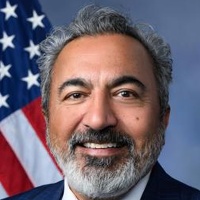
Ami Bera
Representative
CA-6
The Ensuring Access to General Surgery Act of 2026 establishes a federal program to address the shortage of general surgeons in underserved communities. This program offers loan repayment assistance of up to $200,000 over four years for eligible surgeons who commit to working in designated shortage areas. Additionally, the bill mandates a comprehensive study to develop a standardized methodology for accurately identifying and designating general surgery shortage areas across the nation.
New Surgeon Incentive Program Offers $200,000 Loan Repayment for Serving Underserved Communities
The Ensuring Access to General Surgery Act of 2026 is a targeted plan to fix a major healthcare gap: the disappearing local surgeon. To get more doctors into areas where specialized care is hard to find, the bill creates a financial incentive for general surgeons to work in underserved urban, suburban, or rural neighborhoods. In exchange for a four-year commitment to provide full-time surgical services, the government will pay off up to $200,000 of their educational debt. This isn't just a small perk; it’s a strategic move to ensure that if you live in a rural town or a neglected urban center, you don’t have to drive three hours for a routine gallbladder surgery or an emergency appendectomy.
The $200,000 Handshake
Under this program, eligible surgeons—those with a medical degree, a finished residency, and a clean license—can sign a contract with the Department of Health and Human Services (HHS). The payout structure is back-loaded to encourage doctors to stay: they receive $40,000 per year for the first two years, and the amount jumps to $60,000 per year for the third and fourth years. For a young surgeon facing a mountain of med school debt, this is a life-changing deal. However, the bill includes a strict 'no-shortcuts' clause. If a surgeon walks away before their four years are up, they have to pay back every cent they received plus interest at the maximum market rate. It’s a high-stakes agreement designed to ensure that communities get the long-term stability they need rather than a revolving door of temporary staff.
Mapping the Surgical Desert
One of the smartest parts of this bill is that it admits we don’t actually have a perfect map of where the surgeons are missing. Section 3 orders a massive study to define what a "general surgery shortage area" actually looks like. Instead of just looking at broad city or county lines, HHS will look at "surgery service areas" based on actual hospital usage and Medicare data. They’ll be looking at real-world factors like travel time, wait times, and patient experience. For a parent in a remote area, this means the government is finally looking at how long it actually takes to get a kid to an operating room, rather than just counting doctors in a 50-mile radius. This data will be published in the Federal Register, making it easier to see exactly which neighborhoods are being left behind.
Practical Impacts and Implementation
The bill authorizes $5 million annually through 2028 to get the wheels turning. While that’s a start, the real impact depends on how HHS defines "optimal" surgeon levels during their study. The bill specifically tells the Secretary not to assume our current national supply of surgeons is good enough, which suggests a push for higher standards of local care. For office workers in the city or tradespeople in rural counties, this could mean fewer days off work spent traveling to distant specialists and better outcomes because care is available right when it's needed. The challenge will be in the rollout: the study must be finished within a year, and the formal rules for designating these areas will follow a public comment period, giving local clinics and residents a chance to weigh in on their specific needs.