Legislative Activity
Track Lori's sponsored bills, co-sponsored legislation, and voting record
This bill establishes a comprehensive "Domestic Workers Bill of Rights" to extend federal labor protections, including overtime, paid sick leave, and anti-discrimination coverage, to domestic employees while creating a standards board to advise on future working conditions.

Pramila Jayapal
Representative
WA
Pramila Jayapal
Representative
WA
The Domestic Workers Bill of Rights Act seeks to significantly expand labor protections for domestic employees by bringing them under standard federal laws, including eligibility for overtime pay and mandated paid sick leave. The bill establishes written employment agreements, sets clear privacy boundaries for workers in private homes, and creates a Standards Board to recommend ongoing improvements to wages and benefits. Furthermore, it establishes enforcement mechanisms and temporarily increases federal Medicaid funding for in-home care services to help offset compliance costs.
This Act establishes a comprehensive, federally funded grant program to support evidence-based violence prevention and trauma-informed support for high-risk youth in schools located in high-violence communities.
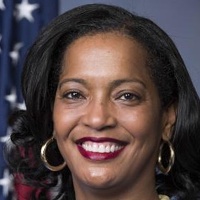
Jahana Hayes
Representative
CT
Jahana Hayes
Representative
CT
The School Violence Prevention Act establishes a new, comprehensive grant program to fund evidence-based violence prevention initiatives in high-risk communities. These grants will support partnerships between schools and community organizations to implement trauma-informed programs focused on youth development, social skills, and connecting students with mental health resources. The bill mandates rigorous evaluation of these programs to measure their impact on student success and overall community safety.
The My Body, My Data Act of 2025 establishes strict limits on the collection, use, and sharing of personal reproductive and sexual health information, while granting individuals robust rights to access, correct, and delete their sensitive data.
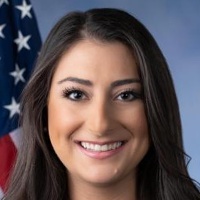
Sara Jacobs
Representative
CA
Sara Jacobs
Representative
CA
The My Body, My Data Act of 2025 establishes strict federal protections for personal reproductive and sexual health information held by regulated entities. This law limits data collection and sharing to only what is strictly necessary for providing requested services. It grants individuals the rights to access, correct, and delete this sensitive data, and requires clear public privacy policies detailing data handling practices. Finally, the Act prohibits retaliation against individuals who exercise these new privacy rights and grants enforcement authority to the FTC while allowing individuals to sue violators.
This act increases funding for the Defense Health Agency's research, development, testing, and evaluation, specifically ensuring support for Congressionally Directed Medical Research Programs as outlined in prior appropriations acts.
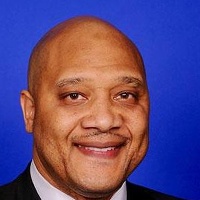
André Carson
Representative
IN
André Carson
Representative
IN
The Medical Research for Our Troops Act increases the budget for the Defense Health Agency's research, development, testing, and evaluation (RDT&E). This legislation specifically restores and increases funding for these critical defense health programs. The restored funds must be used to support all previously directed medical research programs and initiatives as outlined in prior appropriations acts.
This bill establishes minimum and emergency staffing requirements for the Low-Income Home Energy Assistance Program (LIHEAP) and limits the use of contractors.
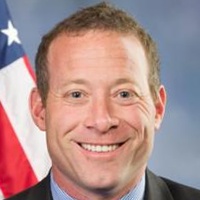
Josh Gottheimer
Representative
NJ
Josh Gottheimer
Representative
NJ
The LIHEAP Staffing Support Act establishes minimum staffing requirements for the Low-Income Home Energy Assistance Program (LIHEAP) to ensure effective program administration. It mandates a baseline of at least 20 dedicated employees, with limits on contractor usage during normal operations. Furthermore, the bill requires an emergency staffing boost to at least 30 employees within 45 days of declaring an energy crisis.
This Act establishes new procedures for Federal Firearms Licensees when background checks are delayed, mandates reporting on delayed and denied transfers, and removes a specific time limit from existing background check law.

James Clyburn
Representative
SC
James Clyburn
Representative
SC
The Enhanced Background Checks Act of 2025 reforms federal firearm background check procedures, establishing a formal petition process for buyers when the system delays a decision beyond 10 business days. This bill removes the previous 10-day time limit on background checks under the Brady Act while mandating extensive reporting from the GAO and FBI on the effectiveness and outcomes of these delayed transfers. Furthermore, the Attorney General must report on the law's impact on domestic violence victims within 150 days of enactment.
This Act mandates that most private firearm transfers must go through a licensed dealer to ensure background checks are performed on all purchasers.
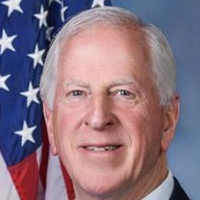
Mike Thompson
Representative
CA
Mike Thompson
Representative
CA
The Bipartisan Background Checks Act of 2025 aims to strengthen existing federal background check systems to prevent prohibited persons from acquiring firearms. This bill primarily mandates that most private firearm transfers must be facilitated through a licensed dealer who will conduct a background check. The legislation includes specific exceptions for family gifts, law enforcement, and temporary transfers under emergency circumstances.
The Pride In Mental Health Act of 2025 establishes grants and federal initiatives to improve mental health services and research specifically for LGBTQ+ youth while explicitly prohibiting the use of funds for conversion therapy.
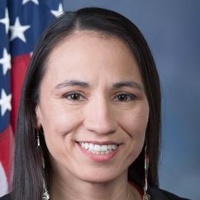
Sharice Davids
Representative
KS
Sharice Davids
Representative
KS
The Pride In Mental Health Act of 2025 establishes a new grant program to improve mental health and substance abuse outcomes for LGBTQ+ youth through culturally competent care and resource development. These grants strictly prohibit funding for conversion therapy practices. The bill also mandates federal data collection on LGBTQ+ youth mental health and requires a report on the needs of those in foster care.
This resolution urgently calls for the immediate delivery of humanitarian aid to address the severe hunger crisis in Gaza and demands the administration use all diplomatic means to secure hostage release and end the fighting.
Pramila Jayapal
Representative
WA
Pramila Jayapal
Representative
WA
This resolution formally expresses the House of Representatives' grave concern over the severe humanitarian crisis and widespread suffering of civilians in Gaza, alongside the plight of hostages. It urgently calls on the Administration to use all diplomatic tools to secure the release of all hostages. Furthermore, the bill demands the immediate delivery and secure distribution of essential humanitarian aid to address the catastrophic hunger crisis in Gaza.
This act repeals certain provisions of the Protection of Lawful Commerce in Arms Act and allows federal gun trace information to be discoverable and admissible in civil proceedings.
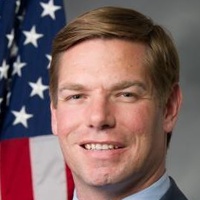
Eric Swalwell
Representative
CA
Eric Swalwell
Representative
CA
The Equal Access to Justice for Victims of Gun Violence Act of 2025 repeals key provisions of the Protection of Lawful Commerce in Arms Act. This legislation allows federal gun trace information to be discoverable and admissible as evidence in civil lawsuits and administrative hearings. The bill aims to provide victims of gun violence with greater access to relevant data in legal proceedings.
This Act formally establishes the science-based Advisory Committee on Immunization Practices (ACIP) and mandates that changes to the National Vaccine Injury Compensation Program's injury table must be supported by a preponderance of the best available scientific evidence.

Frank Pallone
Representative
NJ
Frank Pallone
Representative
NJ
The Family Vaccine Protection Act formally establishes the Advisory Committee on Immunization Practices (ACIP) into law, requiring all its vaccine recommendations to be based on the preponderance of the best available, peer-reviewed scientific evidence. This legislation mandates strict procedures for the CDC Director to adopt or reject ACIP advice, including notifying Congress if a recommendation is rejected. Furthermore, the Act requires that any changes to the National Vaccine Injury Compensation Program's injury table must also be supported by strong scientific evidence.
The Menstrual Equity For All Act of 2025 mandates the provision of free menstrual products across schools, correctional facilities, federal buildings, and workplaces, while also expanding coverage under Medicaid and eliminating sales tax on these essential items.

Grace Meng
Representative
NY
Grace Meng
Representative
NY
The Menstrual Equity For All Act of 2025 aims to eliminate period poverty by ensuring access to free menstrual products across various sectors of society. This comprehensive bill mandates the availability of these essential supplies in K-12 schools, colleges, correctional facilities, federal buildings, and workplaces with over 100 employees. Furthermore, it expands coverage under Medicaid, allocates specific funding through social service block grants and TANF programs, and prohibits states from taxing menstrual products.
The Magnus White Cyclist Safety Act of 2025 mandates the Department of Transportation to establish performance standards for automatic emergency braking systems in new passenger vehicles that effectively detect vulnerable road users, including cyclists, in all light conditions.
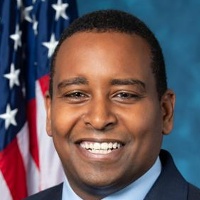
Joe Neguse
Representative
CO
Joe Neguse
Representative
CO
The Magnus White Cyclist Safety Act of 2025 mandates the Department of Transportation to establish performance standards for automatic emergency braking systems in new passenger vehicles. These standards must ensure the systems can detect vulnerable road users, including cyclists, in various lighting conditions. The final rule must be issued within three years, with compliance required within two model years following the rule's issuance.
This Act establishes a grant program for installing suicide deterrents on public structures and clarifies funding eligibility for bridge safety barriers.
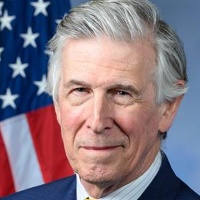
Donald Beyer
Representative
VA
Donald Beyer
Representative
VA
The Barriers to Suicide Act of 2025 establishes a new grant program through the Department of Transportation to fund the installation of suicide deterrents like nets and barriers at high-risk locations such as bridges and rail stations. The bill also amends existing law to explicitly allow National Highway System funds to be used for these safety barriers on bridges. Finally, it mandates a study on the effectiveness of suicide prevention measures for structures other than bridges.
This bill amends Medicare to require standardized cognitive impairment detection during the annual wellness visit and the initial preventive physical examination starting in 2026.

Linda Sánchez
Representative
CA
Linda Sánchez
Representative
CA
This bill amends Medicare to require cognitive impairment screening during the Annual Wellness Visit and the Initial Preventive Physical Examination. It mandates the use of specific, approved screening tools to detect potential issues like Alzheimer's disease early. The goal is to ensure timely diagnosis, allowing patients and caregivers to access necessary planning and support services sooner.
This Act establishes a new federal grant program to provide operating support for high-quality public transit that prioritizes service improvements in underserved communities, while also increasing the federal share for rural transit operating costs.

Henry Johnson
Representative
GA
Henry Johnson
Representative
GA
The Stronger Communities through Better Transit Act establishes a new federal grant program to provide operating support for high-quality public transit services. This funding is specifically targeted to improve mobility and environmental outcomes, with a requirement that the majority of funds benefit underserved communities or areas of persistent poverty. The Act also increases the federal share for rural transit operating assistance up to 80%.
This Act reinstates and extends the ability for taxpayers to deduct personal casualty losses from unexpected events like crimes, scams, and disasters without previous limitations.
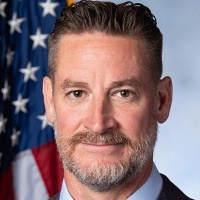
W. Steube
Representative
FL
W. Steube
Representative
FL
The Tax Relief for Victims of Crimes, Scams, and Disasters Act reinstates and removes limitations on the federal income tax deduction for personal casualty losses resulting from unexpected events like fires or floods. This legislation also extends the deadline for taxpayers to file claims for refunds related to these casualty loss deductions for past tax years. These changes apply to tax years beginning after December 31, 2017.
This bill prohibits the use of federal funds to implement Executive Order 14160, which sought to limit birthright citizenship guaranteed by the Fourteenth Amendment.
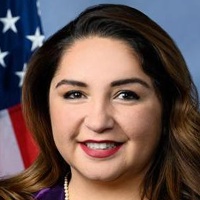
Delia Ramirez
Representative
IL
Delia Ramirez
Representative
IL
The Born in the USA Act of 2025 declares that Executive Order 14160, which attempted to restrict birthright citizenship, is unconstitutional and contrary to the 14th Amendment. This Act prohibits the use of any federal funds to implement or enforce that Executive Order. It affirms the established constitutional right to birthright citizenship for nearly everyone born on U.S. soil.
This Act prohibits the advertising and provision of paid conversion therapy intended to change an individual's sexual orientation or gender identity, empowering the FTC and State Attorneys General to enforce these prohibitions.
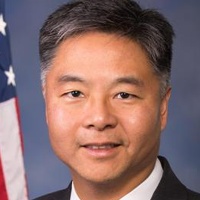
Ted Lieu
Representative
CA
Ted Lieu
Representative
CA
The Therapeutic Fraud Prevention Act of 2025 declares that practices attempting to change an individual's sexual orientation or gender identity for payment constitute an unfair and deceptive business practice. Citing professional consensus on the ineffectiveness and harm of such "conversion therapy," the bill prohibits its provision and advertising. Enforcement authority is granted to the Federal Trade Commission (FTC), and the law allows both the U.S. Attorney General and State Attorneys General to file civil actions against violators.
The American Ownership and Resilience Act establishes a Department of Commerce-run facility to leverage government backing for investment companies that finance the sale of businesses to Employee Stock Ownership Plans (ESOPs) or worker-owned cooperatives.
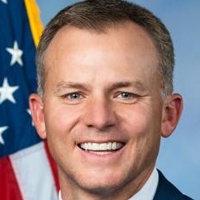
Blake Moore
Representative
UT
Blake Moore
Representative
UT
The American Ownership and Resilience Act establishes an Ownership Investment Facility within the Department of Commerce to provide government-backed leverage to investment companies. This facility is designed to encourage capital investments that support the sale of businesses to Employee Stock Ownership Plans (ESOPs) or worker-owned cooperatives. The bill sets strict oversight, fairness, and control requirements for these employee-centric transactions while establishing licensing and capital standards for the participating investment companies.