Legislative Activity
Track Lori's sponsored bills, co-sponsored legislation, and voting record
This Act establishes the National Manufacturing Advisory Council within the Department of Commerce to advise the Secretary on developing a national strategic plan for U.S. manufacturing competitiveness, workforce development, and supply chain resilience.

Joe Neguse
Representative
CO
Joe Neguse
Representative
CO
This Act establishes the National Manufacturing Advisory Council within the Department of Commerce to serve as a direct link between the government and the U.S. manufacturing sector. The Council's primary mission is to advise the Secretary of Commerce on federal policy, address workforce and supply chain issues, and develop an annual national strategic plan for global manufacturing competitiveness. It will draw diverse input from industry, labor, and academia, with a focus on supporting workers and promoting investment in economically distressed areas. The Council is set to expire five years after its first meeting.
This act mandates that the Department of Veterans Affairs must provide abortion care, counseling, and related services and medication to eligible veterans and certain other individuals.
Julia Brownley
Representative
CA
Julia Brownley
Representative
CA
The Reproductive Freedom for Veterans Act mandates that the Department of Veterans Affairs (VA) must now provide abortion care, counseling, and related medication as part of the medical services offered to eligible veterans and certain other beneficiaries. This legislation formally amends existing VA health care provisions to include these reproductive health services.
This bill repeals specific prior health reconciliation provisions and expands eligibility for the Premium Tax Credit by removing the 400% income cap and adjusting the subsidy calculation formula.
Adam Gray
Representative
CA
Adam Gray
Representative
CA
The Protecting Health Care and Lowering Costs Act of 2025 repeals specific prior reconciliation health provisions. This bill significantly expands eligibility for the Premium Tax Credit by eliminating the 400% Federal Poverty Level income cap. It also updates the subsidy calculation formula to ensure a smoother, linear adjustment of assistance across various income levels.
This act repeals the prohibition on Medicaid payments to certain healthcare entities and mandates retroactive payment for services already rendered under the repealed ban.
Laura Friedman
Representative
CA
Laura Friedman
Representative
CA
The Restoring Essential Healthcare Act repeals an outdated ban that prevented Medicaid from making payments to certain healthcare providers. This legislation ensures that these previously prohibited entities will now be reimbursed for medical services rendered between the enactment of the original ban and the passage of this Act. In short, it restores payment eligibility and retroactively covers past services.
The EATS Act of 2025 expands eligibility for SNAP benefits by removing previous restrictions for students enrolled at least half-time in recognized educational programs.
Jimmy Gomez
Representative
CA
Jimmy Gomez
Representative
CA
The EATS Act of 2025 significantly updates eligibility for the Supplemental Nutrition Assistance Program (SNAP) by removing previous restrictions that often disqualified students. This legislation explicitly includes bona fide students enrolled at least half-time in recognized educational programs as eligible participants for food assistance. These changes take effect on January 2, 2026.
The Keep Kids Covered Act extends continuous Medicaid and CHIP coverage for children and former foster youth to ensure longer periods without re-enrollment.

Kathy Castor
Representative
FL
Kathy Castor
Representative
FL
The Keep Kids Covered Act aims to ensure children maintain continuous health coverage under Medicaid and CHIP for longer periods. This legislation extends continuous eligibility for children under age 19, significantly increasing the duration they remain covered without needing to re-enroll. Furthermore, it grants former foster youth continuous Medicaid eligibility until they turn 26.
This bill establishes a new system for distributing up to 2,000 additional Medicare-funded residency positions annually from 2026 through 2032, prioritizing hospitals serving underserved areas, and mandates a study on strategies to increase workforce diversity.
Terri Sewell
Representative
AL
Terri Sewell
Representative
AL
The Resident Physician Shortage Reduction Act of 2025 establishes a structured process for distributing up to 2,000 additional, federally funded residency positions annually between fiscal years 2026 and 2032. This distribution prioritizes hospitals serving in underserved areas, those already training above their limit, and those committed to primary care and general surgery training. The bill also mandates a study and report by the Comptroller General on effective strategies to increase diversity within the health professional workforce.
This constitutional amendment prohibits immunity from criminal prosecution for federal officials based on their official duties and bars the President from self-pardoning.
Joseph Morelle
Representative
NY
Joseph Morelle
Representative
NY
This proposed constitutional amendment would eliminate immunity from criminal prosecution for federal officials, including the President, based on their official duties. It also explicitly prohibits the President from issuing a self-pardon for any federal crimes. If ratified, these changes would take effect immediately.
The EACH Act of 2025 mandates that all federally funded health programs and facilities must cover and provide abortion services, while also prohibiting federal interference with private insurance coverage.
Ayanna Pressley
Representative
MA
Ayanna Pressley
Representative
MA
The EACH Act of 2025 aims to ensure equal access to abortion coverage by requiring all federally funded health programs and facilities to cover abortion services. This legislation prohibits federal interference with state or private insurance coverage of abortion and repeals Section 1303 of the Affordable Care Act. Ultimately, the bill seeks to eliminate financial and insurance barriers to abortion care, particularly for low-income individuals relying on programs like Medicaid.
Ally's Act mandates that certain private health insurance plans must cover auditory implant devices, related services, and upgrades for qualifying individuals without imposing stricter cost-sharing or treatment limitations than other medical benefits.
Joe Neguse
Representative
CO
Joe Neguse
Representative
CO
The Ally's Act mandates that certain private health insurance plans must cover auditory implant devices, related supplies, and necessary services for qualifying individuals. This coverage must be comparable to other medical and surgical benefits regarding cost-sharing and treatment limitations. Furthermore, plans cannot deny coverage if a physician or qualified audiologist determines the required hearing items or services are medically necessary. These new requirements take effect for plan years beginning on or after January 1, 2026.
The 340B PATIENTS Act of 2025 clarifies that drug manufacturers must provide 340B discounts without imposing restrictions on covered entities' ability to purchase or use those drugs, regardless of dispensing location, and establishes penalties for non-compliance.

Doris Matsui
Representative
CA
Doris Matsui
Representative
CA
The 340B PATIENTS Act of 2025 clarifies and strengthens the existing 340B drug discount program for covered entities like hospitals and clinics. It explicitly prohibits drug manufacturers from placing restrictions on how or where these entities purchase or dispense discounted outpatient drugs, including through contract pharmacies. The bill also establishes significant civil monetary penalties for manufacturers who intentionally violate these non-restriction rules. Ultimately, this legislation aims to ensure that covered entities can fully utilize 340B savings to expand patient care.
This Act prohibits insurance companies from discriminating against living organ donors when issuing life, disability, or long-term care policies and mandates the updating of educational materials regarding donation risks and insurance implications.
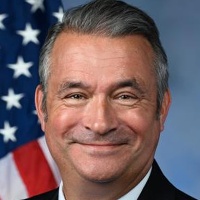
Don Bacon
Representative
NE
Don Bacon
Representative
NE
The Living Donor Protection Act of 2025 prohibits life, disability, and long-term care insurance companies from denying coverage or increasing premiums solely because an individual is a living organ donor. This legislation ensures that living donors are not financially penalized for their altruistic act. Additionally, the bill requires the Secretary of HHS to update educational materials to accurately reflect the insurance protections afforded to living donors.
This bill amends the Family and Medical Leave Act to explicitly qualify time taken for an employee's own organ donation surgery as a serious health condition.
Don Bacon
Representative
NE
Don Bacon
Representative
NE
This bill amends the Family and Medical Leave Act (FMLA) to explicitly clarify that time taken off for an employee's own organ donation surgery qualifies as a serious health condition. This ensures both private and federal sector workers receive FMLA protection for recovery from organ donation. The legislation also specifies how federal employees must substitute existing paid leave when taking FMLA time for this purpose.
This bill requires suppliers to inform Medicare beneficiaries undergoing a medically necessary mastectomy that breast reconstruction surgery is covered before performing the procedure, or face non-payment for the mastectomy.

Maxine Waters
Representative
CA
Maxine Waters
Representative
CA
The Medicare Breast Reconstruction Access and Information Act mandates that suppliers performing medically necessary mastectomies must inform patients about their Medicare coverage for post-mastectomy breast reconstruction. This information must be provided and documented in the patient's medical file before the surgery takes place. Failure to comply will result in Medicare withholding payment for the mastectomy procedure.
This Act guarantees individuals the right to obtain and receive information about FDA-approved medicines and protects healthcare providers who offer them from restrictive government rules.
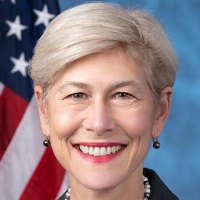
Deborah Ross
Representative
NC
Deborah Ross
Representative
NC
The Right to FDA-Approved Medicines Act guarantees individuals the right to obtain and receive information about medicines already approved by the FDA. This law preempts and overrides conflicting federal and state regulations that restrict access to or the provision of these approved drugs by healthcare providers. It establishes strong enforcement mechanisms, allowing both the Attorney General and private citizens to sue states that violate these protections.
This bill expands Medicaid coverage for certain individuals with breast or cervical cancer and mandates coverage for breast reconstruction following a mastectomy.
Maxine Waters
Representative
CA
Maxine Waters
Representative
CA
The Medicaid Breast Cancer Access to Treatment Act expands Medicaid eligibility to cover certain individuals who have had breast or cervical cancer. This legislation also mandates that Medicaid coverage must include breast reconstruction surgery following a medically necessary mastectomy. These changes aim to ensure comprehensive care and remove financial barriers for cancer survivors under the program.
This resolution declares the Trump administration's fossil fuel directives a health and safety emergency disproportionately harming children's fundamental rights by worsening climate change and suppressing climate science.

Janice Schakowsky
Representative
IL
Janice Schakowsky
Representative
IL
This resolution declares a health and safety emergency disproportionately affecting children due to prior administration directives that promoted fossil fuels and suppressed climate science. Congress asserts that these actions harm children's fundamental rights to life and a stable environment by worsening climate change impacts. The bill demands the current administration cease policies that increase greenhouse gases and restore access to suppressed climate research. Ultimately, it calls for aligning all energy and climate laws with the duty to protect the rights and future of young people.
This bill reauthorizes the Public Health and Bio-Preparedness Workforce Loan Repayment Program through fiscal year 2030.
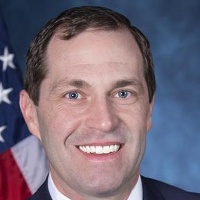
Jason Crow
Representative
CO
Jason Crow
Representative
CO
This bill reauthorizes the Public Health and Bio-Preparedness Workforce Loan Repayment Program through fiscal year 2030. It ensures continued support for professionals working in public health and bio-preparedness by extending their eligibility for loan repayment. This action secures the program for five additional years.
This Act establishes increased federal research, public education, and provider information dissemination regarding uterine fibroids, with a focus on addressing racial disparities and non-hysterectomy treatment options.
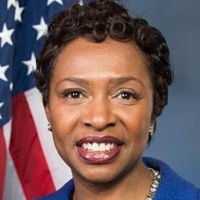
Yvette Clarke
Representative
NY
Yvette Clarke
Representative
NY
The Stephanie Tubbs Jones Uterine Fibroid Research and Education Act of 2025 aims to significantly increase federal research, public education, and provider awareness regarding uterine fibroids. The bill mandates expanded research coordination across federal agencies and authorizes funding to study the condition, which disproportionately affects minority women. It also requires the creation of public awareness campaigns detailing non-hysterectomy treatment options and mandates data collection on Medicaid/CHIP spending for fibroid treatments.
This Act establishes federal funding for research, state grants, and public awareness campaigns aimed at improving the early detection, intervention, and treatment of uterine fibroids.

Shontel Brown
Representative
OH
Shontel Brown
Representative
OH
The Uterine Fibroid Intervention and Gynecological Health Treatment Act of 2025 aims to improve the detection and treatment of uterine fibroids. It mandates federal research to develop evidence-based early detection strategies and establishes grant programs for states to fund screening, education, and intervention services, prioritizing vulnerable populations. Furthermore, the bill allocates funding for research into pain management related to fibroid surgery and other uterine conditions.