Legislative Activity
Track Rashida's sponsored bills, co-sponsored legislation, and voting record
This bill officially renames the United States Postal Service facility at 324 Washington Avenue, Suite 1 in Grand Haven, Michigan, as the "Ell Thomas Simantz Post Office Building."
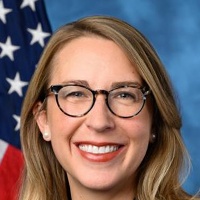
Hillary Scholten
Representative
MI
Hillary Scholten
Representative
MI
This bill officially renames the United States Postal Service facility located at 324 Washington Avenue, Suite 1 in Grand Haven, Michigan. The facility will now be known as the "Ell Thomas Simantz Post Office Building." This designation updates all official records and references to reflect the new name.
This bill designates the United States Postal Service facility at 117 West Lovett Street in Charlotte, Michigan, as the "Francis C. Flaherty Post Office Building."
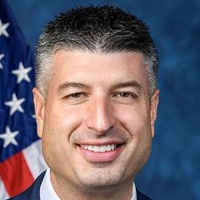
Tom Barrett
Representative
MI
Tom Barrett
Representative
MI
This bill officially designates the United States Postal Service facility located at 117 West Lovett Street in Charlotte, Michigan, as the "Francis C. Flaherty Post Office Building." All official references to this facility will be updated to reflect this new name.
This bill grants Members of Congress and their staff expanded access to federal buildings and contractor facilities to ensure effective oversight of government operations.
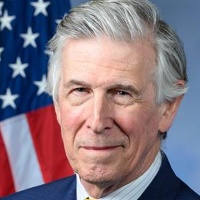
Donald Beyer
Representative
VA
Donald Beyer
Representative
VA
The Congressional Oversight and Agency Access Act grants Members of Congress and their staff expanded access to federal buildings and contractor-operated facilities to ensure effective oversight. The bill establishes clear protocols for entry during business hours, emergencies, and secure areas, while prohibiting agencies from obstructing observational access.
The Tuskegee Airmen Memorial Act of 2026 authorizes the establishment of a privately funded commemorative work in Washington, D.C., to honor the Tuskegee Airmen of World War II.
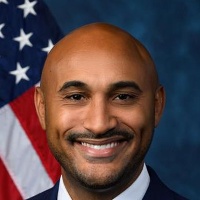
Shomari Figures
Representative
AL
Shomari Figures
Representative
AL
The Tuskegee Airmen Memorial Act of 2026 authorizes Tuskegee Airmen, Inc. to establish a commemorative work on federal land in Washington, D.C., to honor the original Tuskegee Airmen of World War II. The project will be funded entirely through private donations, with no federal funds permitted for its construction or maintenance.
The Medicaid Dental Benefit Act of 2026 mandates comprehensive dental coverage for adults under state Medicaid programs while establishing new federal quality standards, reporting requirements, and outreach initiatives to improve oral health equity.
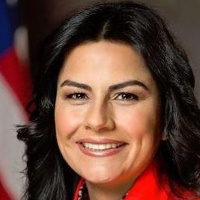
Nanette Barragán
Representative
CA
Nanette Barragán
Representative
CA
The Medicaid Dental Benefit Act of 2026 mandates that all state Medicaid programs provide comprehensive dental and oral health coverage for adults beginning January 1, 2027. To support this transition, the bill provides three years of 100% federal funding for these core services and establishes new national quality and equity reporting standards. Additionally, the legislation requires federal outreach programs to improve access to care and mandates a comprehensive report on the state of adult oral health in the United States.
This bill prohibits lifetime and annual dollar limits on dental benefits under CHIP and mandates that states provide supplemental dental-only coverage for eligible children.
Nanette Barragán
Representative
CA
Nanette Barragán
Representative
CA
The Ensuring Kids Have Access to Medically Necessary Dental Care Act strengthens dental coverage for children enrolled in the Children's Health Insurance Program (CHIP). This legislation prohibits states from imposing annual or lifetime dollar limits on dental benefits and mandates that states provide dental-only supplemental coverage. These changes ensure that low-income children have consistent, comprehensive access to necessary dental care.
The REPLACE Act modernizes federal grant programs to accelerate the removal of lead-based paint hazards and replace lead-contaminated drinking water service lines in housing and communities.
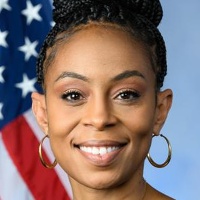
Shontel Brown
Representative
OH
Shontel Brown
Representative
OH
The REPLACE Act modernizes federal lead hazard reduction programs by expanding grant eligibility and funding priorities to better address both lead-based paint and water-related lead hazards. The bill enhances technical assistance for local jurisdictions, strengthens coordination between housing and environmental agencies, and broadens the scope of service line replacements to include hazardous galvanized pipes. These measures aim to accelerate the removal of lead hazards from homes and drinking water systems to ensure safer living environments.
The Inclusive Democracy Act of 2026 protects the right of all citizens to vote in federal elections regardless of criminal conviction and mandates that carceral facilities provide incarcerated individuals with the necessary resources to register and vote.
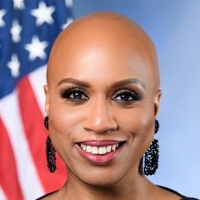
Ayanna Pressley
Representative
MA
Ayanna Pressley
Representative
MA
The Inclusive Democracy Act of 2026 prohibits the federal government and states from denying any citizen the right to vote in federal elections due to a criminal conviction. The bill mandates that carceral facilities provide incarcerated individuals with access to voter registration, absentee ballots, and election information. Additionally, it establishes enforcement mechanisms to ensure these voting rights are protected and upheld in all federal elections.
The Daycare Not Detentions Act of 2026 reallocates $70 billion from federal immigration enforcement agencies to expand funding for child care, Head Start, and early education programs through 2029.
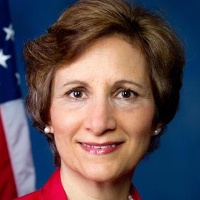
Suzanne Bonamici
Representative
OR
Suzanne Bonamici
Representative
OR
The Daycare Not Detentions Act of 2026 provides $70 billion in supplemental funding to expand and support child care, Head Start, and early education programs through 2029. This legislation offsets the cost by rescinding an equal amount of unobligated funding previously allocated to U.S. Customs and Border Protection and Immigration and Customs Enforcement.
The GET THE LEAD OUT Act of 2026 mandates a comprehensive national strategy to eliminate lead-based pipe hazards in housing and public buildings while funding these initiatives through tax reforms on investment partnerships and estates.
Shontel Brown
Representative
OH
Shontel Brown
Representative
OH
The GET THE LEAD OUT Act of 2026 establishes a comprehensive national framework to identify and eliminate lead-based pipe hazards in housing, schools, and public buildings. The legislation mandates rigorous safety standards, worker certification, and disclosure requirements for property owners, while authorizing $9.5 billion in annual funding for abatement efforts. To support these initiatives, the bill also implements tax reforms targeting investment fund managers and high-value estates to generate necessary federal revenue.
This resolution recognizes July 21, 2026, as Black Women’s Equal Pay Day to raise awareness of the persistent wage gap and reaffirm the commitment to achieving pay equity.
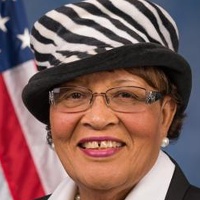
Alma Adams
Representative
NC
Alma Adams
Representative
NC
This resolution recognizes July 21, 2026, as Black Women’s Equal Pay Day to highlight the persistent and significant wage gap between Black women and white, non-Hispanic men. It calls attention to the systemic racial and gender-based barriers contributing to this disparity and reaffirms a commitment to achieving true pay equity.
The MOMMIES Act strengthens maternal health outcomes by extending Medicaid and CHIP postpartum coverage to one year, mandating comprehensive oral health benefits, and establishing demonstration projects to improve maternity care access and equity.
Ayanna Pressley
Representative
MA
Ayanna Pressley
Representative
MA
The MOMMIES Act aims to improve maternal health outcomes by expanding Medicaid and CHIP coverage for pregnant and postpartum individuals to a full year. The bill mandates comprehensive benefits, including oral health services, and establishes a maternity care home demonstration project to provide coordinated, culturally appropriate care. Additionally, it increases provider reimbursement rates for primary care, promotes access to doula services, and requires federal studies to address disparities and improve telehealth access in maternal care.
The No Passes for Polluters Act of 2026 requires Congressional approval for executive branch exemptions from Clean Air Act emission standards and eliminates specific compliance waivers for hazardous air pollutants.

Doris Matsui
Representative
CA
Doris Matsui
Representative
CA
The No Passes for Polluters Act of 2026 amends the Clean Air Act to require explicit Congressional approval before the President or federal agencies can grant exemptions from air pollution, vehicle fleet, or ozone-depleting substance regulations. The bill establishes a formal joint resolution process for these approvals and empowers citizens to sue if exemptions are utilized without legislative authorization. Additionally, the legislation repeals existing provisions that allowed for compliance schedule exemptions regarding hazardous air pollutants.
The Justice for Incarcerated Moms Act aims to improve maternal health outcomes for incarcerated individuals by prohibiting the shackling of pregnant prisoners and establishing federal and state programs to provide comprehensive prenatal and postpartum care.
Ayanna Pressley
Representative
MA
Ayanna Pressley
Representative
MA
The Justice for Incarcerated Moms Act aims to improve maternal health outcomes and reduce disparities for pregnant and postpartum individuals in the criminal justice system. The bill mandates the end of shackling for pregnant individuals in federal and state facilities and establishes comprehensive model programs to provide prenatal and postpartum care. Additionally, it creates a grant program for state and local facilities to improve maternal health services and requires a federal report to identify and address systemic barriers to care.
The Action for Dental Health Act authorizes $15 million in annual funding from 2026 through 2030 to support programs aimed at improving oral health care access and delivery.
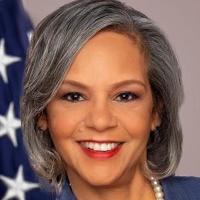
Robin Kelly
Representative
IL
Robin Kelly
Representative
IL
The Action for Dental Health Act authorizes $15 million in annual funding from 2026 through 2030 to support the Action for Dental Health program. This legislation ensures continued federal investment in initiatives designed to improve oral health care access and outcomes.
The AADAPT Act expands grant eligibility and funding to integrate dementia care services into health centers through 2031.
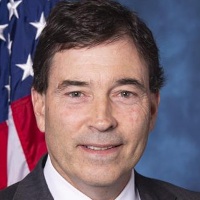
Troy Balderson
Representative
OH
Troy Balderson
Representative
OH
The AADAPT Act expands access to specialized dementia care by authorizing grants for public and nonprofit health centers to integrate these services into their programs. Additionally, the bill extends federal funding authorization through 2031 to ensure the continued growth and sustainability of these critical health outcomes.
The Interagency Council on Affordable Housing Act of 2026 establishes a federal council to coordinate national policy, improve program efficiency, and expand the supply of affordable housing through interagency and cross-governmental collaboration.
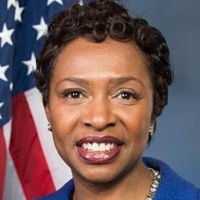
Yvette Clarke
Representative
NY
Yvette Clarke
Representative
NY
The Interagency Council on Affordable Housing Act of 2026 establishes a new independent federal agency tasked with coordinating a national strategy to increase the supply of affordable housing and improve rental market fairness. The Council will unite various federal departments to streamline housing programs, provide technical assistance to state and local governments, and ensure better access to housing resources for low-income populations. Through research, reporting, and interagency collaboration, the Council aims to foster a unified national approach to addressing homelessness and housing affordability.
The Stop CHEATERS Act provides significant multi-year funding to the IRS to modernize technology, improve taxpayer services, and enhance tax enforcement efforts focused on high-income individuals and large corporations.
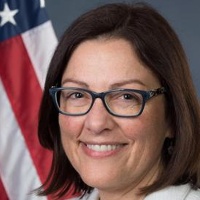
Suzan DelBene
Representative
WA
Suzan DelBene
Representative
WA
The Stop CHEATERS Act provides significant multi-year funding to the IRS to modernize its technology, improve taxpayer services, and strengthen tax enforcement. The bill specifically mandates that the agency prioritize auditing high-income individuals and large corporations to close the tax gap. Additionally, it requires regular reporting to Congress to ensure accountability and progress in these enforcement efforts.
Orlin’s Law establishes comprehensive protections for detained immigrant parents, prioritizing family unity by mandating release procedures, access to legal and child welfare proceedings, and the creation of a dedicated office to coordinate parental rights and care.
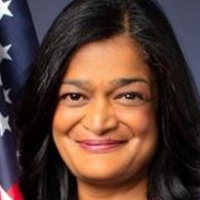
Pramila Jayapal
Representative
WA
Pramila Jayapal
Representative
WA
Orlin’s Law establishes critical protections for immigrant parents in U.S. custody to prevent the unnecessary separation of families. The bill mandates that detained parents be prioritized for release, provided with the means to participate in family court proceedings, and granted access to resources for their children’s care. Additionally, it creates an Office of Detained Parent Coordination to oversee these protections and requires the government to provide alternatives to detention for parents.
The SWIFT Act of 2026 improves financial security for widows, widowers, and surviving divorced spouses by expanding disability eligibility, increasing child-in-care benefit age limits, and creating new opportunities to maximize survivor benefit amounts.
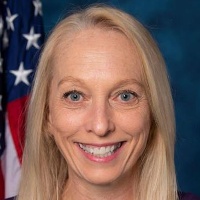
Mary Scanlon
Representative
PA
Mary Scanlon
Representative
PA
The Surviving Widow(er) Income Fair Treatment (SWIFT) Act of 2026 aims to strengthen financial security for surviving spouses by expanding eligibility for disability-based benefits and increasing the age limit for child-in-care benefits to 18. The bill also introduces new delayed retirement credits for survivors and updates benefit calculation rules to ensure fairer compensation for those who wait to claim. Additionally, it mandates improved outreach and educational resources to ensure survivors are fully informed of their benefit options.