This bill applies key consumer protections from the Truth in Lending Act to "buy now, pay later" loans and subjects BNPL lenders to federal supervision by the CFPB.
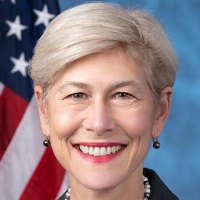
Deborah Ross
Representative
NC-2
The Buy Now, Pay Later Protection Act of 2025 aims to enhance consumer safeguards for "buy now, pay later" (BNPL) loans. It amends the Truth in Lending Act to apply specific credit card protections, such as dispute resolution rights, to these short-term installment loans. Furthermore, the bill subjects BNPL lenders to direct federal supervision by the Consumer Financial Protection Bureau (CFPB). The CFPB is required to issue implementing rules within one year of enactment.
New BNPL Act Extends Credit Card Protections to 'Buy Now, Pay Later' Loans, Mandates Federal Oversight
The new Buy Now, Pay Later Protection Act of 2025 is tackling the fastest-growing corner of consumer finance: those ‘pay-in-four’ installment plans you see everywhere from online checkout pages to big box stores. The bill’s main goal is simple: to make sure that when you use a Buy Now, Pay Later (BNPL) service, you get the same basic consumer protections you’d expect from a credit card, even though these loans technically aren’t credit cards.
The Fine Print on 'Pay-in-Four'
This legislation specifically targets the most common type of BNPL product: a closed-end consumer loan for a retail purchase that meets two criteria: it’s repaid in four or fewer installments, and, crucially, it doesn’t charge a finance charge (SEC. 2). If you’ve ever used a service to split a $300 purchase into four $75 payments every two weeks, this is the product the bill is focusing on. By defining it this way, the bill extends several core protections from the Truth in Lending Act (TILA) to cover these transactions.
What does this mean in real life? Say you buy a new piece of furniture using a BNPL plan, and when it arrives, it’s damaged or completely wrong. Under the current system, getting a refund or disputing the charge with the BNPL lender can be a nightmare. This bill changes that by applying Section 170 of TILA, which gives you the right to assert claims and defenses against the creditor when there’s a problem with the goods or services purchased. If the seller won't fix the issue, you can now take the fight directly to the lender, just like you would with a Visa or Mastercard chargeback. It also applies rules for handling billing errors (Section 161), so if your payments get messed up, the lender has a regulated process for fixing it.
Who’s Watching the Lenders Now?
The second major component of the bill is bringing BNPL lenders under federal supervision. Currently, many BNPL providers operate in a regulatory gray area, but the Act amends the Consumer Financial Protection Act to add BNPL lenders to the list of entities subject to federal oversight by the Consumer Financial Protection Bureau (CFPB) (SEC. 3). This means the CFPB gets the authority to examine these companies, enforce consumer protection laws, and make sure they aren’t engaging in unfair or deceptive practices.
For the millions of consumers who rely on these services—especially younger people and those managing tight budgets—this is a big deal. It provides a federal safety net and ensures that there’s a powerful regulator watching the industry. For the BNPL companies, this means higher compliance costs and a lot more paperwork, but it also signals the end of the Wild West era of unregulated growth.
The One Catch in the Definition
While the bill is a net positive for consumer protection, there is one detail in the definition that’s worth watching. The regulation only applies to loans that do not charge a finance charge. If a BNPL provider decides to structure its product slightly differently—say, by charging a small, upfront fee or a minor interest rate—it might potentially fall outside the scope of these new protections. The bill recognizes this complexity and directs the CFPB to issue necessary rules within one year to implement these changes, which will hopefully close any unexpected loopholes created by this specific definition.