This bill mandates the removal of U.S. Armed Forces from hostilities within or against Venezuela unless explicitly authorized by Congress.
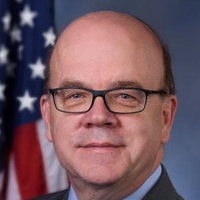
James "Jim" McGovern
Representative
MA-2
This bill mandates the President to immediately remove all United States Armed Forces from hostilities within or against Venezuela. This action is required unless Congress has specifically authorized the use of military force. The legislation aims to ensure that military engagement in Venezuela requires explicit Congressional approval.
| Party | Total Votes | Yes | No | Did Not Vote |
|---|---|---|---|---|
Republican | 220 | 3 | 212 | 5 |
Democrat | 213 | 208 | 1 | 4 |
Congress Moves to Force Immediate Withdrawal of US Forces from Venezuela Hostilities
This Concurrent Resolution is straightforward: it mandates the President to remove all United States Armed Forces from any hostilities currently taking place in or against Venezuela. The clock starts ticking immediately, and the only way the military engagement can continue is if Congress has already provided specific, explicit authorization—like a declaration of war or a specific law greenlighting the action.
Essentially, this bill is Congress using its constitutional muscle, specifically citing Section 5(c) of the War Powers Resolution, to say, "If we didn't vote on it, you can't fight it." It’s a direct check on the Executive Branch’s ability to initiate military actions without legislative approval, aiming to prevent the US from quietly sliding into another foreign conflict.
The War Powers Check Engine Light
For most people, foreign military engagements feel abstract until they hit the news or impact the economy. This resolution matters because it reinforces the idea that military deployment—which costs taxpayer dollars and risks American lives—should require public debate and a vote. It’s Congress demanding its seat at the table when the decision involves putting boots on the ground or engaging in combat operations.
If this resolution passes, it means that any current US military personnel involved in operations that qualify as "hostilities" in Venezuela must be pulled out pronto. For military families, this means a potential end to an unauthorized deployment risk. For the rest of us, it reduces the risk of the US getting bogged down in a complex, costly conflict that was never properly vetted by the people's representatives.
Who Feels the Change?
This resolution primarily impacts the Executive Branch and the specific agencies currently conducting operations in Venezuela. They would have to immediately cease and withdraw. The beneficiaries are clear: Congress, which reasserts its constitutional role, and the US service members who are protected from being deployed into unauthorized conflicts.
There is a small catch, though. The resolution relies on the definition of "hostilities." The Executive Branch could try to argue that certain advisory roles or intelligence support don't technically count as "hostilities" to keep some operations running. However, the intent of the resolution is crystal clear: end the unauthorized military involvement. This legislation is a win for accountability and ensuring that the decision to commit US forces is made transparently, not behind closed doors.