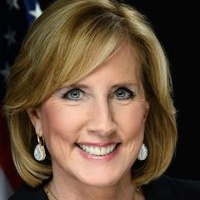
Legislative Activity
Track Claudia's sponsored bills, co-sponsored legislation, and voting record
The End Sanctuary Cities Act of 2026 establishes federal criminal penalties for state and local officials who obstruct immigration enforcement by restricting the release of information regarding criminal aliens.
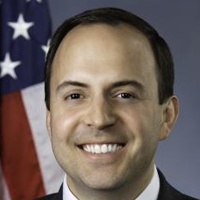
Lance Gooden
Representative
TX
Lance Gooden
Representative
TX
The End Sanctuary Cities Act of 2026 establishes a new federal crime for state and local officials who knowingly obstruct federal immigration enforcement requests regarding the release of criminal aliens. The bill mandates that officials provide reasonable advance notice to the Department of Homeland Security before releasing such individuals. Violations of this act carry significant criminal penalties, including fines and imprisonment, based on the severity of the underlying crime committed by the alien.
The CHEERS Act of 2026 allows restaurants and bars to depreciate qualified energy-efficient draft alcohol dispensing equipment over 15 years for tax purposes.
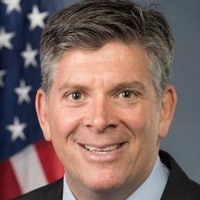
Darin LaHood
Representative
IL
Darin LaHood
Representative
IL
The CHEERS Act of 2026 creates a new tax incentive for hospitality businesses by classifying energy-efficient draft alcohol dispensing equipment as 15-year property for depreciation purposes. This allows restaurants and bars to recover the cost of installing qualifying stainless steel or aluminum draft systems more quickly. The provision aims to encourage upgrades to energy-efficient equipment in the alcohol service industry.
The Iran Human Rights, Internet Freedom, and Accountability Act of 2026 aims to support the Iranian people by expanding internet access, strengthening sanctions against regime officials, and establishing a Treasury initiative to combat Iranian government corruption and kleptocracy.
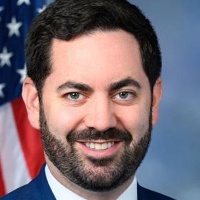
Michael Lawler
Representative
NY
Michael Lawler
Representative
NY
The Iran Human Rights, Internet Freedom, and Accountability Act of 2026 aims to support the Iranian people by expanding access to uncensored internet and communication technologies. The bill strengthens U.S. policy against regime repression by mandating investigations into human rights abuses and establishing a new Treasury initiative to combat corruption and money laundering by Iranian officials. Additionally, it enhances congressional oversight of sanctions and promotes independent media to counter state-sponsored censorship.
This bill exempts specific less-than-lethal projectile devices from federal firearm restrictions, excise taxes, and National Firearms Act regulations to promote de-escalation innovation in law enforcement.
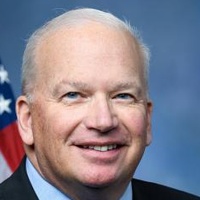
Scott Fitzgerald
Representative
WI
Scott Fitzgerald
Representative
WI
The Law-Enforcement Innovate to De-Escalate Act aims to promote de-escalation by exempting specific, clearly defined less-than-lethal projectile devices from federal firearm restrictions and excise taxes. This legislation provides a formal process for determining which devices qualify for these exemptions under both federal law and the National Firearms Act. The bill also modernizes tax regulations by exempting qualifying less-than-lethal devices and their ammunition from federal excise taxes.
This Act establishes the United States-Israel Defense Technology Cooperation Initiative to accelerate joint research, development, and integration of defense technologies between the two nations.
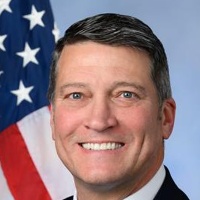
Ronny Jackson
Representative
TX
Ronny Jackson
Representative
TX
This bill establishes the United States-Israel Defense Technology Cooperation Initiative to accelerate joint research, development, and integration of critical defense technologies. The initiative focuses on key areas like AI, missile defense, and counter-drone systems to enhance the security and technological edge of both nations. It mandates regular reporting to Congress on progress and authorizes funding for fiscal years 2027 through 2029.
The BRAVE Burma Act modifies sanctions reporting requirements and directs the U.S. to oppose increases to Burma's IMF shareholding while the State Administration Council is in power.
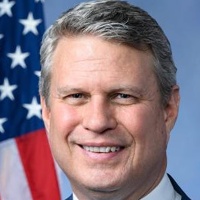
Bill Huizenga
Representative
MI
Bill Huizenga
Representative
MI
The BRAVE Burma Act aims to increase accountability for the military regime in Burma through enhanced sanctions reporting. It requires the President to assess Burmese state-owned enterprises and entities involved in the jet fuel sector for potential sanctions. Furthermore, the Act directs the U.S. to oppose increases to Burma's shareholding in the International Monetary Fund while the State Administration Council is in power.
This bill authorizes the minting of special $2.50 commemorative coins for the 250th anniversary of the Declaration of Independence and mandates a study on the feasibility of issuing a $2.50 coin for general circulation.
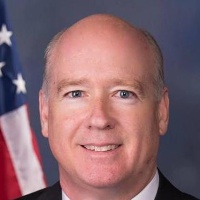
Robert Aderholt
Representative
AL
Robert Aderholt
Representative
AL
This act establishes the "$2.50 for America's 250th Act" to commemorate the 250th anniversary of the Declaration of Independence. It authorizes the Treasury to mint and issue special commemorative gold, silver, and clad $2.50 coins featuring designs from the 1926 Sesquicentennial coin. Additionally, the bill mandates a study on the feasibility of minting and issuing a $2.50 coin for wide circulation.
This bill mandates that national sports governing bodies require athletes to compete in events corresponding to their biological sex as defined at conception for the Olympics and other sanctioned competitions.
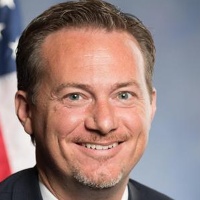
Michael Cloud
Representative
TX
Michael Cloud
Representative
TX
The SAFE Olympic Sports Act mandates that national governing bodies for sports require athletes to participate in competitions corresponding to their biological sex, defined as male or female determined at conception. This requirement applies to the Olympic Games, Paralympic Games, and other sanctioned events. Furthermore, the bill protects the sanctioning of previously established, single-sex amateur athletic competitions.
This act prohibits the U.S. government from entering into settlement agreements that require payments to third parties, except for direct restitution or payment for services rendered.
Lance Gooden
Representative
TX
Lance Gooden
Representative
TX
The Stop Settlement Slush Funds Act of 2026 restricts the U.S. government from entering into settlement agreements that mandate payments to third parties, except for direct restitution or payment for services rendered. This legislation aims to prevent the use of settlement funds for purposes other than remedying harm to the United States or its citizens. The Act also establishes reporting and annual audit requirements for federal agencies regarding these settlement agreements.
This bill prohibits the use of federal election administration funds in states that permit third parties, other than specified exceptions, to collect and transmit mail ballots.
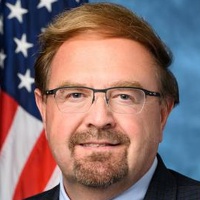
Charles (Chuck) Edwards
Representative
NC
Charles (Chuck) Edwards
Representative
NC
This bill, the No Federal Funds for Ballot Harvesting Act, prohibits the use of federal election administration funds in any state that permits third parties to collect and transmit absentee ballots. It mandates that states must ban the practice commonly known as "ballot harvesting" to remain eligible for federal election funding. Exceptions are made for election officials, mail carriers, and immediate family or caregivers of the voter.
The Internet Reach and Access Now Act establishes a program to counter Iranian internet censorship by funding technologies like VPNs and eSIMs, safeguarding satellite access, and training civil society groups to ensure the free flow of information.
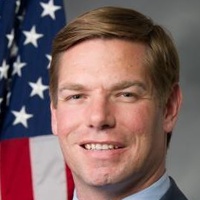
Eric Swalwell
Representative
CA
Eric Swalwell
Representative
CA
The Internet Reach and Access Now (IRAN) Act establishes a program to counter Iranian government censorship by providing technologies and support to help citizens access the open internet. It directs the Secretary of State to coordinate efforts, update strategies to ensure sanctions don't block access tools, and safeguard satellite coverage over Iran. The bill authorizes significant funding to support these initiatives, including cybersecurity training for Iranian civil society.
This bill establishes eligibility requirements for amateur athletic organizations based on biological sex, prohibiting individuals whose sex is male from competing in female-designated amateur athletic competitions.
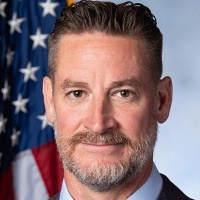
W. Steube
Representative
FL
W. Steube
Representative
FL
This Act establishes specific definitions for "female," "male," and "sex" based on biological reproductive systems for amateur athletics. It mandates that organizations recognized by the U.S. Olympic & Paralympic Committee must prohibit individuals identified as male from competing in competitions designated for females. This aims to protect competitive opportunities specifically for biological females in amateur sports.
This bill establishes federal standards for voter identification, registration, election administration, and mail-in ballot procedures for federal elections.
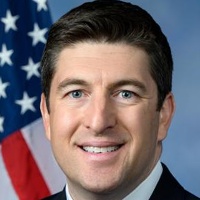
Bryan Steil
Representative
WI
Bryan Steil
Representative
WI
The Make Elections Great Again Act establishes new federal standards for voter identification, citizenship verification for registration, and statewide voter list maintenance for federal elections. It also standardizes election administration by mandating paper ballots, banning ranked-choice voting, and implementing strict new rules for requesting and returning mail-in ballots. The bill aims to increase election integrity through enhanced documentation and procedural uniformity across states.
This bill mandates proof of U.S. citizenship for federal voter registration and requires photo identification showing citizenship status for voting in federal elections.
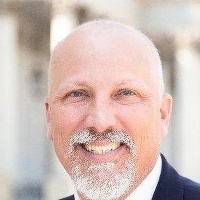
Chip Roy
Representative
TX
Chip Roy
Representative
TX
The Safeguard American Voter Eligibility Act (SAVE America Act) mandates that individuals must provide documentary proof of U.S. citizenship to register to vote in federal elections. It also establishes a federal requirement for voters to present a photo ID indicating U.S. citizenship when casting a ballot in federal elections. The bill outlines specific acceptable forms of proof and requires states to implement verification programs to ensure only citizens are registered and voting.
This bill allows states to use TANF funds to support pregnancy centers that offer resources to expectant and parenting families.
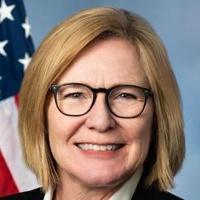
Michelle Fischbach
Representative
MN
Michelle Fischbach
Representative
MN
The Supporting Pregnant and Parenting Women and Families Act aims to ensure states can use Temporary Assistance for Needy Families (TANF) funds to support pregnancy centers. This legislation specifically defines pregnancy centers as organizations that promote the life of the mother and unborn child while offering various resources and services to expecting and new parents.
This Act supports Eastern Mediterranean nations as a strategic gateway for the India-Middle East-Europe Economic Corridor (IMEC) by prioritizing diplomacy, energy security, and defense cooperation.
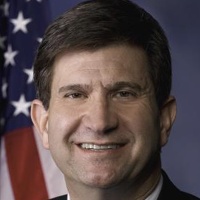
Bradley Schneider
Representative
IL
Bradley Schneider
Representative
IL
The Eastern Mediterranean Gateway Act supports key Eastern Mediterranean nations—Egypt, Greece, Cyprus, and Israel—as strategic partners for the India-Middle East-Europe Economic Corridor (IMEC). The bill directs the U.S. to prioritize diplomatic engagement, energy security, and defense cooperation in the region. It also mandates several reports to Congress detailing implementation, multilateral initiatives, and potential expansions of successful U.S.-Israel partnership models to other regional allies.
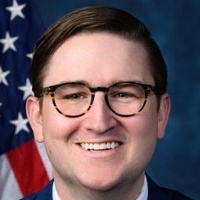
The PRESS Act establishes a new federal crime and associated penalties for manufacturing or distributing drug-making equipment with the intent that it will be used to produce drugs illegally imported into the United States.
Addison McDowell
Representative
NC
Addison McDowell
Representative
NC
The PRESS Act establishes a new federal crime for manufacturing or distributing equipment used to make illegal drugs if that equipment is intended for substances that will be unlawfully imported into the United States. This legislation amends the Controlled Substances Act to create specific prison sentences for these supply chain offenses. The Act also directs the Sentencing Commission to update federal guidelines to reflect these new penalties.
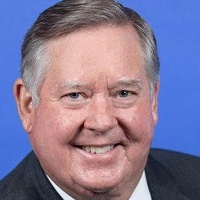
This bill establishes a Veterans Scam and Fraud Evasion Officer within the VA to coordinate fraud prevention, reporting, and veteran resource guidance, while also extending certain pension payment limits.
Ken Calvert
Representative
CA
Ken Calvert
Representative
CA
The Veterans Scam And Fraud Evasion Act of 2025, or VSAFE Act, establishes a dedicated Veterans Scam and Fraud Evasion Officer within the Department of Veterans Affairs. This officer will centralize the VA's efforts to prevent, report, and respond to fraud and scams targeting veterans. The role includes developing guidance, promoting reporting resources, and coordinating with other federal agencies to better protect veterans and their families.
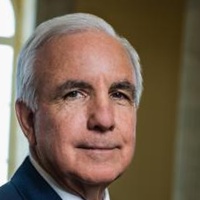
This resolution commends President Trump and U.S. forces for the successful "Operation Absolute Resolve" to apprehend Nicolás Maduro and dismantle the Cartel de los Soles.
Carlos Gimenez
Representative
FL
Carlos Gimenez
Representative
FL
This resolution commends President Trump and U.S. forces for the successful "Operation Absolute Resolve," which apprehended fugitive Nicolás Maduro and dismantled the command structure of the Cartel de los Soles. It recognizes the operation as a critical step against state-sponsored narcoterrorism that fuels the U.S. drug crisis. Furthermore, the bill reaffirms the Monroe Doctrine and supports a democratic transition in Venezuela.
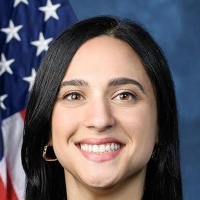
This bill expresses support for the Iranian people protesting for a free and democratic Iran while condemning the Islamic Republic's violent repression.
Yassamin Ansari
Representative
AZ
Yassamin Ansari
Representative
AZ
This resolution expresses strong support for the Iranian people protesting for freedom, democracy, and basic human rights against the repressive Islamic Republic. It condemns the regime's brutal crackdown on demonstrators and demands an end to violence and the release of political prisoners. Furthermore, it urges the U.S. government to work with allies to deter further lethal violence against protesters.