Legislative Activity
Track Claudia's sponsored bills, co-sponsored legislation, and voting record
This bill establishes controls on the remote access of sensitive items by foreign persons under the Export Control Reform Act of 2018, requiring consultation with Congress before new regulations are issued.
Michael Lawler
Representative
NY
Michael Lawler
Representative
NY
The Remote Access Security Act amends the Export Control Reform Act of 2018 to establish new controls on the remote access of sensitive U.S. items by foreign persons. This legislation grants the Secretary of Commerce authority to regulate such access when it poses a serious risk to national security. Furthermore, the bill mandates that the Secretary consult with key congressional committees before issuing new regulations on remote access controls.
This bill modifies deposits into the Crime Victims Fund by excluding certain False Claims Act recoveries and mandates an Inspector General audit of the Fund's sustainability.
Ann Wagner
Representative
MO
Ann Wagner
Representative
MO
This bill amends the Victims of Crime Act of 1984 to temporarily exclude certain False Claims Act recoveries from being deposited into the Crime Victims Fund through fiscal year 2029. It also mandates a comprehensive audit by the Department of Justice Inspector General on the Fund's sustainability and the impact of recent legislative changes. The resulting report will provide recommendations for improving the Fund's effectiveness and oversight.
This resolution denounces Nicolás Maduro's regime, commends President Trump's decisive action against him, and criticizes Democratic members who opposed Maduro's arrest despite past condemnations of his government.
Eric Crawford
Representative
AR
Eric Crawford
Representative
AR
This resolution strongly condemns the authoritarian regime of Nicolás Maduro in Venezuela and commends President Trump for taking decisive action against him. It specifically denounces recent statements by Democratic Members of Congress that opposed Maduro's arrest, noting these statements contradict prior legislation they introduced condemning the regime. The resolution affirms the long-held belief by a broad coalition in the House that Maduro poses a threat to U.S. national security.
This bill officially designates January 9, 2026, as "National Law Enforcement Appreciation Day" while also establishing National Police Week and National Peace Officers Memorial Day to honor law enforcement officers.
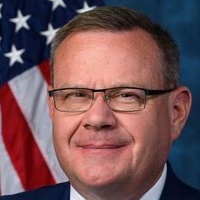
Tim Moore
Representative
NC
Tim Moore
Representative
NC
This bill officially designates January 9, 2026, as "National Law Enforcement Appreciation Day" to honor the service and sacrifice of law enforcement officers nationwide. It also establishes National Police Week and National Peace Officers Memorial Day (May 15th) to commemorate officers who have died in the line of duty. The legislation encourages the President to issue annual proclamations recognizing these days and calls for flags to be flown at half-staff on Memorial Day.
This bill mandates that all Title X-funded family planning projects comply with state and local laws regarding the reporting of sexual abuse, child abuse, and human trafficking as a condition of federal funding.
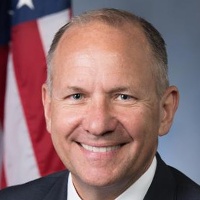
Lloyd Smucker
Representative
PA
Lloyd Smucker
Representative
PA
The Reporting Accountability and Abuse Prevention Act of 2026 mandates that all recipients of federal Title X family planning funds must strictly comply with state and local laws regarding the reporting of various forms of abuse, including child abuse and sexual assault. This compliance requires grantees to implement specific policies, conduct annual training, and establish protocols for patient safety and intervention. Failure to adhere to these requirements will result in penalties, including the repayment of federal funds and a multi-year ban on receiving future Title X assistance for repeat violations.
This act establishes federal criminal penalties for stealing packages delivered by private or commercial interstate carriers before the recipient takes possession.
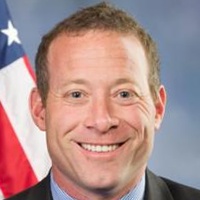
Josh Gottheimer
Representative
NJ
Josh Gottheimer
Representative
NJ
The Porch Pirates Act of 2025 establishes new federal criminal penalties for stealing or interfering with packages delivered by private or commercial carriers across state lines. This legislation asserts Congress's authority to extend protections against package theft to items shipped via services like FedEx or UPS, mirroring existing protections for the U.S. Postal Service. The bill specifically targets the theft of delivered packages before the recipient takes physical possession.
This bill amends the Port Infrastructure Development Program to mandate equitable geographic distribution of project funding across all US regions.
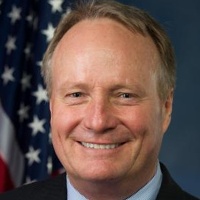
David Joyce
Representative
OH
David Joyce
Representative
OH
The Securing Smart Investments in our Ports Act aims to ensure federal port infrastructure funding is distributed fairly across the nation. This legislation amends the Port Infrastructure Development Program to mandate equitable geographic distribution when awarding grants for port projects, including those benefiting small ports.
The SAFE TRACKS Act mandates that states update their safety plans to detail cross-agency strategies for reducing pedestrian fatalities, including suicides, at highway-rail grade crossings.
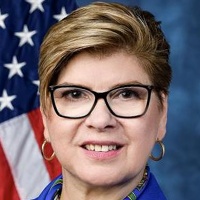
Nellie Pou
Representative
NJ
Nellie Pou
Representative
NJ
The SAFE TRACKS Act requires states to update their highway-rail grade crossing safety plans to specifically address and reduce pedestrian fatalities and suicides along railroad tracks. These updated plans must detail collaboration strategies with railroads, mental health agencies, and law enforcement. States are mandated to submit these comprehensive safety reports to the Federal Railroad Administration every five years.
This Act establishes federal criminal penalties for performing genital or bodily mutilation or chemical castration on minors, with specific medical exceptions.
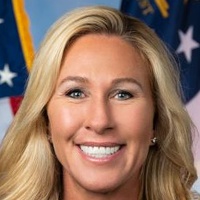
Marjorie Greene
Representative
GA
Marjorie Greene
Representative
GA
The Protect Children’s Innocence Act establishes federal criminal penalties for performing genital or bodily mutilation or chemical castration on individuals under 18 years old. This law applies when the act involves interstate commerce or occurs in U.S. territories. It explicitly prohibits procedures intended to change a minor's body to correspond with a different sex, with narrow exceptions for specific medical necessities.
This act removes Section 4024(c) from the CARES Act to clarify the enforcement of state housing laws.
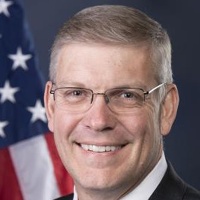
Barry Loudermilk
Representative
GA
Barry Loudermilk
Representative
GA
The Respect State Housing Laws Act aims to clarify federal housing regulations by amending the CARES Act. Specifically, this legislation removes Section 4024(c) from the CARES Act.
This bill exempts multiemployer retirement plans from the requirements for automatic enrollment under the Internal Revenue Code.
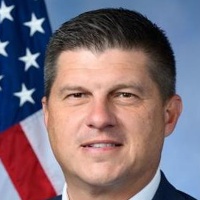
Brad Finstad
Representative
MN
Brad Finstad
Representative
MN
This bill amends the Internal Revenue Code to create an exception to the automatic enrollment requirements for certain retirement plans. Specifically, it exempts multiemployer plans from these automatic enrollment provisions. This change will take effect for taxable years beginning after December 31, 2024.
This bill officially renames the United States Postal Service facility at 130 North Winton Road in Rochester, New York, as the "Lieutenant James N. Lyons Post Office."
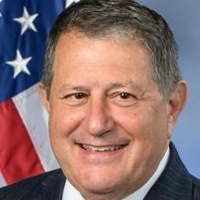
Joseph Morelle
Representative
NY
Joseph Morelle
Representative
NY
This bill officially designates the United States Postal Service facility located at 130 North Winton Road in Rochester, New York, as the "Lieutenant James N. Lyons Post Office." The legislation ensures that all future official references to this location will use the new designated name.
This bill authorizes Congress to award Congressional Gold Medals to the 1980 U.S. Men's Olympic Ice Hockey team for their historic "Miracle on Ice" victory.
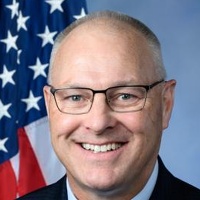
Pete Stauber
Representative
MN
Pete Stauber
Representative
MN
This bill, the Miracle on Ice Congressional Gold Medal Act, officially authorizes Congress to award Congressional Gold Medals to the 1980 U.S. Men's Olympic Ice Hockey Team for their historic "Miracle on Ice" victory. The medals will be struck by the Treasury and permanently displayed at specific national sports museums. The Act also permits the sale of duplicate bronze medals to cover production costs.
This bill establishes new payment standards, rebate requirements, and anti-steering rules for Pharmacy Benefit Managers in Medicare and Medicaid while increasing transparency in Medicaid drug price reporting.
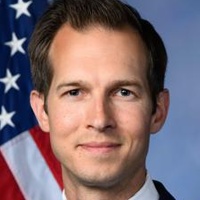
Jake Auchincloss
Representative
MA
Jake Auchincloss
Representative
MA
This bill establishes new federal requirements for Pharmacy Benefit Managers (PBMs) contracting with Medicare Part D and Medicaid plans, effective in 2027. It mandates specific payment standards for pharmacies, requires PBMs to pass manufacturer rebates directly to patients and plan sponsors, and strictly prohibits steering patients toward specific pharmacies. Additionally, the legislation enhances transparency by expanding drug price reporting requirements for all types of pharmacies within the Medicaid program.
The SHIELD Act of 2025 prohibits federal funding to state and local jurisdictions that interfere with, arrest, or prosecute federal law enforcement officers performing their immigration enforcement duties.
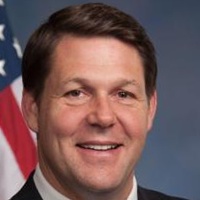
Jodey Arrington
Representative
TX
Jodey Arrington
Representative
TX
The SHIELD Act of 2025 prohibits state and local governments from arresting, prosecuting, or obstructing federal officers engaged in lawful immigration enforcement. Jurisdictions that interfere with these federal duties will be ineligible to receive federal financial assistance. This legislation ensures that federal authorities can carry out their immigration responsibilities without local interference.
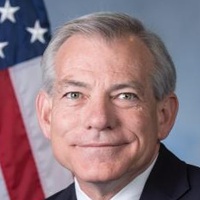
This bill exempts qualifying less-than-lethal projectile devices and their ammunition from federal excise taxes and the regulations of the National Firearms Act.
David Schweikert
Representative
AZ
David Schweikert
Representative
AZ
This bill exempts specific, carefully defined less-than-lethal projectile devices and their ammunition from the federal excise tax on firearms and ammunition. It also removes these qualifying devices from regulation under the National Firearms Act. The legislation establishes clear criteria, including velocity limits and design restrictions, to ensure the exemption applies only to tools intended for de-escalation rather than lethal force. Manufacturers can request official classification for their products to confirm eligibility for these tax and regulatory benefits.
This act establishes a new presumption for detention hearings and detention for non-citizens awaiting trial who are not lawful permanent residents.
Tim Moore
Representative
NC
Tim Moore
Representative
NC
The Flight Risk Reduction Act amends federal law to establish a new presumption against pretrial release for non-citizens who are not lawful permanent residents. This legislation mandates a detention hearing for such individuals and shifts the burden to them to prove, with clear and convincing evidence, that release conditions will ensure their court appearance and community safety. Notably, the bill prohibits using a non-citizen defendant's U.S. family or employment ties as evidence to overcome this detention presumption.
This bill officially designates the United States Postal Service facility at 86 Main Street in Haverstraw, New York, as the Paul Piperato Post Office Building.
Michael Lawler
Representative
NY
Michael Lawler
Representative
NY
This bill officially designates the United States Postal Service facility located at 86 Main Street in Haverstraw, New York, as the "Paul Piperato Post Office Building." This action ensures the facility will be known by this name in all official federal records and documents moving forward.
This bill officially renames the United States Postal Service facility in Holmes, New York, as the Sheriff Adrian Butch Anderson Post Office Building.
Michael Lawler
Representative
NY
Michael Lawler
Representative
NY
This bill officially designates the United States Postal Service facility located at 298 Route 292 in Holmes, New York, as the "Sheriff Adrian Butch Anderson Post Office Building." This change ensures all federal records and documents will use the new official name for this location.
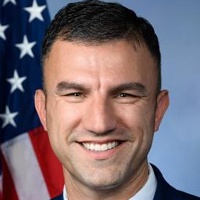
The SAFE Drugs Act of 2025 limits pharmacists and physicians from excessively copying commercial drugs through compounding, establishes new annual reporting for out-of-state compounding, increases FDA inspection frequency for large-scale facilities, and adjusts compounding facility fees.
Rudy Yakym
Representative
IN
Rudy Yakym
Representative
IN
The SAFE Drugs Act of 2025 aims to enhance the safety and oversight of drug compounding by limiting the ability of pharmacists and physicians to copy commercially available drugs. It introduces new annual reporting requirements for pharmacies compounding drugs for out-of-state patients and imposes stricter FDA inspection schedules for large-scale compounding facilities. Furthermore, the bill mandates registration for all outsourcing facilities and adjusts the fee structure used to fund safety assurance activities.