Legislative Activity
Track Mark's sponsored bills, co-sponsored legislation, and voting record
The Better CARE for Animals Act of 2025 strengthens the enforcement of the Animal Welfare Act by expanding investigative authority, establishing new civil penalties up to \$10,000 per day, and explicitly granting the Attorney General power to file civil actions, including seeking seizure and forfeiture of animals.
Nicole Malliotakis
Representative
NY
Nicole Malliotakis
Representative
NY
The Better CARE for Animals Act of 2025 significantly strengthens enforcement of the Animal Welfare Act by clarifying definitions and expanding the scope of investigations. It grants the Attorney General explicit authority to file civil actions seeking penalties up to $10,000 per day, and mandates that collected fines help cover temporary animal care costs. The bill also requires the Secretary of Agriculture and the Attorney General to establish a formal agreement for coordinated enforcement.
This resolution recognizes the 50th anniversary of the Fall of Saigon, honoring the history, service, and contributions of Vietnamese Americans while reaffirming U.S. commitment to democracy and human rights.
Derek Tran
Representative
CA
Derek Tran
Representative
CA
This resolution commemorates the 50th anniversary of the Fall of Saigon and recognizes the profound contributions of Vietnamese Americans to the United States. It honors those who fled the communist regime after April 30, 1975, and reaffirms American commitment to democracy and human rights. The bill encourages all citizens to observe this anniversary and remember the sacrifices made in the pursuit of freedom.
This bill repeals the Arctic National Wildlife Refuge oil and gas program and designates over 1.5 million acres of the refuge as protected wilderness.
Jared Huffman
Representative
CA
Jared Huffman
Representative
CA
The Arctic Refuge Protection Act officially repeals the previous law authorizing oil and gas leasing in the Arctic National Wildlife Refuge. This legislation simultaneously designates approximately 1.56 million acres within the Refuge as protected wilderness under the National Wilderness Preservation System. The Secretary of the Interior is now required to manage this newly designated land according to strict wilderness preservation standards.
This bill establishes a universal, comprehensive national health insurance program called "Medicare for All" that eliminates patient cost-sharing and transitions the nation away from private insurance duplication.
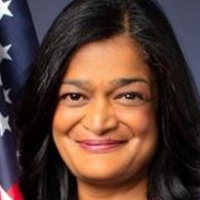
Pramila Jayapal
Representative
WA
Pramila Jayapal
Representative
WA
The Medicare for All Act establishes a universal, nationwide health insurance program providing comprehensive coverage for all U.S. residents with no out-of-pocket costs. It fundamentally restructures healthcare financing by implementing global budgets for institutions and a new fee schedule for individuals, while phasing out existing federal programs like Medicare and Medicaid. The legislation also sets strict quality standards for providers and creates a dedicated Trust Fund to manage the system's finances.
This Act authorizes the President to impose sanctions, including asset freezes and visa bans, on foreign individuals involved in violence, property destruction, or displacement in the West Bank.
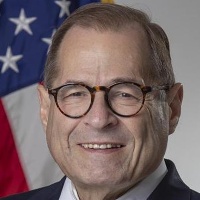
Jerrold Nadler
Representative
NY
Jerrold Nadler
Representative
NY
The West Bank Violence Prevention Act of 2025 declares extreme settler violence and displacement in the West Bank a threat to U.S. national security interests. This Act mandates the President to impose sanctions, including asset freezes and visa bans, on foreign individuals responsible for undermining peace and stability in the region. The Treasury Department must report to Congress on the implementation of these sanctions every 90 days.
The **Protecting America’s Workers Act** significantly expands OSHA coverage to public employees, strengthens whistleblower protections, increases penalties for safety violations, and tightens federal oversight of state safety plans.
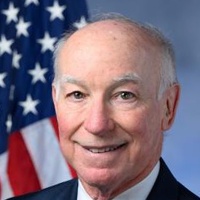
Joe Courtney
Representative
CT
Joe Courtney
Representative
CT
The **Protecting America’s Workers Act** significantly expands OSHA coverage to include public employees, strengthens whistleblower protections by lowering the burden of proof for workers and increasing remedies for retaliation, and mandates stricter reporting, increased penalties, and greater transparency for workplace safety violations. The bill also tightens federal oversight of state-run safety plans and enhances NIOSH's role in hazard evaluation and safety training.
This bill increases the authorized funding for comprehensive service programs aimed at assisting homeless veterans through fiscal year 2024 and sets a specific funding level for 2025.
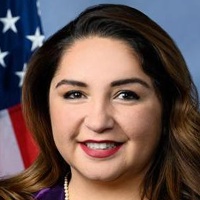
Delia Ramirez
Representative
IL
Delia Ramirez
Representative
IL
This bill aims to strengthen support for homeless veterans by increasing the authorization of appropriations for comprehensive service programs. It extends the funding authorization through fiscal year 2024 and sets a specific funding target of \$350 million for fiscal year 2025. Moving forward, the bill authorizes necessary funding for these vital services indefinitely.
This resolution demands the President and HHS Secretary immediately provide Congress with all documents related to the potential elimination, downsizing, or restructuring of the Administration for Community Living (ACL).
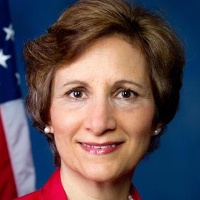
Suzanne Bonamici
Representative
OR
Suzanne Bonamici
Representative
OR
This resolution is an official request demanding that the President and the Secretary of Health and Human Services immediately provide Congress with all unredacted documents related to the potential elimination, downsizing, or significant restructuring of the Administration for Community Living (ACL). Congress specifically seeks information regarding any actions that would impact the ACL's ability to carry out key federal laws, such as the Older Americans Act. The required documents must be transmitted within 14 days of the resolution's passage.
This bill expands TRICARE coverage to guarantee comprehensive assisted reproductive services, including IVF, for active-duty servicemembers and their dependents, regardless of the cause of infertility or personal status.
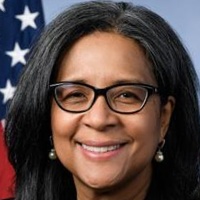
Marilyn Strickland
Representative
WA
Marilyn Strickland
Representative
WA
The Expanding Access to Fertility Care for Servicemembers and Dependents Act amends the TRICARE program to guarantee comprehensive coverage for assisted reproductive services for active-duty service members and their dependents. This new benefit ensures access to treatments like IVF and embryo storage, regardless of the cause of infertility or the service member's duty-related status. The legislation removes previous barriers to coverage based on service-connected injuries, sexual orientation, or marital status.
This resolution officially designates April 2025 as Community College Month to recognize the vital role over 1,000 community colleges play in providing accessible education, workforce training, and economic prosperity across the United States.
Joe Courtney
Representative
CT
Joe Courtney
Representative
CT
This resolution officially designates April 2025 as "Community College Month" to celebrate the vital role of over 1,000 community colleges nationwide. It recognizes these institutions for providing accessible, affordable higher education and critical workforce training. The bill highlights their significant economic contributions and commitment to local community needs.
The Deafblind DATA Act mandates the Census Bureau to cross-reference existing survey data to produce annual, state-level demographic and economic statistics on the U.S. deafblind population.
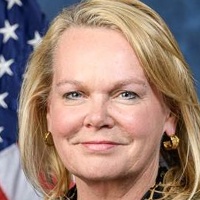
April McClain Delaney
Representative
MD
April McClain Delaney
Representative
MD
The Deafblind DATA Act aims to establish a more accurate count of Americans who are deafblind by directing the Census Bureau to cross-reference existing survey data. This new law mandates the annual publication of a public table detailing the demographic and economic characteristics of the deafblind population by state, starting in 2026. The goal is to provide essential data to ensure these individuals receive necessary support and resources.
This act permanently bans new oil and gas leasing for exploration, development, or production in the Southern California Planning Area.
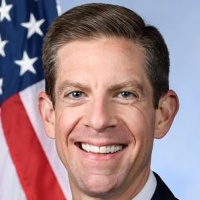
Mike Levin
Representative
CA
Mike Levin
Representative
CA
The Southern California Coast and Ocean Protection Act permanently prohibits the Secretary of the Interior from issuing any new oil or gas leases within the Southern California Planning Area. This measure specifically bans all exploration, development, and production authorizations in the region defined by the September 2023 leasing program. The Act ensures long-term protection for the Southern California coast against new offshore drilling activities.
The California Clean Coast Act of 2025 permanently prohibits new oil and gas leasing and related activities on the Outer Continental Shelf off the coast of California while preserving existing leases.
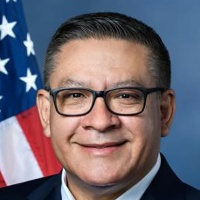
Salud Carbajal
Representative
CA
Salud Carbajal
Representative
CA
The California Clean Coast Act of 2025 permanently prohibits all new federal oil and gas leasing and related activities on the outer Continental Shelf off the coast of California. This measure ensures no future drilling permits can be issued in these sensitive waters. However, the Act explicitly preserves the rights of any existing oil and gas leases already in effect.
This act permanently bans new oil and gas leasing for exploration and production in the Central California Planning Area offshore.
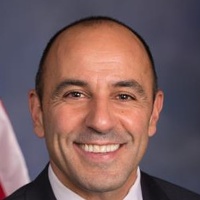
Jimmy Panetta
Representative
CA
Jimmy Panetta
Representative
CA
The Central Coast of California Conservation Act of 2025 permanently prohibits the Secretary of the Interior from issuing new oil and gas leases in the Central California Planning Area. This legislation secures the protection of this offshore region from future energy exploration and development.
This Act establishes a new CDC center to declare racism a public health crisis and funds research and programs to dismantle structural racism and study the health impacts of police violence.
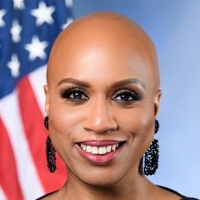
Ayanna Pressley
Representative
MA
Ayanna Pressley
Representative
MA
The Anti-Racism in Public Health Act of 2025 establishes a new National Center on Antiracism and Health within the CDC to declare racism a public health crisis and develop policies to dismantle structural inequities. It also creates a dedicated program within the CDC to research the health consequences of police violence and develop public health strategies to prevent related injuries and deaths. Both initiatives mandate extensive data collection, research funding, and public education to promote racial equity in health outcomes.
This resolution officially recognizes Boulder County Clerk Clela Rorex for her courageous decision in 1975 to issue the first marriage licenses to same-sex couples in the United States, advancing civil rights for all.
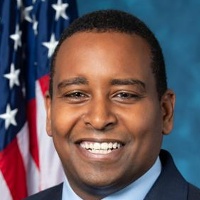
Joe Neguse
Representative
CO
Joe Neguse
Representative
CO
This resolution formally recognizes Clela Rorex, the 1975 Boulder County Clerk who courageously issued the first marriage license to a same-sex couple in the United States. It honors her pioneering role in advancing civil rights for all couples, four decades before nationwide legalization. The bill also supports the designation of a "Clela Rorex Day" to commemorate her bravery and lasting legacy.
This resolution demands the President and Secretary of Education swiftly provide the House with all unredacted documents related to downsizing or closing the Department of Education, including justifications for staff sufficiency.
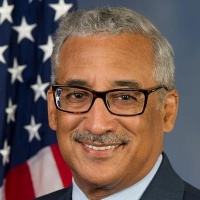
Robert Scott
Representative
VA
Robert Scott
Representative
VA
This resolution is an official request from the House of Representatives demanding the President and the Secretary of Education immediately transmit all unredacted documents related to any plans for downsizing or closing the Department of Education. The required records must detail staff reduction measures, internal communications, and any determinations made regarding the sufficiency of remaining staff to enforce major federal education laws. The documents must be provided to the House within 14 days of the resolution's adoption.
This bill establishes the American Family Act, which revamps the Child Tax Credit into a system of refundable monthly advance payments for qualifying children and a separate credit for other dependents.
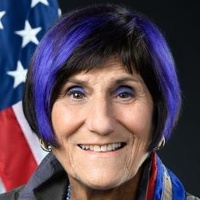
Rosa DeLauro
Representative
CT
Rosa DeLauro
Representative
CT
The American Family Act fundamentally overhauls the Child Tax Credit by replacing the annual lump sum with a system of advance, refundable monthly payments delivered directly to families. These monthly allowances vary based on the child's age, with higher amounts provided for younger children. The bill also establishes a separate, smaller credit for other dependents and outlines procedures for annual renewal and reconciliation of advance payments when filing taxes.
This resolution urges the United States to lead global efforts to halt the nuclear arms race, reduce existing stockpiles, and implement verifiable measures to prevent nuclear war.
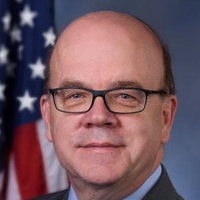
James McGovern
Representative
MA
James McGovern
Representative
MA
This resolution urges the United States to immediately prioritize global nuclear disarmament and lead the world back from the brink of nuclear war. It calls on the President to negotiate verifiable arms reduction treaties with all nuclear states to halt the arms race and prevent catastrophic conflict. Key actions include renouncing "first use," ending hair-trigger alert postures, and ceasing the development of new nuclear weapons. Furthermore, the bill demands comprehensive support, cleanup, and economic transition planning for communities and workers affected by past and present nuclear activities.
This Act establishes federal minimum standards for public employee collective bargaining rights, allowing states to maintain their own laws if they meet or exceed these standards, otherwise the Federal Labor Relations Authority will enforce federal rules.
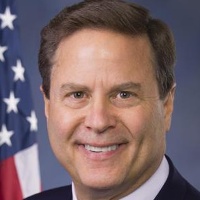
Donald Norcross
Representative
NJ
Donald Norcross
Representative
NJ
The Public Service Freedom to Negotiate Act of 2025 establishes federal minimum standards for collective bargaining rights for public employees across the nation. It requires the Federal Labor Relations Authority (FLRA) to review state laws to ensure they substantially provide these minimum rights, including the right to organize and bargain collectively. If a state fails to meet these standards, the FLRA will administer federal labor relations rules for the uncovered employees. The Act also prohibits strikes or lockouts that would measurably disrupt emergency or public safety services.