Legislative Activity
Track Mark's sponsored bills, co-sponsored legislation, and voting record
This bill establishes a grant program to fund nonprofit organizations providing free, on-site eye care services, including exams and glasses, to public school students.
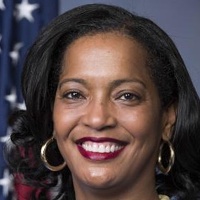
Jahana Hayes
Representative
CT
Jahana Hayes
Representative
CT
The See the Board Act establishes a new federal grant program administered by the Secretary of Health and Human Services. This program aims to fund nonprofit organizations that provide free, on-site eye care services, including exams and glasses, directly to students in public elementary and secondary schools. The goal is to improve student access to necessary vision care through mobile or portable clinics.
This resolution supports the goals of National Honor Our LGBT Elders Day on May 16, 2025, to recognize the unique challenges and contributions of older LGBTQI adults.
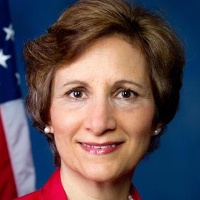
Suzanne Bonamici
Representative
OR
Suzanne Bonamici
Representative
OR
This resolution officially recognizes the goals of "National Honor Our LGBT Elders Day" on May 16, 2025. It highlights the unique challenges and significant contributions of older LGBTQI adults, who often face disproportionate health and economic difficulties. The bill encourages public education, culturally sensitive healthcare for this population, and prioritizing their rights in federal and international aid efforts.
The Housing Stability for Dreamers Act ensures that current DACA recipients are eligible for key federal housing programs, including FHA, Rural Housing Service, Fannie Mae/Freddie Mac mortgages, and VA loan guarantees.
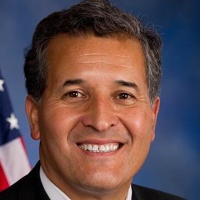
Juan Vargas
Representative
CA
Juan Vargas
Representative
CA
The Housing Stability for Dreamers Act ensures that individuals with current DACA status are eligible for key federal housing programs, including FHA mortgages and certain housing assistance. This legislation specifically prohibits federal agencies and mortgage purchasers like Fannie Mae and Freddie Mac from denying benefits based solely on DACA status. Furthermore, it clarifies that DACA recipient veterans will not be disqualified from receiving earned VA housing loan guarantees.
This Act establishes a new federal grant program to provide operating support for high-quality public transit that prioritizes service improvements in underserved communities, while also increasing the federal share for rural transit operating costs.
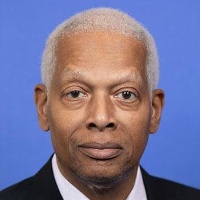
Henry Johnson
Representative
GA
Henry Johnson
Representative
GA
The Stronger Communities through Better Transit Act establishes a new federal grant program to provide operating support for high-quality public transit services. This funding is specifically targeted to improve mobility and environmental outcomes, with a requirement that the majority of funds benefit underserved communities or areas of persistent poverty. The Act also increases the federal share for rural transit operating assistance up to 80%.
This resolution expresses the House's view that President Trump must immediately submit plans to Congress for accepting a jumbo jet gift from Qatar to comply with the Foreign Emoluments Clause.
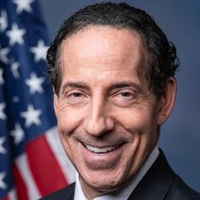
Jamie Raskin
Representative
MD
Jamie Raskin
Representative
MD
This resolution expresses the sense of the House that President Trump must comply with the Foreign Emoluments Clause regarding a reported gift of a jumbo jet from Qatar. It calls on the President to immediately submit all plans for accepting this significant gift to Congress. The bill emphasizes that the Constitution requires Congressional consent before the President can accept valuable items from foreign governments.
This bill establishes mandatory minimum registered nurse-to-patient staffing ratios in hospitals to enhance patient safety, enforces these standards across federal healthcare programs, and funds initiatives to support the nursing workforce.

Janice Schakowsky
Representative
IL
Janice Schakowsky
Representative
IL
The Nurse Staffing Standards for Hospital Patient Safety and Quality Care Act of 2025 establishes mandatory minimum registered nurse-to-patient ratios across various hospital units to enhance patient safety and care quality. This legislation requires hospitals to implement detailed staffing plans, ensures enforcement through federal programs like Medicare and Medicaid, and supports the nursing workforce through expanded financial aid and retention initiatives. Furthermore, the bill protects nurses who refuse unsafe assignments and establishes clear mechanisms for reporting violations.
This resolution supports designating May 10, 2025, as "National Asian American, Native Hawaiian, and Pacific Islander Mental Health Day" to raise awareness and encourage action to address the mental health crisis in these communities.
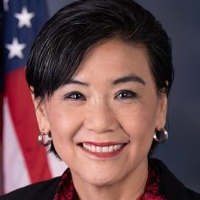
Judy Chu
Representative
CA
Judy Chu
Representative
CA
This resolution supports designating May 10, 2025, as "National Asian American, Native Hawaiian, and Pacific Islander Mental Health Day." It highlights the severe mental health disparities and lack of access to care within AANHPI communities. The bill encourages federal agencies to improve culturally and linguistically appropriate services to better address the unique needs of these diverse populations.
This bill prohibits individuals under 18 from having direct contact with tobacco plants or dried tobacco leaves on farms to strengthen child labor protections in tobacco agriculture.
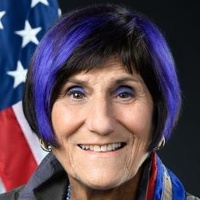
Rosa DeLauro
Representative
CT
Rosa DeLauro
Representative
CT
The Children Don't Belong on Tobacco Farms Act amends child labor laws to prohibit individuals under 18 from having direct contact with tobacco plants or dried tobacco leaves. This change ensures that agricultural work involving direct handling of tobacco falls under federal child labor protections. The bill specifically updates exemptions to reflect this new restriction on youth employment in tobacco agriculture.
This bill prohibits the use of federal funds to implement Executive Order 14160, which sought to limit birthright citizenship guaranteed by the Fourteenth Amendment.
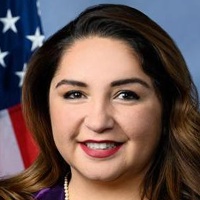
Delia Ramirez
Representative
IL
Delia Ramirez
Representative
IL
The Born in the USA Act of 2025 declares that Executive Order 14160, which attempted to restrict birthright citizenship, is unconstitutional and contrary to the 14th Amendment. This Act prohibits the use of any federal funds to implement or enforce that Executive Order. It affirms the established constitutional right to birthright citizenship for nearly everyone born on U.S. soil.
This Act establishes a national strategy to combat mental health stigma and improve behavioral health services, research, and workforce diversity within Asian American, Native Hawaiian, and Pacific Islander (AANHPI) communities.
Judy Chu
Representative
CA
Judy Chu
Representative
CA
The Stop Mental Health Stigma in Our Communities Act of 2025 aims to address the significant mental health disparities and high suicide rates within Asian American, Native Hawaiian, and Pacific Islander (AANHPI) communities. The bill mandates the creation of a national behavioral health outreach strategy tailored to the diverse AANHPI population to reduce stigma and increase culturally competent care. Furthermore, it requires comprehensive systematic reviews and reports on the AANHPI youth mental health crisis and strategies to increase the number of AANHPI behavioral health professionals.
This resolution officially recognizes and celebrates Asian American, Native Hawaiian, and Pacific Islander Heritage Month to honor their significant contributions to U.S. history while acknowledging past hardships and ongoing challenges.
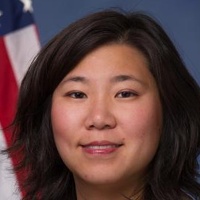
Grace Meng
Representative
NY
Grace Meng
Representative
NY
This resolution officially recognizes and celebrates Asian American, Native Hawaiian, and Pacific Islander (AANHPI) Heritage Month every May. It highlights the significant historical contributions of these communities to the United States, while also acknowledging past hardships and ongoing challenges. The bill encourages the nation to observe this month to appreciate the diversity and strength AANHPI individuals bring to the country.
The Protecting our Students in Schools Act of 2025 nationwide prohibits corporal punishment in federally funded schools while establishing grants to help states implement positive behavior support systems.
Suzanne Bonamici
Representative
OR
Suzanne Bonamici
Representative
OR
The Protecting our Students in Schools Act of 2025 establishes a nationwide prohibition on corporal punishment in all federally funded educational programs. It creates strong enforcement mechanisms, allowing parents to sue and authorizing the Attorney General to intervene in cases of abuse. Furthermore, the Act establishes a grant program to incentivize states to adopt positive behavior support systems to reduce harsh disciplinary actions and improve school climate.
This Act increases the maximum financial assistance available to disabled veterans for necessary home health service improvements and mandates annual inflation adjustments to these limits.
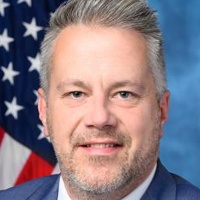
Eric Sorensen
Representative
IL
Eric Sorensen
Representative
IL
The Autonomy for All Disabled Veterans Act significantly increases the maximum financial assistance available to disabled veterans for necessary home improvements and structural alterations provided through home health services, raising certain limits to \$10,000. Furthermore, this legislation mandates that these housing-related benefit amounts be automatically adjusted each year to keep pace with the rate of inflation based on the residential home construction cost index. These new, higher spending limits apply only to veterans who apply for these specific benefits after the Act is enacted.
This Act prohibits the advertising and provision of paid conversion therapy intended to change an individual's sexual orientation or gender identity, empowering the FTC and State Attorneys General to enforce these prohibitions.
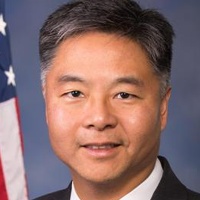
Ted Lieu
Representative
CA
Ted Lieu
Representative
CA
The Therapeutic Fraud Prevention Act of 2025 declares that practices attempting to change an individual's sexual orientation or gender identity for payment constitute an unfair and deceptive business practice. Citing professional consensus on the ineffectiveness and harm of such "conversion therapy," the bill prohibits its provision and advertising. Enforcement authority is granted to the Federal Trade Commission (FTC), and the law allows both the U.S. Attorney General and State Attorneys General to file civil actions against violators.
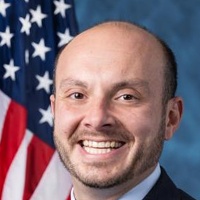
This bill expands the definition of "law enforcement officer" for federal retirement purposes under FERS and CSRS to include specific IRS, Postal Inspection, and VA police employees, and establishes rules for how current employees can count prior service under the new designation.
Andrew Garbarino
Representative
NY
Andrew Garbarino
Representative
NY
The Law Enforcement Officers Equity Act expands the definition of "law enforcement officer" for federal retirement purposes under both the Federal Employees Retirement System (FERS) and the Civil Service Retirement System (CSRS). This change adds specific IRS, Postal Inspection Service, and VA police roles to those eligible for enhanced retirement benefits. The bill also establishes procedures for current officers to elect to have their prior service counted under these new definitions, which may require a payment from the employee and their employing agency.
This act establishes research grants and training programs to develop and implement PFAS-free, next-generation turnout gear to protect firefighters from occupational illness and injury.

Debbie Dingell
Representative
MI
Debbie Dingell
Representative
MI
The PFAS Alternatives Act aims to protect firefighters by funding research and development for next-generation turnout gear that eliminates harmful PFAS chemicals. The bill establishes grants through NIOSH to create safer, PFAS-free protective equipment and separate funding for training programs on the proper care of this new gear. Ultimately, this legislation seeks to reduce occupational illness and injury among fire and EMS personnel.
This resolution officially designates the week of May 5 through May 9, 2025, as Teacher Appreciation Week to honor public school teachers and affirms the need to incorporate their expertise into education policy decisions.
Jahana Hayes
Representative
CT
Jahana Hayes
Representative
CT
This resolution officially designates the week of May 5 through May 9, 2025, as "Teacher Appreciation Week" to honor the dedication of public school teachers nationwide. It recognizes the crucial support teachers offer for key educational policies, including funding for students with disabilities and loan forgiveness programs. Furthermore, the bill affirms that teachers must have a voice in shaping federal, state, and local education policy.
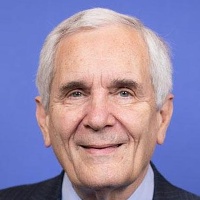
This bill expands the definition of highly compensated individuals whose executive pay is not tax-deductible for corporations, applying to tax years beginning after December 31, 2024.
Lloyd Doggett
Representative
TX
Lloyd Doggett
Representative
TX
The Stop Subsidizing Multimillion Dollar Corporate Bonuses Act expands the tax code rules that limit corporate deductions for excessive executive compensation. This bill broadens the definition of "covered individuals" whose high pay is subject to these limits, including certain past top executives. The changes aim to prevent companies from deducting multi-million dollar bonuses for highly compensated employees and grant the IRS authority to issue clarifying regulations.
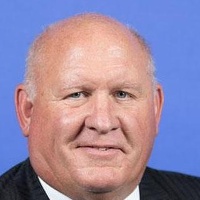
The Community Services Block Grant Improvement Act of 2025 updates program goals, redefines eligibility using 200% of the poverty line, sets specific funding levels through 2032, and overhauls state application, oversight, and local agency governance requirements to better combat poverty and promote self-sufficiency.
Glenn Thompson
Representative
PA
Glenn Thompson
Representative
PA
The Community Services Block Grant Improvement Act of 2025 aims to strengthen federal efforts to combat poverty by updating the core goals and operational rules of the Community Services Block Grant program. The bill revises definitions, sets a specific annual funding authorization through Fiscal Year 2032, and tightens requirements for state plans and local agency governance, including mandating tripartite boards. Ultimately, these changes seek to ensure grant funds are effectively used by local entities to promote the self-sufficiency of low-income individuals and families.
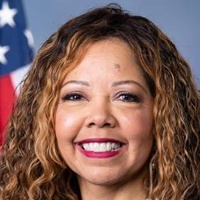
This bill bans the manufacture, sale, and transfer of specific semiautomatic assault weapons and large-capacity ammunition feeding devices while grandfathering existing possessions and establishing new transfer requirements.
Lucy McBath
Representative
GA
Lucy McBath
Representative
GA
The Assault Weapons Ban of 2025 comprehensively defines and bans the manufacture, sale, and transfer of specific semiautomatic assault weapons and large capacity ammunition feeding devices. The bill grandfathers existing weapons but imposes new requirements for their secure storage and mandates dealer involvement for future private transfers. It also allows federal grant money to be used by states for buy-back programs targeting these banned items.