Legislative Activity
Track Mark's sponsored bills, co-sponsored legislation, and voting record
This bill places a temporary moratorium on the closure or restriction of access to National Oceanic and Atmospheric Administration (NOAA) facilities until 180 days after a required justification report is submitted to Congress.
Gabe Amo
Representative
RI
Gabe Amo
Representative
RI
The Stop NOAA Closures Act places a temporary moratorium on the closure or restriction of access to any National Oceanic and Atmospheric Administration (NOAA) facilities. This freeze remains in effect until 180 days after key officials submit a required report to Congress detailing the criteria and process for any future facility changes. After the moratorium lifts, any major facility action will still require a 30-day advance notice and justification report to Congress, except in cases of immediate emergency threatening staff safety.
This Act mandates federal standards requiring employers to implement comprehensive heat illness and injury prevention programs to protect workers from dangerous heat stress.
Judy Chu
Representative
CA
Judy Chu
Representative
CA
The Asunción Valdivia Heat Illness, Injury, and Fatality Prevention Act of 2025 mandates that employers protect workers from dangerous heat stress by establishing comprehensive safety standards. This Act requires the Secretary of Labor to create evidence-based rules covering engineering controls, administrative procedures, required training, and paid rest breaks to prevent heat-related illness. Furthermore, the law establishes strict enforcement mechanisms, whistleblower protections, and specific timelines for the implementation of these new federal heat protection standards.
This resolution urges Congress to prioritize the rapid and equitable development of solutions that address the unique health vulnerabilities of children facing extreme weather and poor air quality.
Jennifer McClellan
Representative
VA
Jennifer McClellan
Representative
VA
This resolution expresses the sense of Congress that extreme weather poses unique and severe threats to the health and well-being of children. It urges that solutions to address these escalating dangers must be rapidly and equitably developed and deployed with children's specific vulnerabilities in mind. The bill calls for prioritizing the physical and mental health needs of children in all future climate adaptation and air quality planning efforts.
This resolution declares the Trump administration's fossil fuel directives a health and safety emergency disproportionately harming children's fundamental rights by worsening climate change and suppressing climate science.

Janice Schakowsky
Representative
IL
Janice Schakowsky
Representative
IL
This resolution declares a health and safety emergency disproportionately affecting children due to prior administration directives that promoted fossil fuels and suppressed climate science. Congress asserts that these actions harm children's fundamental rights to life and a stable environment by worsening climate change impacts. The bill demands the current administration cease policies that increase greenhouse gases and restore access to suppressed climate research. Ultimately, it calls for aligning all energy and climate laws with the duty to protect the rights and future of young people.
This bill mandates the Attorney General to release nearly all unclassified Department of Justice records related to Jeffrey Epstein within 30 days, with limited exceptions for victim privacy or active investigations.

Thomas Massie
Representative
KY
Thomas Massie
Representative
KY
This bill, titled the Epstein Files Transparency Act, mandates the Attorney General to release nearly all unclassified Department of Justice records related to Jeffrey Epstein within 30 days of enactment. The legislation strictly limits the justifications for withholding or redacting documents, prohibiting secrecy based on political sensitivity or potential embarrassment. The only permissible redactions involve victim privacy, child sexual abuse material, or narrowly defined threats to active investigations or national security classifications. Upon completion, the Attorney General must submit a detailed report to Congress listing all released and withheld materials, including an unredacted list of all named government officials.
This Act establishes increased federal research, public education, and provider information dissemination regarding uterine fibroids, with a focus on addressing racial disparities and non-hysterectomy treatment options.
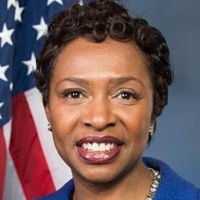
Yvette Clarke
Representative
NY
Yvette Clarke
Representative
NY
The Stephanie Tubbs Jones Uterine Fibroid Research and Education Act of 2025 aims to significantly increase federal research, public education, and provider awareness regarding uterine fibroids. The bill mandates expanded research coordination across federal agencies and authorizes funding to study the condition, which disproportionately affects minority women. It also requires the creation of public awareness campaigns detailing non-hysterectomy treatment options and mandates data collection on Medicaid/CHIP spending for fibroid treatments.
This resolution affirms that diversity, equity, inclusion, and accessibility are fundamental U.S. values necessary to combat persistent discrimination across all sectors of American life.
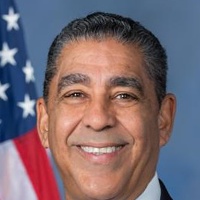
Adriano Espaillat
Representative
NY
Adriano Espaillat
Representative
NY
This resolution affirms that diversity, equity, inclusion, and accessibility (DEIA) are fundamental American values necessary to combat persistent discrimination across society. It details how systemic barriers in housing, wealth, healthcare, education, and employment negatively impact marginalized groups. Ultimately, the bill encourages all sectors to actively pursue DEIA initiatives as a means to strengthen the economy and ensure equal opportunity for all citizens.
This bill establishes a grant program to help high-need school districts hire, retain, and diversify mental health professionals to expand student access to services.

Rosa DeLauro
Representative
CT
Rosa DeLauro
Representative
CT
The Expanding Access to Mental Health Services in Schools Act of 2025 establishes a new federal grant program to increase the number of mental health professionals in high-need school districts. This funding is specifically designed to help eligible agencies recruit, hire, and retain school counselors, psychologists, and social workers. Grantees must demonstrate a plan to improve student-to-provider ratios and report annually on staffing improvements and provider retention.
The Treat and Reduce Obesity Act of 2025 expands Medicare coverage for intensive behavioral therapy for obesity and mandates Part D coverage for certain weight management medications for eligible beneficiaries.
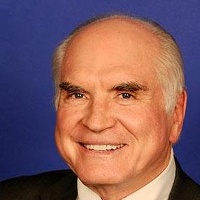
Mike Kelly
Representative
PA
Mike Kelly
Representative
PA
The Treat and Reduce Obesity Act of 2025 aims to combat the growing obesity epidemic, particularly among older adults, by expanding access to intensive behavioral therapy under Medicare. This bill mandates that Medicare Part D plans begin covering FDA-approved medications for obesity and weight management in individuals with related health conditions. Finally, it requires the Secretary of HHS to report regularly to Congress on the implementation and coordination of these new obesity treatment strategies.
The PRIDE Act of 2025 extends the deadline for certain married couples to file joint tax returns based on past marriage recognition and updates the Internal Revenue Code with gender-neutral language for all married individuals.
Judy Chu
Representative
CA
Judy Chu
Representative
CA
The PRIDE Act of 2025 aims to update the Internal Revenue Code to ensure equal treatment and inclusive language for all married couples. It extends the deadline for certain legally married couples to file amended joint tax returns following past recognition changes. Furthermore, the bill systematically replaces gendered terms like "husband," "wife," and "his" with gender-neutral language such as "spouse" and "individual" across numerous tax provisions. These changes ensure consistent, equitable application of tax law regardless of gender identity.
This Act prohibits the use of "panic defenses" in federal court that attempt to excuse or mitigate crimes based on a victim's sexual orientation or gender identity.

Chris Pappas
Representative
NH
Chris Pappas
Representative
NH
The LGBTQ+ Panic Defense Prohibition Act of 2025 bans the use of "panic defenses" in federal court, which attempt to excuse or lessen a defendant's culpability for a crime based on the victim's sexual orientation or gender identity. This legislation recognizes that these outdated defenses rely on prejudice and undermine justice for LGBTQ+ individuals. The Act also requires the Attorney General to report annually on violent federal crimes motivated by bias against LGBTQ+ people.
This resolution formally recognizes the history, achievements, and ongoing struggles of the LGBTQIA+ community while encouraging the celebration of Pride Month and affirming that LGBTQIA+ rights are human rights.
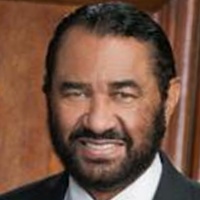
Al Green
Representative
TX
Al Green
Representative
TX
This resolution formally recognizes the history, achievements, and ongoing struggles of the LGBTQIA+ community in the United States. It serves as a declaration by Congress affirming that LGBTQIA+ rights are human rights and encouraging the celebration of Pride Month. The bill highlights key historical milestones, legal victories, and acknowledges the persistent challenges and violence faced by the community. Ultimately, it commits the U.S. to continuing the pursuit of full equality for all citizens.
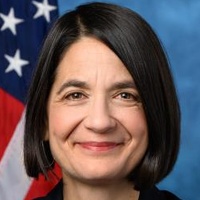
The Equal Dignity for Married Taxpayers Act updates the Internal Revenue Code by replacing gendered language with gender-neutral terms to ensure consistent and equal application of tax laws for all legally married couples.
Becca Balint
Representative
VT
Becca Balint
Representative
VT
The Equal Dignity for Married Taxpayers Act modernizes the Internal Revenue Code by replacing gendered language with gender-neutral terms for all legally married couples. This sweeping update ensures consistency across tax rules regarding filing status, deductions, and credits, regardless of the spouses' genders. The bill clarifies that married couples are often treated as a single entity for specific tax purposes. Ultimately, this legislation updates terminology to reflect equal dignity for all married taxpayers.
This resolution expresses Congressional support for LGBTQI+ equality and designates June 26th as "LGBTQI+ Equality Day" to commemorate key legal victories and highlight the need for further anti-discrimination legislation.

Suzan DelBene
Representative
WA
Suzan DelBene
Representative
WA
This resolution expresses the House's support for the rights and freedoms of LGBTQI+ individuals across the United States. It recognizes key Supreme Court decisions that advanced equality and highlights the ongoing need for comprehensive legal protections against discrimination. Finally, the bill proposes designating June 26th as "LGBTQI+ Equality Day" to commemorate these legal victories.
This Act mandates that federal officers involved in border security or immigration enforcement must clearly display identification, wear visible uniforms or badges, and not conceal their faces during detentions or arrests.

Dan Goldman
Representative
NY
Dan Goldman
Representative
NY
The No Secret Police Act of 2025 mandates that federal officers engaged in border security or immigration enforcement must clearly display identification, wear visible badges or uniforms, and refrain from wearing face coverings during detentions or arrests. This ensures accountability by requiring clear identification from Department of Homeland Security (DHS) personnel. The bill also requires the Secretary of Homeland Security to report on current tactical gear policies and research methods to improve officer visibility.
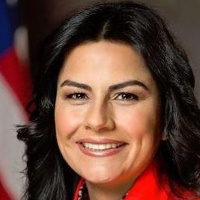
This resolution recognizes the right to peaceful protest while condemning violence and criticizing the federal government's controversial deployment of military forces during recent Los Angeles demonstrations.
Nanette Barragán
Representative
CA
Nanette Barragán
Representative
CA
This resolution formally recognizes the constitutional right to peaceful protest while strongly condemning violence and illegal acts committed during demonstrations. It criticizes the federal government's deployment of military forces during recent events, arguing the actions were an overreach that bypassed proper legal and state authority. Ultimately, the bill asserts the importance of transparency in law enforcement and denounces rhetoric that escalates community tensions.
The Women’s Health Protection Act of 2025 establishes a federal right to access abortion services before fetal viability and protects the right to travel for care, overriding state restrictions that place burdens on abortion access not imposed on comparable medical procedures.
Judy Chu
Representative
CA
Judy Chu
Representative
CA
The Women’s Health Protection Act of 2025 establishes a federal statutory right to access abortion services, prohibiting medically unnecessary restrictions that impede care before fetal viability. This Act protects the right of patients to travel across state lines to receive reproductive healthcare and allows providers to offer services free from state interference that conflicts with established medical standards. It preempts conflicting state and local laws and provides robust enforcement mechanisms for individuals and the Attorney General to challenge violations.
This bill mandates that the VA must seek reimbursement from Medicare Advantage and Part D plans for covered care provided to veterans and establishes stricter timelines and penalties for third parties who fail to reimburse the government for care related to non-service-connected disabilities.

Lloyd Doggett
Representative
TX
Lloyd Doggett
Representative
TX
The Guarantee Utilization of All Reimbursements for Delivery of Veterans’ Health Care Act (GUARD Veterans Health Care Act) mandates that the Department of Veterans Affairs (VA) must seek reimbursement from Medicare Advantage and Medicare Part D prescription drug plans for healthcare services provided to eligible veterans. Additionally, the bill strengthens the government's authority to recover costs for non-service-connected disability care from responsible third parties. It establishes strict timelines and penalties for third parties who fail to promptly process and pay these recovery claims to the VA.
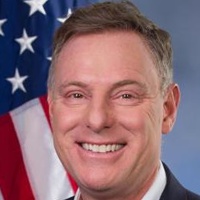
This bill prohibits the Secretary of the Navy from changing the names of naval vessels currently honoring Cesar Chavez, Medgar Evers, Ruth Bader Ginsburg, Dolores Huerta, Thurgood Marshall, Harvey Milk, Lucy Stone, or Harriet Tubman.
Scott Peters
Representative
CA
Scott Peters
Representative
CA
The Preserving Great Americans’ Legacies Act of 2025 prohibits the Secretary of the Navy from changing the names of naval vessels currently honoring eight specific individuals. This legislation ensures that ships named after figures like Cesar Chavez, Ruth Bader Ginsburg, and Harriet Tubman retain their designations. The act immediately prevents any renaming of these protected vessels.
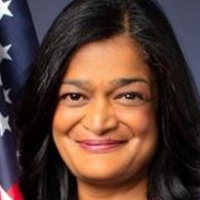
This bill establishes a comprehensive "Domestic Workers Bill of Rights" to extend federal labor protections, including overtime, paid sick leave, and anti-discrimination coverage, to domestic employees while creating a standards board to advise on future working conditions.
Pramila Jayapal
Representative
WA
Pramila Jayapal
Representative
WA
The Domestic Workers Bill of Rights Act seeks to significantly expand labor protections for domestic employees by bringing them under standard federal laws, including eligibility for overtime pay and mandated paid sick leave. The bill establishes written employment agreements, sets clear privacy boundaries for workers in private homes, and creates a Standards Board to recommend ongoing improvements to wages and benefits. Furthermore, it establishes enforcement mechanisms and temporarily increases federal Medicaid funding for in-home care services to help offset compliance costs.