Legislative Activity
Track Paul's sponsored bills, co-sponsored legislation, and voting record
This bill adjusts Medicare Advantage payment rates to compensate local areas that experienced significant, sudden increases in their hospital wage indexes due to reclassification, ensuring payment neutrality overall.
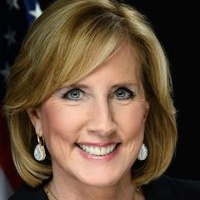
Claudia Tenney
Representative
NY
Claudia Tenney
Representative
NY
The Protecting Options for Seniors Act of 2025 addresses significant under-projection of Medicare Advantage (MA) local area growth caused by recent wage index reclassifications. This bill mandates a specific adjustment to MA payment rates starting in 2026 for areas experiencing rapid wage index increases exceeding 20 percent. While providing targeted financial boosts to these areas, the Act ensures the overall national benchmark average remains neutral. Furthermore, it requires increased transparency by mandating the separate reporting of Part A and Part B payments to area hospitals in annual public notices.
This Act prohibits the State Department from implementing any reorganization without specific statutory authorization from Congress and the submission of a detailed plan outlining the impact of the changes.
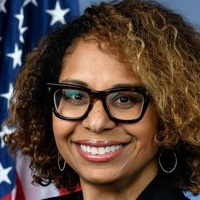
Sydney Kamlager-Dove
Representative
CA
Sydney Kamlager-Dove
Representative
CA
The Defending American Diplomacy Act prohibits the Secretary of State from implementing any reorganization of the State Department without specific statutory authorization from Congress and the submission of a detailed plan. This plan must thoroughly analyze the impact on foreign policy goals, operations, and personnel. If the Secretary proceeds without authorization, specific funding restrictions against the Department of Government Efficiency and official travel for high-level appointees will take effect.
This Act establishes a program, managed by the Librarian of Congress, to create and disseminate educational resources countering denial of the Armenian Genocide.
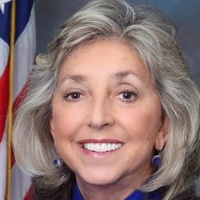
Dina Titus
Representative
NV
Dina Titus
Representative
NV
The Armenian Genocide Education Act establishes a program managed by the Librarian of Congress to develop and share educational resources combating denial of the 1915-1923 Armenian Genocide. This initiative will create online materials, train educators, and encourage the integration of accurate history into school curricula. The Act authorizes $2 million annually for five years to support these educational efforts aimed at promoting awareness and preventing future atrocities.
This bill prohibits the use of federal funds for the removal of 3 percent or more of the Department of Health and Human Services (HHS) employees or any of its sub-agencies within any 60-day period.
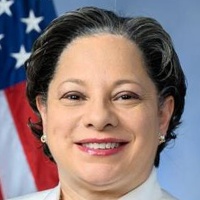
Jennifer McClellan
Representative
VA
Jennifer McClellan
Representative
VA
This bill restricts the use of federal funds to carry out large-scale removals of employees within the Department of Health and Human Services (HHS). Specifically, it prohibits using federal money for terminations if 3% or more of the total HHS workforce, or 3% or more of any individual sub-agency's staff, are removed within a 60-day period. This measure aims to prevent sudden, mass layoffs across the department and its major divisions.
This Act mandates the Department of Labor to establish and enforce comprehensive workplace violence prevention standards for healthcare and social service workers, while also tying compliance to Medicare funding for certain facilities.
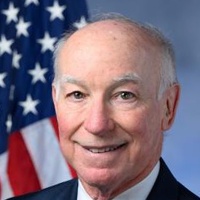
Joe Courtney
Representative
CT
Joe Courtney
Representative
CT
This Act mandates the Secretary of Labor to establish an interim and then a final standard requiring comprehensive workplace violence prevention plans for employers in the healthcare and social service sectors. These plans must be developed with employee input and detail risk assessments, hazard controls, reporting procedures, and annual training. Furthermore, the bill amends the Social Security Act to require Medicare-funded hospitals and skilled nursing facilities not covered by OSHA to comply with these new federal workplace violence prevention standards. The legislation also establishes clear definitions for workplace violence and includes strong anti-retaliation protections for employees who exercise their rights under the Act.
The CARE Act of 2025 mandates Medicare to test a new payment model covering emergency response services provided by ground ambulance companies even when patient transport does not occur.
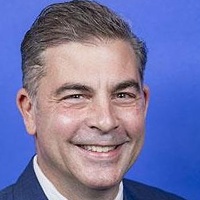
Mike Carey
Representative
OH
Mike Carey
Representative
OH
The CARE Act of 2025 mandates that the Center for Medicare and Medicaid Innovation (CMMI) test a new payment model for emergency services. This model will allow Medicare to pay ground ambulance providers for emergency responses, even when a patient does not ultimately require transport under Medicare Part B. The five-year demonstration aims to evaluate the impact of covering these non-transport emergency responses on patient access and resource utilization.
The Nutrition CARE Act of 2025 expands Medicare coverage to include medical nutrition therapy services provided by registered dietitians for beneficiaries diagnosed with an eating disorder, effective January 1, 2026.
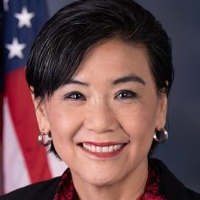
Judy Chu
Representative
CA
Judy Chu
Representative
CA
The Nutrition CARE Act of 2025 addresses the critical need for comprehensive eating disorder treatment under Medicare. This bill expands Medicare coverage to include essential medical nutrition therapy services for beneficiaries diagnosed with an eating disorder, starting January 1, 2026. It establishes initial and ongoing annual coverage limits for these crucial dietitian-led services, requiring a referral from a physician or psychologist. By covering this vital component of care, the Act aims to improve health outcomes and reduce the significant economic burden associated with these serious mental illnesses.
This resolution formally recognizes and supports the goals and ideals of the International Transgender Day of Visibility to honor the achievements and acknowledge the ongoing struggles of the transgender community.
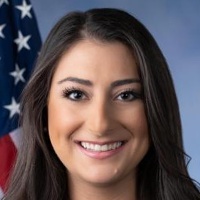
Sara Jacobs
Representative
CA
Sara Jacobs
Representative
CA
This resolution formally recognizes and celebrates the International Transgender Day of Visibility. Congress acknowledges the achievements of transgender individuals while highlighting the ongoing discrimination and violence they face. The resolution encourages appropriate ceremonies and activities to observe the day and celebrate the community's leadership and fight for equality.
The Hot Foods Act of 2025 lifts the general ban on purchasing ready-to-eat hot foods with SNAP benefits while imposing a sales cap on retailers that primarily sell such items.

Grace Meng
Representative
NY
Grace Meng
Representative
NY
The Hot Foods Act of 2025 removes the general federal ban on using Supplemental Nutrition Assistance Program (SNAP) benefits to purchase hot, ready-to-eat foods. This legislation clarifies that hot foods are now eligible for purchase with SNAP benefits, while also setting a new rule that limits SNAP-participating retailers to deriving no more than 50% of their gross sales from these ready-to-eat hot items. The act updates existing statutes to reflect this expanded purchasing power for recipients.
The Hunger-Free Future Act of 2025 mandates that any adjustment to the Thrifty Food Plan used for SNAP benefits cannot result in an increase in household food insecurity.
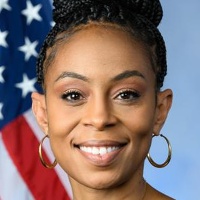
Shontel Brown
Representative
OH
Shontel Brown
Representative
OH
The Hunger-Free Future Act of 2025 mandates that any adjustment to the Thrifty Food Plan used for calculating SNAP benefits must not result in an increase in food insecurity. This ensures that updates to the cost of the food plan do not negatively impact households' ability to afford adequate nutrition.
This resolution officially recognizes the vital contributions of social workers nationwide in promoting health, justice, and community well-being, in support of Social Work Month and World Social Work Day.
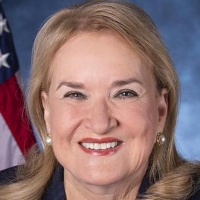
Sylvia Garcia
Representative
TX
Sylvia Garcia
Representative
TX
This resolution officially recognizes and supports the goals of Social Work Month and World Social Work Day, honoring the vital contributions of social workers nationwide. It highlights their essential role in promoting health, social justice, and community well-being across various critical sectors. While not creating new law, the document emphasizes the immense value and growing need for these professionals in addressing national challenges. Ultimately, Congress is expressing gratitude and encouraging public awareness of the social work profession.
This resolution supports designating May 2025 as "National Myositis Awareness Month" to raise awareness for this group of chronic, autoimmune muscle diseases and the need for increased research and support.
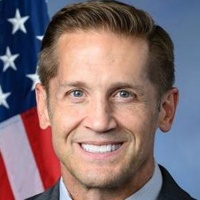
Rich McCormick
Representative
GA
Rich McCormick
Representative
GA
This resolution supports the designation of May 2025 as "National Myositis Awareness Month." The bill aims to raise public awareness about myositis, a group of rare, chronic autoimmune muscle diseases that cause significant pain and disability. By recognizing this month, Congress encourages education on the challenges faced by patients and supports increased research efforts for these complex conditions.
This resolution expresses the House's support for designating the week of April 6 through April 12, 2025, as "National Water Week" to raise awareness about water infrastructure and public health.
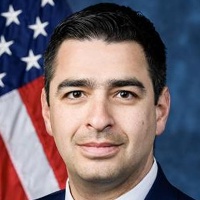
Gabe Evans
Representative
CO
Gabe Evans
Representative
CO
This resolution expresses the sense of Congress in support of designating a specific week in April 2025 as "National Water Week." The bill emphasizes the critical need for clean, safe drinking water and sanitation access across all U.S. communities, including rural and Tribal lands. It highlights the importance of federal investment in water infrastructure, research, and addressing challenges like aging systems and supply chain issues. Ultimately, this is a symbolic measure to raise awareness about vital water issues without enacting new laws or funding.
The COMPLETE Care Act increases Medicare payments to primary care providers for integrating behavioral health services between 2027 and 2029 and provides technical assistance to support these practices.
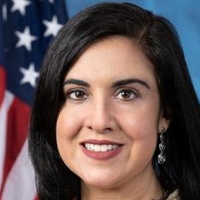
Nicole Malliotakis
Representative
NY
Nicole Malliotakis
Representative
NY
The COMPLETE Care Act aims to improve mental healthcare access by providing Medicare incentives for primary care providers to integrate behavioral health services into their practices between 2027 and 2029. This legislation offers increased Medicare payments for specific integrated services during those years, ensuring these bonuses do not trigger cuts elsewhere in the Medicare budget. Additionally, the bill mandates technical assistance to help primary care offices successfully adopt these new integrated care models.
This Act establishes federal grant programs to improve medical education, expand community health center capacity, and increase rural provider training in gender-affirming care for transgender individuals.
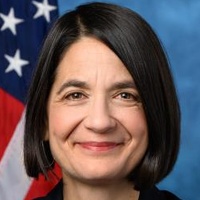
Becca Balint
Representative
VT
Becca Balint
Representative
VT
The Transgender Health Care Access Act aims to improve access to gender-affirming care by addressing critical gaps in medical education and provider capacity. The bill establishes grant programs to develop and implement comprehensive training curricula for medical professionals across various settings, including rural areas. Furthermore, it provides funding to expand the ability of community health centers to deliver culturally competent and necessary care to transgender individuals. Ultimately, this legislation seeks to ensure that healthcare providers are adequately trained and equipped to meet the medical needs of the transgender population.
This bill designates numerous specific tracts of land across Utah as official Wilderness Areas to preserve their unique ecological, geological, and cultural values while establishing administrative rules for their management.
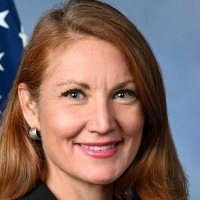
Melanie Stansbury
Representative
NM
Melanie Stansbury
Representative
NM
The America's Red Rock Wilderness Act focuses on designating numerous specific tracts of land across Utah as official Wilderness Areas, granting them the highest level of federal protection. This legislation aims to preserve the unique ecological, geological, and cultural values of these diverse landscapes from development. It also establishes administrative provisions for managing these new areas, including boundary definitions, water rights, and the continuation of existing uses like livestock grazing. Ultimately, the bill significantly expands protected wilderness in Utah while safeguarding critical natural and historical resources.
This Act mandates the Department of Agriculture to honor existing farmer contracts, release frozen funds, pay outstanding debts, and provide advance notice to Congress before closing local offices.
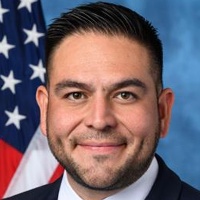
Gabriel (Gabe) Vasquez
Representative
NM
Gabriel (Gabe) Vasquez
Representative
NM
The Honor Farmer Contracts Act mandates that the Department of Agriculture immediately honor all existing written agreements and pay any outstanding debts owed under those contracts. This legislation strictly prohibits the cancellation of signed farmer contracts unless the farmer has breached the terms. Furthermore, the Act requires a 60-day advance written notice to Congress before closing any local Farm Service Agency, NRCS, or Rural Development offices.
This Act restores immediate U.S. funding to UNRWA contingent upon the agency's commitment to increased accountability and transparency reforms following an independent review.
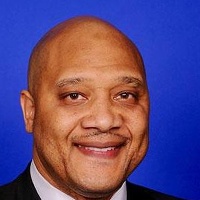
André Carson
Representative
IN
André Carson
Representative
IN
The UNRWA Funding Emergency Restoration Act of 2025 aims to immediately restart U.S. funding for the UN agency assisting Palestinian refugees, which was previously frozen. This bill mandates the cancellation of existing restrictions and requires the Secretary of State to resume aid payments while ensuring accountability based on an independent review. Furthermore, it urges Israel to cooperate with UNRWA investigations to maintain agency neutrality.
This bill expands the definition of "coordinated expenditures" to include outside spending that is materially consistent with guidance, even if indirect, from a candidate or political party committee.
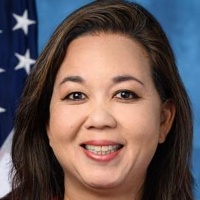
Jill Tokuda
Representative
HI
Jill Tokuda
Representative
HI
The Stop Illegal Campaign Coordination Act amends campaign finance law to broaden the definition of "coordinated expenditures." This bill stipulates that spending by outside groups is considered coordinated if it is "materially consistent" with guidance, even if indirect, from a candidate or political party committee. The legislation outlines specific factors the Federal Election Commission must consider when determining this consistency.
The Northern Rockies Ecosystem Protection Act of 2025 permanently protects vast tracts of public land, wildlife corridors, and rivers across five Western states while mandating ecological restoration and establishing rigorous monitoring protocols.
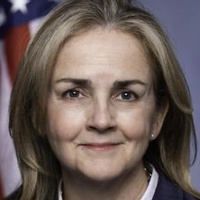
Madeleine Dean
Representative
PA
Madeleine Dean
Representative
PA
The Northern Rockies Ecosystem Protection Act of 2025 seeks to permanently safeguard vast public lands across five Western states by designating new wilderness areas, establishing critical wildlife corridors, and protecting numerous rivers as Wild and Scenic. The bill also mandates extensive ecological restoration in designated recovery zones and establishes rigorous scientific monitoring for the entire region. Furthermore, it explicitly protects existing Tribal rights and ensures that federal water claims remain unaffected by these new conservation mandates.