Legislative Activity
Track Tim's sponsored bills, co-sponsored legislation, and voting record
This resolution urges the E3 nations and the U.S. to trigger the UN "snapback" mechanism to reimpose international sanctions on Iran before the authority expires on October 18, 2025.
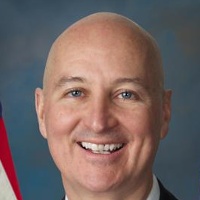
Pete Ricketts
Senator
NE
Pete Ricketts
Senator
NE
This resolution urges the United States and its European allies (the E3) to trigger the "snapback" mechanism under UN Security Council Resolution 2231 to reimpose international sanctions on Iran. It cites Iran’s repeated nuclear and missile program violations as a critical threat to global security. The resolution calls for this action to be taken before the legal authority for the snapback mechanism expires on October 18, 2025.
The Enhanced Iran Sanctions Act of 2025 imposes sanctions on those involved in logistical transactions with Iran's energy sector and establishes an interagency working group to coordinate and enforce these sanctions.
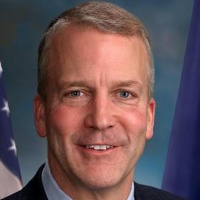
Dan Sullivan
Senator
AK
Dan Sullivan
Senator
AK
The Enhanced Iran Sanctions Act of 2025 aims to prevent Iran from obtaining nuclear weapons and countering its support for terrorism by imposing sanctions on those involved in logistical transactions of Iranian oil, gas, and petrochemical products. It mandates the President to block the property of sanctioned individuals and entities within the U.S. and deny them U.S. visas, with potential waivers based on national interest. The Act also establishes an Interagency Working Group to coordinate and enhance the enforcement of sanctions against Iran, and encourages the formation of a multilateral contact group with similar countries to coordinate international enforcement of sanctions against Iran. Finally, the Act amends the State Department Basic Authorities Act of 1956 to include identifying individuals or entities involved in activities that violate or evade sanctions under the Enhanced Iran Sanctions Act of 2025.
The "Eliminate Lavish Incentives To Electric Vehicles Act" repeals tax credits for new and used clean vehicles, commercial clean vehicles, and excludes electric vehicle recharging property from alternative fuel vehicle refueling property credits.
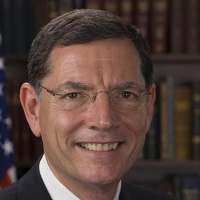
John Barrasso
Senator
WY
John Barrasso
Senator
WY
The "Eliminate Lavish Incentives To Electric Vehicles Act" repeals several clean energy tax credits, including those for new and used clean vehicles, qualified commercial clean vehicles, and excludes electric vehicle recharging property from the alternative fuel vehicle refueling property credit. These changes would take effect for vehicles or property purchased (or under binding contract) more than 30 days after the Act's enactment.
This bill prevents the Department of Interior and Agriculture from banning lead ammunition and tackle on federal land unless the state approves the ban.
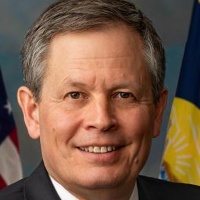
Steve Daines
Senator
MT
Steve Daines
Senator
MT
The "Protecting Access for Hunters and Anglers Act of 2025" prevents the Department of Interior and Department of Agriculture from banning or regulating lead ammunition and fishing tackle on federal lands and waters open to hunting and fishing. An exception is allowed in specific areas where lead is scientifically proven to be the primary cause of wildlife population decline, but any restrictions must align with state laws or have the approval of the state's fish and wildlife department. The reasoning for any such prohibition or regulation must be published in the Federal Register.
This resolution urges NATO member countries to meet the 2% defense spending target by 2025 and proposes restricting leadership roles and hosting privileges for nations that fail to fulfill this commitment.
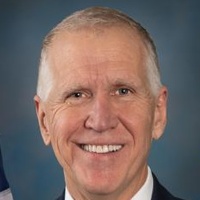
Thom Tillis
Senator
NC
Thom Tillis
Senator
NC
This resolution urges all NATO member countries to meet the established commitment of spending at least 2% of their GDP on national defense. It proposes that nations failing to meet this threshold should be ineligible to hold key NATO leadership positions or host significant high-level summits. The measure aims to ensure equitable defense investment and military readiness across the alliance.
The "Credit Union Board Modernization Act" amends the Federal Credit Union Act to reduce the frequency of required board meetings for well-managed federal credit unions from monthly to at least six times per year after the first five years of operation.
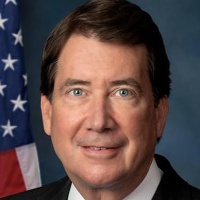
Bill Hagerty
Senator
TN
Bill Hagerty
Senator
TN
The "Credit Union Board Modernization Act" amends the Federal Credit Union Act to reduce the frequency of board of directors meetings for well-managed federal credit unions. New federal credit unions are required to meet monthly for the first five years, while those with strong ratings must meet at least six times annually after the initial period. Credit unions with lower ratings will still be required to meet monthly.
This bill transfers the responsibilities of the Food for Peace Act from the United States Agency for International Development to the Department of Agriculture.

Jerry Moran
Senator
KS
Jerry Moran
Senator
KS
This bill transfers the responsibilities of the Food for Peace Act from the United States Agency for International Development to the Department of Agriculture. It ensures program continuity by allowing the Secretary of Agriculture to implement immediate regulation amendments and utilize existing statutory authorities. The Department of Agriculture will also continue the Famine Early Warning Systems Network to monitor and mitigate food insecurity. The Secretary of Agriculture is required to consult regularly with the Secretary of State when implementing title II of the Food for Peace Act.
This bill amends the Fair Labor Standards Act of 1938, providing exemptions to child labor laws for 16 and 17-year-olds employed in certain logging operations owned or operated by their parent or guardian.

James Risch
Senator
ID
James Risch
Senator
ID
The "Future Logging Careers Act" amends the Fair Labor Standards Act of 1938, modifying child labor laws related to logging operations. It defines "logging operation" and "mechanized operation," and it exempts 16 and 17-year-olds working in logging jobs deemed hazardous by the Secretary of Labor if they are employed by their parent or guardian in a logging operation owned or operated by them.
The "Agent Raul Gonzalez Officer Safety Act" imposes criminal and immigration penalties on individuals who intentionally flee from law enforcement officers while operating a vehicle near the U.S. border.

Ted Cruz
Senator
TX
Ted Cruz
Senator
TX
The "Agent Raul Gonzalez Officer Safety Act" establishes new federal crimes and penalties for individuals who intentionally flee from law enforcement officers while operating a vehicle near the U.S. border. Convictions under this law can lead to imprisonment, fines, and immigration consequences such as inadmissibility or deportation. The Attorney General must submit an annual report to Congress detailing the enforcement and impact of this law.
The "Alternatives to PAIN Act" aims to lower patient costs and increase access to non-opioid pain management drugs under Medicare Part D by waiving deductibles, setting a low cost-sharing tier, and removing step therapy or prior authorization requirements, starting in 2026.
Thom Tillis
Senator
NC
Thom Tillis
Senator
NC
The "Alternatives to PAIN Act" aims to improve access to non-opioid pain management for Medicare Part D beneficiaries starting in 2026. It eliminates the standard deductible and places qualifying non-opioid pain management drugs on the lowest cost-sharing tier. The bill also prohibits the use of step therapy and prior authorization requirements for these drugs, ensuring quicker access to alternative pain relief options.
This joint resolution proposes a constitutional amendment to permanently fix the number of U.S. Supreme Court justices at nine.
Ted Cruz
Senator
TX
Ted Cruz
Senator
TX
This joint resolution proposes a constitutional amendment to permanently set the number of U.S. Supreme Court justices at nine. If ratified by three-fourths of the states within seven years, this amendment would constitutionally mandate the current size of the Court.
Prohibits the Department of Veterans Affairs from sending veterans' personal information to the national instant criminal background check system based only on the fact that the veteran requires assistance managing their benefits, unless a court determines the veteran is a danger to themselves or others.

John Kennedy
Senator
LA
John Kennedy
Senator
LA
The "Veterans 2nd Amendment Protection Act of 2025" prevents the Department of Veterans Affairs from sharing veterans' personal information with the national instant criminal background check system (NICS) based solely on the appointment of a fiduciary to manage their benefits. Information can only be shared if a judicial authority determines the veteran poses a danger to themselves or others.
The Regulations from the Executive in Need of Scrutiny Act of 2025 (REINS Act) would require congressional approval for major executive branch rules with significant economic impacts before they can take effect.

Rand Paul
Senator
KY
Rand Paul
Senator
KY
The "Regulations from the Executive in Need of Scrutiny Act of 2025" aims to increase transparency and accountability in federal agency rulemaking by requiring congressional approval for major rules with significant economic impact (over $100 million). It establishes procedures for congressional review and approval or disapproval of both major and non-major rules, mandates the publication of guidance documents, and sets expiration dates for major rules. The Act also requires agencies to conduct retrospective reviews of existing rules and includes a regulatory budget to control the costs of regulations. Additionally, the Government Accountability Office must study the number and economic impact of existing rules.
This resolution designates February 2025 as Career and Technical Education Month to recognize the vital role of CTE programs in developing a skilled workforce and preparing students for high-demand careers.
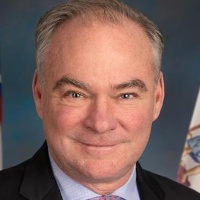
Timothy Kaine
Senator
VA
Timothy Kaine
Senator
VA
This resolution designates February 2025 as "Career and Technical Education Month" to recognize the vital role of CTE in preparing students for high-demand, skilled careers. It highlights the importance of workforce training in meeting modern economic needs and encourages educators, parents, and administrators to promote CTE as a valuable and respected educational pathway.
This bill eliminates federal income taxes on Social Security benefits for senior citizens.
Tommy Tuberville
Senator
AL
Tommy Tuberville
Senator
AL
The "Senior Citizens Tax Elimination Act" repeals the inclusion of Social Security benefits in gross income for taxable years beginning after the enactment date. It also appropriates funds to the Social Security Act and the Railroad Retirement Act of 1974 to offset any reduction in transfers caused by this repeal. The Act expresses Congress's preference against using tax increases to fund these provisions.
The "Supporting Made in America Energy Act" mandates increased oil and gas lease sales on federal lands and waters, while extending a moratorium in the Eastern Gulf of Mexico and setting timelines for future leasing programs.
Steve Daines
Senator
MT
Steve Daines
Senator
MT
The "Supporting Made in America Energy Act" mandates the Secretary of the Interior to conduct a minimum number of oil and natural gas lease sales annually for both onshore and offshore lands, including specific requirements for the Gulf of Mexico and Alaska regions. It extends the moratorium on oil and gas leasing in the Eastern Gulf of Mexico until December 31, 2035, and sets deadlines for preparing subsequent oil and gas leasing programs. The Act also restricts the President's authority to pause or impede Federal energy mineral leasing processes without congressional approval.
This bill eliminates an administrative fee under the Mineral Leasing Act, amends related sections of other acts to remove references to the fee, and corrects a typo.
Steve Daines
Senator
MT
Steve Daines
Senator
MT
The "Restoring State Mineral Revenues Act" eliminates an administrative fee charged under the Mineral Leasing Act, which will likely increase the amount of revenue states receive from mineral leasing on federal lands. It also makes necessary technical and conforming changes to other related laws, such as the Geothermal Steam Act of 1970 and the Federal Oil and Gas Royalty Management Act of 1982, to reflect the elimination of this fee.
Permanently extends the New Markets Tax Credit, adjusts it for inflation, and provides alternative minimum tax relief for qualified equity investments made after 2024.
Steve Daines
Senator
MT
Steve Daines
Senator
MT
The New Markets Tax Credit Extension Act of 2025 permanently extends the New Markets Tax Credit, originally set to expire after 2025, to encourage investment in low-income communities. The bill also adjusts the credit amount for inflation after 2025 and provides alternative minimum tax relief for credits on qualified equity investments made after December 31, 2024. These changes aim to incentivize ongoing investment in economically distressed areas.
This bill establishes a Wildfire Intelligence Center to improve coordination, research, and data sharing among federal, state, tribal, and private entities to enhance wildfire management and prediction.

Alejandro Padilla
Senator
CA
Alejandro Padilla
Senator
CA
The Wildfire Intelligence Collaboration and Coordination Act of 2025 establishes a Wildfire Intelligence Center within the Departments of Agriculture, Commerce, and Interior to improve the study, planning, coordination, and implementation of solutions for wildfire management. The center will facilitate collaboration and information sharing among federal and state agencies, tribal entities, academia, and the private sector, and provide real-time, science-based analytical services and decision support for all phases of fire management. A governing board with representatives from various federal agencies will administer the center, and an executive director will be appointed to manage daily operations and engage with the private sector. The center aims to enhance wildfire risk assessment, prediction, and response capabilities through improved data, technology, and coordination.
The TORNADO Act mandates improvements to hazardous weather communication, develops a strategic plan for high-resolution forecasting, updates the tornado rating system, and enhances post-storm assessment procedures.

Roger Wicker
Senator
MS
Roger Wicker
Senator
MS
The TORNADO Act aims to significantly improve the nation's ability to forecast, communicate, and respond to hazardous weather events. It establishes new offices and strategic plans to enhance the clarity and speed of public warnings, mandates a review of the tornado rating system, and refocuses key tornado research programs. Ultimately, the bill seeks to leverage better science and communication strategies to save lives and protect property from severe storms and other natural hazards.