Legislative Activity
Track Tim's sponsored bills, co-sponsored legislation, and voting record
The "Enhancing Energy Recovery Act" amends the Internal Revenue Code to update and adjust tax credits for carbon oxide disposal, utilization, and storage, including enhanced oil or natural gas recovery, with increased credit amounts for projects meeting specific requirements.
John Barrasso
Senator
WY
John Barrasso
Senator
WY
The "Enhancing Energy Recovery Act" amends the Internal Revenue Code to update and broaden the criteria for carbon oxide disposal, use, or utilization, including secure geological storage and enhanced oil or natural gas recovery. It adjusts the applicable dollar amount for carbon oxide disposal, setting it at $17, adjusted for inflation, with a higher rate of $36 for projects meeting specific requirements. These changes apply to taxable years starting after December 31, 2024.
This Act mandates that new passenger vehicles sold in the U.S. must include standard equipment capable of receiving AM broadcast radio signals for emergency alerts and programming.
Edward Markey
Senator
MA
Edward Markey
Senator
MA
The AM Radio for Every Vehicle Act of 2025 mandates that new passenger vehicles sold in the U.S. must include standard equipment capable of receiving AM broadcast signals within a few years of the law's enactment. This requirement aims to ensure drivers retain access to crucial emergency alerts, overriding conflicting state or local laws. The bill also directs the GAO to study the reliability of AM radio versus other emergency alert technologies in vehicles.
The Fair Access to Banking Act aims to prevent financial institutions from denying services to individuals or businesses based on subjective or political reasons, ensuring fair and impartial access to financial services.

Kevin Cramer
Senator
ND
Kevin Cramer
Senator
ND
The Fair Access to Banking Act aims to ensure equal access to financial services by preventing banks and credit unions from denying services to individuals or entities engaged in lawful activities based on subjective or politically motivated reasons. It sets requirements for banks with over $10 billion in assets, prohibiting them from denying services based on reputational risk and requiring them to justify denials with documented, risk-based standards. The act also allows individuals to sue financial institutions that violate these requirements, with the potential for treble damages and attorney fees awarded to successful plaintiffs. Furthermore, it restricts access to Federal Reserve lending programs and the Automated Clearing House Network for institutions that fail to comply with the Act.
This bill eliminates diversity, equity, and inclusion (DEI) programs and initiatives within the federal government, federal training, federal contracting, federal grants and cooperative agreements, federal advisory committees, and higher education accreditation standards.
Eric Schmitt
Senator
MO
Eric Schmitt
Senator
MO
**Title I:** This bill seeks to eliminate diversity, equity, and inclusion (DEI) programs within the federal government by revoking prior directives, terminating DEI offices, and restricting DEI-related training and activities. **Title II:** This bill restricts federal training programs from including topics related to diversity, equity, and inclusion, and protects employees from mandatory training on these subjects. **Title III:** This bill modifies federal contracting practices by prohibiting the use of federal funds for DEI-related activities and ensuring non-discrimination in federal programs. **Title IV:** This bill restricts the use of federal grant and cooperative agreement funds for diversity, equity, inclusion, and accessibility (DEIA) initiatives, while exempting certain offices and institutions. **Title V:** This bill aims to eliminate diversity, equity, and inclusion (DEI) practices within federal advisory committees by outlining specific prohibitions, enforcement mechanisms, and responsibilities for agency administrators and heads to ensure compliance. **Title VI:** This bill addresses accreditation standards for higher education institutions and restricts the use of federal funds by the Secretary of Education related to diversity, equity, and inclusion (DEI) initiatives. **Title VII:** This bill eliminates certain diversity, equity, and inclusion (DEI) programs and related requirements across various federal agencies and acts. **Title VIII:** This bill focuses on the enforcement and legal standing of the Act, ensuring individuals have the right to seek justice if they believe the law has been violated, and clarifies that the law remains effective even if parts of it are deemed unconstitutional.
This joint resolution seeks to nullify the EPA’s rule regarding waste emissions charges for petroleum and natural gas systems.
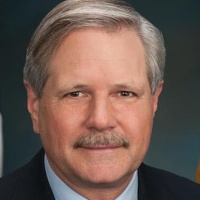
John Hoeven
Senator
ND
John Hoeven
Senator
ND
This joint resolution seeks to exercise congressional disapproval of the EPA’s "Waste Emissions Charge for Petroleum and Natural Gas Systems" rule. If passed, the resolution would nullify the rule, rendering it without force or effect.
The "Critical Water Resources Prioritization Act of 2025" amends the Endangered Species Act to allow exemptions for actions that address critical human water needs, under specific conditions and with mandated oversight.

Cynthia Lummis
Senator
WY
Cynthia Lummis
Senator
WY
The "Critical Water Resources Prioritization Act of 2025" amends the Endangered Species Act to allow exemptions for water management agencies to meet critical human water needs, such as drinking water and emergency services, if certain conditions are met. These conditions include implementing water conservation measures, exploring alternative water sources, and minimizing impacts on affected species. The Secretary of Interior can grant exemptions for up to 180 days, with possible renewals, and must report annually to Congress on all exemptions and their impacts. This act aims to balance essential human water needs with the protection of endangered species.
The Emergency Fuel Reduction Act of 2025 expedites wildfire prevention and forest health projects on high-risk federal lands by streamlining environmental review requirements.
Cynthia Lummis
Senator
WY
Cynthia Lummis
Senator
WY
The Emergency Fuel Reduction Act of 2025 aims to accelerate wildfire prevention by streamlining the environmental review process for hazardous fuel reduction projects on high-risk federal lands. By creating new categorical exclusions under NEPA, the bill facilitates the rapid removal of fire hazards near communities and critical infrastructure. Additionally, the legislation promotes forest health and the protection of threatened or endangered species habitats.
This bill removes silencers from special tax and registration requirements under the National Firearms Act while imposing a new 10% excise tax and new federal marking standards on manufacturers.

Michael Crapo
Senator
ID
Michael Crapo
Senator
ID
The Hearing Protection Act seeks to remove silencers from special regulation under federal tax law, treating them similarly to standard firearms components. This bill preempts state and local governments from imposing special taxes or registration requirements on silencers involved in interstate commerce. Furthermore, it mandates the destruction of existing federal records identifying silencer owners and establishes new serial number marking requirements for manufacturers.
The STOP MADNESS Act authorizes the President to impose economic sanctions on foreign governments and individuals that facilitate unlawful immigration or refuse to cooperate with U.S. repatriation efforts.

Tim Scott
Senator
SC
Tim Scott
Senator
SC
The STOP MADNESS Act authorizes the President to impose economic sanctions on foreign governments that refuse to accept the repatriation of their citizens who have entered the United States unlawfully. Additionally, the bill targets foreign governments and individuals that knowingly facilitate unlawful immigration by blocking their access to the U.S. financial system. The legislation also establishes reporting requirements for the executive branch regarding the implementation and enforcement of these sanctions.
The American Values Act permanently prohibits the use of federal foreign assistance and Peace Corps funding for abortion services, involuntary sterilization, and related lobbying or research activities.

James Risch
Senator
ID
James Risch
Senator
ID
The American Values Act permanently prohibits the use of federal foreign assistance and Peace Corps funding for abortion services, involuntary sterilizations, and related lobbying or research activities. This legislation codifies long-standing restrictions to ensure that U.S. taxpayer dollars are not utilized to support or promote these practices internationally.
Designates the week beginning February 3, 2025, as "National Tribal Colleges and Universities Week" to recognize the importance and achievements of these institutions in providing culturally relevant education and workforce preparation to American Indians, Alaska Natives, and other students.
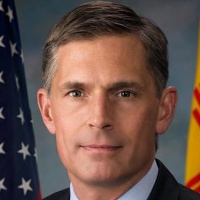
Martin Heinrich
Senator
NM
Martin Heinrich
Senator
NM
This resolution designates the week beginning February 3, 2025, as "National Tribal Colleges and Universities Week," recognizing the vital role of TCUs in providing culturally relevant education to American Indians, Alaska Natives, and other students. TCUs serve over 230 federally recognized Indian Tribes by offering high-quality postsecondary education and workforce preparation. The resolution encourages the public to participate in activities and programs that support these institutions.
This resolution nullifies the Commodity Futures Trading Commission's guidance on listing voluntary carbon credit derivative contracts. By disapproving the rule, Congress prevents it from taking legal effect.
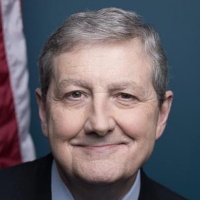
John Kennedy
Senator
LA
John Kennedy
Senator
LA
This joint resolution nullifies the Commodity Futures Trading Commission's guidance on listing voluntary carbon credit derivative contracts. By disapproving the rule, Congress prevents the guidance from being implemented or enforced.
This bill mandates the immediate removal of the Greater Yellowstone Ecosystem grizzly bear population from the federal endangered species list, bypassing standard regulatory and judicial review processes.
Cynthia Lummis
Senator
WY
Cynthia Lummis
Senator
WY
The Grizzly Bear State Management Act of 2025 mandates that the Secretary of the Interior reissue the 2017 rule to remove the Greater Yellowstone Ecosystem grizzly bear population from the federal endangered species list. This legislation requires the action to be completed within 180 days and explicitly prohibits judicial review of the reissued rule.
The Educational Choice for Children Act of 2025 establishes a federal tax credit for donations to scholarship-granting organizations to help eligible students cover a wide range of K-12 educational expenses while protecting the autonomy of participating schools and families.
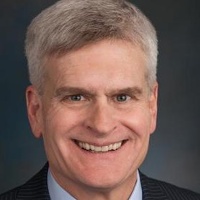
Bill Cassidy
Senator
LA
Bill Cassidy
Senator
LA
The Educational Choice for Children Act of 2025 establishes a federal tax credit for individuals and corporations that donate to scholarship-granting organizations. These organizations provide scholarships to help eligible students cover a wide range of K-12 educational expenses, including private school tuition, tutoring, and educational therapies. The bill includes a $10 billion annual volume cap on these credits and contains robust protections to ensure the autonomy of participating schools and the rights of parents to direct their children's education.
The Laken Riley Act mandates the detention of aliens who commit theft and empowers state attorneys general to sue the Department of Homeland Security or the Secretary of State over immigration enforcement failures.

Katie Britt
Senator
AL
Katie Britt
Senator
AL
The Laken Riley Act mandates the detention of illegal aliens who commit theft, burglary, larceny, or shoplifting. It empowers state attorneys general to sue the Department of Homeland Security or the Secretary of State if they believe the state or its residents are harmed by violations of immigration enforcement or visa granting. The bill aims to ensure that these aliens are detained throughout their removal proceedings and to provide states with legal recourse against perceived failures in federal immigration enforcement.
The Birthright Citizenship Act of 2025 restricts birthright citizenship to individuals born in the U.S. to at least one parent who is a U.S. citizen, a lawful permanent resident, or an alien in lawful status serving in the U.S. armed forces.
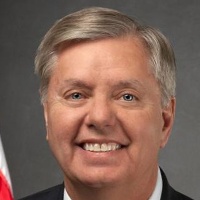
Lindsey Graham
Senator
SC
Lindsey Graham
Senator
SC
The Birthright Citizenship Act of 2025 amends the Immigration and Nationality Act to restrict birthright citizenship to individuals born in the United States who have at least one parent who is a U.S. citizen, a lawful permanent resident, or an alien in lawful status serving in the U.S. armed forces. This legislation clarifies the definition of being "subject to the jurisdiction of the United States" for citizenship purposes. These changes would apply only to individuals born after the bill's enactment, preserving the status of those born previously.
The A PLUS Act empowers states to consolidate federal education funding and reduce administrative burdens in exchange for increased local accountability and transparency in student performance.
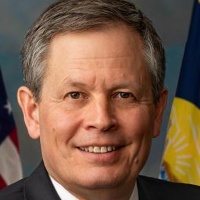
Steve Daines
Senator
MT
Steve Daines
Senator
MT
The A PLUS Act empowers states and local communities to take greater control of federal education funding by reducing administrative red tape and allowing for the consolidation of various programs. By opting into this flexibility, states can better tailor educational reforms to their specific needs while remaining publicly accountable for student achievement. The legislation ensures that states continue to uphold civil rights protections and provide transparent reporting on student progress to parents and taxpayers.
The Dignity for Aborted Children Act mandates that abortion providers obtain informed consent for the disposal of fetal remains and ensures their final disposition through burial or cremation.
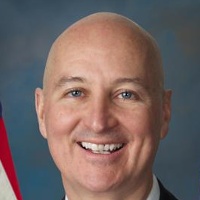
Pete Ricketts
Senator
NE
Pete Ricketts
Senator
NE
The Dignity for Aborted Children Act mandates that abortion providers offer patients the choice to take possession of fetal remains for burial or cremation. If the patient releases the remains to the provider, the provider is legally required to ensure the remains are interred or cremated within seven days. The bill also establishes federal reporting requirements and imposes significant civil and criminal penalties for non-compliance.
The Protecting Life on College Campus Act of 2025 prohibits federal funding for institutions of higher education that host or are affiliated with campus clinics providing abortions or abortion drugs.
Steve Daines
Senator
MT
Steve Daines
Senator
MT
The Protecting Life on College Campus Act of 2025 prohibits institutions of higher education from receiving federal funding if they host or are affiliated with campus clinics that provide abortions or abortion-inducing drugs. To remain eligible for federal support, institutions must submit annual certifications confirming their compliance with these restrictions. The bill also includes provisions to protect compliant institutions from conflicting state-level penalties.
This legislation establishes a framework to reduce double taxation for U.S. and Taiwanese residents through reciprocal tax relief and authorizes the President to negotiate a formal tax agreement between the two jurisdictions.
Michael Crapo
Senator
ID
Michael Crapo
Senator
ID
The United States-Taiwan Expedited Double-Tax Relief Act aims to reduce double taxation for residents of Taiwan and the U.S. by lowering withholding rates on cross-border income and establishing clear tax residency rules. Additionally, the bill authorizes the President to negotiate a formal tax agreement with Taiwan, ensuring congressional oversight and public transparency throughout the process. This legislation seeks to boost bilateral trade and investment while ensuring reciprocal tax benefits for both nations.