Legislative Activity
Track Jefferson's sponsored bills, co-sponsored legislation, and voting record
This bill prohibits federal agencies from overriding state and local authority over the land use, zoning, and permitting of data centers on non-federal land.
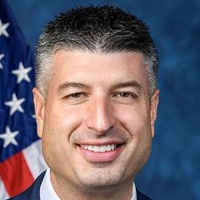
Tom Barrett
Representative
MI
Tom Barrett
Representative
MI
The Protecting Local Control of Data Centers Act ensures that state and local governments retain exclusive authority over the zoning, siting, and permitting of data centers on non-federal land. The bill prohibits federal agencies from bypassing these local land-use decisions or conditioning federal funding on the surrender of local regulatory control.
The Rural Hospital Cybersecurity Enhancement Act mandates the development of a national workforce strategy and free instructional resources to improve cybersecurity training and staffing within rural healthcare facilities.
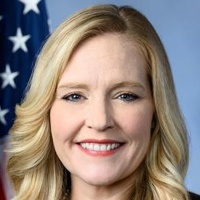
Erin Houchin
Representative
IN
Erin Houchin
Representative
IN
The Rural Hospital Cybersecurity Enhancement Act directs the Secretary of Health and Human Services to develop a comprehensive workforce strategy to address cybersecurity staffing shortages in rural healthcare facilities. The bill also mandates the creation and promotion of free, accessible cybersecurity training materials to help rural hospital staff implement essential digital security practices. These initiatives aim to strengthen the cyber resilience of rural health systems through interagency collaboration and education without requiring additional federal appropriations.
This resolution expresses the House of Representatives' support for Charleston, South Carolina, to host the 2027 annual session of the OSCE Parliamentary Assembly.
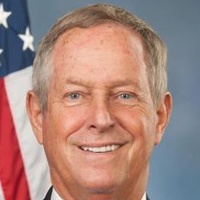
Joe Wilson
Representative
SC
Joe Wilson
Representative
SC
This resolution expresses the support of the House of Representatives for Charleston, South Carolina, to host the 2027 annual session of the Organization for Security and Cooperation in Europe (OSCE) Parliamentary Assembly. It highlights the city’s world-class infrastructure and honors the legacy of the late Senator Lindsey Olin Graham by advocating for the event to proceed as originally planned.
The National Security Interstate Pipeline Act establishes an expedited federal approval process for interstate oil and natural gas pipelines designated as critical to national security, streamlining permitting and preempting state and local regulations.
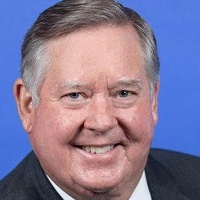
Ken Calvert
Representative
CA
Ken Calvert
Representative
CA
The National Security Interstate Pipeline Act establishes an expedited federal approval process for oil and natural gas pipelines designated by the President as essential to national security. The bill streamlines permitting by granting the Federal Energy Regulatory Commission exclusive authority, imposing strict deadlines for agency reviews, and preempting state and local regulations. Additionally, it authorizes the use of eminent domain for project development and allows the President to waive certain environmental laws to prevent project delays.
This bill authorizes a seven-year grant program for the National Law Enforcement Officers Memorial Fund to support the National Law Enforcement Museum’s educational, community outreach, and officer wellness initiatives.
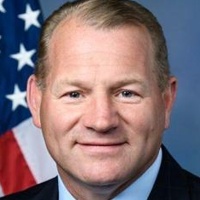
Troy Nehls
Representative
TX
Troy Nehls
Representative
TX
The National Law Enforcement Officers Remembrance, Support, and Community Outreach Act authorizes $6 million in annual grants over seven years to the National Law Enforcement Officers Memorial Fund. These funds will support the National Law Enforcement Museum’s public education, community outreach, and officer safety and wellness programs. As a condition of the grant, the museum must provide free admission to law enforcement officers and their families, as well as dedicated free hours for the general public.
This bill clarifies that a franchisor is only considered a joint employer of a franchisee's workers if it exercises substantial, direct, and immediate control over essential terms of employment.
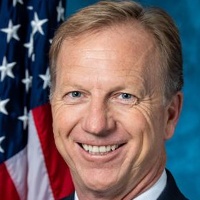
Kevin Hern
Representative
OK
Kevin Hern
Representative
OK
The American Franchise Act aims to protect the traditional franchise business model by clarifying the definition of a "joint employer." This legislation establishes that a franchisor is only considered a joint employer if it exercises "substantial direct and immediate control" over the essential terms of employment for a franchisee's workers. This change specifically targets liability risks associated with maintaining brand standards, ensuring franchisors are not automatically held responsible for local labor practices. The new standard applies prospectively to future legal proceedings.
This bill prohibits the Department of Labor from finalizing, implementing, or enforcing the proposed rule regarding heat injury and illness prevention in outdoor and indoor work settings.
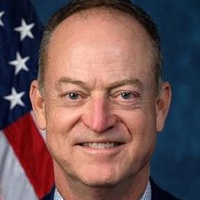
Mark Messmer
Representative
IN
Mark Messmer
Representative
IN
This act, the Heat Workforce Standards Act of 2025, prohibits the Secretary of Labor from finalizing, implementing, or enforcing the proposed rule regarding heat injury and illness prevention published in August 2024. This restriction extends to any future standard substantially similar to the one proposed.
This bill establishes a new federal standard requiring the use of "best-available transmission conductors" for covered electric grid projects to maximize capacity and efficiency.
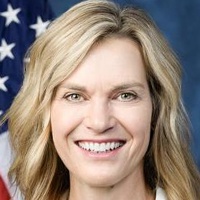
Julie Fedorchak
Representative
ND
Julie Fedorchak
Representative
ND
The High-Capacity Grid Act mandates that the Federal Energy Regulatory Commission (FERC) establish a "best-available transmission conductor" standard based on capacity, efficiency, and sag mitigation. This legislation requires FERC to presume that using these advanced conductors in covered transmission projects is prudent and cost-justified. Conversely, using anything less than the best-available conductor will be presumed imprudent in rate cases.
The AADAPT Act expands grant eligibility and funding to integrate dementia care services into health centers through 2031.
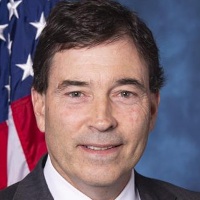
Troy Balderson
Representative
OH
Troy Balderson
Representative
OH
The AADAPT Act expands access to specialized dementia care by authorizing grants for public and nonprofit health centers to integrate these services into their programs. Additionally, the bill extends federal funding authorization through 2031 to ensure the continued growth and sustainability of these critical health outcomes.
This bill mandates electronic prior authorization, increases transparency through required data reporting, and establishes faster decision timelines for Medicare Advantage plans to improve timely access to care for seniors.
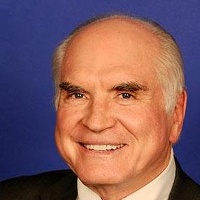
Mike Kelly
Representative
PA
Mike Kelly
Representative
PA
The Improving Seniors’ Timely Access to Care Act of 2025 aims to streamline and modernize the prior authorization process within Medicare Advantage plans. This bill mandates the adoption of electronic prior authorization systems and significantly increases transparency regarding approval rates and decision times starting in 2027. Furthermore, it establishes new enrollee protections and grants the Secretary authority to enforce faster decision timeframes for medical services.
The Chloe Cole Act of 2026 establishes a private right of action allowing individuals to sue healthcare providers for damages resulting from gender-transition medical interventions performed on them as minors.
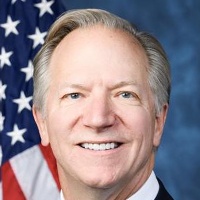
Robert Onder
Representative
MO
Robert Onder
Representative
MO
The Chloe Cole Act of 2026 establishes a federal private right of action allowing individuals to sue healthcare professionals and institutions for damages related to gender-transition medical interventions performed on them as minors. The bill permits lawsuits regardless of when the intervention occurred and sets a statute of limitations extending 25 years past the individual's 18th birthday. Additionally, it mandates strict liability for such interventions performed after the Act's enactment.
The Advancing Water Research and Collaboration Act of 2025 updates the Water Resources Research Act to include the artificial intelligence sector in research partnerships and authorizes $16 million annually for interstate water resource studies through 2029.
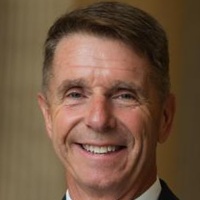
Robert Wittman
Representative
VA
Robert Wittman
Representative
VA
The Advancing Water Research and Collaboration (AWRC) Act of 2025 updates the Water Resources Research Act of 1984 to formally integrate the artificial intelligence industry into national water research efforts. The bill authorizes $16 million annually from 2026 through 2029 to support regional and interstate water research initiatives. Additionally, it restructures funding allocations to prioritize collaborative projects that address complex, multi-state water challenges.
This Act prohibits payment card networks and processors from assigning specific merchant category codes to identify firearms retailers, protecting the privacy of firearm and ammunition purchases.
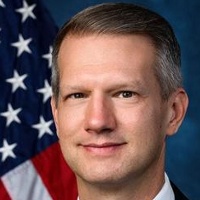
Riley Moore
Representative
WV
Riley Moore
Representative
WV
The Protecting Privacy in Purchases Act prohibits payment card networks and processors from assigning specific merchant category codes to firearms retailers. This legislation aims to protect consumer privacy by preventing the tracking of firearm and ammunition purchases through specialized financial classification. The Attorney General is tasked with enforcing these provisions and reporting annually on compliance.
This bill authorizes a single Congressional Gold Medal to honor the individuals who defended Bataan, Corregidor, and other Pacific locations during World War II.
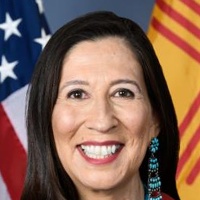
Teresa Leger Fernandez
Representative
NM
Teresa Leger Fernandez
Representative
NM
This bill authorizes the award of a single Congressional Gold Medal to recognize the collective heroism of the individuals who defended Bataan, Corregidor, and other locations in the Pacific theater during World War II. The medal honors the extraordinary sacrifice of U.S. service members and Filipino forces who fought and endured imprisonment by Imperial Japan. Following the presentation, the medal will be permanently displayed at the Smithsonian's National Museum of American History. The legislation also allows for the production and sale of bronze duplicate medals.
The Freedom of Association in Higher Education Act of 2026 prohibits colleges and universities that receive federal funding from taking adverse actions against students or organizations based on their participation in single-sex social groups.
Erin Houchin
Representative
IN
Erin Houchin
Representative
IN
The Freedom of Association in Higher Education Act of 2026 protects students and single-sex social organizations from adverse actions by colleges and universities that receive federal funding. The bill ensures that students can freely join or lead these organizations without facing institutional bias or discrimination based on their membership. It establishes clear standards to prevent schools from penalizing students or organizations solely for maintaining single-sex membership policies.
The Budgeting for a Better America Act overhauls federal budgeting with a biennial cycle, establishes a commission to fast-track deficit reduction, and mandates greater long-term fiscal transparency.
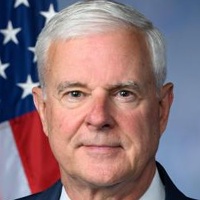
Steve Womack
Representative
AR
Steve Womack
Representative
AR
The Budgeting for a Better America Act fundamentally reforms the federal budget process by shifting to a two-year (biennial) cycle to promote stability and long-term planning. It also establishes a bipartisan commission tasked with developing a deficit-reduction plan that Congress must consider under fast-track procedures. Finally, the bill mandates greater transparency through required long-term financial reports and expanded participation in budget oversight.
This Act enhances accountability and transparency for Small Business Administration (SBA) disaster loans through expanded reporting requirements, detailed budget submissions, low-funding notifications, and independent GAO reviews.
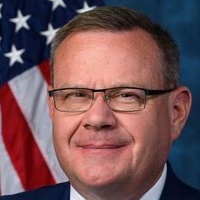
Tim Moore
Representative
NC
Tim Moore
Representative
NC
The Disaster Loan Accountability and Reform Act (DLARA) aims to increase transparency and oversight of Small Business Administration (SBA) disaster loan programs. It mandates expanded monthly reporting on loan funding levels, requires detailed breakdowns in future Presidential budget requests, and imposes new notification requirements when disaster loan funds become critically low. Additionally, the bill directs the GAO to report on loan disbursement rates and the financial impact of recent program changes.
This bill significantly expands federal immunity for firearm manufacturers and sellers by immediately dismissing existing lawsuits and establishing strict limitations and procedural hurdles for future civil liability claims.
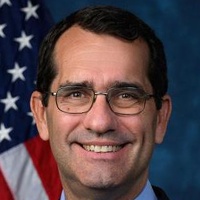
Derek Schmidt
Representative
KS
Derek Schmidt
Representative
KS
The Stopping Harmful and Outrageous Torts Act significantly expands legal immunity for firearm manufacturers, sellers, and trade associations by redefining terms within existing federal law. It mandates the immediate dismissal of pending lawsuits against these entities and establishes strict new standards for any exceptions that might apply. Furthermore, the bill preempts state and local laws that attempt to impose liability based on the criminal misuse of qualified products.
The HAILEY Act of 2026 establishes that AMBER Alerts must only be issued for individuals under 18 who law enforcement reasonably believes to be a high-risk missing person.
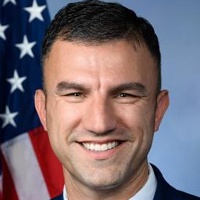
Rudy Yakym
Representative
IN
Rudy Yakym
Representative
IN
The HAILEY Act of 2026 establishes new minimum standards for issuing AMBER Alerts through the national network. Specifically, it mandates that an alert can only be issued for an individual under the age of 18. Furthermore, the bill requires law enforcement to reasonably believe the missing person meets the criteria of a high-risk missing person before an alert is disseminated.
This bill strengthens U.S. access to critical minerals by authorizing international partnerships, establishing energy security compacts, and creating specialized State Department roles and workforce development programs to counter reliance on adversaries.
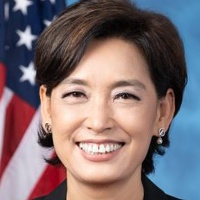
Young Kim
Representative
CA
Young Kim
Representative
CA
This bill strengthens U.S. access to critical minerals by authorizing international partnerships and agreements to build secure, transparent supply chains with allies. It establishes Energy Security Compacts to diversify energy and mineral sources while protecting American jobs and the environment. Finally, the legislation creates new leadership roles and exchange programs at the State Department to build a skilled domestic mining workforce and counter foreign leverage over essential resources.