Legislative Activity
Track Jefferson's sponsored bills, co-sponsored legislation, and voting record
This resolution strongly condemns the rise of antisemitism in the United States and honors the memory of Yaron Lischinsky and Sarah Milgrim, who were murdered while promoting peace.
Addison McDowell
Representative
NC
Addison McDowell
Representative
NC
This resolution strongly condemns the rise of antisemitism in the United States and around the world. It specifically honors the memory of Yaron Lischinsky and Sarah Milgrim, who were tragically murdered while promoting peace. Ultimately, Congress reaffirms its commitment to combating all forms of hate and ensuring the vigorous enforcement of laws protecting religious freedom.
This Act mandates the mapping of critical global ports and requires a joint State and Defense Department report analyzing foreign influence, particularly from China, to secure U.S. strategic interests.
Bill Huizenga
Representative
MI
Bill Huizenga
Representative
MI
The Strategic Ports Reporting Act mandates that the Secretaries of State and Defense map critical global ports and report on any efforts by the People's Republic of China to gain influence over them. This legislation requires a detailed study assessing the national security and economic risks posed by Chinese control of these strategic locations. The resulting report must include a proposed strategy for securing trusted investment and protecting these vital maritime assets from foreign influence.
This Act transfers submarine cable licensing authority to the FCC, establishes security and reporting requirements for cross-border cables, and increases penalties for cable damage.
Rudy Yakym
Representative
IN
Rudy Yakym
Representative
IN
The SECURE American Telecommunications Act centralizes the licensing authority for submarine and cross-border terrestrial telecommunications cables under the FCC, shifting power away from the President. This legislation establishes strict security and reporting requirements for cable licensees, including mandatory consultation with national security agencies. Furthermore, it streamlines federal permitting while significantly increasing penalties for intentional damage to undersea cables.
This Act reinstates and extends the ability for taxpayers to deduct personal casualty losses from unexpected events like crimes, scams, and disasters without previous limitations.
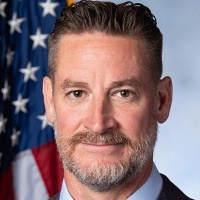
W. Steube
Representative
FL
W. Steube
Representative
FL
The Tax Relief for Victims of Crimes, Scams, and Disasters Act reinstates and removes limitations on the federal income tax deduction for personal casualty losses resulting from unexpected events like fires or floods. This legislation also extends the deadline for taxpayers to file claims for refunds related to these casualty loss deductions for past tax years. These changes apply to tax years beginning after December 31, 2017.
This resolution formally expresses Congress's support, gratitude, and recognition for the dedication and sacrifices of local law enforcement officers.
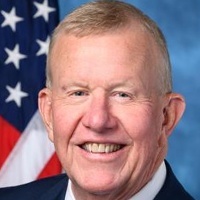
Mike Ezell
Representative
MS
Mike Ezell
Representative
MS
This Concurrent Resolution formally expresses the appreciation of Congress for the dedication and service of local law enforcement officers across the nation. It recognizes the sacrifices made by officers and their families in keeping communities safe. The resolution also encourages strong partnerships between police departments and the communities they serve.
The SERVICE Act of 2025 establishes a pilot program to fund local law enforcement grants for creating specialized Veterans Response Teams to better assist veterans in crisis.
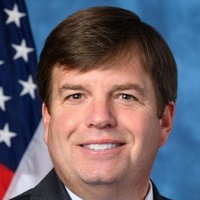
Dale Strong
Representative
AL
Dale Strong
Representative
AL
The SERVICE Act of 2025 establishes a five-year pilot program to create specialized Veterans Response Teams within local law enforcement agencies through federal grants. These teams will focus on improving interactions between law enforcement and veterans in crisis by fostering collaboration with the VA and providing specialized training. The teams will also establish 24/7 volunteer response networks and track outcomes to better serve the veteran community.
This act establishes research grants and training programs to develop and implement PFAS-free, next-generation turnout gear to protect firefighters from occupational illness and injury.
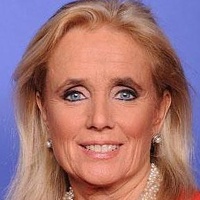
Debbie Dingell
Representative
MI
Debbie Dingell
Representative
MI
The PFAS Alternatives Act aims to protect firefighters by funding research and development for next-generation turnout gear that eliminates harmful PFAS chemicals. The bill establishes grants through NIOSH to create safer, PFAS-free protective equipment and separate funding for training programs on the proper care of this new gear. Ultimately, this legislation seeks to reduce occupational illness and injury among fire and EMS personnel.
This Act promotes private employee ownership by extending tax deferrals for S corporation ESOP sales, ensuring ESOP-owned businesses retain small business status, and establishing new Treasury and Labor offices to provide assistance and advocacy.
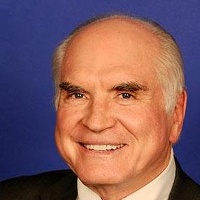
Mike Kelly
Representative
PA
Mike Kelly
Representative
PA
The Promotion and Expansion of Private Employee Ownership Act of 2025 aims to significantly boost employee ownership in S corporations through Employee Stock Ownership Plans (ESOPs). The bill extends key tax deferral benefits for stock sales to ESOPs and removes a major restriction on this tax treatment. Furthermore, it establishes new government offices and an Advocate for Employee Ownership to provide technical assistance and resolve disputes, while ensuring ESOP-owned businesses retain small business status for federal programs.
This resolution calls on North Korea to immediately release all abducted foreign nationals, return remains, and apologize for the decades-long practice of abducting Japanese citizens.
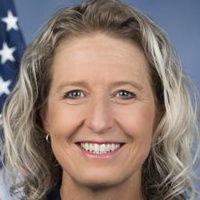
Jennifer Kiggans
Representative
VA
Jennifer Kiggans
Representative
VA
This resolution formally expresses the U.S. Congress's unwavering stance demanding that North Korea immediately resolve the long-standing issue of abducted Japanese citizens. It calls upon North Korea to return all foreign nationals, provide information on the deceased, offer restitution to the families, and issue a full apology. The bill emphasizes that these abductions are a grave violation of fundamental human rights and international law.
This Act prohibits the use of federal funds for medical research involving live animal testing in designated foreign countries, including China, Iran, North Korea, and Russia.

Lisa McClain
Representative
MI
Lisa McClain
Representative
MI
The Accountability in Foreign Animal Research Act prohibits the use of federal funds for medical research or experiments involving live vertebrate animals conducted in or controlled by designated foreign countries, including China, Iran, North Korea, and Russia. This legislation prevents the Department of Health and Human Services from directly funding or supporting any entity in these nations that conducts such animal testing. The Secretary of HHS is also granted the authority to add other "countries of concern" to this banned list, subject to reporting requirements to Congress.
This Act clarifies the duty treatment of whiskies by updating the Harmonized Tariff Schedule and requiring the USITC to add statistical tracking codes for imported whiskies.
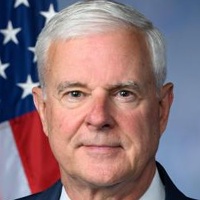
Steve Womack
Representative
AR
Steve Womack
Representative
AR
The Duty Drawback Clarification Act updates the U.S. tariff schedule to standardize the classification of whiskies under Chapter 22. This legislation removes an outdated whiskey classification code and requires the U.S. International Trade Commission to add new statistical tracking codes for imports. These changes will take effect 15 days after the Act is officially enacted.
This bill establishes a working group within the Department of Homeland Security to monitor, analyze, and counter transnational repression activities targeting individuals in the U.S. and abroad, requiring annual reports to Congress and the development of technologies to combat such repression.
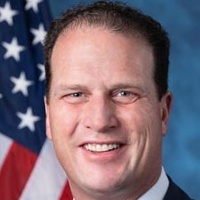
August Pfluger
Representative
TX
August Pfluger
Representative
TX
The Countering Transnational Repression Act of 2025 establishes a working group within the Department of Homeland Security to monitor and counter transnational repression activities, such as harassment and intimidation, targeting individuals in the U.S. by foreign governments. The working group will coordinate with intelligence agencies, review information from various partners, and provide annual reports to Congress on its findings and efforts. The Act also directs research and development into technologies to counter transnational repression, ensuring all activities comply with constitutional and privacy protections.
This bill prohibits the sale or release of petroleum products from the Strategic Petroleum Reserve to any entity owned, controlled, or influenced by the Chinese Communist Party, and bars exports of SPR oil to the People's Republic of China.
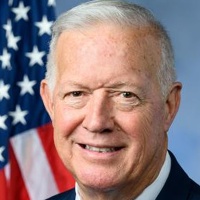
Randy Weber
Representative
TX
Randy Weber
Representative
TX
This bill, the Protecting America’s Strategic Petroleum Reserve from China Act, strictly prohibits the sale or release of oil from the U.S. Strategic Petroleum Reserve (SPR) to any entity owned, controlled, or influenced by the Chinese Communist Party. Furthermore, it prevents the sale of SPR products to non-Chinese buyers if those products are intended for export to the People's Republic of China. The legislation aims to safeguard U.S. energy reserves from benefiting the Chinese government.
The Medicare Enrollment Protection Act of 2025 establishes a special enrollment period for Medicare Part B for individuals transitioning off COBRA continuation coverage, preventing late enrollment penalties for that period.
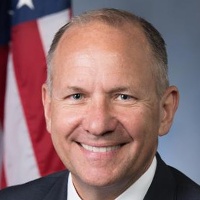
Lloyd Smucker
Representative
PA
Lloyd Smucker
Representative
PA
The Medicare Enrollment Protection Act of 2025 establishes a special enrollment period for individuals transitioning from COBRA continuation coverage to Medicare Part B. This allows those currently on COBRA when they become Medicare-eligible to sign up without incurring late enrollment penalties. The Act also clarifies how COBRA plans must treat individuals eligible for, but not yet enrolled in, Medicare Part B.
The Affordable Housing Credit Improvement Act of 2025 updates state allocation formulas, reforms tenant eligibility and credit determination rules, and enhances assistance for Native American and rural housing projects.
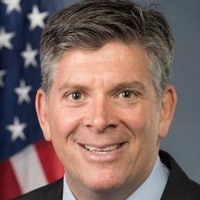
Darin LaHood
Representative
IL
Darin LaHood
Representative
IL
The Affordable Housing Credit Improvement Act of 2025 updates federal housing tax credit allocations to reflect current economic realities and boosts minimum state allotments. It reforms tenant eligibility rules to stabilize tenancy and enhance protections for vulnerable residents, including victims of abuse. The bill also provides disaster relief for property owners, increases incentives for housing the extremely low-income, and directs greater resources toward Native American and rural housing needs. Finally, it streamlines administrative processes and signals a future focus on data transparency and discouraging restrictive local zoning.
This Act establishes a federal registration, inspection, and record-keeping system for entities commercially dealing in human bodies or body parts donated for education or research, but not for transplantation.
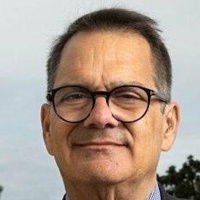
Gus Bilirakis
Representative
FL
Gus Bilirakis
Representative
FL
The Consensual Donation and Research Integrity Act of 2025 establishes a mandatory federal registration system for entities that sell human bodies or body parts for education or research, but not for transplantation. Registrants must provide detailed operational information, submit to inspections, and maintain rigorous records documenting donor consent and the chain of custody. The Act also mandates strict labeling, packaging, and privacy standards to ensure integrity throughout the process until final disposition.
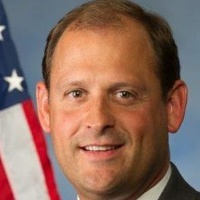
This Act promotes new bank formation by phasing in capital standards, adjusting business plan review timelines, offering temporary leverage ratio relief for rural institutions, expanding agricultural lending authority, and mandating a study on barriers to new bank creation.
Garland Barr
Representative
KY
Garland Barr
Representative
KY
The Promoting New Bank Formation Act aims to encourage the creation of new banks by providing regulatory relief for newly insured institutions. This includes a three-year phase-in period for new capital standards and streamlined processes for adjusting initial business plans. The Act also establishes temporary, favorable capital requirements for new rural depository institutions and expands lending authority for Federal savings associations to include agricultural loans. Finally, it mandates a study on barriers to new bank formation, especially in underserved areas.
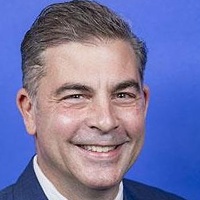
The CARE Act of 2025 mandates Medicare to test a new payment model covering emergency response services provided by ground ambulance companies even when patient transport does not occur.
Mike Carey
Representative
OH
Mike Carey
Representative
OH
The CARE Act of 2025 mandates that the Center for Medicare and Medicaid Innovation (CMMI) test a new payment model for emergency services. This model will allow Medicare to pay ground ambulance providers for emergency responses, even when a patient does not ultimately require transport under Medicare Part B. The five-year demonstration aims to evaluate the impact of covering these non-transport emergency responses on patient access and resource utilization.
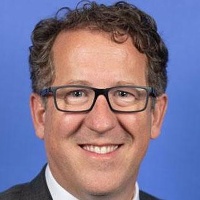
This bill excludes certain veterinary student loan repayments and forgiveness amounts from taxable income to encourage veterinarians to practice in rural areas.
Adrian Smith
Representative
NE
Adrian Smith
Representative
NE
The Rural Veterinary Workforce Act aims to encourage more veterinarians to serve in underserved rural areas by making participation in certain loan repayment or forgiveness programs more financially appealing. This bill amends the tax code to exclude amounts received through qualifying state or federal veterinary student loan repayment programs from being counted as taxable income. This tax benefit applies to amounts received for taxable years beginning after December 31, 2025.
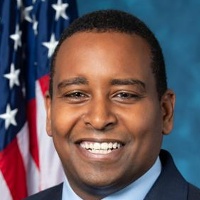
This Act allows states to use Preventive Health and Health Services Block Grant funds to purchase opioid antagonists for schools and provide related training and education to students and staff.
Joe Neguse
Representative
CO
Joe Neguse
Representative
CO
The Protecting Kids from Fentanyl Act of 2025 allows states to use Preventive Health and Health Services Block Grant funds to purchase life-saving opioid antagonists, such as naloxone, for schools. These funds can also cover essential training for school staff on administering the antagonists and providing fentanyl awareness education to students. This legislation aims to enhance school safety by equipping them to respond to opioid emergencies.