This bill temporarily funds the FAA using the Aviation Insurance Revolving Fund during a lapse in appropriations and extends non-premium war risk insurance provisions.
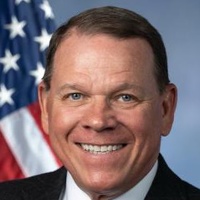
Sam Graves
Representative
MO-6
The Aviation Funding Solvency Act establishes a temporary mechanism to ensure the Federal Aviation Administration (FAA) can continue essential operations if Congress fails to pass regular appropriations. This allows the FAA Administrator to draw upon the Aviation Insurance Revolving Fund to maintain operations at the previous year's funding rate. The temporary funding ceases once a new appropriation or continuing resolution is enacted. The bill also makes a technical amendment regarding non-premium war risk insurance.
FAA Shutdown-Proofed: New Bill Allows Air Traffic Control to Stay Open During Government Lapses
The Aviation Funding Solvency Act (Sec. 1) is a short, targeted piece of legislation designed to keep the Federal Aviation Administration (FAA) running during a government shutdown. Essentially, it creates a temporary emergency fund for the FAA when Congress fails to pass a budget or continuing resolution before the fiscal year starts (Sec. 2).
If the money runs out, the FAA Administrator gets the green light to tap into the Aviation Insurance Revolving Fund to cover operations. This is specifically for the agency’s critical accounts: FAA—Operations and FAA—Facilities and Equipment. The goal is to ensure that essential services, like air traffic control, don't grind to a halt, which would ground commercial air travel and cause massive economic disruption.
The Shutdown Safety Net
For anyone who has had their travel plans ruined by a government shutdown—or just worries about the safety implications of an unfunded FAA—this bill offers a clear mechanism for continuity. The funding is capped at the spending rate of the previous fiscal year, meaning the FAA can keep the lights on and the planes flying, but they can’t launch any new, expensive projects during the lapse (Sec. 2).
Crucially, the bill mandates a specific priority: If the money in the Revolving Fund isn't enough to cover everything, the Administrator must prioritize paying the compensation for employees in the Air Traffic Organization first (Sec. 2). This means the people keeping planes separated in the sky will still get paid, which is huge for staffing stability and safety.
The Real-World Trade-Off
While this is great news for travelers, pilots, and logistics companies, the mechanism relies on drawing down a specific reserve fund. The Aviation Insurance Revolving Fund is usually there to cover war risk insurance and other liabilities for the aviation industry. To protect this reserve, the bill includes a hard stop: the temporary funding authority terminates if using the fund would cause its balance to drop below $1 billion (Sec. 2). This acts as a protective floor, ensuring the fund doesn't get completely drained by a prolonged budget fight.
Any money spent under this temporary authority is just an advance; it gets charged against the eventual regular appropriation bill once Congress finally gets around to passing it. Think of it as an interest-free loan from one part of the government to another, used only when the main funding stream is blocked.
Finally, the bill includes a minor technical update in Section 3, removing an outdated subsection related to non-premium war risk insurance from existing law (Section 44310 of title 49, United States Code). This is the kind of clean-up work that policy wonks love, simplifying the code without changing the substance of who is covered.