Legislative Activity
Track Derek's sponsored bills, co-sponsored legislation, and voting record
The WARN Act directs the Comptroller General to study and report on the effectiveness of weather alert systems to improve community emergency response plans and public safety.

Nicholas Langworthy
Representative
NY
Nicholas Langworthy
Representative
NY
The WARN Act aims to improve community safety during weather emergencies by directing the Comptroller General to study the effectiveness of local, state, territory, and federal emergency alert systems. The study will assess alert dissemination methods, evaluate the clarity and actionability of alert content, and explore improvements to public alerting systems. A report on the study's findings will be submitted to Congress within 18 months, with the goal of enhancing emergency response plans and public safety.
This bill reaffirms the Farm Credit Administration’s status as an independent regulator and mandates that Farm Credit System institutions collect and report voluntary demographic data from small farmer loan applicants.
Brad Finstad
Representative
MN
Brad Finstad
Representative
MN
The Farm Credit Administration Independent Authority Act reaffirms the Farm Credit Administration’s role as the sole independent regulator of the Farm Credit System. The bill establishes a new, voluntary process for collecting and publicly reporting demographic data on small farmer loan applicants to ensure transparency while protecting borrower privacy. Additionally, it provides regulatory consistency by exempting Farm Credit System institutions from overlapping requirements under the Equal Credit Opportunity Act.
The Marc Fischer Memorial Act mandates the implementation of a comprehensive digital mail scanning strategy across all federal prisons to detect and interdict synthetic drugs like fentanyl.

Don Bacon
Representative
NE
Don Bacon
Representative
NE
The Marc Fischer Memorial Act mandates that the Bureau of Prisons implement a comprehensive strategy to achieve 100% digital scanning of all inmate mail to interdict fentanyl and other synthetic drugs. By transitioning to digital mail processing, the Act aims to protect staff and inmates from lethal exposure, improve institutional security, and alleviate the administrative burden on correctional personnel.
The Protect Our Letter Carriers Act of 2025 authorizes $7 billion to upgrade postal security infrastructure while mandating dedicated federal prosecutors for postal crimes and increasing sentencing guidelines for assaults against postal employees.

Brian Fitzpatrick
Representative
PA
Brian Fitzpatrick
Representative
PA
The Protect Our Letter Carriers Act of 2025 aims to enhance the safety of postal workers by funding high-security infrastructure upgrades, including electronic mailbox keys. The bill also mandates the appointment of dedicated federal prosecutors for postal crimes in every judicial district and requires stricter sentencing guidelines for those who assault or rob postal employees.
This bill incentivizes land conservation for military readiness by excluding gains from the sale of property to qualified organizations for Readiness and Environmental Protection Integration (REPI) purposes from gross income.
Gregory Murphy
Representative
NC
Gregory Murphy
Representative
NC
This bill, called the "Incentivizing Readiness and Environmental Protection Integration Sales Act of 2025," allows taxpayers to exclude gains from their gross income when selling real property interests to qualified organizations for Readiness and Environmental Protection Integration (REPI) program purposes. The exclusion does not apply to sales by pass-through entities within three years of acquisition, with an exception for family-owned entities. This exclusion encourages land conservation and military readiness. It applies to taxable years beginning after the bill's enactment.
This bill directs the Department of Education to consider the International Holocaust Remembrance Alliance's definition of antisemitism when evaluating discrimination complaints under Title VI of the Civil Rights Act of 1964, while also protecting First Amendment rights.
Michael Lawler
Representative
NY
Michael Lawler
Representative
NY
The Antisemitism Awareness Act of 2025 requires the Department of Education to consider the International Holocaust Remembrance Alliance's definition of antisemitism when evaluating discrimination complaints under Title VI of the Civil Rights Act of 1964, concerning race, color, and national origin. This aims to address rising antisemitism in educational settings. The Act clarifies that it does not expand the Department of Education's authority, change existing discrimination standards, reduce existing rights, or infringe upon First Amendment rights.
The PATROL Act prevents the federal government from using the Rivers and Harbors Act of 1899 to legally challenge state-led efforts to construct physical border barriers.
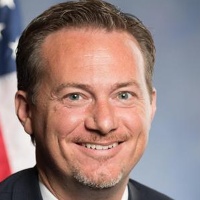
Michael Cloud
Representative
TX
Michael Cloud
Representative
TX
The PATROL Act (Preventing Aliens Through Rivers or Land Act) prohibits the federal government from using the Rivers and Harbors Act of 1899 to legally challenge states that construct physical barriers along their international borders. This legislation aims to protect state-led border security initiatives, such as walls, fences, or floating buoys, from federal civil lawsuits.
Mandates the prompt release of immigration status information to state officials for voter eligibility verification.

Beth Van Duyne
Representative
TX
Beth Van Duyne
Representative
TX
The "Voter Eligibility Verification Act of 2025" aims to ensure accurate voter rolls by requiring the prompt release of immigration status information to state officials. The Attorney General or Secretary of State must receive an individual's immigration status within 15 days of requesting it, including for potential voters. This will allow states to verify the eligibility of individuals for voter registration.
This resolution prohibits the distribution of Chinese Communist Party-controlled publications within all U.S. House of Representatives facilities.

Abraham Hamadeh
Representative
AZ
Abraham Hamadeh
Representative
AZ
This resolution directs the Chief Administrative Officer of the House to immediately cease the distribution of *China Daily* and other Chinese Communist Party-controlled publications within all House facilities and mail systems. By prohibiting these materials, the bill aims to protect the institution from foreign propaganda and influence operations. The policy does not restrict private receipt of these materials by Members or staff, nor does it affect access through research facilities or the Library of Congress.
The Love Lives On Act of 2025 ensures that surviving spouses of veterans and service members retain their earned dependency compensation, survivor benefits, and TRICARE eligibility regardless of remarriage.

Richard Hudson
Representative
NC
Richard Hudson
Representative
NC
The Love Lives On Act of 2025 ensures that surviving spouses of veterans and service members retain their earned benefits, including dependency and indemnity compensation, educational assistance, and Survivor Benefit Plan annuities, regardless of remarriage. Additionally, the bill expands TRICARE eligibility to include widows and widowers whose subsequent marriages have ended. This legislation protects the financial security and healthcare access of surviving families by removing penalties associated with remarriage.
This bill prohibits state and local governments from imposing special taxes, insurance requirements, or user fees as a condition for the ownership, manufacture, or transfer of firearms and ammunition.
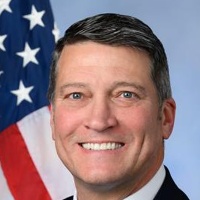
Ronny Jackson
Representative
TX
Ronny Jackson
Representative
TX
The "No User Fees for Gun Owners Act" prohibits state and local governments from imposing special taxes, insurance requirements, or user fees as a condition for owning, manufacturing, or transferring firearms and ammunition. The bill ensures that firearms are only subject to standard, generally applicable sales taxes, preventing discriminatory financial barriers to gun ownership.
This act mandates that the Small Business Administration ensure its rulemaking imposes zero net costs on small businesses starting in fiscal year 2026.
Beth Van Duyne
Representative
TX
Beth Van Duyne
Representative
TX
The Small Business Regulatory Reduction Act mandates that the Small Business Administration (SBA) ensure its rulemaking process imposes zero net costs on small businesses starting in fiscal year 2026. Additionally, the bill requires the SBA to submit an annual report to Congress detailing the regulatory impact of all federal agency rules on small business concerns. These requirements must be fulfilled using existing agency resources without additional funding.
The IGO Anti-Boycott Act expands existing anti-boycott regulations to include international governmental organizations and mandates an annual public report on all such boycott activities.
Michael Lawler
Representative
NY
Michael Lawler
Representative
NY
The IGO Anti-Boycott Act expands existing federal law to prohibit participation in boycotts fostered or imposed by international governmental organizations, not just those by foreign countries. Additionally, the bill mandates that the President submit and publish an annual report detailing all international boycotts covered by these restrictions.
This bill provides a 6.62 percent Medicare payment increase for physicians and practitioners from April through December 2025 to help stabilize medical practices.
Gregory Murphy
Representative
NC
Gregory Murphy
Representative
NC
The Medicare Patient Access and Practice Stabilization Act of 2025 aims to support healthcare providers by extending Medicare payment adjustments through the end of 2025. Specifically, the bill provides a 6.62 percent payment increase for services rendered between April 1, 2025, and December 31, 2025, to help practitioners adjust to evolving Medicare payment policies.
The 287(g) Program Protection Act mandates that the Department of Homeland Security enter into immigration enforcement agreements with state and local law enforcement agencies upon request and establishes new oversight, reporting, and funding requirements for the program.
Michael Cloud
Representative
TX
Michael Cloud
Representative
TX
The 287(g) Program Protection Act mandates that the Department of Homeland Security enter into immigration enforcement agreements with any state or local law enforcement agency that requests one. The bill streamlines the approval process, protects existing agreements from arbitrary termination, and requires the Secretary to provide annual performance reports and recruitment plans to expand the program. Additionally, it establishes uniform training standards and reallocates funding to support these state and local partnerships.
This bill expresses the House of Representatives' desire to keep the United States Postal Service (USPS) as an independent entity within the Federal Government, protecting it from privatization. It emphasizes the USPS's importance to the mailing industry, its role in connecting communities, and the potential negative impacts of privatization on prices, services, and infrastructure.

Stephen Lynch
Representative
MA
Stephen Lynch
Representative
MA
This bill expresses the House of Representatives' view that Congress should act to maintain the United States Postal Service (USPS) as an independent entity within the Federal Government. It emphasizes the USPS's role as a self-sustaining service vital to the economy and national connectivity. The resolution discourages privatization, citing concerns about increased costs, reduced services, and damage to critical infrastructure.
The Stop Illegal Reentry Act increases criminal penalties and establishes mandatory minimum prison sentences for aliens who reenter the United States after being previously removed or denied admission.

Stephanie Bice
Representative
OK
Stephanie Bice
Representative
OK
The Stop Illegal Reentry Act amends the Immigration and Nationality Act to increase criminal penalties for individuals who reenter the United States after being previously denied admission, excluded, or removed. The bill establishes tiered sentencing guidelines, including mandatory minimums for repeat offenders and those with prior aggravated felony convictions. These measures aim to strengthen enforcement against illegal reentry through more severe fines and extended prison terms.
This bill recognizes the significant contributions of tax-exempt fraternal benefit societies to communities across the United States through charitable activities, volunteer work, and financial support for their members, and expresses Congressional support for their continued promotion.

Darin LaHood
Representative
IL
Darin LaHood
Representative
IL
This bill recognizes the significant historical and ongoing contributions of tax-exempt fraternal benefit societies to communities across the United States through charitable activities, volunteer work, and financial support for members. It expresses the sense of Congress that these societies are a valuable support system that addresses unmet needs and generates substantial returns to the U.S. through their tax-exempt status. The bill also advocates for the continued promotion of fraternal benefit societies.
The Regulation Decimation Act mandates that federal agencies repeal ten existing regulations for every new rule issued, while requiring that the costs of any new major rule be offset by the repeal of existing ones.
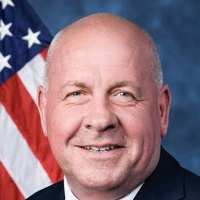
David Taylor
Representative
OH
David Taylor
Representative
OH
The Regulation Decimation Act mandates that federal agencies repeal ten existing regulations for every new rule they issue. For major rules, agencies must also ensure that the cost of the new regulation is offset by the cost savings of the repealed rules. Additionally, the bill requires agencies to conduct comprehensive reviews to identify and eliminate outdated or ineffective regulatory requirements.
The Main Street Tax Certainty Act makes the 20% pass-through business income deduction permanent by removing its scheduled expiration after 2025.
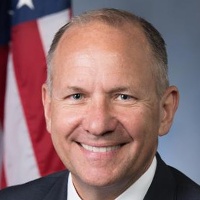
Lloyd Smucker
Representative
PA
Lloyd Smucker
Representative
PA
The Main Street Tax Certainty Act makes the 20% pass-through business income deduction permanent. By removing the current 2025 expiration date, this legislation ensures long-term tax relief for owners of qualified pass-through entities.