Legislative Activity
Track Derek's sponsored bills, co-sponsored legislation, and voting record
This bill mandates the dissolution of the Federal Insurance Office and redistributes its regulatory and oversight responsibilities to the Secretary of the Treasury and other federal financial agencies.
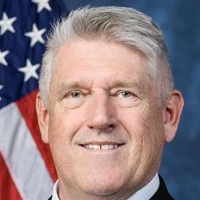
Troy Downing
Representative
MT
Troy Downing
Representative
MT
The Federal Insurance Office Elimination Act proposes the dissolution of the Federal Insurance Office (FIO) within the Department of the Treasury. This legislation removes the FIO from various financial oversight and regulatory processes, reassigning its responsibilities to the Secretary of the Treasury, the Federal Reserve, and other relevant agencies.
The End Unaccountable Amnesty Act reforms immigration policy by restricting executive authority over Temporary Protected Status and parole, tightening eligibility for unaccompanied children, repealing cancellation of removal, and prohibiting the use of certain government documents for air travel.
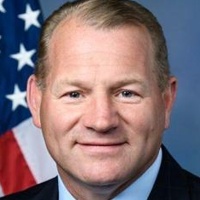
Troy Nehls
Representative
TX
Troy Nehls
Representative
TX
The **End Unaccountable Amnesty Act** seeks to restrict executive authority over immigration by shifting Temporary Protected Status (TPS) and parole designations to congressional oversight. The bill also tightens eligibility for unaccompanied minors, repeals "cancellation of removal" as a form of immigration relief, and prohibits the use of certain DHS-issued documents for air travel. Additionally, it imposes strict annual caps on parole grants and mandates the removal of sponsors who are unlawfully present in the United States.
This bill prohibits federal funding for abortions and for health insurance plans that cover abortions, clarifies these prohibitions under the Affordable Care Act, and requires health plans to disclose the extent of their abortion coverage and any related surcharges.
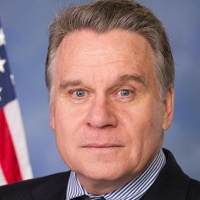
Christopher Smith
Representative
NJ
Christopher Smith
Representative
NJ
The "No Taxpayer Funding for Abortion and Abortion Insurance Full Disclosure Act of 2025" seeks to prohibit the use of federal funds for abortions and for health plans that cover abortions, while allowing individuals and entities to purchase separate abortion coverage with non-federal funds. It clarifies that premium tax credits and cost-sharing reductions under the Affordable Care Act (ACA) cannot be used for health plans that include abortion coverage. The Act also revises notice requirements for health plans, mandating clear disclosure of abortion coverage and any associated premium surcharges to enrollees. Exceptions to the funding restrictions are included for cases of rape, incest, or when the mother's life is in danger.
The 911 SAVES Act mandates the reclassification of public safety telecommunicators as "Protective Service Occupations" within the federal Standard Occupational Classification system to accurately reflect their critical role in emergency response.
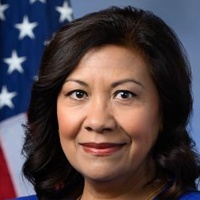
Norma Torres
Representative
CA
Norma Torres
Representative
CA
The 911 SAVES Act mandates that the Office of Management and Budget reclassify public safety telecommunicators as "Protective Service Occupations" within the federal Standard Occupational Classification system. This legislation recognizes the critical, high-stress, and lifesaving nature of 911 dispatchers, correcting their current misclassification to better reflect their essential role in emergency response.
This bill proposes a constitutional amendment to permanently set the number of Supreme Court justices at nine, requiring ratification by three-fourths of the states within seven years.
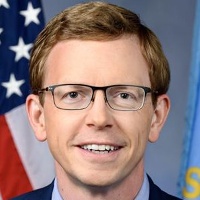
Dusty Johnson
Representative
SD
Dusty Johnson
Representative
SD
This bill proposes a constitutional amendment to fix the number of Supreme Court justices at nine. For this amendment to be valid, three-fourths of the state legislatures must ratify it within seven years of its submission.
The Reining In Federal Licensing Enforcement (RIFLE) Act of 2025 reforms federal firearms licensing by establishing graduated penalty structures, enhancing due process protections for dealers, and limiting the Attorney General's authority in enforcement and revocation proceedings.
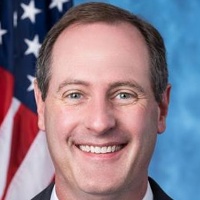
Tracey Mann
Representative
KS
Tracey Mann
Representative
KS
The Reining In Federal Licensing Enforcement (RIFLE) Act of 2025 reforms the federal firearms licensing system by establishing a graduated penalty structure that distinguishes between unintentional and willful violations. The bill mandates increased procedural protections for licensees, including expanded notice requirements, opportunities to cure violations, and the right to formal administrative hearings and judicial review. Additionally, it sets stricter standards for proving "willful" violations, provides a 90-day window for inventory liquidation upon license termination, and requires the Attorney General to establish formal, public standards for inspections and enforcement actions.
Sarah’s Law mandates the detention of noncitizens charged with crimes resulting in death or serious bodily injury and requires the Department of Homeland Security to provide timely updates to victims or their families.
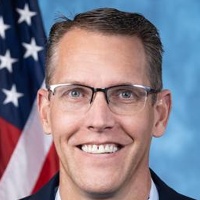
Randy Feenstra
Representative
IA
Randy Feenstra
Representative
IA
Sarah’s Law mandates the detention of noncitizens who are charged with or convicted of crimes resulting in death or serious bodily injury. The bill also requires the Department of Homeland Security to issue detainers for these individuals and provide victims or their families with timely, ongoing updates regarding the offender's immigration and custody status.
The Birthright Citizenship Act of 2025 limits automatic birthright citizenship to children born in the U.S. to at least one parent who is a U.S. citizen, a lawful permanent resident, or an alien serving in the U.S. armed forces.
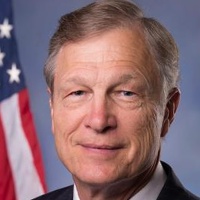
Brian Babin
Representative
TX
Brian Babin
Representative
TX
The Birthright Citizenship Act of 2025 proposes to limit automatic birthright citizenship to children born in the United States who have at least one parent who is a U.S. citizen, a lawful permanent resident, or an alien serving in the U.S. armed forces. This legislation would exclude children born to parents without legal status or those on temporary visas from receiving automatic citizenship. These changes would apply only to individuals born on or after the date of the Act's enactment.
This bill removes the lesser prairie-chicken from the Endangered Species Act and permanently prohibits its future listing as a threatened or endangered species.
Tracey Mann
Representative
KS
Tracey Mann
Representative
KS
This bill mandates the immediate removal of the lesser prairie-chicken from the federal lists of threatened and endangered species. Furthermore, it amends the Endangered Species Act to permanently prohibit the Secretary of the Interior from designating the species as threatened or endangered in the future.
The Pet Food Uniform Regulatory Reform (PURR) Act of 2025 establishes a streamlined, uniform federal regulatory framework for pet food labeling, ingredient review, and marketing to replace inconsistent state-level requirements.
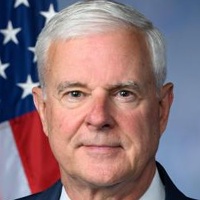
Steve Womack
Representative
AR
Steve Womack
Representative
AR
The Pet Food Uniform Regulatory Reform (PURR) Act of 2025 establishes a streamlined, uniform federal regulatory framework for pet food to replace the current patchwork of state-level requirements. By centralizing oversight under the FDA’s Center for Veterinary Medicine, the bill standardizes ingredient reviews, labeling, and marketing claims to improve marketplace certainty and innovation. Ultimately, this Act aims to enhance the nationwide availability of safe, nutritious, and affordable food for companion animals.
This bill amends the Immigration and Nationality Act to deem aliens convicted of or admitting to committing sex offenses, domestic violence, stalking, child abuse, or violating protection orders as inadmissible and deportable. It broadens the definition of crimes against children to include domestic violence, regardless of grant funding status.

Nancy Mace
Representative
SC
Nancy Mace
Representative
SC
The "Preventing Violence Against Women by Illegal Aliens Act" amends the Immigration and Nationality Act to deem aliens inadmissible and deportable if they have committed or admitted to acts constituting sex offenses, domestic violence, stalking, child abuse, or violating protection orders. It broadens the definition of crimes against children to include any crime constituting domestic violence.
The FAITH in Small Business Act codifies equal access for faith-based organizations to participate in Small Business Administration loan and disaster assistance programs.
Tracey Mann
Representative
KS
Tracey Mann
Representative
KS
The FAITH in Small Business Act codifies into law the Small Business Administration’s 2021 rule ensuring equal access to loan and disaster assistance programs for faith-based organizations. This legislation guarantees that these entities can participate in federal support programs without compromising their religious character or independence.
This bill mandates the implementation of the Migrant Protection Protocols, requiring the Secretary of Homeland Security to return qualifying noncitizens arriving from contiguous countries to Mexico or Canada during their immigration proceedings.
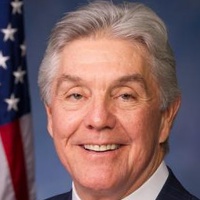
Roger Williams
Representative
TX
Roger Williams
Representative
TX
The Make the Migrant Protection Protocols Mandatory Act of 2025 amends the Immigration and Nationality Act to require, rather than permit, the return of certain noncitizens to Mexico or Canada while their immigration proceedings are pending. This legislation removes discretionary authority from the Department of Homeland Security, effectively mandating the implementation of the "Remain in Mexico" policy.
The AMERICANS Act provides remedies, reinstatement, and record expungement for military service members who faced adverse actions or discharge due to the COVID-19 vaccine mandate.
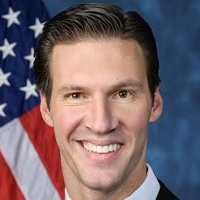
Pat Harrigan
Representative
NC
Pat Harrigan
Representative
NC
The AMERICANS Act of 2025 provides relief to military service members who faced discharge or adverse action due to the COVID-19 vaccine mandate. The bill mandates the correction of service records, offers pathways for reinstatement and back pay, and prohibits future COVID-19 vaccine mandates without explicit Congressional authorization. Additionally, it establishes clear exemption processes for deployment and ensures equal professional treatment for unvaccinated personnel.
This bill increases the railroad track maintenance tax credit, introduces annual inflation adjustments, and extends the eligibility period for qualifying expenditures.
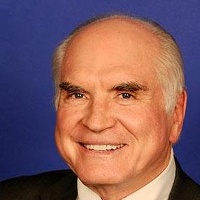
Mike Kelly
Representative
PA
Mike Kelly
Representative
PA
This bill amends the Internal Revenue Code to expand the railroad track maintenance credit by increasing the per-mile tax credit to $6,100 and implementing annual inflation adjustments starting in 2026. It also extends the eligibility window for qualifying maintenance expenditures to include costs incurred through 2023. These updates aim to provide greater financial support for ongoing railroad infrastructure improvements.
The Chiropractic Medicare Coverage Modernization Act of 2025 expands Medicare coverage to include all services provided by doctors of chiropractic that are within the scope of their state licensure.
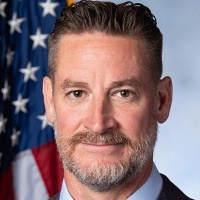
W. Steube
Representative
FL
W. Steube
Representative
FL
The Chiropractic Medicare Coverage Modernization Act of 2025 expands Medicare coverage to include all services legally authorized under a chiropractor’s state license, moving beyond the current restriction limited to manual spinal manipulation. This legislation aligns Medicare benefits with private insurance and other federal health programs to better reflect modern chiropractic practice. To provide these expanded services, chiropractors will be required to complete a one-time training program verified by the Secretary of Health and Human Services.
This bill reclassifies silencers under federal tax law, removes federal registration requirements for legally transferred silencers, preempts state taxation and registration of silencers in commerce, and mandates the destruction of existing federal silencer registration records.

Ben Cline
Representative
VA
Ben Cline
Representative
VA
The Hearing Protection Act aims to remove silencers from the purview of the National Firearms Act (NFA) by treating them similarly to standard firearms under federal tax law. This legislation preempts certain state and local taxes and registration requirements related to silencers involved in interstate commerce. Furthermore, the bill mandates the destruction of existing federal silencer registration records and updates federal marking requirements for manufacturers.
The Seventh Amendment Restoration Act allows individuals facing administrative agency hearings to transfer their cases to federal district court for judicial review.
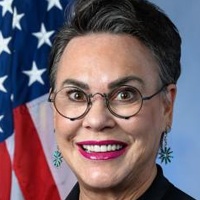
Harriet Hageman
Representative
WY
Harriet Hageman
Representative
WY
The Seventh Amendment Restoration Act empowers individuals facing administrative agency hearings to transfer their cases to federal district court. By allowing respondents to move these proceedings before a federal judge, the bill aims to ensure the right to a jury trial and provide greater judicial oversight of agency actions.
The Regulation Reduction Act of 2025 mandates that federal agencies repeal at least three existing regulations for every new rule issued, ensuring that the costs of new major rules are fully offset by the elimination of previous ones.
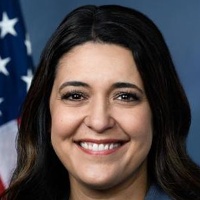
Stephanie Bice
Representative
OK
Stephanie Bice
Representative
OK
The Regulation Reduction Act of 2025 mandates that federal agencies repeal at least three existing regulations before issuing any new rule. For major rules, the legislation further requires that the cost of the new regulation be offset by the cost savings of the repealed rules. Additionally, the bill directs agencies to conduct a comprehensive review to identify and eliminate outdated, duplicative, or ineffective regulatory burdens.
The PRECEPT Nurses Act establishes a $2,000 tax credit for eligible healthcare professionals who provide clinical supervision to nursing students and newly hired nurses in designated shortage areas.
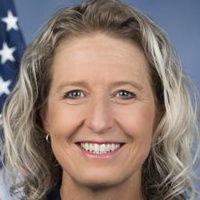
Jennifer Kiggans
Representative
VA
Jennifer Kiggans
Representative
VA
The PRECEPT Nurses Act establishes a $2,000 annual tax credit for eligible healthcare professionals who provide at least 200 hours of clinical supervision to nursing students or newly hired nurses in designated health professional shortage areas. This initiative, effective from 2026 through 2032, aims to address nursing shortages by incentivizing hands-on training and mentorship. The bill also mandates periodic reporting to Congress to evaluate the program's effectiveness in expanding the nursing workforce.