Legislative Activity
Track Bryan's sponsored bills, co-sponsored legislation, and voting record
This Act establishes the Floodplain Enhancement and Recovery Act to promote ecosystem restoration projects by exempting them from certain map change fees and streamlining approval processes within regulatory floodways.
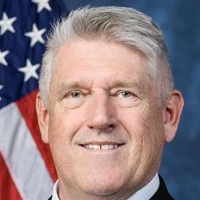
Troy Downing
Representative
MT
Troy Downing
Representative
MT
The Floodplain Enhancement and Recovery Act aims to promote ecosystem restoration projects in floodplains by streamlining regulatory processes. This bill exempts such projects from certain map change fees and allows for conditional approval within regulatory floodways under specific engineering and safety criteria. Ultimately, it directs FEMA to issue guidance to facilitate these beneficial restoration efforts.
This bill officially renames the U.S. Postal Service facility at 202 South Chestnut Avenue in Marshfield, Wisconsin, as the "Army Corporal Gordon Gordy Richard Schmoll Post Office Building."
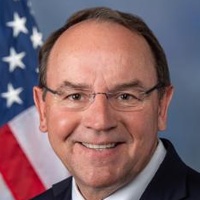
Thomas Tiffany
Representative
WI
Thomas Tiffany
Representative
WI
This bill officially designates the United States Postal Service facility at 202 South Chestnut Avenue in Marshfield, Wisconsin, as the "Army Corporal Gordon 'Gordy' Richard Schmoll Post Office Building." This action ensures the facility will be known by this name in all official records and documents.
This resolution commemorates the 50th anniversary of the sinking of the S.S. Edmund Fitzgerald, honoring the lost crew and recognizing the resulting maritime safety improvements.
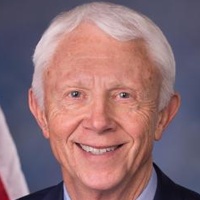
Jack Bergman
Representative
MI
Jack Bergman
Representative
MI
This resolution commemorates the 50th anniversary of the sinking of the S.S. Edmund Fitzgerald on November 10, 1975. It honors the memory of the 29 crew members lost in the tragedy on Lake Superior. Furthermore, the bill recognizes the ship's historical significance and the vital safety improvements that resulted from the disaster.
This bill authorizes HUD to award grants to local entities to select pre-approved housing designs for mixed-income developments to accelerate construction.
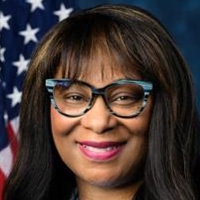
Janelle Bynum
Representative
OR
Janelle Bynum
Representative
OR
This bill, the Accelerating Home Building Act, authorizes the Secretary of Housing and Urban Development to award grants to local entities. These grants will help eligible entities select pre-reviewed construction designs for use in building mixed-income, low-rise or mid-rise housing structures. The goal is to speed up housing approvals by utilizing designs already vetted for local building codes, though the funds cannot be used for actual construction.
The Shutdown Fairness Act guarantees pay for essential federal employees and contractors required to work during a lapse in appropriations, effective retroactively to September 30, 2025.
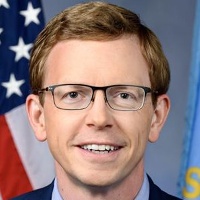
Dusty Johnson
Representative
SD
Dusty Johnson
Representative
SD
The Shutdown Fairness Act ensures that federal employees and contractors deemed essential are automatically paid for the work they perform during a lapse in appropriations, starting in fiscal year 2026. This automatic funding mechanism from the Treasury covers standard pay and benefits for excepted employees until Congress passes a full-year budget. Once regular funding is enacted, these payments are charged against the agency's final appropriation.
The PEACE Act establishes U.S. policy supporting Armenian and Azerbaijani sovereignty, authorizes sanctions against Azerbaijan for hostile actions against Armenia, and encourages a comprehensive peace agreement.
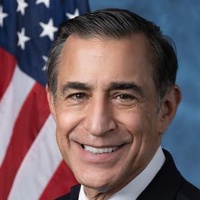
Darrell Issa
Representative
CA
Darrell Issa
Representative
CA
The PEACE Act establishes a U.S. policy supporting the sovereignty and territorial integrity of Armenia and Azerbaijan while strongly encouraging a comprehensive peace agreement between the two nations. It mandates the imposition of sanctions on Azerbaijani officials, military units, and associated entities if they engage in hostile military action against Armenia. Furthermore, the Act outlines specific reporting requirements for the President to keep Congress informed about the situation and the implementation of these measures.
This Act automatically provides 14-day continuing appropriations for federal programs at the previous funding level until Congress passes a new budget, effective September 30, 2025.
Dusty Johnson
Representative
SD
Dusty Johnson
Representative
SD
The Eliminate Shutdowns Act establishes an automatic, 14-day continuing appropriation mechanism to keep federal programs operational if Congress fails to pass a new budget by the start of the fiscal year. This funding continues to renew every 14 days until a full appropriation is enacted, ensuring essential services remain active. The Act also includes specific budgetary rules for counting this funding and sets an effective date of September 30, 2025.
This resolution honors the life and legacy of Charles "Charlie" James Kirk, condemns his assassination as political violence, and calls for a renewed commitment to civil discourse and American founding principles.

Mike Johnson
Representative
LA
Mike Johnson
Representative
LA
This resolution honors the life and legacy of Charles "Charlie" James Kirk, founder of Turning Point USA. It strongly condemns his assassination as an act of political violence. The bill calls for a renewed national commitment to civil discourse and the founding principles of the United States.
This bill reauthorizes and extends funding for the Special Diabetes Programs through fiscal year 2030 at \$160 million annually.

Diana DeGette
Representative
CO
Diana DeGette
Representative
CO
The Special Diabetes Program Reauthorization Act of 2025 extends critical funding for the Special Diabetes Programs supporting Type 1 diabetes research and prevention. This bill commits $160 million annually for the program from fiscal years 2026 through 2030. The legislation ensures continued support for these vital diabetes initiatives over the next five years.
This Act ensures the automatic continuation of pay for active duty military personnel and essential civilian support staff if Congress fails to pass a budget for fiscal year 2026.
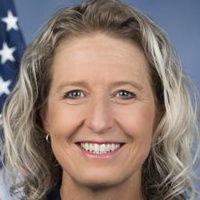
Jennifer Kiggans
Representative
VA
Jennifer Kiggans
Representative
VA
The Pay Our Troops Act of 2026 ensures that active duty military personnel and essential civilian support staff continue to receive their pay if Congress has not yet passed the full budget for fiscal year 2026. This act provides automatic continuing appropriations from the Treasury to prevent a lapse in military salaries due to budget delays. The funding automatically terminates once a new budget or continuing resolution is passed, or on January 1, 2027, whichever comes first.
This resolution strongly condemns the assassination of Charlie Kirk and calls for national change inspired by his life and tragic death.
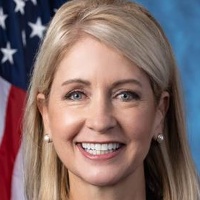
Mary Miller
Representative
IL
Mary Miller
Representative
IL
This resolution strongly condemns the assassination of conservative activist Charlie Kirk on September 10, 2025, during his national speaking tour. It honors his life, his founding of Turning Point USA, and his dedication to conservative principles. Ultimately, the document calls for national unity and reaffirms the commitment to protecting the right to peaceful assembly and free expression.
This resolution condemns the assassination of Charlie Kirk and honors his life, legacy, and commitment to civil discourse.
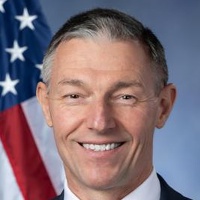
Mike Kennedy
Representative
UT
Mike Kennedy
Representative
UT
This resolution condemns the assassination of conservative activist Charlie Kirk and extends condolences to his family. It honors his life and legacy, recognizing his founding of Turning Point USA and his commitment to encouraging civil discourse on college campuses.
This resolution formally condemns the assassination of Charlie Kirk and reaffirms the right to peaceful assembly against political violence.
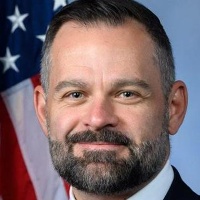
Cory Mills
Representative
FL
Cory Mills
Representative
FL
This resolution formally condemns the horrific political assassination of conservative spokesman Charlie Kirk on September 10, 2025, in Orem, Utah. It expresses deep condolences to his family and recognizes the bravery of the first responders at the scene. Ultimately, the measure reaffirms the fundamental American right to peaceful assembly and stands firmly against political violence.
This Act limits the sharing of consumer reports requested in connection with a residential mortgage loan to prevent unauthorized access to homebuyers' sensitive financial information.
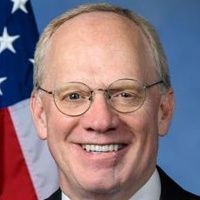
John Rose
Representative
TN
John Rose
Representative
TN
The Homebuyers Privacy Protection Act limits how consumer reporting agencies can share a consumer's report when it is requested in connection with a residential mortgage loan. Reports can only be shared with entities directly involved in the consumer's current mortgage or those providing a firm offer of credit or insurance. The Act also mandates a study by the GAO regarding the use and impact of "trigger leads" derived from credit checks.
This Act establishes a multi-sector Task Force, led by the Treasury Secretary, to study, recommend strategies for, and report on preventing evolving electronic payment scams.
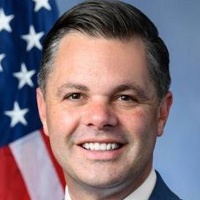
Zachary (Zach) Nunn
Representative
IA
Zachary (Zach) Nunn
Representative
IA
The Taskforce for Recognizing and Averting Payment Scams Act (TRAPS Act) establishes a new Task Force led by the Secretary of the Treasury. This diverse group, including federal agencies, industry experts, and consumer advocates, will study evolving payment scams. The Task Force is charged with developing cross-sector prevention strategies and submitting comprehensive recommendations for new laws and improved coordination to combat these fraudulent activities.
This bill expedites security assistance to Middle Eastern and North African partners who normalize relations with Israel and cooperate against Iranian threats, while safeguarding Israel's qualitative military edge.

Michael Lawler
Representative
NY
Michael Lawler
Representative
NY
The Abraham Accords Defense Against Terror Act expedites security assistance and defense sales to Middle Eastern and North African countries that have normalized relations with Israel and cooperate against Iranian threats. This process requires a shortened 15-day congressional notification period from the President for approved transfers. Furthermore, the State Department must submit regular, public reports detailing the security strategy, threat assessments, and progress in countering Iranian proxies. Crucially, the Act ensures that these provisions do not undermine Israel's qualitative military edge.
This Act mandates that television advertisements for prescription drugs and biologics covered by Medicare or Medicaid must clearly display the list price for a standard supply.
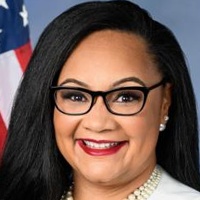
Nikema Williams
Representative
GA
Nikema Williams
Representative
GA
The Plain Prescription Prices Act mandates that television advertisements for prescription drugs and biologics covered by Medicare or Medicaid must clearly display the list price for a standard supply. This aims to increase transparency by ensuring consumers see the cost information directly in drug advertisements. The Secretary of Health and Human Services will establish the specific rules and enforcement mechanisms for this price disclosure.
The Supporting Apprenticeship Colleges Act of 2025 establishes grant programs to boost outreach for construction and manufacturing apprenticeships and to fund academic advising and student support services for apprentices in those fields.
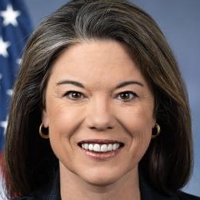
Angie Craig
Representative
MN
Angie Craig
Representative
MN
The Supporting Apprenticeship Colleges Act of 2025 establishes two grant programs totaling \$10 million annually to boost construction and manufacturing apprenticeships. The first program funds community outreach to recruit students and connect programs with local employers, particularly in rural areas. The second program provides funds for expanded academic advising and student support services to improve program retention and completion rates. The Act also formally defines specialized apprenticeship colleges and sets reporting requirements for grant recipients.
This bill directs the U.S. Postal Service to assign single, unique ZIP Codes to 66 specific communities across the nation.
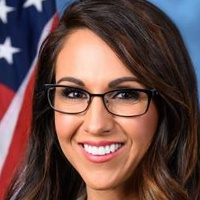
Lauren Boebert
Representative
CO
Lauren Boebert
Representative
CO
This bill directs the United States Postal Service (USPS) to assign a single, unique ZIP Code to 66 specific communities across numerous states. The USPS is required to complete this designation process within 270 days of the law's enactment. This measure aims to ensure these designated towns and areas each have their own distinct postal code.
This bill mandates the U.S. Postal Service to establish new, unique ZIP Codes for eight specific communities across the country.
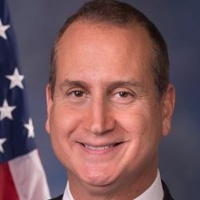
Mario Diaz-Balart
Representative
FL
Mario Diaz-Balart
Representative
FL
This bill mandates the U.S. Postal Service to establish and assign a new, unique ZIP Code for eight specific communities across the country. These communities include locations in California, Connecticut, Florida, Iowa, and Wyoming. The Postal Service has 270 days from the bill's enactment to complete the assignment of these new mailing addresses.