Legislative Activity
Track Adam's sponsored bills, co-sponsored legislation, and voting record
Partisan Hack-O-Meter
This legislation provides temporary funding for federal government operations and extends various expiring programs and authorities through December 11, 2026.
Jason Smith
Representative
MO
Jason Smith
Representative
MO
The Continuing Appropriations Act, 2027, provides temporary funding to maintain federal government operations and programs through December 11, 2026. It extends fiscal year 2026 spending levels and authorities for most federal agencies while implementing specific restrictions on new projects and defense production. Additionally, the bill includes various extensions for veterans' benefits, surface transportation programs, and other expiring federal authorities.
This legislation imposes sweeping economic sanctions on Russia to isolate its economy and defense sector while extending existing sanctions on Iran for an additional five years.
Jimmy Panetta
Representative
CA
Jimmy Panetta
Representative
CA
The Lindsey O. Graham Sanctioning Russia and Iran Act of 2026 imposes sweeping economic and financial sanctions on Russia to isolate its economy and disrupt its defense and energy sectors. The bill further mandates the extension of existing sanctions against Iran through 2031 to maintain ongoing diplomatic and economic pressure. Together, these measures aim to penalize foreign aggression and restrict access to U.S. capital and markets.
This resolution authorizes the Senate to expedite the confirmation process by voting on 74 executive branch nominations as a single package.
John Thune
Senator
SD
John Thune
Senator
SD
This resolution authorizes the Senate to confirm 74 executive branch nominations—including ambassadors, federal attorneys, and agency officials—as a single package. By utilizing "en bloc" consideration, the Senate can efficiently process these appointments in one procedural step rather than voting on each nominee individually.
The **21st Century ROAD to Housing Act** aims to significantly increase housing supply and affordability through regulatory reforms, new financing tools, increased transparency, and restrictions on large institutional home purchases.

J. Hill
Representative
AR
J. Hill
Representative
AR
The **21st Century ROAD to Housing Act** is a comprehensive bill designed to significantly increase housing supply, improve affordability, and modernize federal housing programs. It tackles issues from streamlining construction regulations and incentivizing local zoning reform to restricting large corporate home purchases and enhancing financing for manufactured homes. Ultimately, the Act aims to create more pathways to homeownership and ensure safer, more stable rental conditions across the country.
This bill directs the President to remove U.S. Armed Forces from hostilities with Iran, unless necessary for self-defense or authorized by Congress.
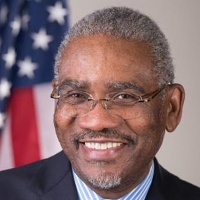
Gregory Meeks
Representative
NY
Gregory Meeks
Representative
NY
This bill directs the President to withdraw U.S. Armed Forces from hostilities involving Iran, utilizing the authority provided by the War Powers Resolution. The President may only keep forces deployed if they are necessary to defend the U.S. or its allies from an imminent attack. This directive does not apply if Congress has already provided a formal authorization for military action against Iran.
The Secure America Act provides significant appropriations for both non-enforcement/technology-focused and enforcement/removal-focused activities across Customs and Border Protection and Immigration and Customs Enforcement.
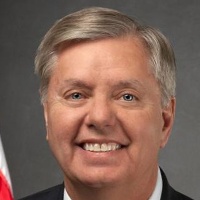
Lindsey Graham
Senator
SC
Lindsey Graham
Senator
SC
The Secure America Act allocates substantial funding across two titles to enhance national security operations. Title I focuses on border technology, non-immigration enforcement personnel for Customs and Border Protection, and specialized funding for Immigration and Customs Enforcement (ICE) to combat child exploitation. Title II provides massive appropriations specifically directed toward immigration enforcement activities for both CBP and ICE, including funding for removals, facility support, and increased cooperation with state and local law enforcement.
This resolution authorizes the Senate to consider 49 executive nominations, including U.S. Attorneys, Marshals, Ambassadors, and various Assistant Secretaries, together as a single group.
John Thune
Senator
SD
John Thune
Senator
SD
This resolution authorizes the Senate to consider 49 executive nominations as a single group rather than voting on each individually. The nominations include various U.S. Attorneys, U.S. Marshals, Ambassadors, and other senior federal positions. This action streamlines the confirmation process for these appointments.
This concurrent resolution sets the US federal budget for fiscal year 2026 and establishes spending targets through 2035, while also outlining reconciliation processes and reserve fund procedures.
Lindsey Graham
Senator
SC
Lindsey Graham
Senator
SC
This concurrent resolution sets the proposed federal budget for fiscal year 2026 and outlines spending targets through 2035, projecting continued annual deficits and growth in the national debt. It directs committees to propose legislation affecting homeland security and the judiciary via a reconciliation process, while establishing flexible, deficit-neutral reserve funds for future policy adjustments. Finally, it solidifies the procedural rules for enforcing these budget allocations across both chambers of Congress.
This bill expresses congressional disapproval of the Bureau of Land Management's rule withdrawing federal lands in three Minnesota counties.
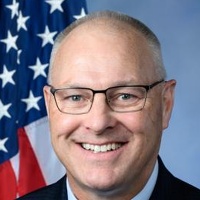
Pete Stauber
Representative
MN
Pete Stauber
Representative
MN
This bill expresses the disapproval of Congress regarding a Bureau of Land Management rule that withdrew federal lands in specific Minnesota counties under Public Land Order No. 7917. By disapproving the rule, Congress renders it legally void.
This bill disapproves of a D.C. Council tax conformity act while simultaneously establishing the "American Opportunity Accounts Act" to create federally funded savings accounts for every child born in the U.S. for education, home buying, business, or retirement.

Brandon Gill
Representative
TX
Brandon Gill
Representative
TX
This bill expresses disapproval of a temporary tax amendment act passed by the D.C. Council. Separately, it establishes the "American Opportunity Accounts Act," creating federally funded savings accounts for every child born in the U.S. These accounts provide an initial deposit and annual contributions based on family income, intended for qualified expenses like education, home purchase, or retirement.
This massive legislative package appropriates funding across the federal government for Fiscal Year 2026, covering everything from defense and education to transportation and health programs, while setting numerous policy conditions on spending.

Tom Cole
Representative
OK
Tom Cole
Representative
OK
The **Consolidated Appropriations Act, 2026** is a massive, multi-division bill funding nearly all non-defense and defense operations of the federal government for Fiscal Year 2026. It allocates hundreds of billions for the Department of Defense, while also funding the Departments of Labor, HHS, Education, Transportation, HUD, State, and Treasury. The legislation sets specific spending levels, extends numerous existing health and trade programs, and imposes detailed policy restrictions and oversight requirements across all funded agencies.
This comprehensive defense bill authorizes funding and sets policy for the Department of Defense, Department of Energy national security programs, the Coast Guard, and intelligence agencies for Fiscal Year 2026.

John Cornyn
Senator
TX
John Cornyn
Senator
TX
This comprehensive bill authorizes funding and sets policy across the entire Department of Defense for Fiscal Year 2026, covering everything from military procurement and research to personnel benefits and base construction. Key provisions include modernizing defense acquisition, reforming military healthcare, strengthening cybersecurity, and authorizing significant construction projects for all service branches. Additionally, the bill includes authorizations for the Department of Energy's national security programs, the Coast Guard, and the State Department, while also establishing new oversight for outbound U.S. investments in China.
This joint resolution disapproves and nullifies the Department of Health and Human Services' recent rule regarding adherence to the text of the Administrative Procedure Act.
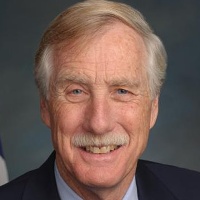
Angus King
Senator
ME
Angus King
Senator
ME
This joint resolution expresses Congress's disapproval of a recent rule issued by the Department of Health and Human Services (HHS) concerning adherence to the text of the Administrative Procedure Act (APA). By invoking the Congressional Review Act, this resolution immediately nullifies the proposed HHS policy. Consequently, the new rule regarding APA adherence will have no legal effect.
This bill seeks to disapprove the Bureau of Land Management's rule concerning the Coastal Plain Oil and Gas Leasing Program Record of Decision.

Nicholas Begich
Representative
AK
Nicholas Begich
Representative
AK
This joint resolution seeks to disapprove, using the Congressional Review Act, a specific rule from the Bureau of Land Management concerning the Coastal Plain Oil and Gas Leasing Program Record of Decision. If enacted, this action would nullify the BLM's submitted rule, preventing it from taking effect.
This bill seeks to nullify the Bureau of Land Management's rule regarding the Buffalo Field Office Record of Decision and Approved Resource Management Plan Amendment.
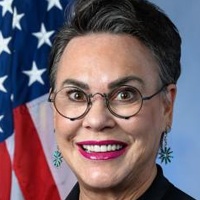
Harriet Hageman
Representative
WY
Harriet Hageman
Representative
WY
This bill expresses the disapproval of Congress regarding a specific rule submitted by the Bureau of Land Management concerning the Buffalo Field Office Record of Decision and Approved Resource Management Plan Amendment. By invoking the Congressional Review Act, this measure ensures that the BLM's submitted rule will have no legal force or effect.
This bill formally disapproves the Bureau of Land Management's North Dakota Field Office Resource Management Plan and Record of Decision.

Julie Fedorchak
Representative
ND
Julie Fedorchak
Representative
ND
This bill formally expresses Congress's disapproval of a specific rule issued by the Bureau of Land Management's North Dakota Field Office regarding its Resource Management Plan. By invoking the Congressional Review Act, this legislation voids the BLM's submitted rule, preventing it from taking effect. Essentially, Congress is vetoing the BLM's proposed management plan for North Dakota.
This joint resolution disapproves the Bureau of Land Management's rule regarding the Central Yukon Record of Decision and Approved Resource Management Plan.
Nicholas Begich
Representative
AK
Nicholas Begich
Representative
AK
This joint resolution expresses the disapproval of Congress regarding a specific rule issued by the Bureau of Land Management (BLM) concerning the "Central Yukon Record of Decision and Approved Resource Management Plan." By invoking the Congressional Review Act, this action immediately nullifies the BLM's submitted rule. Consequently, the Central Yukon Resource Management Plan will not take effect as a regulation.
This joint resolution disapproves the Bureau of Land Management's rule concerning the Miles City Field Office Record of Decision and Approved Resource Management Plan Amendment.
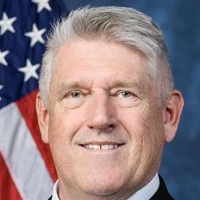
Troy Downing
Representative
MT
Troy Downing
Representative
MT
This Joint Resolution expresses the disapproval of Congress regarding a specific rule issued by the Bureau of Land Management (BLM) concerning the Miles City Field Office's Resource Management Plan Amendment. By invoking the Congressional Review Act, this action immediately nullifies the BLM's decision and prevents it from taking effect.
This joint resolution seeks to nullify the Bureau of Land Management's rule regarding the National Petroleum Reserve in Alaska Integrated Activity Plan Record of Decision.
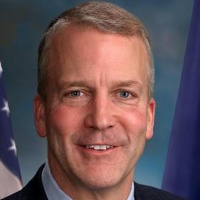
Dan Sullivan
Senator
AK
Dan Sullivan
Senator
AK
This joint resolution seeks to disapprove the Bureau of Land Management's rule regarding the National Petroleum Reserve in Alaska Integrated Activity Plan Record of Decision. If enacted, this action would nullify the submitted rule, preventing it from taking effect.
This bill provides fiscal year 2026 appropriations for Agriculture, Rural Development, the FDA, Military Construction, and Veterans Affairs, while also extending numerous existing programs across various agencies through early 2026.
Tom Cole
Representative
OK
Tom Cole
Representative
OK
This bill provides the necessary appropriations for the Agriculture, Rural Development, Food and Drug Administration, and related agencies for Fiscal Year 2026. It funds ongoing government operations while also including numerous extensions for expiring programs across health, Medicare, and veterans' affairs sectors. Additionally, the legislation contains several specific policy directives, including restrictions on federal workforce reductions and provisions related to agricultural trade and FDA user fees.