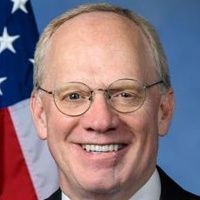
Legislative Activity
Track John's sponsored bills, co-sponsored legislation, and voting record
This bill authorizes the creation and sale of commemorative coins for the 2028 Los Angeles and 2034 Salt Lake City Olympic and Paralympic Games to help fund the events, with all surcharges going to the respective organizing committees after covering production costs.
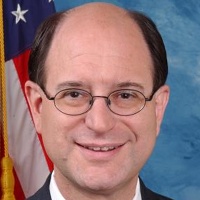
Brad Sherman
Representative
CA
Brad Sherman
Representative
CA
This Act authorizes the Secretary of the Treasury to mint and sell special commemorative coins for the 2028 Los Angeles Olympic and Paralympic Games and the 2034 Salt Lake City Winter Olympic and Paralympic Games. The coins will feature designs celebrating American athletes and the Games themselves. All surcharges collected from the sale of these coins will be directed to the respective organizing committees to help fund the events and related youth sports programs. The entire program must be conducted at no cost to the U.S. Government.
The SAMS Act of 2025 codifies several existing Executive Orders related to critical minerals into permanent federal law.
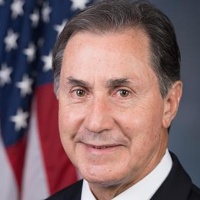
Gary Palmer
Representative
AL
Gary Palmer
Representative
AL
The SAMS Act of 2025 codifies several previous Executive Orders into permanent law, specifically focusing on policies related to critical minerals. This action elevates existing presidential directives concerning these vital resources to the full force and effect of statutory law. The bill ensures the long-term legal standing of established critical mineral supply chain strategies.
This bill mandates that elementary, secondary, and higher education institutions must certify compliance with biological fairness requirements in women's sports to receive federal funding, with penalties for non-compliance.
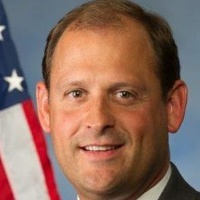
Garland Barr
Representative
KY
Garland Barr
Representative
KY
The Defend Girls Athletics Act mandates that elementary, secondary, and higher education institutions must certify compliance with Executive Order 14201 regarding biological fairness in women's sports to receive federal funding. This certification must be renewed annually for K-12 districts and by July 1st for colleges and universities. Failure to comply or report results in the immediate requirement to return unobligated federal funds and ineligibility for future federal financial assistance until compliance is restored.
This resolution commends Petty Officer 3d Class Scott Ruskan for his heroic rescue of 165 people during the devastating central Texas floods and thanks all first responders involved.
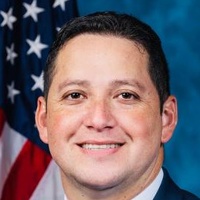
Ernest Gonzales
Representative
TX
Ernest Gonzales
Representative
TX
This resolution officially commends Petty Officer 3d Class Scott Ruskan for his heroic actions during the devastating central Texas floods of July 2025. It specifically recognizes him for personally rescuing 165 individuals and coordinating triage efforts under hazardous conditions. Furthermore, the bill extends deep gratitude to all federal, state, and volunteer responders who risked their lives during this major natural disaster.
The PBM Reform Act of 2025 mandates sweeping changes to increase transparency, ensure fair pharmacy access in Medicare, and prohibit abusive spread pricing in Medicaid by holding Pharmacy Benefit Managers accountable for their financial dealings.
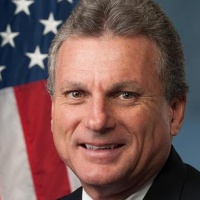
Earl Carter
Representative
GA
Earl Carter
Representative
GA
The Pharmacy Benefit Manager Reform Act of 2025 aims to increase transparency and accountability across the prescription drug supply chain. It mandates fairer pharmacy network access for Medicare beneficiaries and imposes strict new financial reporting and service fee requirements on Pharmacy Benefit Managers (PBMs) working with Medicare and private health plans. Furthermore, the bill establishes new federal mechanisms to accurately track drug acquisition costs in Medicaid and explicitly bans the practice of "spread pricing" in state Medicaid contracts.
This resolution solemnly marks the one-year anniversary of the attempted assassination of President Trump, condemns ongoing political violence, and honors the victims and first responders.
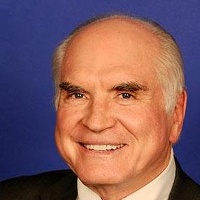
Mike Kelly
Representative
PA
Mike Kelly
Representative
PA
This resolution solemnly marks the one-year anniversary of the attempted assassination of President Donald J. Trump, condemning the multiple violent attempts against the President's life. It honors the victims of the shooting, including the late Corey D. Comperatore, and recognizes the bravery of first responders. Furthermore, the resolution condemns all incitement of violence against elected officials and calls for national unity against political violence.
This resolution officially honors the life, achievements, and legacy of FedEx founder Frederick W. Smith.
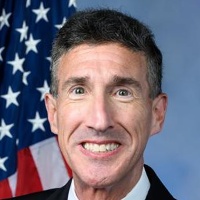
David Kustoff
Representative
TN
David Kustoff
Representative
TN
This resolution serves as a formal tribute honoring the life, achievements, and enduring legacy of Frederick W. Smith, the visionary founder of FedEx. It officially recognizes his pioneering role in revolutionizing the global logistics industry and his deep commitment to the Memphis community. The bill does not enact any new laws but instead places his biography and contributions into the official Congressional record.
The Employee Rights Act mandates secret ballot elections for union representation, restricts voting eligibility to lawfully present workers, tightens rules on employer-employee data sharing during elections, limits union spending of member dues, clarifies independent contractor and joint employer standards, extends NLRA coverage to tribal entities, allows for independent negotiation in certain states, bans non-job-related DEI clauses in contracts, and limits federal prosecution for minor acts of violence during labor disputes.
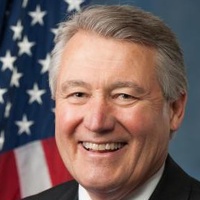
Rick Allen
Representative
GA
Rick Allen
Representative
GA
The Employee Rights Act fundamentally reforms U.S. labor law by mandating secret ballot elections for union representation and restricting union access to employee contact information. It also clarifies definitions for independent contractors and joint employers under federal wage and labor relations statutes. Furthermore, the bill prohibits Diversity, Equity, or Inclusion (DEI) clauses in collective bargaining agreements and establishes federal penalties for violence during labor disputes, while prioritizing state authority for minor incidents.
This bill nullifies the Department of Labor's recently published final rule updating the Davis-Bacon and Related Acts regulation.
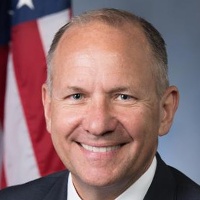
Lloyd Smucker
Representative
PA
Lloyd Smucker
Representative
PA
This bill seeks to immediately nullify the Department of Labor's recently published final rule updating the Davis-Bacon and Related Acts regulation. If enacted, the measure would ensure that the new wage rule, published on August 24, 2023, has no force or legal effect. Essentially, this legislation cancels the Department of Labor's latest changes to the prevailing wage requirements for federally funded construction projects.
This act prohibits the use of political litmus tests in the accreditation of institutions of higher education and protects the ability of religious institutions to maintain their faith-based standards.
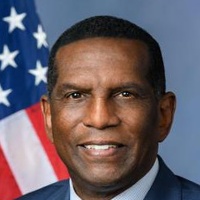
Clarence Owens
Representative
UT
Clarence Owens
Representative
UT
The Accreditation for College Excellence Act of 2025 prohibits accrediting agencies from imposing political litmus tests on institutions of higher education. This legislation ensures that accreditation decisions are based on academic quality and financial stability, not on an institution's ideological or political viewpoints. Furthermore, it protects the ability of religious institutions to maintain standards consistent with their faith-based missions.
The LEDGER Act mandates the establishment of a comprehensive, government-wide system to track and record the exact destination and availability period of every federal expenditure.
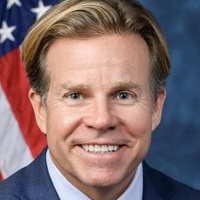
Mike Haridopolos
Representative
FL
Mike Haridopolos
Representative
FL
The LEDGER Act mandates the creation of a comprehensive, centralized system managed by the Secretary of the Treasury to track every expenditure made by all branches of the U.S. Government. This new system must detail exactly where federal funds are spent and how long those funds were available for obligation. The goal is to significantly enhance the traceability and transparency of government spending.
This Act mandates the inclusion of the Secretary of Agriculture in reviews of foreign investment transactions involving U.S. agricultural interests and requires specific review of agricultural land purchases by entities from designated foreign adversary nations.
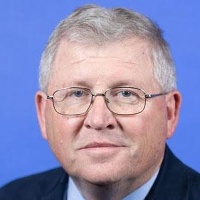
Frank Lucas
Representative
OK
Frank Lucas
Representative
OK
The Agricultural Risk Review Act of 2025 ensures the Secretary of Agriculture has a seat on the Committee on Foreign Investment in the United States (CFIUS) for reviews involving agricultural land, biotechnology, or the food industry. This legislation mandates that specific committees review certain agricultural land transactions involving foreign entities from designated adversarial nations. These new provisions aim to enhance national security by scrutinizing foreign investment in critical U.S. agricultural assets.
This bill makes permanent full expensing for qualified property, adjusts depreciation for real property based on inflation, and allows immediate expensing of research and experimental expenditures while eliminating amortization.
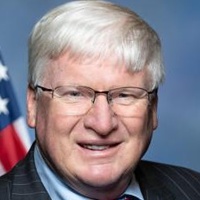
Glenn Grothman
Representative
WI
Glenn Grothman
Representative
WI
The CREATE JOBS Act aims to boost the economy by making permanent 100% immediate expensing for qualified business property. It also introduces an inflation-adjusted depreciation calculation for commercial and residential real estate. Furthermore, the bill eliminates the option to amortize research and experimental expenditures, allowing for immediate deduction of these costs. These changes are designed to accelerate cost recovery and encourage business investment.
This Act invalidates Somalia's claims over Somaliland and authorizes the U.S. President to formally recognize the Republic of Somaliland as an independent nation.
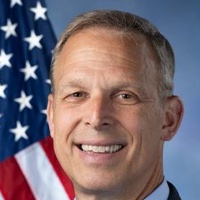
Scott Perry
Representative
PA
Scott Perry
Representative
PA
The Republic of Somaliland Independence Act establishes the official U.S. policy invalidating any claims by the Federal Republic of Somalia over the region of Somaliland. This legislation grants the President the authority to formally recognize Somaliland as an independent nation based on this stated policy.
This act strips federal funding from any state or local jurisdiction deemed non-compliant with federal immigration enforcement cooperation requests.
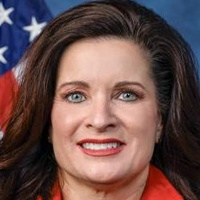
Sheri Biggs
Representative
SC
Sheri Biggs
Representative
SC
The Mobilizing Against Sanctuary Cities Act mandates that the Attorney General annually identify state and local jurisdictions that fail to cooperate with federal immigration enforcement requests, such as honoring detainers. Jurisdictions deemed non-compliant will immediately lose eligibility for all federal financial assistance for at least one year. Funding will only be restored after the Attorney General certifies that the area has corrected its non-compliance.
This Act penalizes jurisdictions that restrict cooperation between local law enforcement and federal immigration officials by making them ineligible for certain federal development funds.
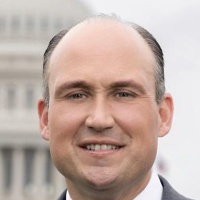
Nicholas Langworthy
Representative
NY
Nicholas Langworthy
Representative
NY
The Stop Dangerous Sanctuary Cities Act aims to penalize jurisdictions that limit cooperation with federal immigration enforcement. It defines "sanctuary jurisdictions" as those that refuse to honor detainer requests or share immigration information, with an exception for protecting crime victims and witnesses. Furthermore, the bill makes these designated sanctuary jurisdictions ineligible for specific federal development and community improvement funds, such as EDA grants and CDBG funds. Cooperating local officers are granted liability protection when honoring valid federal detainer requests.
This act exempts legally authorized pesticide applications from needing separate Clean Water Act permits for discharges into navigable waters, with specific exceptions for violations and certain industrial or stormwater discharges.
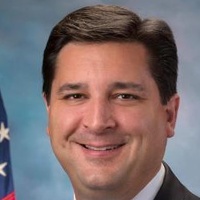
David Rouzer
Representative
NC
David Rouzer
Representative
NC
The Reducing Regulatory Burdens Act of 2025 aims to streamline pesticide regulation by generally exempting legally authorized pesticide applications from needing separate Clean Water Act discharge permits. This change applies when authorized pesticides or their residues enter navigable waters from a specific discharge point. However, the exemption does not apply if the discharge violates FIFRA rules, involves certain stormwater runoff, or originates from industrial processes or vessels.
This bill establishes a Select Committee to investigate alleged cover-ups regarding President Biden's cognitive and physical health, past cancer diagnosis, and related matters, with a final report due by December 31, 2025.
Earl Carter
Representative
GA
Earl Carter
Representative
GA
This bill establishes a Select Committee tasked with investigating allegations of a cover-up regarding President Biden's cognitive and physical health decline. The committee will examine the President's health status, past cancer diagnosis, the role of key individuals in any alleged concealment, and media influence. This investigative body has no legislative authority and must submit its final report, findings, and recommendations by December 31, 2025.
The Financial Integrity and Regulation Management Act prohibits federal banking agencies from using "reputational risk" as a factor in supervising, examining, or taking enforcement actions against depository institutions.
Garland Barr
Representative
KY
Garland Barr
Representative
KY
The Financial Integrity and Regulation Management (FIRM) Act prohibits federal banking agencies from using "reputational risk" as a factor in supervising, examining, or rating financial institutions. This legislation aims to ensure that bank oversight focuses strictly on financial safety and soundness, rather than public perception or political considerations. Agencies must remove all references to reputational risk from their guidance and report back to Congress on their compliance within 180 days.
This bill restructures the Consumer Financial Protection Bureau (CFPB) from a single-director agency into an independent commission-led agency with specific expertise and political balance requirements.
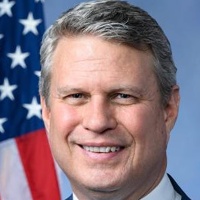
Bill Huizenga
Representative
MI
Bill Huizenga
Representative
MI
This bill, the Bureau of Consumer Financial Protection Commission Act, restructures the Consumer Financial Protection Bureau (CFPB) by replacing its single Director leadership with an independent, five-member commission appointed by the President and confirmed by the Senate. The legislation updates numerous federal laws to replace references to the "Director" with the "Commission" or "Bureau" to reflect this new governance structure. The commission will oversee the agency's core rulemaking and enforcement authority, with a Chair selected from among its members to manage day-to-day operations.