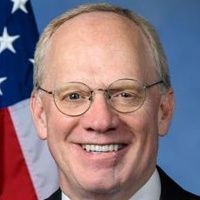
Legislative Activity
Track John's sponsored bills, co-sponsored legislation, and voting record
This bill protects firearm licensees from license revocation for self-reported or correctable violations by requiring notice, a chance to fix mistakes, and granting federal courts the power to review revocations *de novo*.
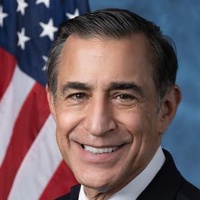
Darrell Issa
Representative
CA
Darrell Issa
Representative
CA
The FIREARM Act aims to protect licensed firearm dealers from overly harsh penalties for minor or self-reported mistakes. It establishes new standards requiring the government to provide notice and an opportunity for dealers to correct violations before license revocation. Furthermore, the bill retroactively applies these protections to licenses previously revoked under a specific 2021 enforcement policy, allowing affected individuals a path to reapply.
The PART Act establishes new federal requirements for marking catalytic converters, creates a grant program for VIN stamping, tightens record-keeping for used parts dealers, and increases criminal penalties for theft and trafficking of catalytic converters.
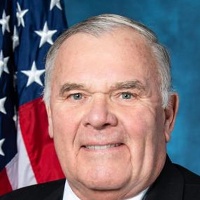
James Baird
Representative
IN
James Baird
Representative
IN
The PART Act aims to combat catalytic converter theft by requiring new vehicles to have traceable identifying markers on these parts. It establishes a federal grant program to help entities stamp identifying numbers onto existing converters. Furthermore, the bill imposes strict record-keeping requirements on businesses that buy used converters and creates new federal criminal penalties for stealing or trafficking stolen catalytic converters.
This Act mandates the Bureau of Prisons to issue a REAL ID-compliant identification card, valid for at least 18 months, to all departing federal prisoners to facilitate access to essential federal services and state IDs.
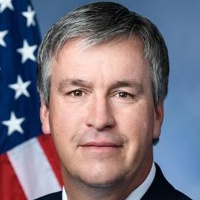
Barry Moore
Representative
AL
Barry Moore
Representative
AL
The BOP Release Card ID Act of 2025 mandates that the Bureau of Prisons issue a REAL ID-compliant photo identification card to all departing federal prisoners, valid for at least 18 months. This federal release card must be accepted for identity verification when accessing major federal benefits like Social Security, Medicaid, and SNAP. Furthermore, the BOP must establish agreements with states to help former inmates use this card to obtain standard state identification. The Attorney General will also issue guidance to states on creating similar release ID programs for state prisoners.
This resolution supports designating September 12th as "The Day of the Bible" to honor the historical significance of the first officially approved American printing of the Bible and its influence on U.S. values.
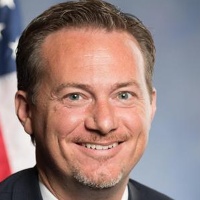
Michael Cloud
Representative
TX
Michael Cloud
Representative
TX
This joint resolution expresses support for designating September 12th annually as "The Day of the Bible" to honor the historical significance of the Bible in shaping American culture and values. The resolution specifically commemorates the anniversary of the 1782 Congressional approval for printing the first complete English Bible in the United States. If enacted, it would require the President to issue an annual proclamation encouraging citizens to observe the day.
The Data BRIDGE Act mandates the FCC to update the national broadband map to specifically include the locations of agricultural areas after consulting with relevant agencies.
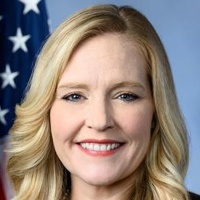
Erin Houchin
Representative
IN
Erin Houchin
Representative
IN
The Data BRIDGE Act mandates that the FCC update its national broadband map to specifically include the locations of agricultural areas. This update must be completed within 180 days of the bill's enactment. To ensure accuracy, the FCC is required to consult with the Secretary of Agriculture and other relevant stakeholders during this process. This action aims to better identify broadband coverage gaps affecting farms.
This act prohibits federal funding for local law enforcement agencies that employ non-citizen police officers.

Katherine Cammack
Representative
FL
Katherine Cammack
Representative
FL
The Citizen-Only Police Act of 2025 (COP Act of 2025) prohibits federal funding for any local law enforcement agency that employs non-citizens as police officers. This act ensures that federal resources are only allocated to departments where all sworn officers are legal residents or citizens.
This bill reforms the FDIC Board of Directors by changing appointment requirements, adding the CFPB Director as a non-voting observer, and imposing stricter term limits for directors.
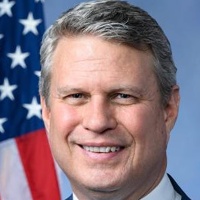
Bill Huizenga
Representative
MI
Bill Huizenga
Representative
MI
The FDIC Board Accountability Act modifies the structure and tenure of the FDIC Board of Directors. It mandates specific experience requirements for four Presidentially-appointed members and limits total service to twelve years per individual. Additionally, the Director of the Bureau of Consumer Financial Protection will now attend Board meetings as a non-voting observer.
The Veterans’ ACCESS Act of 2025 improves veteran health care by establishing clear eligibility standards for community care, mandating timely mental health treatment, and streamlining administrative processes to ensure faster, more transparent access to services.
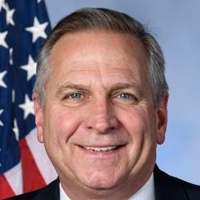
Mike Bost
Representative
IL
Mike Bost
Representative
IL
The Veterans’ ACCESS Act of 2025 strengthens the Veterans Community Care Program by establishing clear, enforceable standards for care eligibility and wait times while streamlining the referral process. The legislation also overhauls access to residential mental health and substance abuse treatment, ensuring veterans receive timely, localized care with robust oversight. Additionally, it mandates the development of digital tools and pilot programs to reduce bureaucratic hurdles and improve transparency across the VA healthcare system.
This bill establishes a federal right for producers to sell covered livestock and their derived products across state lines, preempting state and local regulations on the raising of animals outside their jurisdiction.

Ashley Hinson
Representative
IA
Ashley Hinson
Representative
IA
The Save Our Bacon Act establishes a federal right for producers to move and sell products derived from covered livestock across state lines, ensuring a single national market. This legislation prevents individual states from imposing unique production standards on livestock or products raised outside their borders. Essentially, it standardizes regulations to ensure free interstate commerce for meat and dairy products, excluding those primarily derived from egg-laying animals.
This Act preempts state and local governments from imposing handgun design or feature requirements on firearms in interstate commerce that are not already mandated by federal law.
Darrell Issa
Representative
CA
Darrell Issa
Representative
CA
The Modern Firearm Safety Act preempts state and local governments from imposing handgun design or feature requirements beyond existing federal law. This bill prevents jurisdictions from mandating specific features, such as loaded chamber indicators or magazine insertion sensors, on handguns sold or shipped across state lines. The goal is to standardize federal requirements and limit local restrictions on firearm manufacturing and commerce.
This bill amends federal law to include violations related to rioting within the definition of racketeering activity.

Beth Van Duyne
Representative
TX
Beth Van Duyne
Representative
TX
This bill amends federal law to explicitly include violations related to rioting within the definition of "racketeering activity." By adding this specific crime to the list under Title 18, Section 1961(1), the legislation makes participation in such activities subject to serious federal racketeering charges. This change treats rioting violations similarly to other established offenses like bribery or extortion for the purposes of federal prosecution.
This bill expedites security assistance to Middle Eastern and North African partners who normalize relations with Israel and cooperate against Iranian threats, while safeguarding Israel's qualitative military edge.

Michael Lawler
Representative
NY
Michael Lawler
Representative
NY
The Abraham Accords Defense Against Terror Act expedites security assistance and defense sales to Middle Eastern and North African countries that have normalized relations with Israel and cooperate against Iranian threats. This process requires a shortened 15-day congressional notification period from the President for approved transfers. Furthermore, the State Department must submit regular, public reports detailing the security strategy, threat assessments, and progress in countering Iranian proxies. Crucially, the Act ensures that these provisions do not undermine Israel's qualitative military edge.
This Act modernizes seasonal agricultural CDLs by allowing online renewal for eligible employees and clarifying that implements of husbandry are not considered commercial motor vehicles.
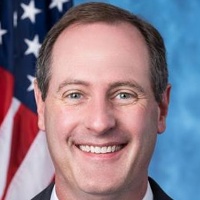
Tracey Mann
Representative
KS
Tracey Mann
Representative
KS
The Seasonal Agriculture CDL Modernization Act streamlines the process for farm workers by allowing states to establish online systems for renewing seasonal, restricted Commercial Driver's Licenses (CDLs). This legislation also clarifies that implements of husbandry (farm equipment) are not classified as commercial motor vehicles for licensing purposes. Overall, the bill aims to modernize and simplify CDL requirements for those in the farm-related service industries.
This Act prohibits the Federal Reserve from directly or indirectly issuing a Central Bank Digital Currency (CBDC) and bars the Fed from developing or using one for monetary policy without explicit Congressional authorization.
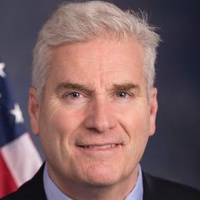
Tom Emmer
Representative
MN
Tom Emmer
Representative
MN
The Anti-CBDC Surveillance State Act strictly prohibits the Federal Reserve from directly or indirectly issuing a Central Bank Digital Currency (CBDC) to individuals. This legislation prevents the Fed from developing, testing, or implementing any digital currency that functions as a direct liability of the Federal Reserve. Furthermore, Congress asserts that any authority to create such a digital asset must explicitly come from Congress itself.
This bill requires states to reimburse the federal government for military deployment costs incurred due to local obstruction of federal immigration enforcement operations.
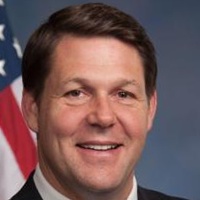
Jodey Arrington
Representative
TX
Jodey Arrington
Representative
TX
This bill requires states to reimburse the federal government for the costs of deploying military forces, such as the National Guard, when state or local obstruction of federal immigration enforcement leads to civil unrest. If a state fails to pay the resulting invoice from the Department of Defense within 180 days, the President is authorized to withhold federal discretionary grant funds to cover the debt. This legislation establishes financial accountability for local interference with federal immigration operations.
This resolution formally condemns the severe, ongoing persecution of Christians in Muslim-majority countries and urges the President to prioritize their protection in U.S. foreign policy.
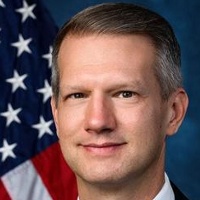
Riley Moore
Representative
WV
Riley Moore
Representative
WV
This resolution formally condemns the severe, ongoing persecution of Christians in Muslim-majority countries worldwide. It documents specific instances of violence, discrimination, and legal restrictions faced by Christian communities across numerous nations. The bill urges the President to prioritize the protection of these religious minorities in all U.S. foreign policy and diplomatic engagement.
This Act exempts commercial vehicles transporting livestock, insects, or aquatic animals from federal electronic logging device and hours of service regulations.
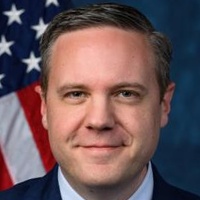
Jeff Hurd
Representative
CO
Jeff Hurd
Representative
CO
The Hauling Exemptions for Livestock Protection Act (HELP Act) exempts commercial drivers transporting livestock, insects, or aquatic animals from federal electronic logging device (ELD) requirements and hours of service regulations. This exemption applies whether the vehicle is loaded or traveling empty to pick up or return from a delivery. The goal is to provide flexibility for those involved in the transportation of live animals.
The Equal Shot Act of 2025 prohibits the Small Business Administration from denying financial assistance to qualified applicants solely based on their involvement in the firearms industry.
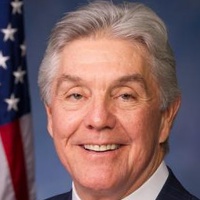
Roger Williams
Representative
TX
Roger Williams
Representative
TX
The Equal Shot Act of 2025 prohibits the Small Business Administration (SBA) from denying financial assistance to otherwise qualified applicants solely based on their involvement in the firearms industry. This legislation ensures that businesses defined as "firearm entities," their affiliates, or trade associations are not unfairly rejected for SBA loans or guarantees. The Act clearly defines these terms to prevent discrimination against businesses involved in manufacturing, selling, or servicing firearms and related accessories.
This Act prohibits lawsuits claiming discrimination based solely on the unintended, disproportionate statistical effect (disparate impact) of employment or housing practices.

Brandon Gill
Representative
TX
Brandon Gill
Representative
TX
The Restoring Equal Opportunity Act aims to eliminate "disparate-impact liability" across major federal laws. This bill prohibits lawsuits claiming discrimination based solely on the unintended, disproportionate negative effect of a rule or practice. Consequently, it removes the ability to challenge employment and housing practices unless discriminatory intent can be proven. The Act also nullifies specific prior regulatory approvals related to civil rights enforcement.
This Act mandates that VA medical staff promptly certify the deaths of veterans who died from natural causes within 48 hours to expedite burial and survivor benefits.
Tom Emmer
Representative
MN
Tom Emmer
Representative
MN
The Veteran Burial Timeliness and Death Certificate Accountability Act addresses significant delays in obtaining death certificates for veterans who die from natural causes, often due to VA medical staff delays. This bill mandates that VA medical providers must certify a veteran's death within 48 hours or allow the local medical examiner to step in. Furthermore, the VA must annually report on its compliance with this new timely certification requirement.