Legislative Activity
Track John's sponsored bills, co-sponsored legislation, and voting record
This Act officially designates the POW/MIA Memorial and Museum in Jacksonville, Florida, as the National POW/MIA Memorial and Museum, establishing reporting requirements for its future operation.
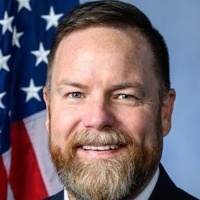
Aaron Bean
Representative
FL
Aaron Bean
Representative
FL
This bill officially designates the memorial and museum currently under construction in Jacksonville, Florida, as the **National POW/MIA Memorial and Museum**. The legislation recognizes the museum's crucial role in honoring and educating the public about service members who were prisoners of war or remain missing in action. To maintain this designation, the museum must submit a comprehensive operational report to Congress within 90 days of enactment. Failure to open satisfactorily within five years or submit the required report will result in the loss of this official federal title.
This Act prohibits federal agencies from awarding contracts over \$100,000 to companies that boycott Israel and requires existing contractors to refrain from boycotting Israel for the duration of the contract.

Claudia Tenney
Representative
NY
Claudia Tenney
Representative
NY
The Countering Hate Against Israel by Federal Contractors Act prohibits federal agencies from awarding contracts over \$100,000 to companies that boycott Israel. Companies seeking these contracts must certify they are not currently boycotting Israel and agree not to start one during the contract period. Agencies must terminate contracts if a violation is found, unless the company ceases the boycott.
This bill limits the Medicare coinsurance amount for certain ambulatory surgical center services to the annual inpatient hospital deductible, effective January 1, 2026.
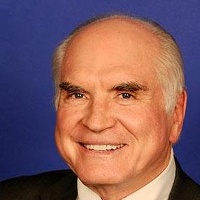
Mike Kelly
Representative
PA
Mike Kelly
Representative
PA
This bill amends Medicare rules to cap the out-of-pocket coinsurance amount beneficiaries must pay for certain services provided in an Ambulatory Surgical Center (ASC). If the standard ASC coinsurance exceeds the annual inpatient hospital deductible, the beneficiary's cost will be limited to that deductible amount. The Secretary will cover the difference owed to the ASC.
This act extends the excise tax exemption for alternative motorboat fuels to include certain vessels operating exclusively along one U.S. coast.
Aaron Bean
Representative
FL
Aaron Bean
Representative
FL
The Maritime Fuel Tax Parity Act extends the existing excise tax exemption for alternative motorboat fuels to include certain vessels operating exclusively between ports on either the Atlantic or Pacific coast. This change ensures that qualifying vessels, such as specific fishing or maritime activity vessels, benefit from the fuel tax break when trading only along a single U.S. coast. The provision applies to fuel sales occurring after December 31, 2023.
This resolution recognizes the vital contributions of linemen, often acting as first responders, and supports designating April 18, 2025, as "National Lineman Appreciation Day."
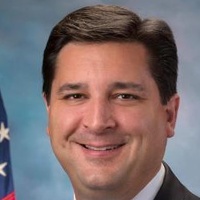
David Rouzer
Representative
NC
David Rouzer
Representative
NC
This resolution officially recognizes the vital and dangerous work performed by power linemen who maintain our electrical infrastructure and ensure public safety. It highlights their crucial role as first responders, often working in hazardous conditions after disasters. Furthermore, the resolution supports the designation of April 18, 2025, as "National Lineman Appreciation Day" to formally honor their service.
This Act funds state systems to track real-time hospital bed capacity affecting emergency department wait times and mandates CMMI pilot programs to improve emergency care for older adults and those in psychiatric crisis.
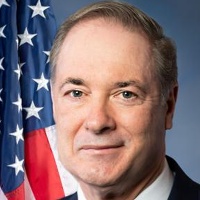
John Joyce
Representative
PA
John Joyce
Representative
PA
The ABC-ED Act of 2025 aims to alleviate emergency department boarding and crowding by modernizing public health data systems to track real-time hospital bed capacity. It also directs the Center for Medicare and Medicaid Innovation to pilot programs specifically improving emergency care for older adults and those in acute psychiatric crisis. Finally, the bill mandates a study on best practices for statewide, real-time capacity tracking systems and their impact on ER wait times.
The Deafblind DATA Act mandates the Census Bureau to cross-reference existing survey data to produce annual, state-level demographic and economic statistics on the U.S. deafblind population.
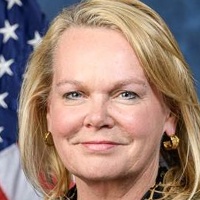
April McClain Delaney
Representative
MD
April McClain Delaney
Representative
MD
The Deafblind DATA Act aims to establish a more accurate count of Americans who are deafblind by directing the Census Bureau to cross-reference existing survey data. This new law mandates the annual publication of a public table detailing the demographic and economic characteristics of the deafblind population by state, starting in 2026. The goal is to provide essential data to ensure these individuals receive necessary support and resources.
The Fight Fentanyl Act strengthens federal efforts against fentanyl trafficking by mandating detailed reporting from HIDTA programs, increasing their funding and purpose to target fentanyl interdiction, and requiring the Attorney General to assign additional prosecutors to these cases.
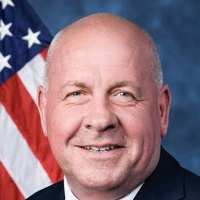
David Taylor
Representative
OH
David Taylor
Representative
OH
The Fight Fentanyl Act strengthens federal efforts to combat the fentanyl crisis by updating the High Intensity Drug Trafficking Areas (HIDTA) program. This legislation mandates increased reporting on fentanyl investigations, sets dedicated funding levels through 2030, and expands HIDTA purposes to prioritize fentanyl interdiction. Furthermore, it requires the Attorney General to ensure sufficient prosecutorial resources are dedicated to fentanyl trafficking cases through temporary AUSA assignments.
This Act mandates the reimbursement of interest payments made by local governments and electric cooperatives on loans used for disaster recovery activities eligible under the Stafford Act.
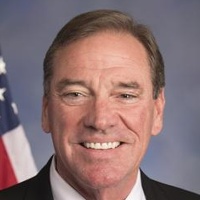
Neal Dunn
Representative
FL
Neal Dunn
Representative
FL
The FEMA Loan Interest Payment Relief Act establishes a program for FEMA to reimburse local governments and electric cooperatives for interest paid on specific disaster recovery loans. This reimbursement is capped at the lesser of the actual interest paid or the interest calculated using the Federal Reserve's prime rate. The law mandates FEMA to quickly establish procedures for states to apply for reimbursement of qualifying interest paid up to nine years prior to enactment.
This act establishes a federal program to gather, research, and disseminate critical health information regarding concussions and traumatic brain injuries among public safety officers.

Dan Crenshaw
Representative
TX
Dan Crenshaw
Representative
TX
The Public Safety Officer Concussion and Traumatic Brain Injury Health Act of 2025 directs the CDC to gather and publicly share critical information regarding concussions and TBIs affecting public safety officers. This effort includes developing evidence-based practices for diagnosis, treatment, and prevention of these injuries. The resulting data will be disseminated through an updated CDC website and various outreach efforts to medical professionals, employers, and the families of officers.
The SOAR Act of 2025 reforms Medicare oxygen benefits by removing competitive bidding, establishing specific supplier responsibilities, enhancing fraud protection through electronic documentation, and enshrining patient rights for supplemental oxygen recipients.
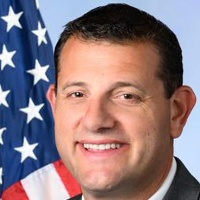
David Valadao
Representative
CA
David Valadao
Representative
CA
The SOAR Act of 2025 aims to significantly reform Medicare access to supplemental oxygen by removing it from the competitive bidding program and establishing new payment rates. The bill also mandates clearer documentation requirements for medical necessity using electronic templates and restores clinical judgment in claim audits. Finally, it establishes specific rights for oxygen beneficiaries and improves reimbursement for respiratory therapists.
The Neighborhood Homes Investment Act establishes a new federal tax credit to incentivize the development and substantial rehabilitation of affordable starter homes in low-income communities by closing the financing gap between construction costs and sale prices.
Mike Kelly
Representative
PA
Mike Kelly
Representative
PA
The Neighborhood Homes Investment Act establishes a new federal tax credit designed to close the financing gap hindering the construction and rehabilitation of affordable starter homes in distressed communities. This credit incentivizes developers to build or substantially renovate housing in specific low-income census tracts and sell it affordably to qualified moderate-income homeowners. State agencies will manage the allocation of these credits, ensuring projects meet affordability standards and promoting revitalization in struggling neighborhoods.
This Act expands Medicare coverage to include audiology services provided directly by qualified audiologists starting in 2027, removing physician supervision and referral requirements.

Gus Bilirakis
Representative
FL
Gus Bilirakis
Representative
FL
The Medicare Audiology Access Improvement Act of 2025 expands Medicare coverage for audiology services, beginning in 2027. This legislation allows qualified audiologists to provide diagnostic and treatment services without physician referral or supervision, as permitted by state law. The bill also specifies payment rates and includes audiologists in coverage for Rural Health Clinics and Federally Qualified Health Centers.
This Act establishes a specific P visa category for temporary workers employed by traveling carnivals, circuses, and associated concession providers, while subjecting them to existing H-2B temporary worker regulations.
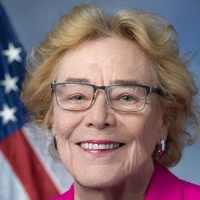
Zoe Lofgren
Representative
CA
Zoe Lofgren
Representative
CA
The Carnivals are Real Entertainment Act establishes a specific P visa pathway for temporary workers employed by traveling carnivals, circuses, and associated concession providers. This new classification ensures essential mobile entertainment staff can enter the U.S. while adhering to existing H-2B temporary worker program regulations. The law mandates that the Secretaries of Homeland Security and Labor develop and finalize the necessary rules within one year of enactment.
The Invest to Protect Act of 2025 establishes a Department of Justice grant program to fund training, mental health resources, and recruitment/retention bonuses for small local law enforcement agencies.
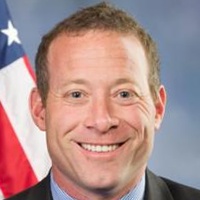
Josh Gottheimer
Representative
NJ
Josh Gottheimer
Representative
NJ
The Invest to Protect Act of 2025 establishes a new, streamlined grant program within the Department of Justice to support small local and Tribal law enforcement agencies (under 175 officers). These funds are specifically designated for officer training, mental health resources, and recruitment/retention bonuses. The law mandates a rapid application process and includes strict accountability measures, such as audits and public reporting of bonuses. Congress is authorized to appropriate up to $50 million annually for this program through fiscal year 2031.
The Affordable Housing Credit Improvement Act of 2025 updates state allocation formulas, reforms tenant eligibility and credit determination rules, and enhances assistance for Native American and rural housing projects.
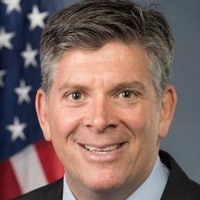
Darin LaHood
Representative
IL
Darin LaHood
Representative
IL
The Affordable Housing Credit Improvement Act of 2025 updates federal housing tax credit allocations to reflect current economic realities and boosts minimum state allotments. It reforms tenant eligibility rules to stabilize tenancy and enhance protections for vulnerable residents, including victims of abuse. The bill also provides disaster relief for property owners, increases incentives for housing the extremely low-income, and directs greater resources toward Native American and rural housing needs. Finally, it streamlines administrative processes and signals a future focus on data transparency and discouraging restrictive local zoning.
This Act establishes mandatory, timely, and compassionate notification procedures for families when an individual in custody dies, is seriously injured, or becomes seriously ill.
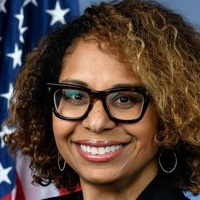
Sydney Kamlager-Dove
Representative
CA
Sydney Kamlager-Dove
Representative
CA
The Family Notification of Death, Injury, or Illness in Custody Act of 2025 establishes mandatory, standardized procedures for law enforcement and correctional facilities to promptly and compassionately notify next-of-kin when an individual in custody dies, is seriously injured, or becomes seriously ill. This Act requires detention agencies to collect emergency contact information upon intake and mandates specific timeframes—such as notification within 12 hours of death—for communicating critical medical and death details. Furthermore, it ensures that next-of-kin receive autopsy results and have input regarding the disposition of remains.
The Deliver for Veterans Act expands VA payment authority to cover adaptive vehicle shipping costs for eligible veterans and extends a limitation on certain pension payments.
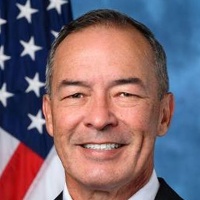
James (Jim) Moylan
Representative
GU
James (Jim) Moylan
Representative
GU
The Deliver for Veterans Act updates how the Department of Veterans Affairs supports eligible veterans by authorizing the VA to cover the full shipping costs for adaptive vehicles, in addition to the purchase price. This legislation also extends the expiration date for a specific limitation on certain veteran pension payments from late 2031 to March 2032.
The End Kidney Deaths Act establishes a \$50,000 federal tax credit over five years for individuals who make non-directed living kidney donations between 2027 and 2036.
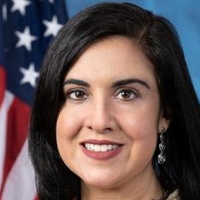
Nicole Malliotakis
Representative
NY
Nicole Malliotakis
Representative
NY
The End Kidney Deaths Act establishes a new federal tax credit for individuals who make non-directed living kidney donations. Eligible donors will receive an annual \$10,000 tax credit for five consecutive years, totaling a potential \$50,000 benefit. This provision is designed to incentivize altruistic donation while ensuring the credit is not considered payment for the organ.
The CBO Scoring Accountability Act mandates that the Congressional Budget Office produce annual reports for ten years tracking the actual financial impact of major legislation against its initial cost estimates.
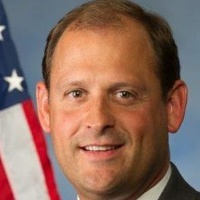
Garland Barr
Representative
KY
Garland Barr
Representative
KY
The CBO Scoring Accountability Act mandates that the Congressional Budget Office (CBO) produce annual reports for ten years following the enactment of any "major legislation." These reports must compare the actual financial impact of the law against the CBO's original estimates. If significant discrepancies occur, the CBO is required to explain the variance to Congress.