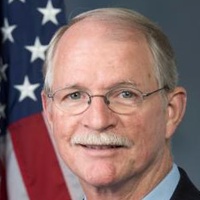
Legislative Activity
Track John's sponsored bills, co-sponsored legislation, and voting record
This resolution formally condemns the severe, ongoing persecution of Christians in Muslim-majority countries and urges the President to prioritize their protection in U.S. foreign policy.
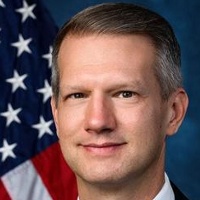
Riley Moore
Representative
WV
Riley Moore
Representative
WV
This resolution formally condemns the severe, ongoing persecution of Christians in Muslim-majority countries worldwide. It documents specific instances of violence, discrimination, and legal restrictions faced by Christian communities across numerous nations. The bill urges the President to prioritize the protection of these religious minorities in all U.S. foreign policy and diplomatic engagement.
This resolution commends Petty Officer 3d Class Scott Ruskan for his heroic rescue of 165 people during the devastating central Texas floods and thanks all first responders involved.
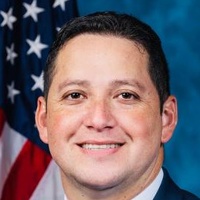
Ernest Gonzales
Representative
TX
Ernest Gonzales
Representative
TX
This resolution officially commends Petty Officer 3d Class Scott Ruskan for his heroic actions during the devastating central Texas floods of July 2025. It specifically recognizes him for personally rescuing 165 individuals and coordinating triage efforts under hazardous conditions. Furthermore, the bill extends deep gratitude to all federal, state, and volunteer responders who risked their lives during this major natural disaster.
This Act mandates fire safety inspections and establishes a grant program to fund the installation of automatic sprinkler systems in certain public housing projects.
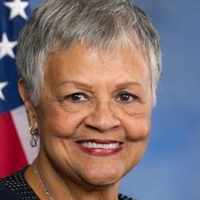
Bonnie Watson Coleman
Representative
NJ
Bonnie Watson Coleman
Representative
NJ
The Public Housing Fire Safety Act mandates that the Secretary of HUD report to Congress on the presence of automatic sprinkler systems in public housing, paying special attention to currently exempt projects. The Act also establishes a competitive grant program, funded by an annual $25 million appropriation to the Capital Fund, to help public housing agencies install sprinklers in those previously exempt buildings. This legislation focuses on data collection and providing funding for voluntary upgrades, rather than forcing immediate installation in all exempt properties.
This resolution condemns Russia's forced deportation and Russification of Ukrainian children and demands their return before any final peace agreement is reached.
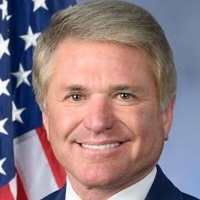
Michael McCaul
Representative
TX
Michael McCaul
Representative
TX
This resolution strongly condemns Russia for the abduction and forced "Russification" of Ukrainian children, highlighting these actions as grave violations of international law. It emphasizes that these children must be safely returned to Ukraine before any final peace agreement to end the war is considered. The document also underscores the heightened risks of trafficking, violence, and trauma faced by Ukrainian children due to the ongoing invasion.
This bill extends the maximum holding period for certain real estate assets for Federal credit unions from 15 to 20 years and clarifies loan eligibility language.
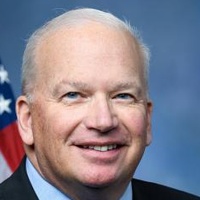
Scott Fitzgerald
Representative
WI
Scott Fitzgerald
Representative
WI
The Expanding Access to Lending Options Act directs the National Credit Union Administration (NCUA) to prioritize the safety and soundness of federally chartered credit unions. This legislation primarily amends the Federal Credit Union Act by extending the maximum holding period for certain real estate assets from 15 to 20 years. It also clarifies the eligibility language for property involved in these real estate loans.
The CONNECT for Health Act of 2025 permanently expands Medicare telehealth access by removing geographic restrictions, increasing practitioner flexibility, bolstering program integrity, and mandating supports for quality remote care delivery.
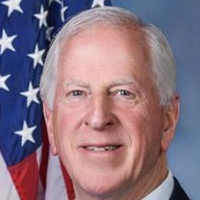
Mike Thompson
Representative
CA
Mike Thompson
Representative
CA
The CONNECT for Health Act of 2025 significantly expands and permanently secures access to Medicare telehealth services by eliminating outdated geographic restrictions and allowing more practitioners to offer remote care. The bill also strengthens program integrity by dedicating funds for telehealth oversight while clarifying rules around providing necessary technology to patients. Finally, it mandates the creation of tailored educational resources and public reporting to improve quality measurement and transparency in remote care delivery.
This bill makes technical corrections and clarifications to the Camp Lejeune Justice Act of 2022, including adjusting venue options, setting standards of proof, and capping attorney fees, all retroactively applied to August 10, 2022.
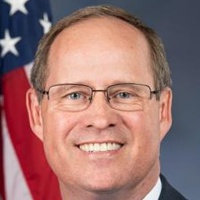
Gregory Murphy
Representative
NC
Gregory Murphy
Representative
NC
The Ensuring Justice for Camp Lejeune Victims Act of 2025 makes technical corrections to the 2022 Camp Lejeune Justice Act to clarify standards for proving harm and venue for trials. This legislation sets specific caps on attorney fees and retroactively applies these changes to all existing and future claims filed under the original 2022 Act. The bill ensures that existing statutes of limitations for filing claims remain unchanged.
The LEDGER Act mandates the establishment of a comprehensive, government-wide system to track and record the exact destination and availability period of every federal expenditure.
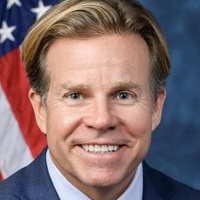
Mike Haridopolos
Representative
FL
Mike Haridopolos
Representative
FL
The LEDGER Act mandates the creation of a comprehensive, centralized system managed by the Secretary of the Treasury to track every expenditure made by all branches of the U.S. Government. This new system must detail exactly where federal funds are spent and how long those funds were available for obligation. The goal is to significantly enhance the traceability and transparency of government spending.
This Act prohibits discrimination against qualified individuals with disabilities in all aspects of the organ transplant process, requiring reasonable accommodations and support structures.
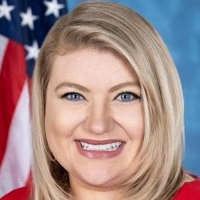
Katherine Cammack
Representative
FL
Katherine Cammack
Representative
FL
The Charlotte Woodward Organ Transplant Discrimination Prevention Act prohibits discrimination against qualified individuals with disabilities in all aspects of the organ transplant process. This legislation ensures that a disability alone cannot be a basis for denying a transplant, referral, or listing. It mandates reasonable modifications and the provision of necessary support, including recognizing support networks, unless the disability presents a medically significant barrier to the transplant itself. The Act ensures these protections apply from initial evaluation through post-transplant care and does not diminish existing state or local protections.
This Act ensures certain Bureau of Prisons employees currently receiving the "Rest of US" locality pay rate are instead paid based on the nearest established locality pay rate, potentially increasing their compensation.
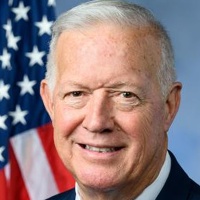
Randy Weber
Representative
TX
Randy Weber
Representative
TX
The Pay Our Correctional Officers Fairly Act aims to increase the pay for certain Bureau of Prisons (BOP) employees currently receiving the "Rest of US" locality pay rate. This bill mandates that their pay locality be adjusted to the nearest established locality offering a higher rate, provided it is within 200 miles of their worksite. This change is designed to ensure fairer compensation for these federal correctional staff.
The FIGHT Act of 2025 strengthens federal prohibitions against animal fighting, enhances enforcement mechanisms, and allows citizens to sue violators of animal fighting provisions.
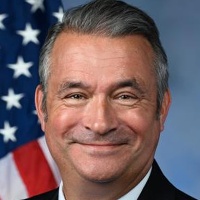
Don Bacon
Representative
NE
Don Bacon
Representative
NE
The FIGHT Act of 2025 significantly strengthens federal prohibitions against animal fighting ventures, specifically targeting the sponsorship, exhibition, and gambling associated with these events. This legislation clarifies the definition of a rooster for legal purposes and bans the interstate transport of roosters for fighting. Furthermore, it empowers private citizens to file lawsuits against violators, allowing for civil penalties and the potential seizure of property used to facilitate illegal animal fighting.
This bill mandates that the United States Postal Service must notify customers and officials before and during any temporary post office closure, while also arranging for alternative local services.
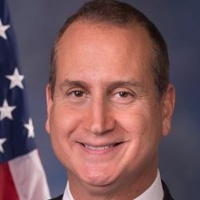
Mario Diaz-Balart
Representative
FL
Mario Diaz-Balart
Representative
FL
This bill mandates that the U.S. Postal Service must provide timely and detailed notification to postal customers and local officials before temporarily suspending operations at any post office. The USPS is required to outline the reason for the closure, provide alternative service locations, and allow for community feedback. Furthermore, the agency must issue ongoing updates if a closure extends beyond six months and ensure replacement services are available nearby.
This act ensures that time spent receiving outpatient observation services in a hospital counts toward the required 3-day inpatient stay for Medicare coverage of skilled nursing facility services.
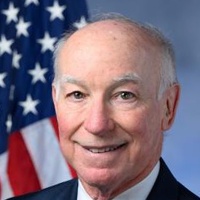
Joe Courtney
Representative
CT
Joe Courtney
Representative
CT
The Improving Access to Medicare Coverage Act of 2025 ensures that time spent receiving outpatient observation services in a hospital counts toward the required 3-day inpatient stay needed to qualify for Medicare coverage of skilled nursing facility (SNF) services. This change effectively removes a significant barrier to accessing post-hospital care for many Medicare beneficiaries. The Secretary of HHS is authorized to implement this rule immediately.
This Act restores collective bargaining rights regarding discipline and reinstates original statutes of limitations for lawsuits against District of Columbia law enforcement personnel.
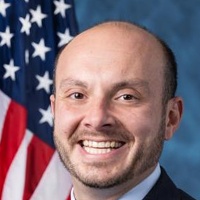
Andrew Garbarino
Representative
NY
Andrew Garbarino
Representative
NY
The Protecting Our Nation’s Capital Emergency Act aims to restore specific rights for District of Columbia law enforcement personnel that were altered by previous legislation. This bill specifically reinstates the right for D.C. police officers to collectively bargain over disciplinary matters. Furthermore, it repeals provisions that affected the statute of limitations for filing lawsuits against Metropolitan Police Department members and employees.
This Act increases compensation for Chapter 7 trustees, adjusts bankruptcy fee allocations to fund the U.S. Trustee system, and extends the terms of certain temporary bankruptcy judge offices.
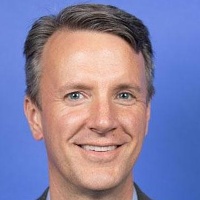
Ben Cline
Representative
VA
Ben Cline
Representative
VA
The Bankruptcy Administration Improvement Act of 2025 addresses the funding and administration of the federal bankruptcy system. This bill primarily increases the compensation for Chapter 7 trustees to address decades of stagnant pay while adjusting various bankruptcy fees to ensure the U.S. Trustee System remains self-funded. Additionally, it extends the term limits for certain temporary bankruptcy judge offices.
This bill repeals the Freedom of Access to Clinic Entrances (FACE) Act, effectively removing federal criminal penalties for obstructing access to reproductive health clinics.
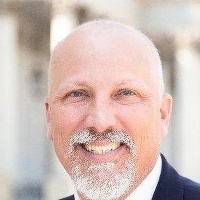
Chip Roy
Representative
TX
Chip Roy
Representative
TX
The FACE Act Repeal Act of 2025 seeks to eliminate federal protections that currently prohibit the obstruction of reproductive health clinic entrances, the use of force or threats against patients and providers, and the intentional damage of clinic property. If enacted, this legislation would immediately repeal these federal criminal prohibitions and apply to all pending or future prosecutions.
This resolution formally declares the inherent value of every human life, recognizes the *Dobbs* decision, and establishes an annual "Life Month" to support policies and resources that protect the unborn and assist new families.
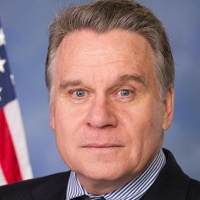
Christopher Smith
Representative
NJ
Christopher Smith
Representative
NJ
This joint resolution formally establishes "Life Month" to affirm the fundamental value and inherent dignity of every human life as an unalienable right. It recognizes the Supreme Court's *Dobbs* decision and urges Congress to enact laws protecting unborn life. Furthermore, the resolution commends organizations and individuals who support pregnant women and new families.
This act mandates that FHA loan disclosures include comparable VA loan information and requires lenders to ask about military service on standard loan applications.
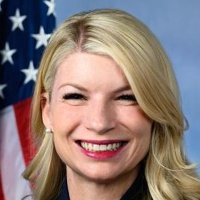
Brittany Pettersen
Representative
CO
Brittany Pettersen
Representative
CO
The VA Loan Informed Disclosure Act of 2025 (VALID Act) aims to increase awareness of VA loan options among homebuyers. It requires lenders to include comparative information about potential VA loan terms on standard FHA disclosure forms. Furthermore, the Act mandates that the Uniform Residential Loan Application include a prominent question regarding the applicant's military service.
This Act mandates that colleges and universities must print or post essential suicide prevention contact information, including the 988 Lifeline, on student IDs or websites.
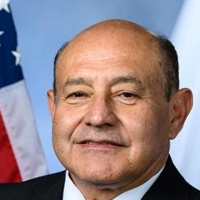
J. Correa
Representative
CA
J. Correa
Representative
CA
The Improving Mental Health Access for Students Act mandates that colleges and universities must prominently display essential mental health and suicide prevention contact information on student ID cards or official websites. This includes the 988 Suicide and Crisis Lifeline, the Crisis Text Line, and the campus mental health center. These requirements take effect one year after the Act is signed into law.
The Fairness, Inclusion, Rehabilitation, and Expungement for Incarcerated Firefighters Act (FIRE Act) extends workplace safety and wage protections to incarcerated firefighters, provides grants for state compliance and reentry programs, and establishes a process for expunging certain past convictions.
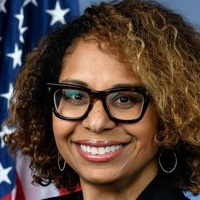
Sydney Kamlager-Dove
Representative
CA
Sydney Kamlager-Dove
Representative
CA
The Fairness, Inclusion, Rehabilitation, and Expungement for Incarcerated Firefighters Act (FIRE Act) ensures incarcerated firefighters receive workplace safety protections under OSHA and fair wage standards under the FLSA. The bill also establishes grant programs to help states implement these safety measures and support reentry services for former incarcerated firefighters. Finally, it creates a process for eligible individuals to petition the court to expunge certain past criminal convictions.