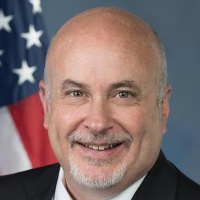
Legislative Activity
Track Mark's sponsored bills, co-sponsored legislation, and voting record
This act limits immigration detention for aliens of good moral character and prohibits the public display of names of parties involved in immigration proceedings.
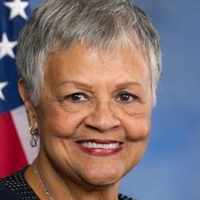
Bonnie Watson Coleman
Representative
NJ
Bonnie Watson Coleman
Representative
NJ
The Fundamental Immigration Fairness Act aims to limit the detention of aliens deemed to have good moral character before a removal order is issued. It clarifies that unlawful presence or entry alone cannot disqualify an individual from this determination. Additionally, the bill prohibits the public display of names of parties involved in immigration proceedings.
This act mandates that incarcerated individuals be counted at their last known residence before incarceration for both census purposes and congressional redistricting.
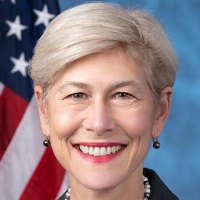
Deborah Ross
Representative
NC
Deborah Ross
Representative
NC
The End Prison Gerrymandering Act changes how incarcerated individuals are counted in the U.S. Census, requiring them to be counted at their last known home address before incarceration, starting with the 2030 census. This change mandates that states must use this pre-incarceration residence when drawing congressional districts. The goal is to prevent prison populations from artificially inflating the political power of districts where prisons are located.
This Act establishes grant programs and provider reimbursement to expand access to HIV prevention medication (PrEP) and related services for underserved and uninsured individuals.
Bonnie Watson Coleman
Representative
NJ
Bonnie Watson Coleman
Representative
NJ
The PrEP Assistance Program Act establishes federal grant funding to support organizations providing HIV prevention medication (PrEP) and related services. It also creates a reimbursement program to ensure uninsured individuals can receive these essential HIV prevention items and services at no cost through a "PrEP Pass" card. The legislation aims to expand access to PrEP by supporting community programs and eliminating financial barriers for the uninsured.
This resolution supports the goals of National Black HIV/AIDS Awareness Day by encouraging testing, commending service organizations, and advocating for strategies to reduce HIV disparities in Black communities.
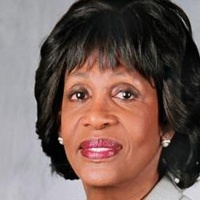
Maxine Waters
Representative
CA
Maxine Waters
Representative
CA
This resolution supports the goals of National Black HIV/AIDS Awareness Day by recognizing the disproportionate impact of HIV on Black Americans. It encourages testing, commends organizations providing culturally competent care, and supports the implementation of the National HIV/AIDS Strategy to reduce disparities. The bill also calls for prioritizing funding for minority-led agencies and addressing systemic barriers to care.
This bill establishes mandatory minimum humanitarian standards for health screening, water, sanitation, food, and shelter for all individuals in ICE and CBP custody.
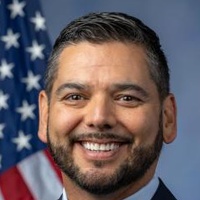
Raul Ruiz
Representative
CA
Raul Ruiz
Representative
CA
The Humanitarian Standards for Individuals in ICE and CBP Custody Act establishes minimum standards for health screening, nutrition, sanitation, and shelter for individuals detained by ICE and CBP. This bill mandates specific protocols for medical care, facility conditions, and personnel training to ensure humane treatment. It also requires regular inspections and public reporting on compliance and sexual abuse complaints.
This act mandates a public report from the FBI and State Department detailing responsibility for the death of Shireen Abu Akleh and any U.S. involvement.
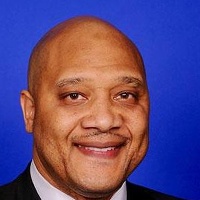
André Carson
Representative
IN
André Carson
Representative
IN
The Justice for Shireen Act mandates that the FBI Director and Secretary of State submit a comprehensive, unclassified report to Congress within 30 days regarding the death of Shireen Abu Akleh. This report must identify responsible parties and any U.S. materials implicated in the incident. The findings will also be made publicly available on the Department of State's website.
This bill seeks to disapprove and nullify the Department of Veterans Affairs' final rule regarding "Reproductive Health Services."
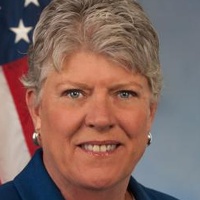
Julia Brownley
Representative
CA
Julia Brownley
Representative
CA
This resolution seeks to disapprove the Department of Veterans Affairs' final rule concerning "Reproductive Health Services" issued in September 2024. If enacted, this disapproval, made under the Congressional Review Act, would prevent the VA rule from taking legal effect.
This Act establishes a grant program administered by the Attorney General to fund library services in prisons to advance reintegration, reduce recidivism, and increase educational opportunities for incarcerated individuals.
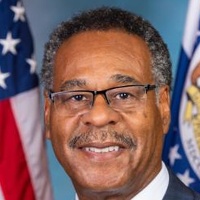
Emanuel Cleaver
Representative
MO
Emanuel Cleaver
Representative
MO
The Prison Libraries Act of 2026 establishes a federal grant program, administered by the Attorney General, to fund essential library services for incarcerated individuals. These grants aim to reduce recidivism and boost reintegration efforts by supporting education, job training, and access to modern library materials. States and territories can apply for these renewable, multi-year grants, which must be used strictly for library-related activities and cannot charge inmates for access to resources.
This act prohibits the use of images of living elected officials or political figures on the National Parks and Federal Recreational Lands Pass.
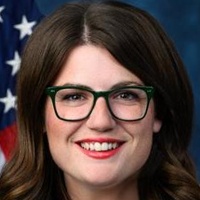
Sarah Elfreth
Representative
MD
Sarah Elfreth
Representative
MD
This bill, the Prohibit Partisan Park Passes Act, amends existing law to restrict the imagery allowed on the National Parks and Federal Recreational Lands Pass. Specifically, it prohibits the use of images of any living current or former elected official or living political figure on the pass.
This act mandates a report by the Comptroller General investigating and detailing deaths resulting from the cessation of USAID activities.
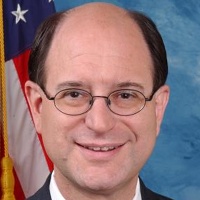
Brad Sherman
Representative
CA
Brad Sherman
Representative
CA
The Evan Anzoo Memorial Act mandates a comprehensive report by the Comptroller General investigating deaths resulting from the cessation of USAID activities. This report must estimate fatalities in 2025 and the subsequent five years, and specifically determine if ten named individuals died due to these actions. An interim update is required within 180 days, with the final report due one year after enactment.
This bill establishes a commission to investigate and recommend remedies for historical and ongoing racial, ethnic, and LGBTQ+ discrimination within the uniformed services.
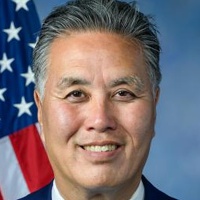
Mark Takano
Representative
CA
Mark Takano
Representative
CA
This bill establishes the Commission on Equity and Reconciliation in the Uniformed Services to investigate and document the history of racial, ethnic, and LGBTQ+ discrimination within the U.S. military since 1775. The Commission is tasked with holding hearings, gathering testimony, and developing recommendations for remedies, including apologies, compensation, and policy changes. It must submit a final report to Congress and the President detailing its findings and proposed actions within 18 months of its first meeting.
This bill mandates the removal of U.S. Armed Forces from Venezuela unless explicitly authorized by Congress.
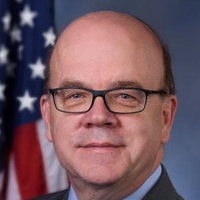
James McGovern
Representative
MA
James McGovern
Representative
MA
This bill mandates the President to withdraw all United States Armed Forces from Venezuela. This action is required unless Congress has formally declared war or passed specific legislation authorizing the use of military force in that country.
This bill supports designating May 2025 as Renewable Fuels Month and establishes a council to develop legislative solutions for the renewable fuels industry, focusing on E15, refinery capacity, and the Renewable Fuel Standard.
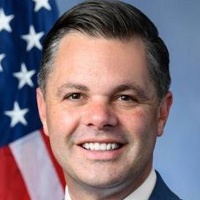
Zachary (Zach) Nunn
Representative
IA
Zachary (Zach) Nunn
Representative
IA
This bill expresses support for designating May 2025 as Renewable Fuels Month to highlight the benefits of renewable fuels, such as reducing carbon emissions and supporting rural economies. It also establishes the E15 Rural Domestic Energy Council to develop legislative solutions addressing challenges in the renewable fuels sector. The Council is tasked with investigating key areas like E15 sales and the Renewable Fuel Standard, with recommendations due to Congress by early 2026.
This act establishes a loan repayment program for general surgeons who commit to working in underserved areas and mandates a study to better define and designate general surgery shortage areas.
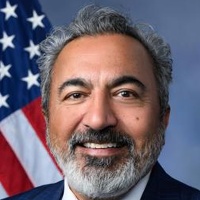
Ami Bera
Representative
CA
Ami Bera
Representative
CA
The Ensuring Access to General Surgery Act of 2026 establishes a federal program to address the shortage of general surgeons in underserved communities. This program offers loan repayment assistance of up to $200,000 over four years for eligible surgeons who commit to working in designated shortage areas. Additionally, the bill mandates a comprehensive study to develop a standardized methodology for accurately identifying and designating general surgery shortage areas across the nation.
This resolution commemorates the Dalai Lama's 90th birthday as a "Day of Compassion" while reaffirming U.S. support for Tibetan human rights, religious freedom, and the Tibetan people's right to choose their own religious leaders without interference from China.
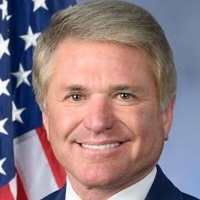
Michael McCaul
Representative
TX
Michael McCaul
Representative
TX
This resolution commemorates the 90th birthday of the Dalai Lama by designating July 6, 2025, as a "Day of Compassion." It strongly reaffirms U.S. support for the human rights, religious freedom, and cultural preservation of the Tibetan people. Furthermore, the resolution asserts that the selection of the next Dalai Lama is solely the right of the Tibetan Buddhist community, rejecting any interference by the People's Republic of China.
This bill establishes a comprehensive, department-wide use of force policy for DHS law enforcement, mandates regular public reporting of use of force data, and requires enhanced training and oversight.
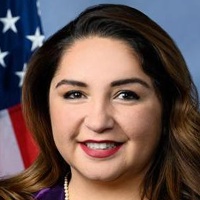
Delia Ramirez
Representative
IL
Delia Ramirez
Representative
IL
The DHS Use of Force Oversight Act establishes a comprehensive, department-wide policy for the use of force by all DHS law enforcement personnel. This policy mandates de-escalation as the preferred approach, prohibits chokeholds, and requires extensive training. Furthermore, the bill mandates regular public reporting of use-of-force data and requires timely briefings to Congress following serious incidents.
This bill mandates that state Medicaid programs cover whole genome and whole exome sequencing for children with specific medical needs starting in 2027.
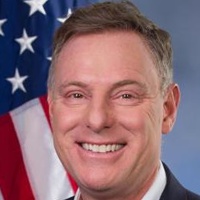
Scott Peters
Representative
CA
Scott Peters
Representative
CA
The Genomic Answers for Children’s Health Act of 2026 mandates that state Medicaid programs cover whole genome and whole exome sequencing for children with specific medical conditions, effective January 1, 2027. This sequencing is to be covered as a first-tier diagnostic test for genetic disorders, rare diseases, or conditions of unknown origin. The bill also directs the HHS Secretary to promote awareness and address implementation challenges for this new mandatory benefit.
This bill establishes a Department of Justice Task Force to combat anti-Sikh hate and discrimination through definition, education, and reporting.
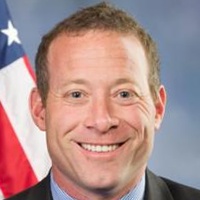
Josh Gottheimer
Representative
NJ
Josh Gottheimer
Representative
NJ
The Sikh American Anti-Discrimination Act of 2026 establishes a Department of Justice Task Force dedicated to combating anti-Sikh hate and discrimination. This Task Force is charged with formally defining anti-Sikh hate, developing educational programs for law enforcement and schools, and collaborating with the Sikh community. The bill mandates annual reporting to Congress on hate crimes, legal actions, and ongoing threats against Sikhs.
This bill impeaches Secretary of Homeland Security Kristi Lynn Arnold Noem for high crimes and misdemeanors, citing willful refusal to comply with oversight law, violating the Impoundment Control Act, directing unlawful ICE misconduct, and misusing federal funds for personal gain.
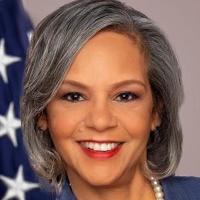
Robin Kelly
Representative
IL
Robin Kelly
Representative
IL
This resolution initiates impeachment proceedings against Secretary of Homeland Security Kristi Lynn Arnold Noem for high crimes and misdemeanors. The articles of impeachment charge her with willfully refusing to comply with Congressional oversight laws and violating the Impoundment Control Act by improperly withholding funds. Further articles allege she directed widespread misconduct by ICE agents that violated federal law and constitutional rights, and misused taxpayer funds for personal gain through improper contracting.
This Act prohibits the federal government from taking investigative, regulatory, or enforcement actions against persons or entities if those actions are substantially motivated by the target's constitutionally protected speech or political participation.
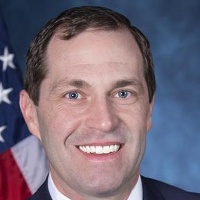
Jason Crow
Representative
CO
Jason Crow
Representative
CO
The No Political Enemies Act prohibits the federal government from initiating investigative, regulatory, or enforcement actions against individuals or entities if those actions are substantially motivated by the person's constitutionally protected speech or political participation. The bill establishes an affirmative defense for defendants facing such politically motivated actions and allows covered persons to sue federal officials for damages or seek injunctions against targeting based on protected speech. Furthermore, it mandates regular reporting from the Department of Justice to Congress regarding sensitive investigations and prosecutions.