This Act establishes a grant program administered by the Attorney General to fund library services in prisons to advance reintegration, reduce recidivism, and increase educational opportunities for incarcerated individuals.
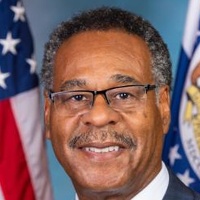
Emanuel Cleaver
Representative
MO-5
The Prison Libraries Act of 2026 establishes a federal grant program, administered by the Attorney General, to fund essential library services for incarcerated individuals. These grants aim to reduce recidivism and boost reintegration efforts by supporting education, job training, and access to modern library materials. States and territories can apply for these renewable, multi-year grants, which must be used strictly for library-related activities and cannot charge inmates for access to resources.
Prison Libraries Act of 2026: New $10 Million Annual Grant Program to Boost Literacy and Job Training for Incarcerated Individuals.
The Prison Libraries Act of 2026 aims to overhaul the way educational resources are handled behind bars by establishing a federal grant program under the Attorney General. Starting in 2026, the bill authorizes $10 million annually through 2031 to fund modern library services in state and territorial correctional facilities. The goal is straightforward: give incarcerated people the tools they need to learn a trade, finish a degree, or simply improve their literacy so they have a real shot at staying out of the system once they're released. By focusing on reintegration and reducing recidivism, the bill treats the prison library not just as a room full of books, but as a hub for career readiness and digital skills.
More Than Just Bookshelves Under Section 4, the funds can be used for a surprisingly wide range of activities that look a lot like a modern community center. We're talking about hiring qualified librarians, setting up computer labs for digital literacy training, and buying up-to-date materials that reflect the languages and interests of the population. For someone who has been out of the workforce for years, this could mean the difference between coming home with a resume and coming home with nothing. The bill even covers artistic programming like creative writing and music, as well as financial literacy classes to help people manage their money post-release. To keep things focused, Section 5 explicitly bans using this money for general prison costs like food, clothes, or healthcare—it’s strictly for the library and its programs.
The Fine Print for Facilities Getting this money isn't a free pass for states; they have to prove they’re doing the work. According to Section 3, applicants must submit a comprehensive plan that includes demographic data on their population’s education levels and recidivism rates. The Attorney General will prioritize facilities that follow national library standards and those that partner with colleges to offer post-secondary degrees (Section 6). For the average taxpayer, this means the $10 million a year is being funneled toward programs with measurable goals, like increasing graduation rates or vocational certifications, rather than just disappearing into a general administrative budget.
Breaking Down Barriers to Access One of the most practical wins in this bill is found in Section 9, which bans charging incarcerated individuals for library services. This means no fees for physical books, eBooks, audiobooks, or even basic supplies like pens and paper for library activities. It also requires prisons to open up their library spaces to outside educational organizations. While the $10 million price tag is a real cost to taxpayers, the bill is built on the logic that investing in a person’s ability to read a job posting or use a computer today is significantly cheaper than paying for their return to a cell tomorrow. The challenge will be in the rollout—ensuring that rural and urban facilities across different states all get a fair shake at the funding as required by the geographic diversity mandate.