This bill establishes a commission to investigate and recommend remedies for historical and ongoing racial, ethnic, and LGBTQ+ discrimination within the uniformed services.
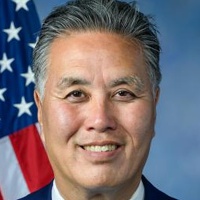
Mark Takano
Representative
CA-39
This bill establishes the Commission on Equity and Reconciliation in the Uniformed Services to investigate and document the history of racial, ethnic, and LGBTQ+ discrimination within the U.S. military since 1775. The Commission is tasked with holding hearings, gathering testimony, and developing recommendations for remedies, including apologies, compensation, and policy changes. It must submit a final report to Congress and the President detailing its findings and proposed actions within 18 months of its first meeting.
New Commission to Investigate Decades of Military Discrimination: 15-Member Panel to Recommend Compensation and Policy Overhauls
The Commission on Equity and Reconciliation in the Uniformed Services Act aims to pull back the curtain on how racial, ethnic, and LGBTQ+ discrimination has shaped the lives of those who served. This isn't just a history project; it is a formal investigation into how policies from 1775 to the present—and specifically anti-LGBTQ+ policies since World War II—have stripped veterans of benefits, impacted their mental health, and even led to homelessness. The bill sets up a 15-member independent commission with a $10 million budget to document these stories and, more importantly, figure out how the government can make things right.
Mapping the Paper Trail of Injustice
The commission is tasked with a massive deep dive into the archives. Under Section 2, they will specifically look at the 'policing' of sexual orientation and gender identity, examining how discharge codes (the 'reason for leaving' on military paperwork) have acted as barriers to jobs and VA healthcare for decades. Think of a veteran who was forced out in the 1980s; this commission will investigate how that discharge status might have blocked them from buying a home with a VA loan or getting treatment for service-related injuries. They are also authorized to use subpoenas to get their hands on federal records and compel testimony, ensuring they aren't just reading the 'official' version of events.
From Public Hearings to Paychecks
This isn't just about talk; it’s about concrete remedies. The bill requires the commission to hold public hearings across the country to hear directly from veterans and their families. Following these sessions, they must submit a report within one year of their first meeting that outlines how the Secretary of Defense can compensate people for lost opportunities. This could include back pay, reinstating benefits, or even streamlining the notoriously slow process for upgrading a discharge status through the Boards for Correction of Military Records. For a family that lost out on decades of survivor benefits due to a discriminatory discharge, these recommendations could lead to life-changing financial corrections.
Modern Fixes for Historical Wrongs
Beyond looking backward, the commission is charged with fixing the current system to prevent history from repeating itself. Section 2 mandates recommendations on restoring gender-affirming care within the VA and improving data collection to ensure minority groups aren't slipping through the cracks. They will also look at the 'cost of readiness'—essentially calculating how much taxpayer money was wasted by firing and retraining personnel simply because of who they were. While the commission has significant power to request info, the real test will be in the 'Medium' vagueness of the 'appropriate remedies' clause; while they can suggest an apology or back pay, the final power to cut those checks will still sit with Congress and the Executive branch after the commission shuts down 90 days after its final report.